
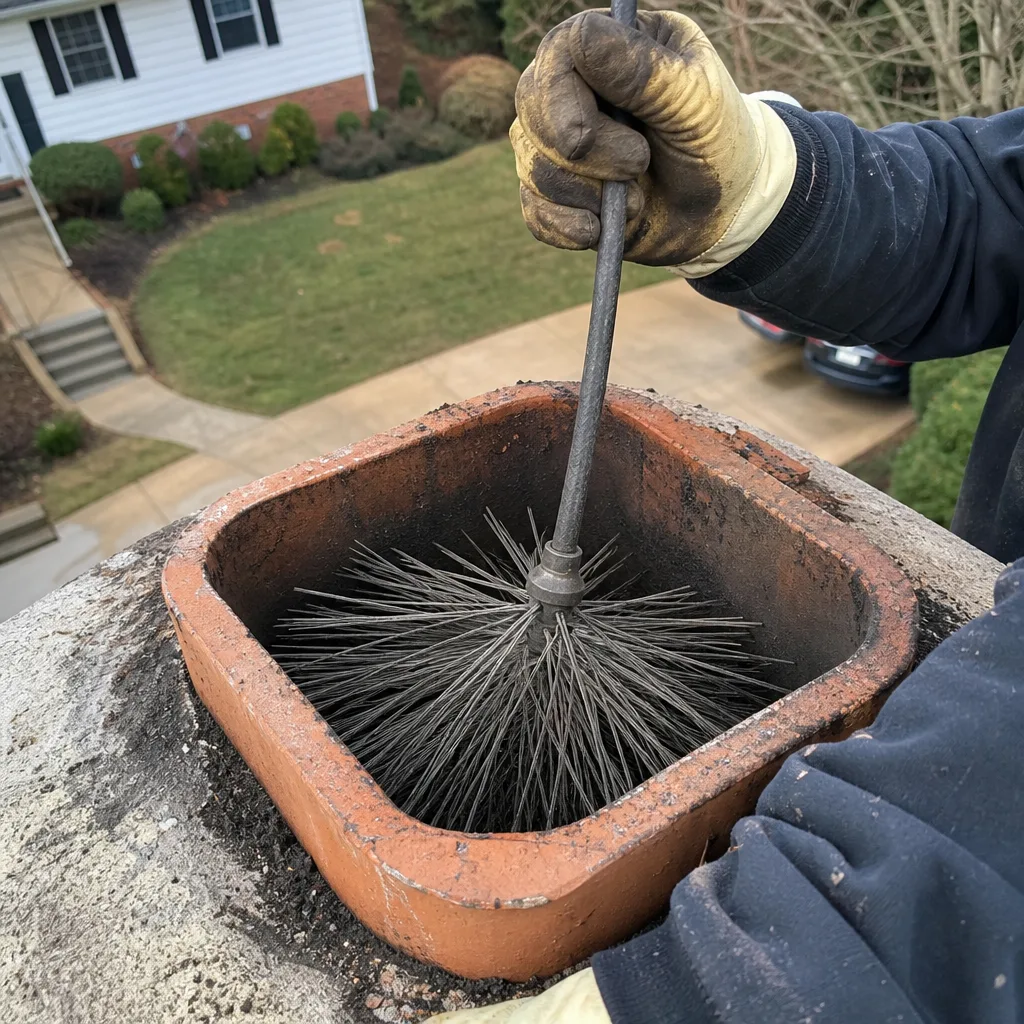
Level 1 sweep and inspection to the NFPA 211 annual standard - flue, crown, cap, and flashing checked and photographed
Chimney sweep logs do not sweep chimneys. They loosen some creosote - which then falls where a brush and vacuum still have to collect it.
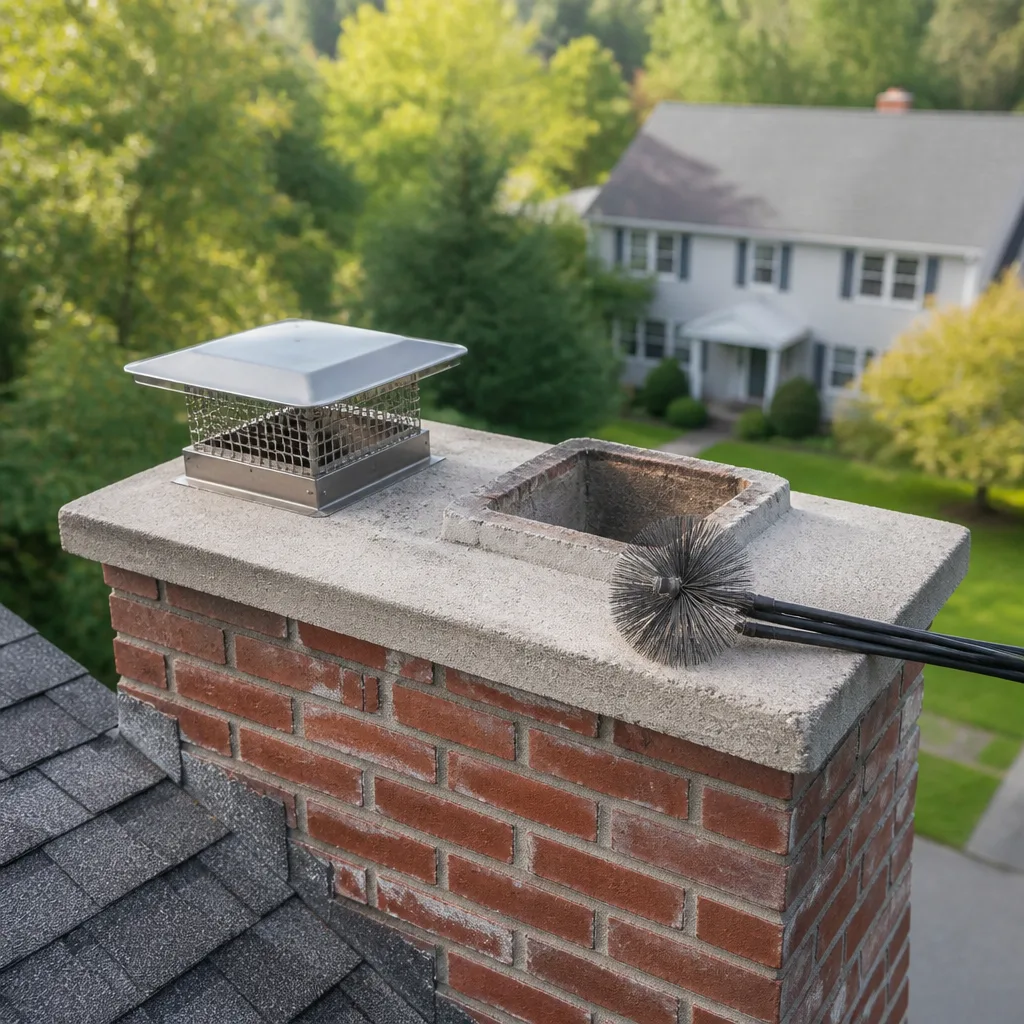
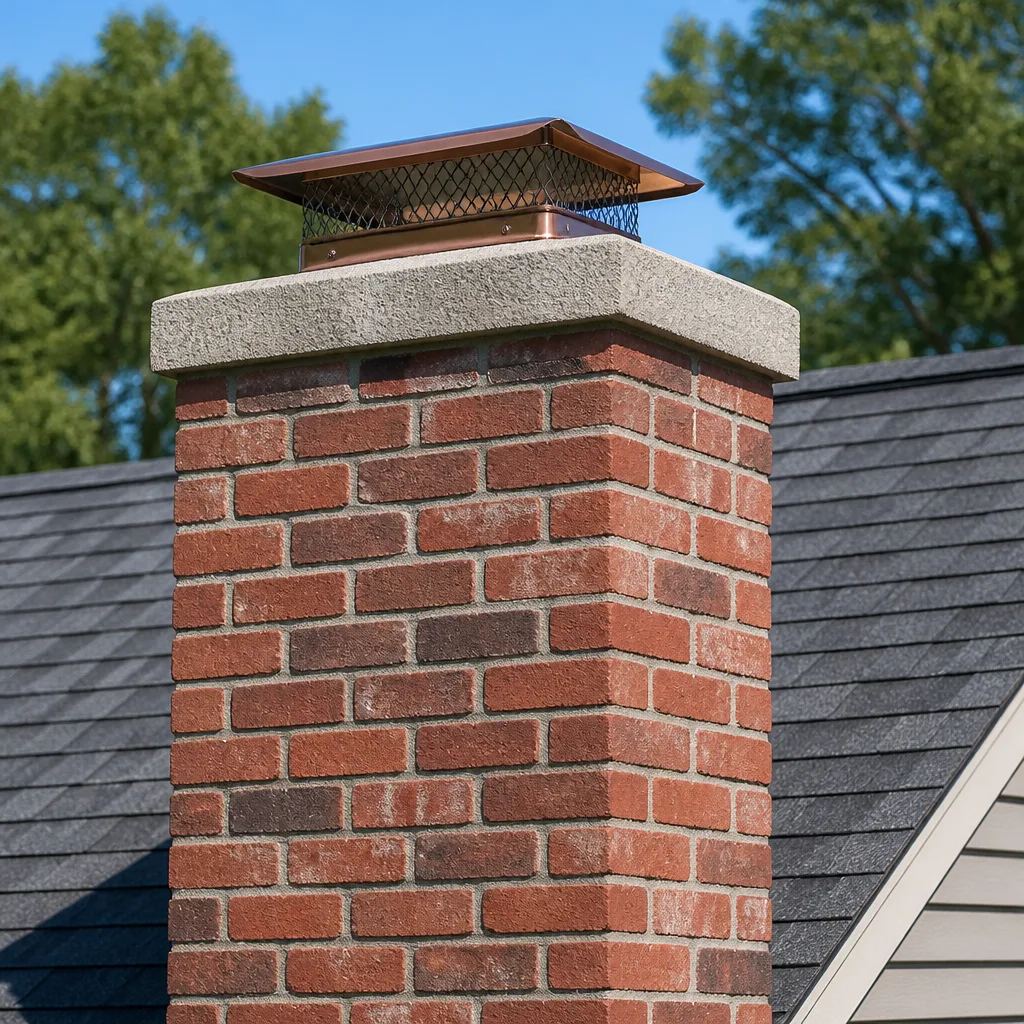
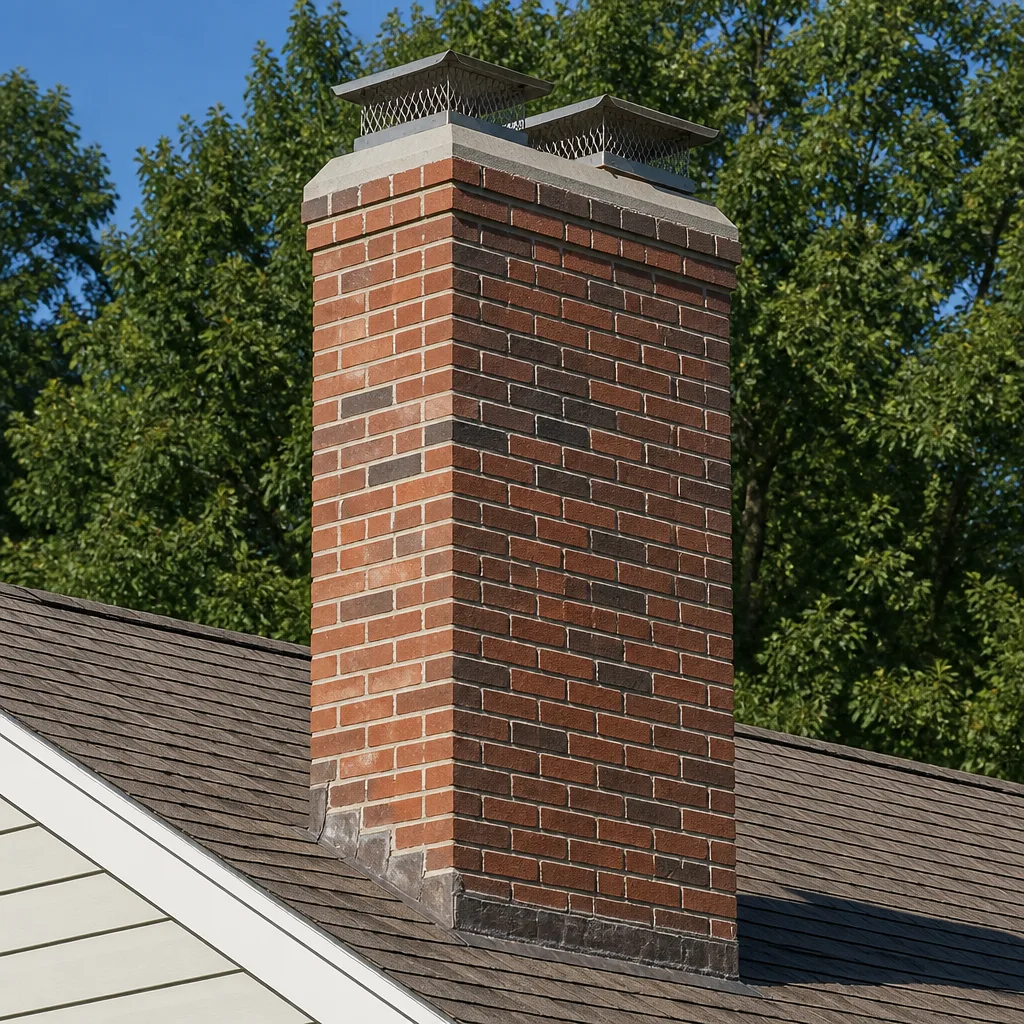
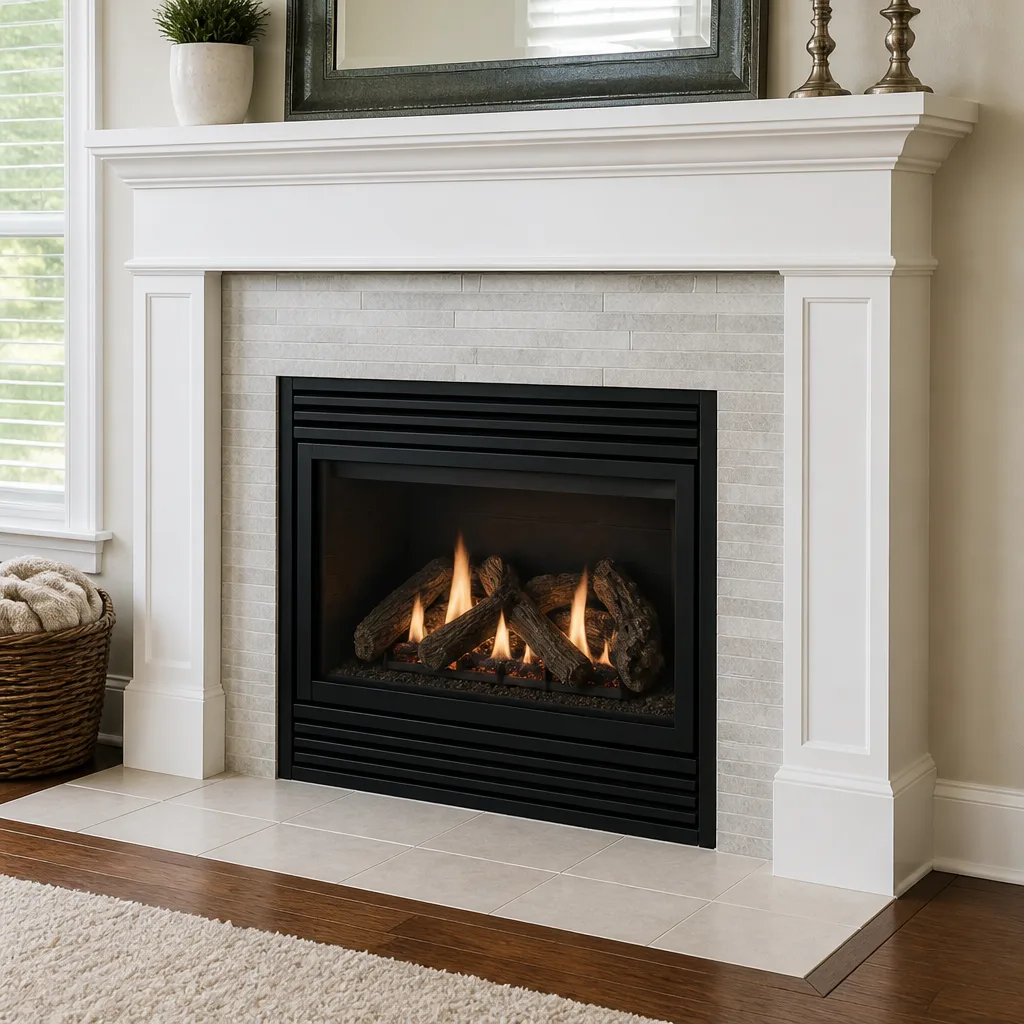
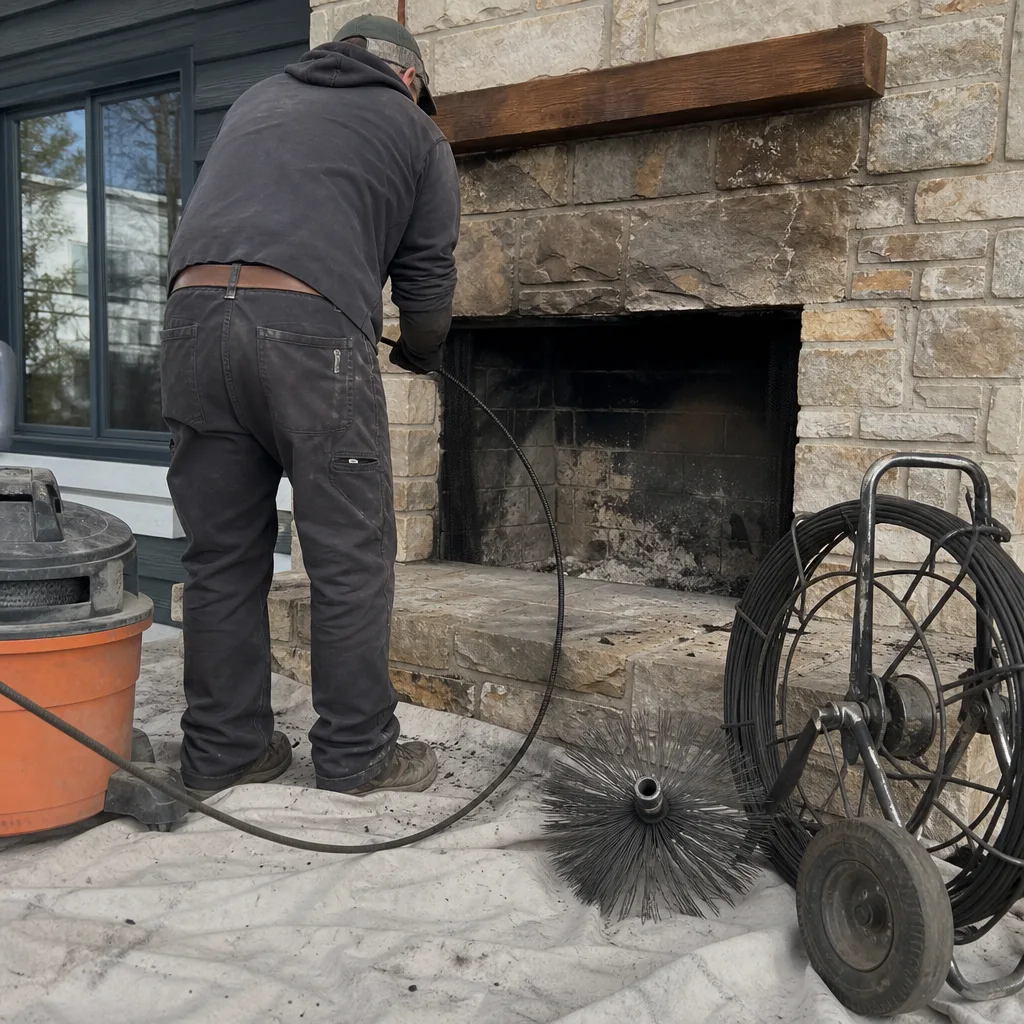 Before
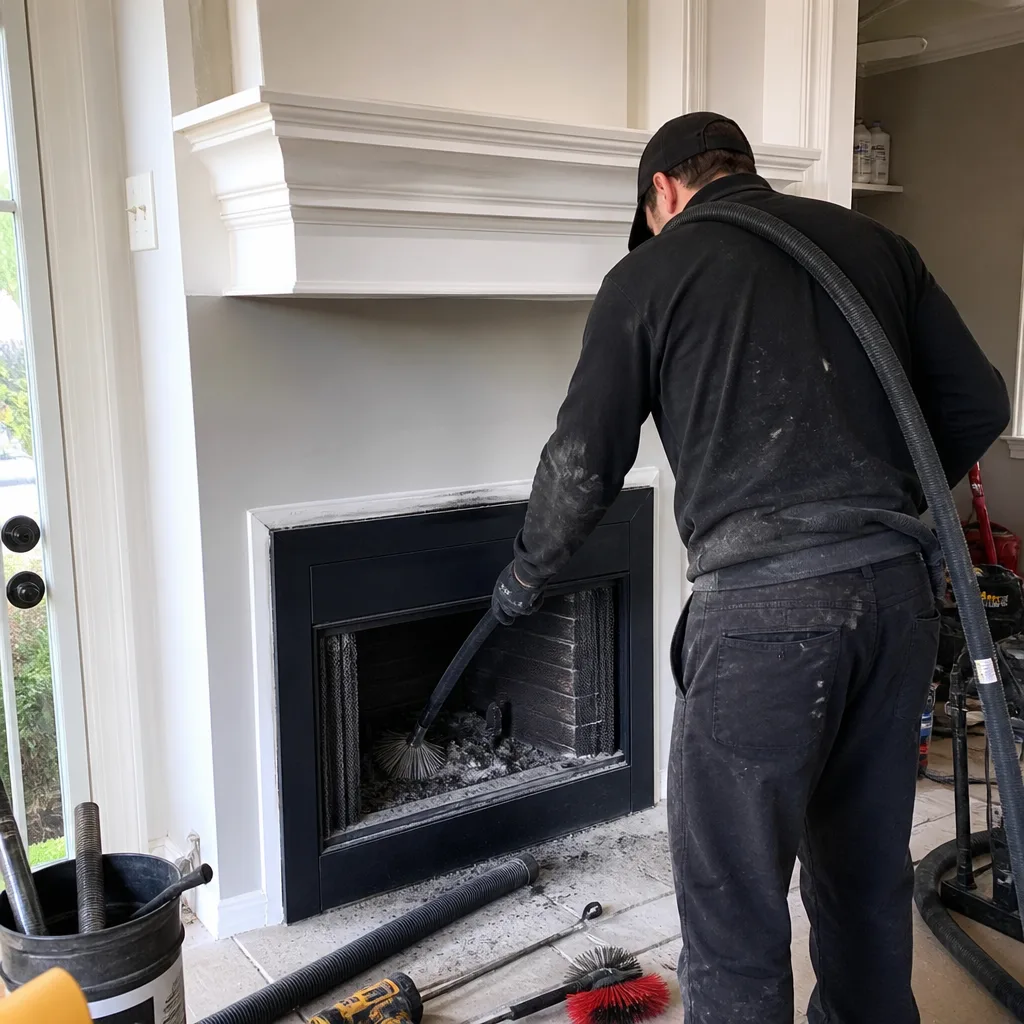 After
After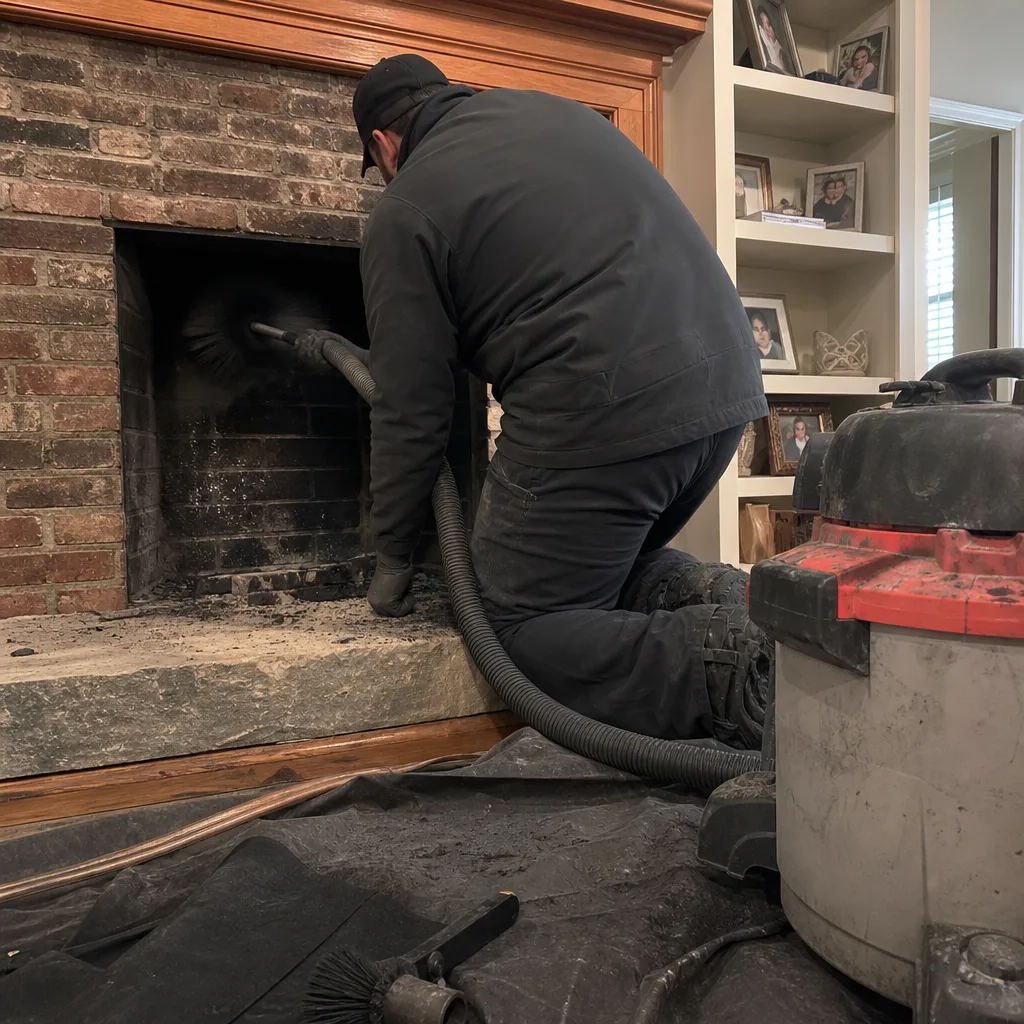 Before
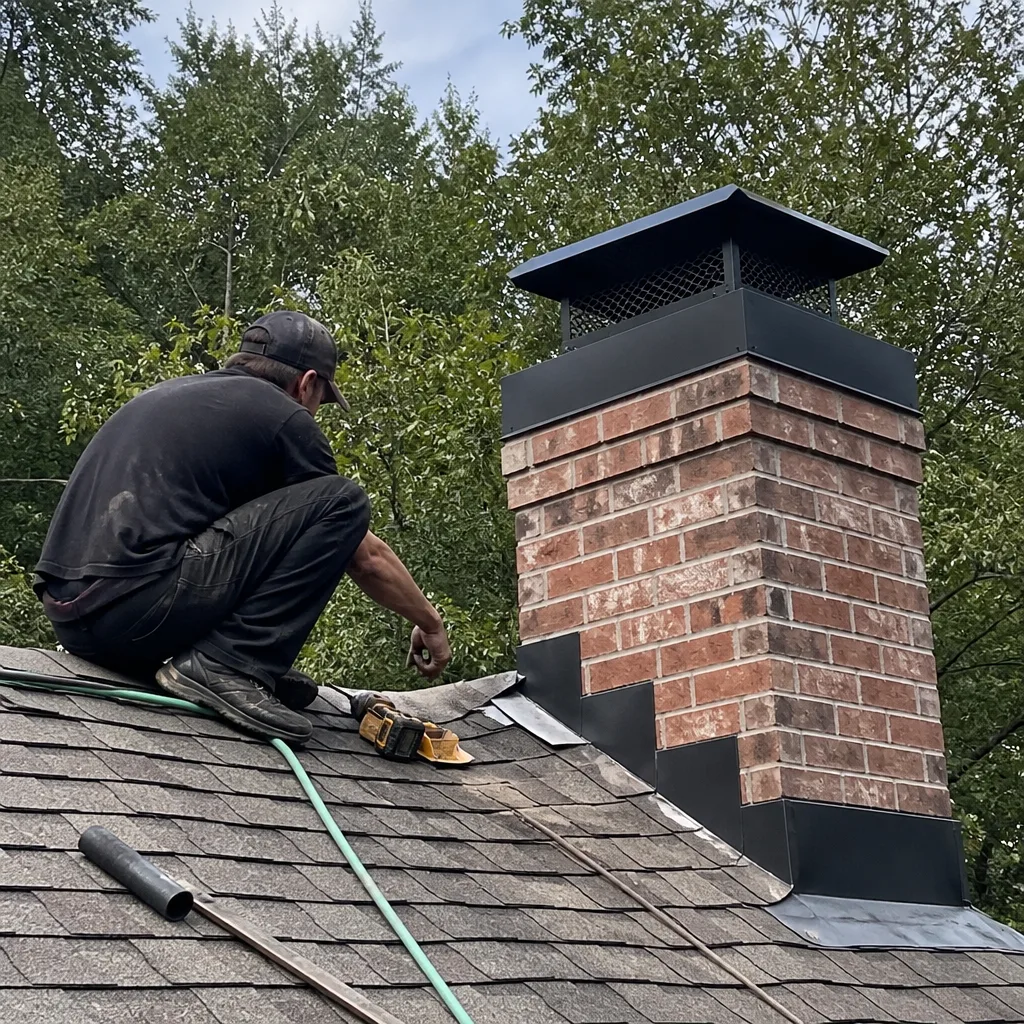 After
After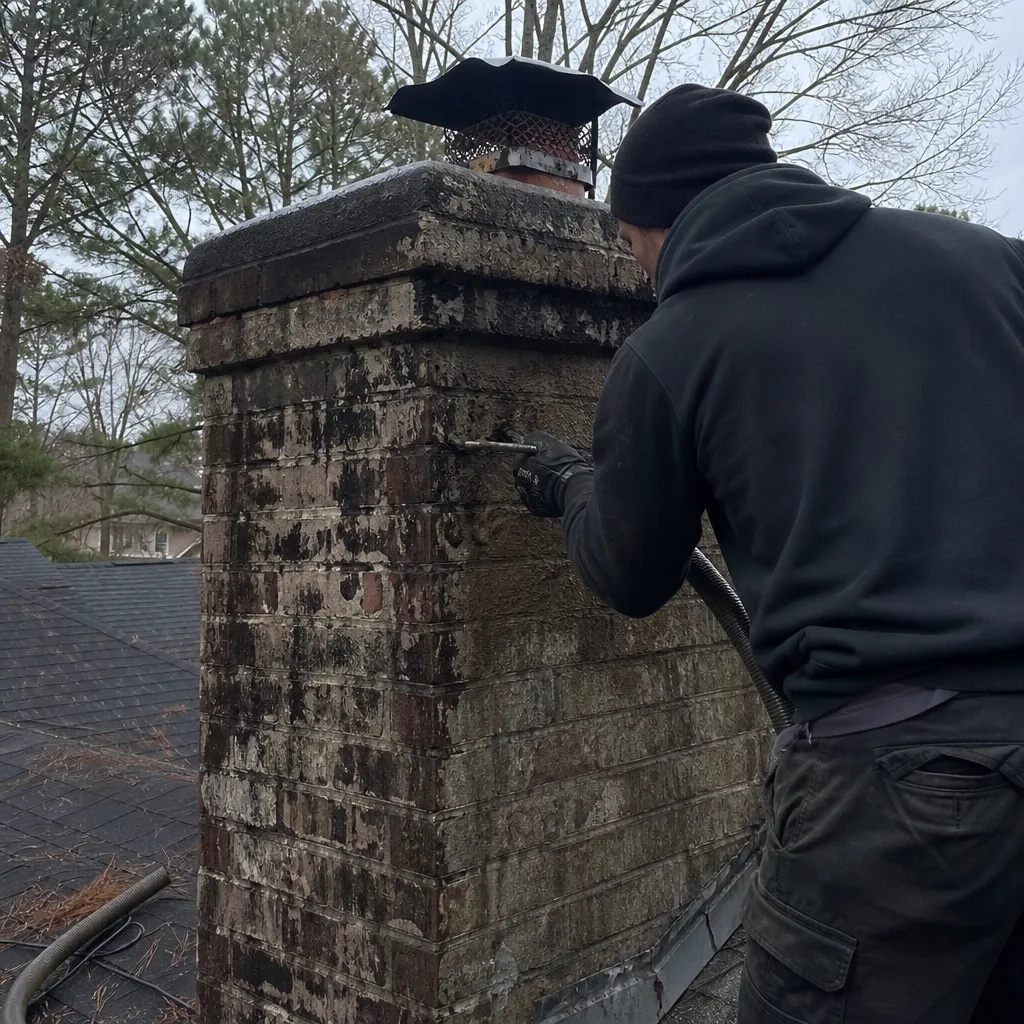 Before
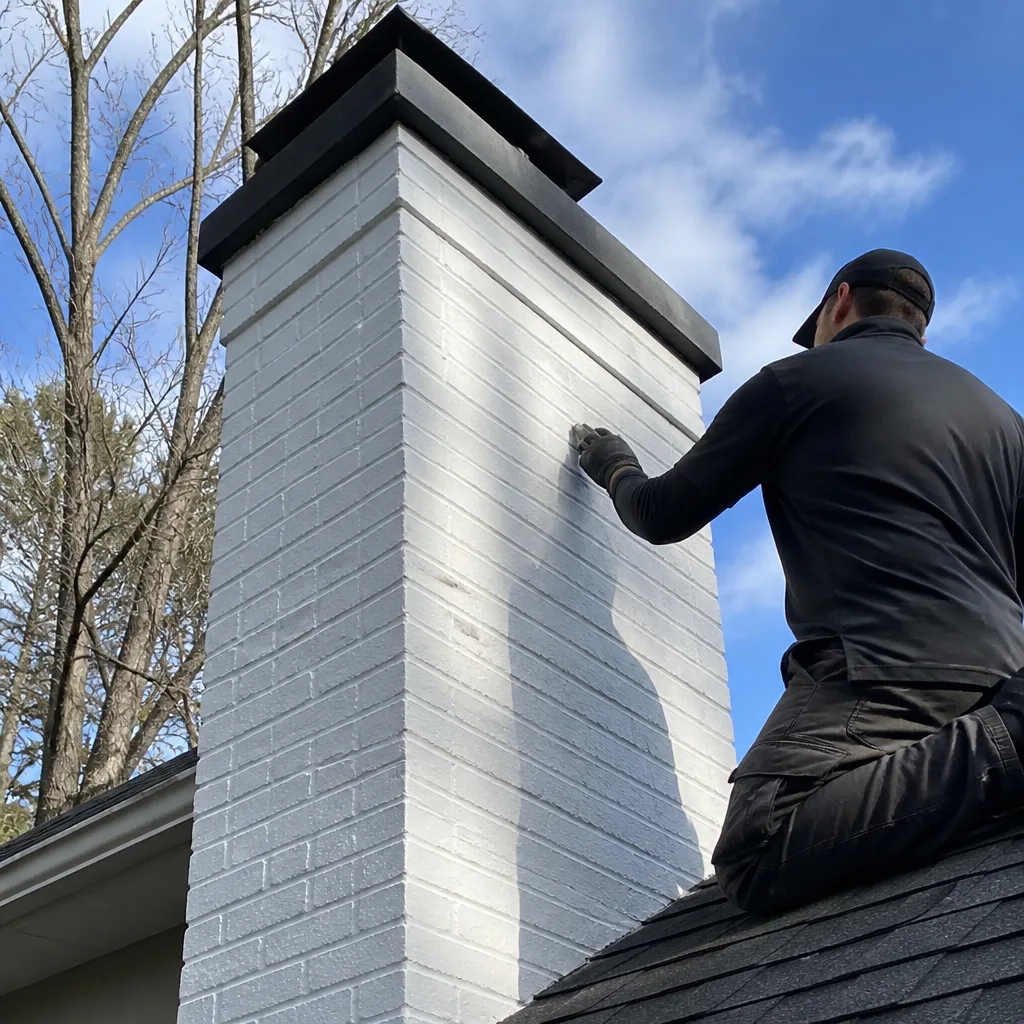 After
AfterCopperfield Flue Liner Replacement: The Atlanta Owner’s Guide
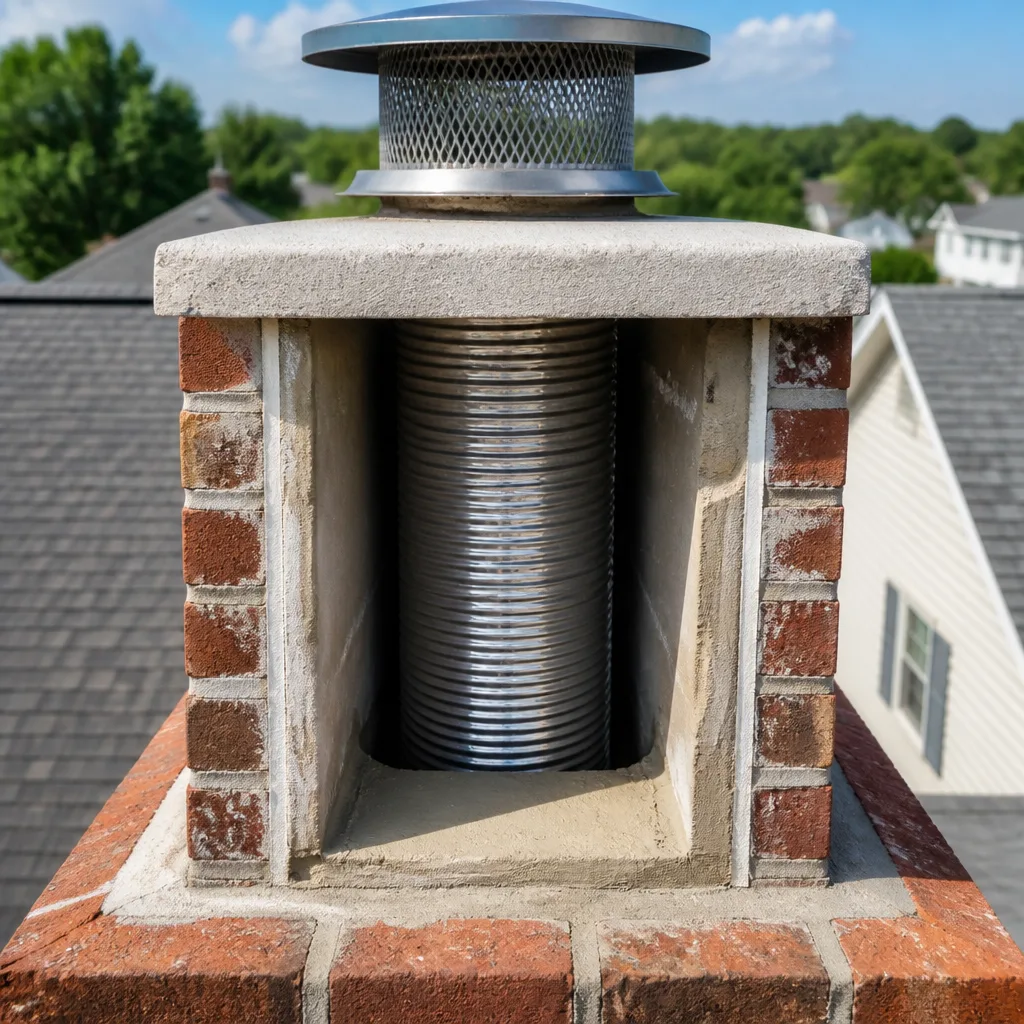
Copperfield flue liner replacement in Atlanta typically runs $2,800-$5,400 installed, depending on liner diameter, chimney height, and whether the chase needs refractory repair. We stock Copperfield-compatible alloy and stainless liners through our Haven buying network, and most replacements are completed in a single day once the written scope is approved. Homeowners usually discover the failure during a sweep when the camera reveals cracked tiles, gaps at the mortar joints, or a liner section that’s dropped below the smoke shelf.
Which Copperfield Models This Applies To
Copperfield has produced chimney liner systems under several series names over the years, and the part you need depends on when it was installed and what fuel it was rated for. The most common we encounter in Atlanta homes are the Copperfield 316Ti stainless flexible liners (2005-2018 production), the earlier 304-alloy rigid sections, and the short-run “Copperfield Pro” flexible kits sold through regional distributors around 2012-2016. The model label is usually stamped on the top termination cap or on a tag at the collar where the liner meets the appliance adapter. If the tag’s gone, we measure inside diameter to the nearest eighth-inch and check wall thickness with a pit gauge, because Copperfield’s 6-inch flexible and 6-inch rigid do not share the same outside diameter, a mismatch that has caused more than one Atlanta homeowner to order the wrong coupling online.
We are not affiliated with Copperfield. We source compatible liners and components through our Haven buying network, which includes DuraFlex, HeatShield, Gelco, and other manufacturers whose specs cross-reference to Copperfield dimensions. In most cases, a quality aftermarket 316Ti flexible liner with a .006-inch wall matches or exceeds the original Copperfield spec at a lower parts cost, which we pass through directly. If your system is still under a manufacturer’s warranty, we’ll note that in writing before quoting, because installing non-OEM parts can void remaining coverage.
Signs Your Copperfield Flue Liner Replacement Is Failing
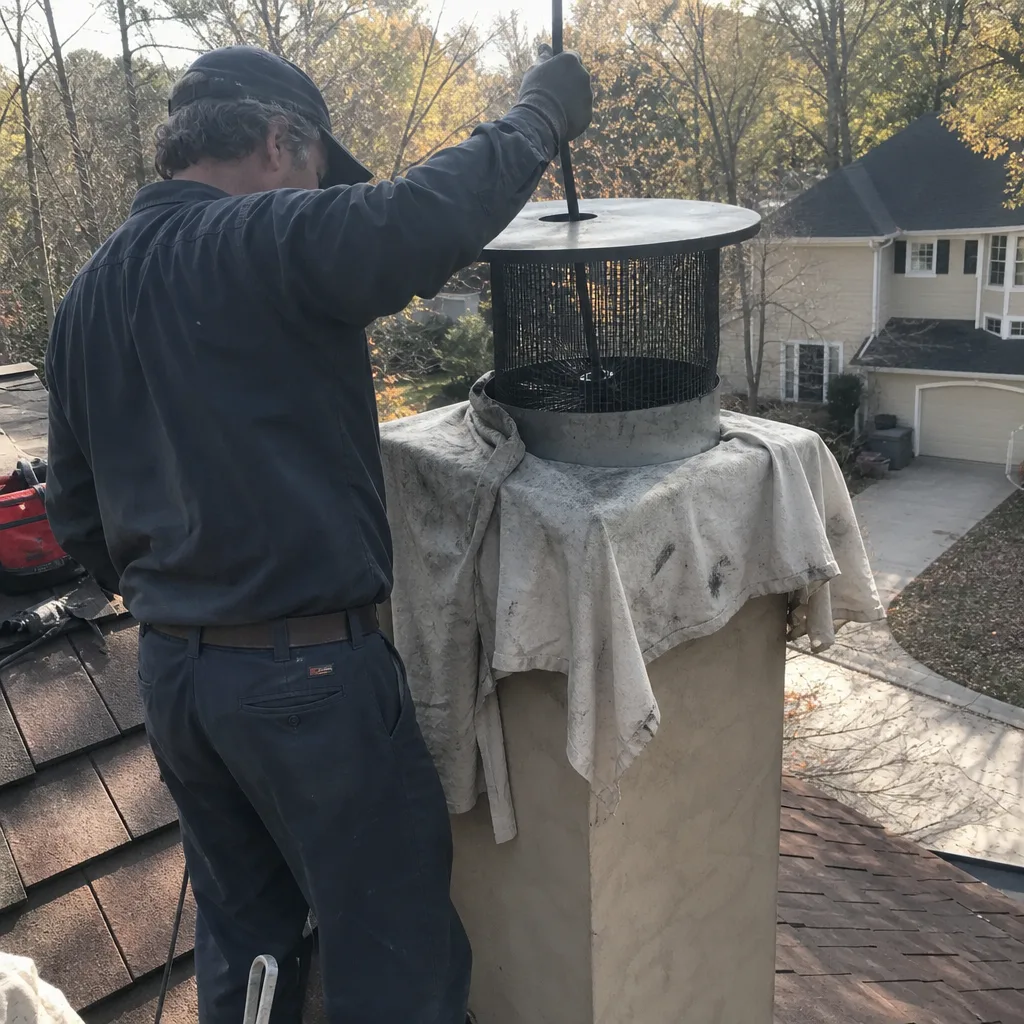
- Flaking tile or spalling clay in the firebox. When pieces of terracotta liner fall into the hearth, it means the original clay flue liner behind the Copperfield retrofit has deteriorated further, often from years of condensation cycling in Atlanta’s humid shoulder seasons. The camera will show whether the Copperfield liner is still structurally intact or has shifted.
- Water staining on the ceiling near the chimney breast. This usually traces to a gap between the Copperfield liner top and the original flue wall, or a failed top-seal storm collar. Georgia’s hard summer rains find every opening, and water accelerates corrosion at the liner collar.
- Smoke or carbon smell in upstairs rooms during a fire. A separated liner joint, corrosion hole, or liner that has settled below the smoke shelf allows combustion gases into the chimney cavity. In Atlanta’s tighter-built homes from the 2015-2025 construction wave, pressure differentials make this more likely than in older, leakier envelopes.
- White efflorescence or greenish corrosion at the cleanout door. This indicates acidic condensate is reaching the exterior of the Copperfield liner, usually from an oversized appliance running below optimal temperature. The liner is doing its job, but not for much longer.
- Your sweep’s camera shows a “shiner” - light visible through the liner wall. That’s a pinhole or crack in the alloy. In Atlanta’s freeze-thaw climate, water enters, expands, and turns a pinhole into a breach within a season or two.
BeforeAfterReplacement Cost & What’s Included
| Scope | Typical Range (Atlanta) |
|---|---|
| Copperfield-compatible flexible liner, 6″ × 25′, basic top and bottom termination | $2,800-$3,600 |
| Liner + chase pan / refractory repair (common in Decatur and Grant Park masonry) | $3,800-$4,800 |
| Liner + full smoke chamber parging + new damper assembly | $4,400-$5,400 |
What drives the range: chimney height above the roofline (a two-story Inman Park Victorian with a steep pitch runs more labor than a ranch in Virginia-Highland), whether the existing liner can be extracted or must be broken and removed in sections, and the condition of the top termination. Every quote we deliver in writing includes the liner spec, labor hours, warranty terms, and a photo record of the existing condition. Clause 1 of the Haven Standard requires it. Materials come through our Haven buying network - DuraFlex, HeatShield, Gelco, Olympia Chimney, Famco, and Copperfield-compatible stock - priced without markup theater.
DIY or Call Us?
There’s a safe middle ground here, and then there’s the part where you need a crew.
What you can check yourself: verify the model tag location, measure your firebox opening, and confirm your fuel type (natural gas, propane, or wood - the liner alloy specification changes). Look for obvious water entry or debris at the top from the ground with binoculars. That’s it.
What goes wrong with DIY liner replacement: the existing liner is often locked in place by creosote glazing or corrosion at the collar, and extracting it without damaging the surrounding masonry takes controlled force and the right extraction tools. More critically, a liner that is not properly sized to the appliance BTU output, or that lacks adequate insulation in an unlined masonry chase, creates a creosote accumulation hazard or condensation failure that won’t show up for a season. NFPA 211 requires a Level 2 inspection with camera documentation after any liner installation. We’ve found more than one homeowner-installed liner in Atlanta that passed the eyeball test and failed the camera scan. The camera doesn’t negotiate - it just shows you what’s there.
We do not recommend DIY for this work. Call (470) 435-7984 and we’ll quote it in writing before anyone schedules.
FAQs
A properly installed 316Ti stainless liner in a wood-burning application typically lasts 15-25 years in Atlanta’s climate, though we’ve seen premature failure at 8-10 years when the appliance was oversized or the chimney uninsulated. Gas applications are easier on the metal but harder on the mortar joints, with 20-year lifespans common. Annual inspection catches the turn before it becomes a breach. Call (470) 435-7984 for a camera inspection - estimates are free.
Localized damage can sometimes be addressed with a stainless repair sleeve or HeatShield cerfractory foam if the breach is accessible and the surrounding liner is sound. We won’t know until the camera goes down. If the damage is below the smoke shelf or involves multiple separated joints, replacement is the only code-compliant fix. We show you the footage and write both options where they exist. Call (470) 435-7984 for an exact quote.
Most Copperfield liner replacements are completed in one day, with a second half-day if refractory or chase pan work is included. We schedule when the materials are on the truck, not before. You’ll get a written scope, a written price, and a named technician under Haven Standard Clause 1. Call (470) 435-7984 to book.
We stock 316Ti flexible liners in the common diameters through our Haven buying network, including Copperfield-compatible sizes. Unusual diameters or rigid-section replacements typically arrive within two business days. We don’t collect a deposit until the parts are in hand and the written quote is approved. Call (470) 435-7984 to confirm availability for your chimney size.
Written by Corrine Halstead, Owner, Level Two Chimney Atlanta at Level Two Chimney Atlanta, serving Atlanta and nearby areas.