
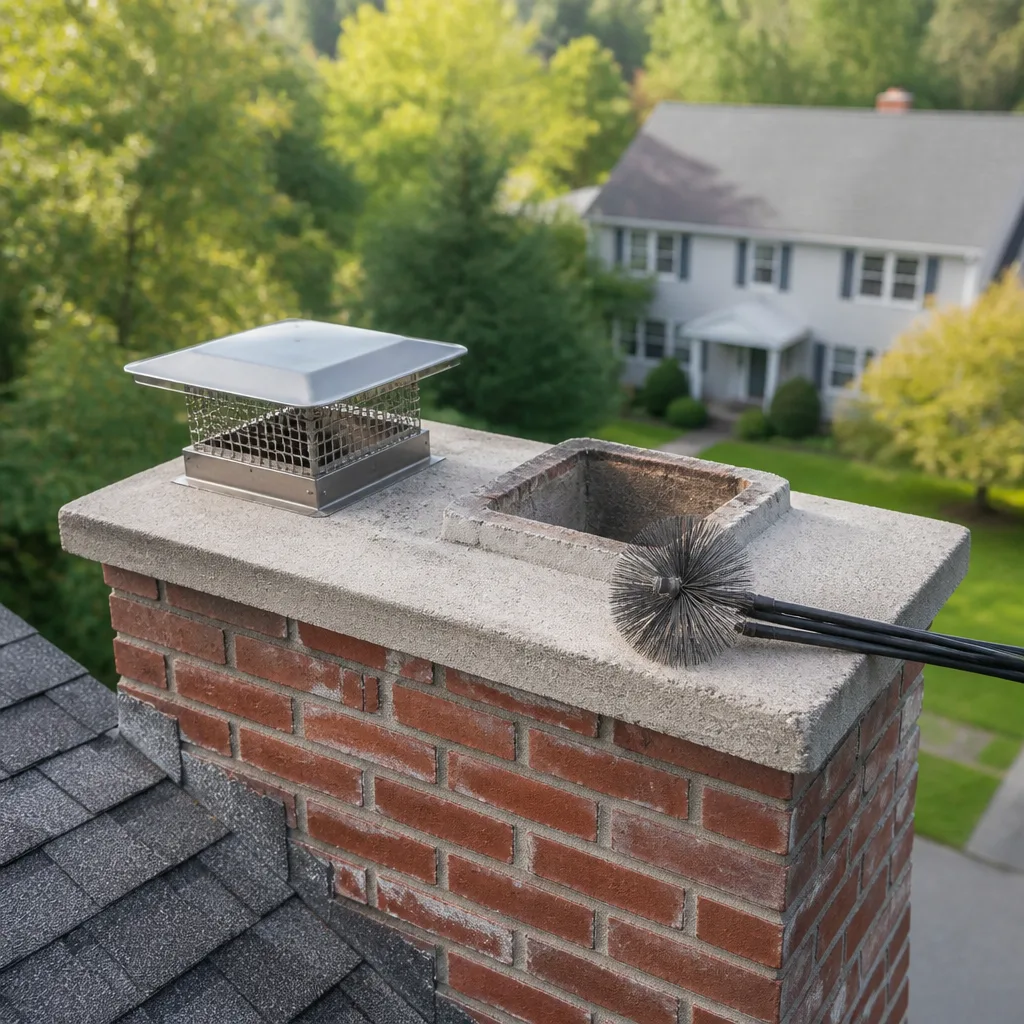
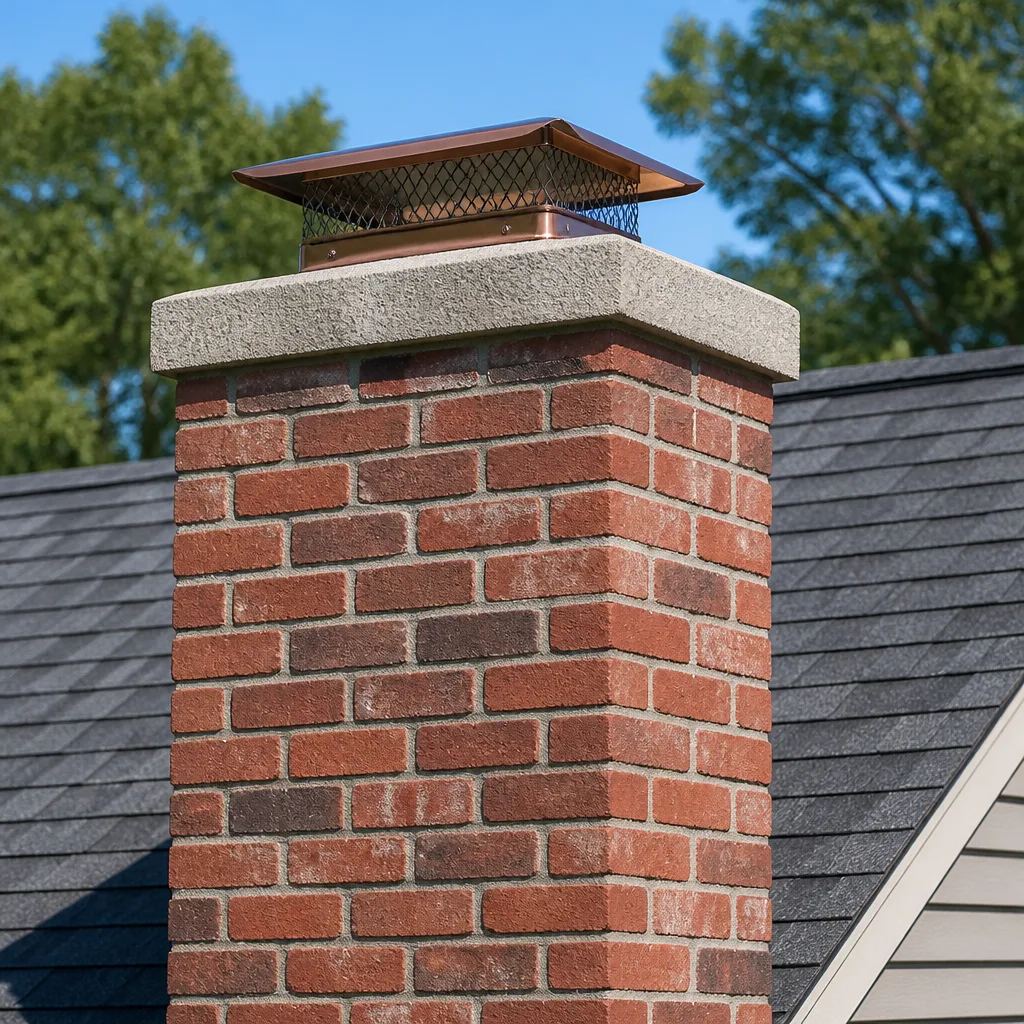
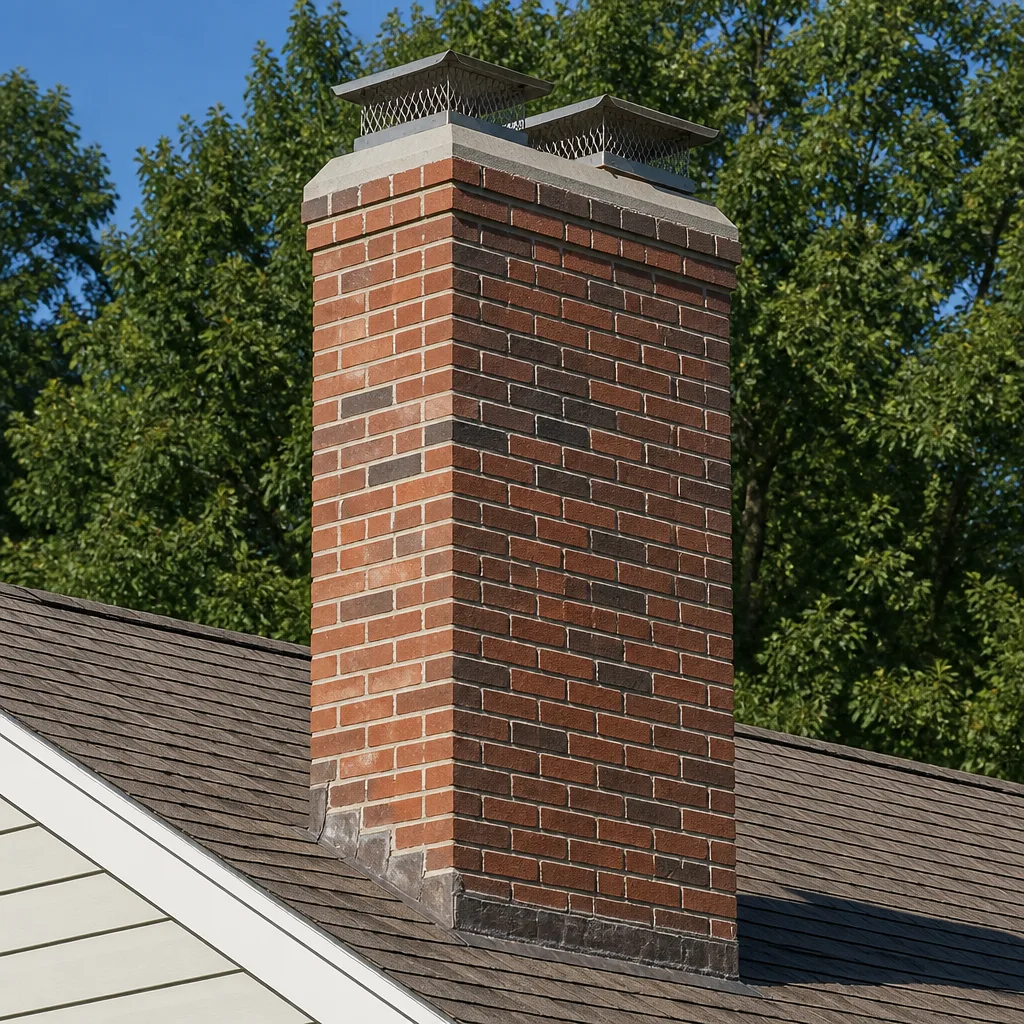
Level 1 sweep and inspection to the NFPA 211 annual standard - flue, crown, cap, and flashing checked and photographed
Chimney sweep logs do not sweep chimneys. They loosen some creosote - which then falls where a brush and vacuum still have to collect it.
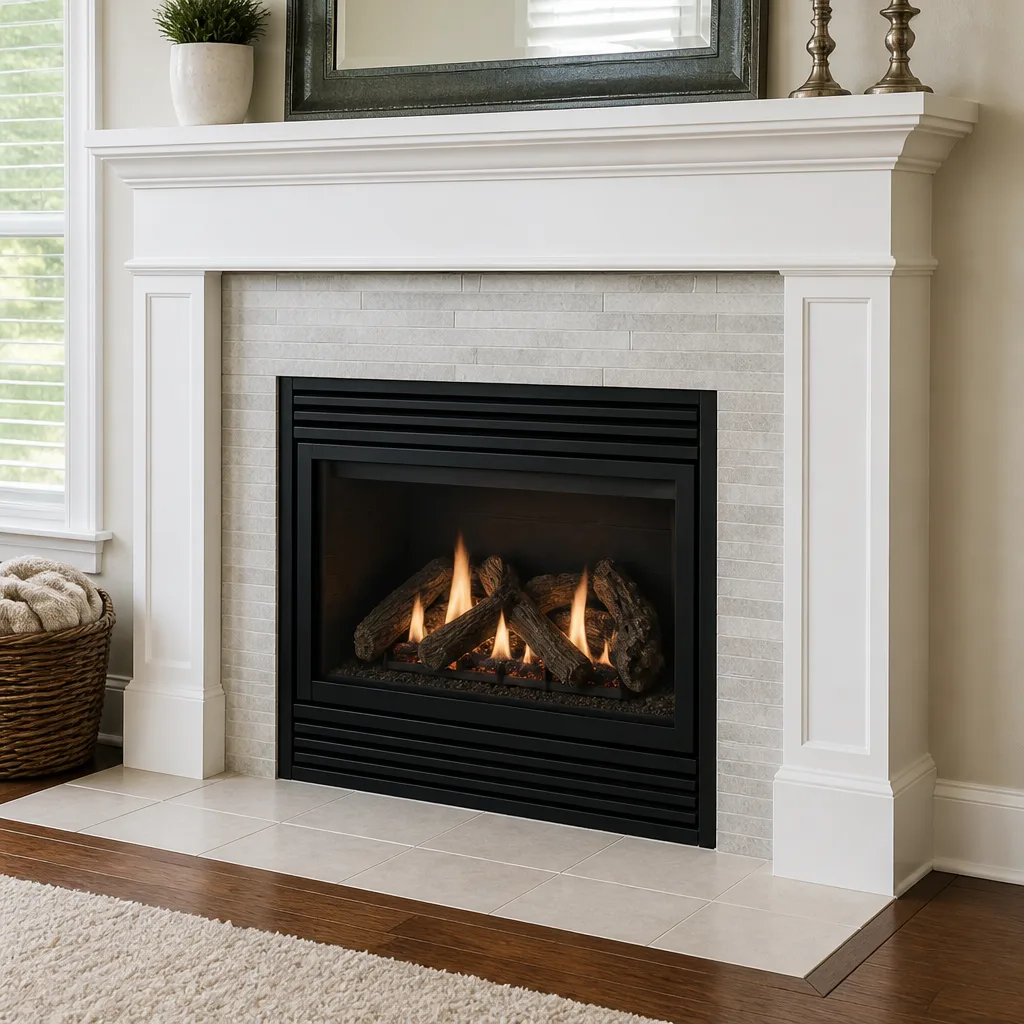
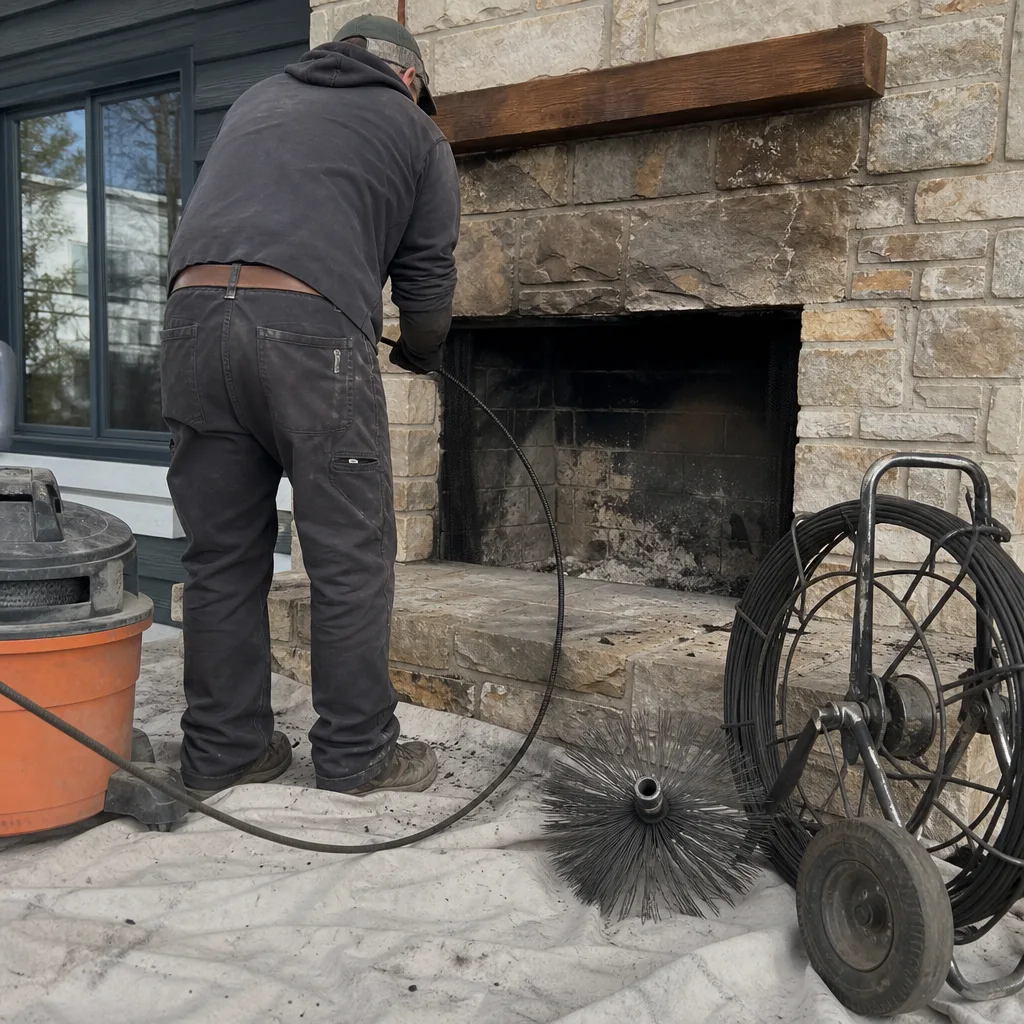 Before
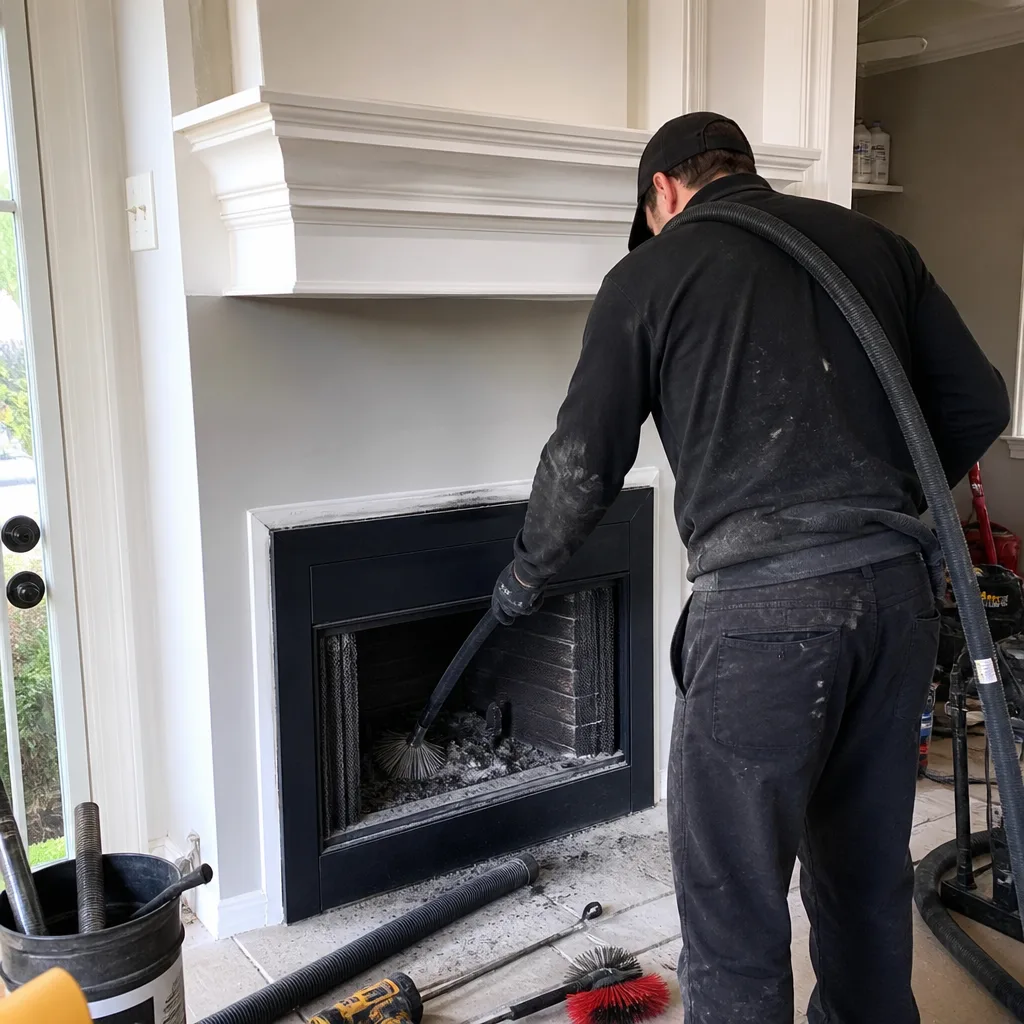 After
After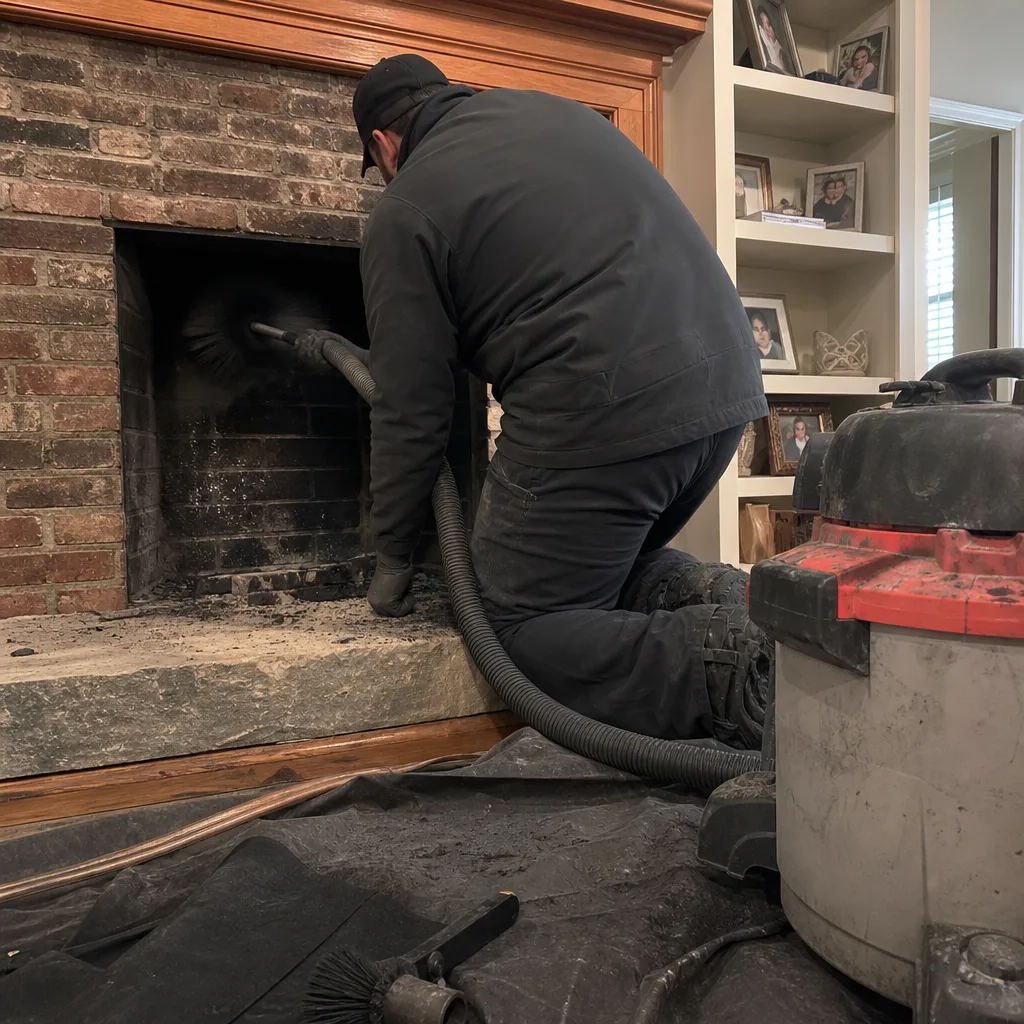 Before
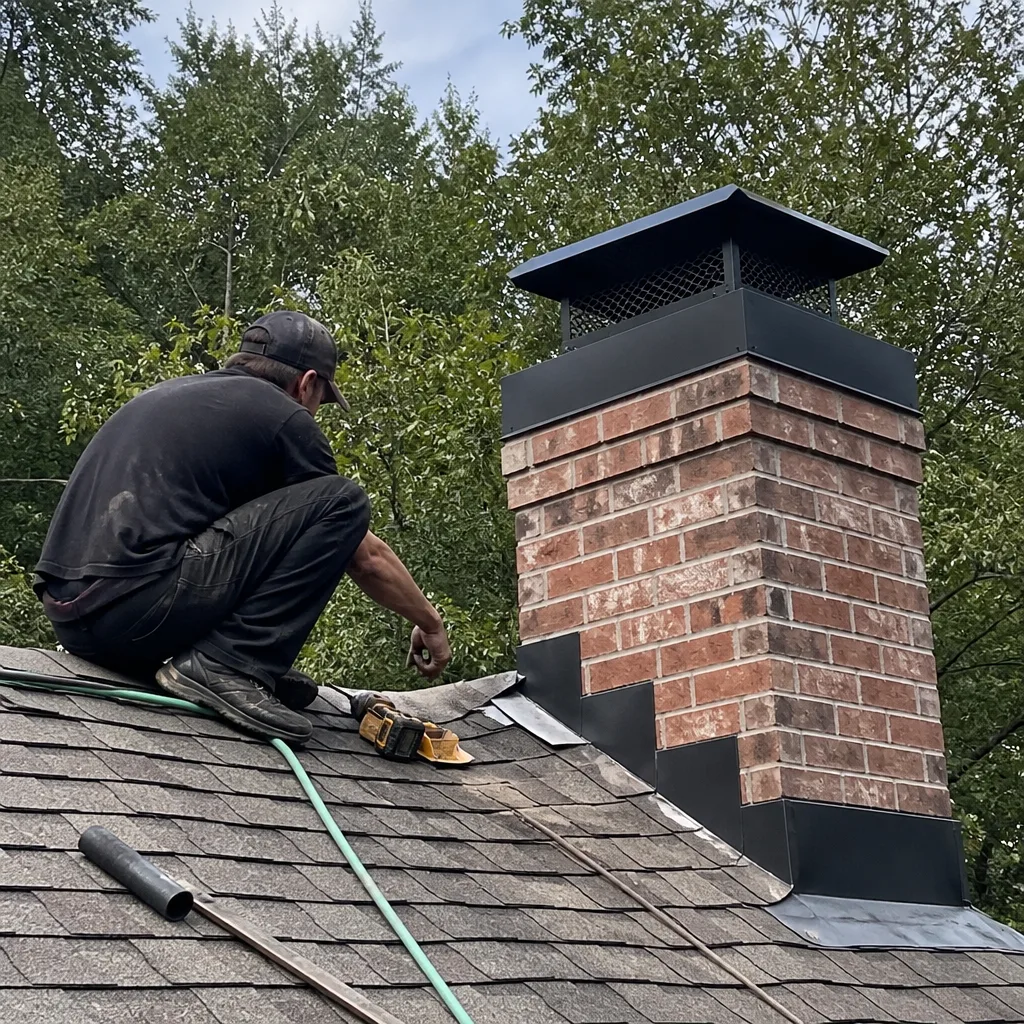 After
After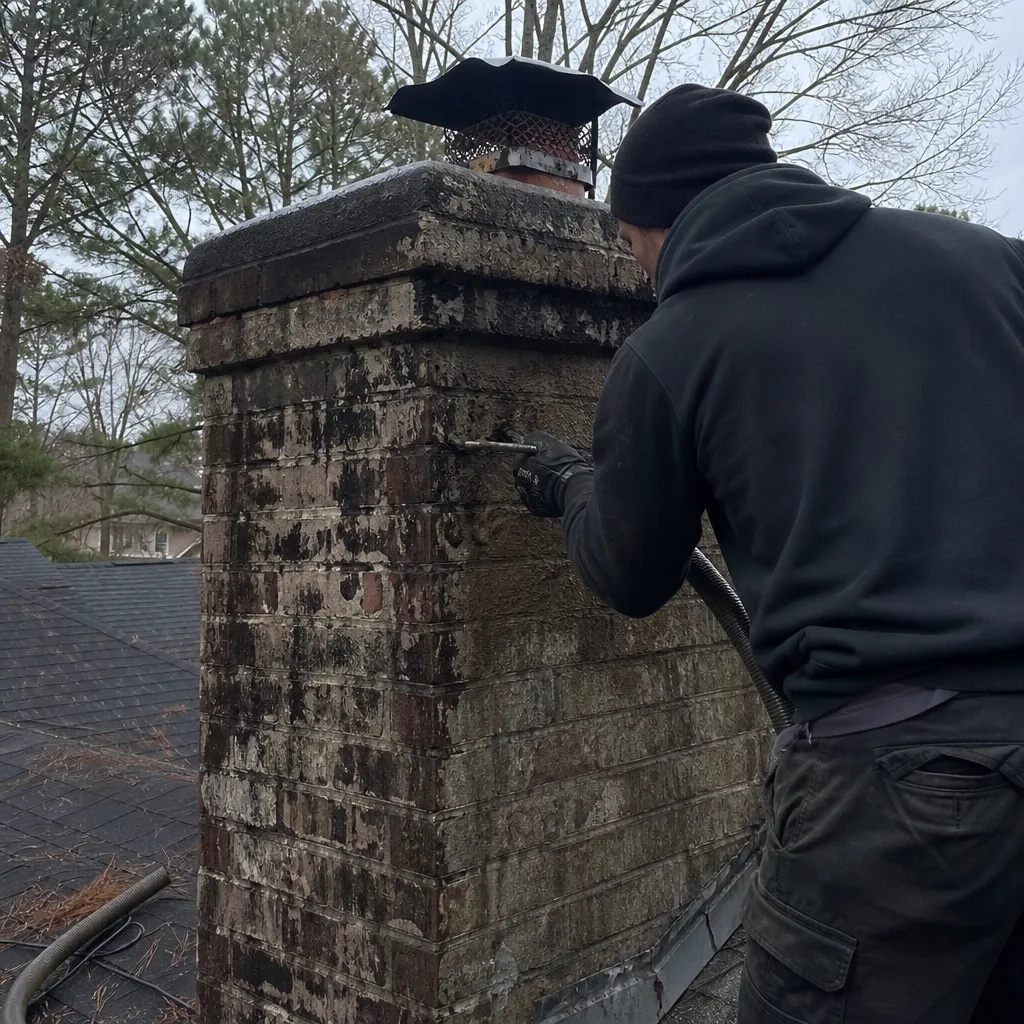 Before
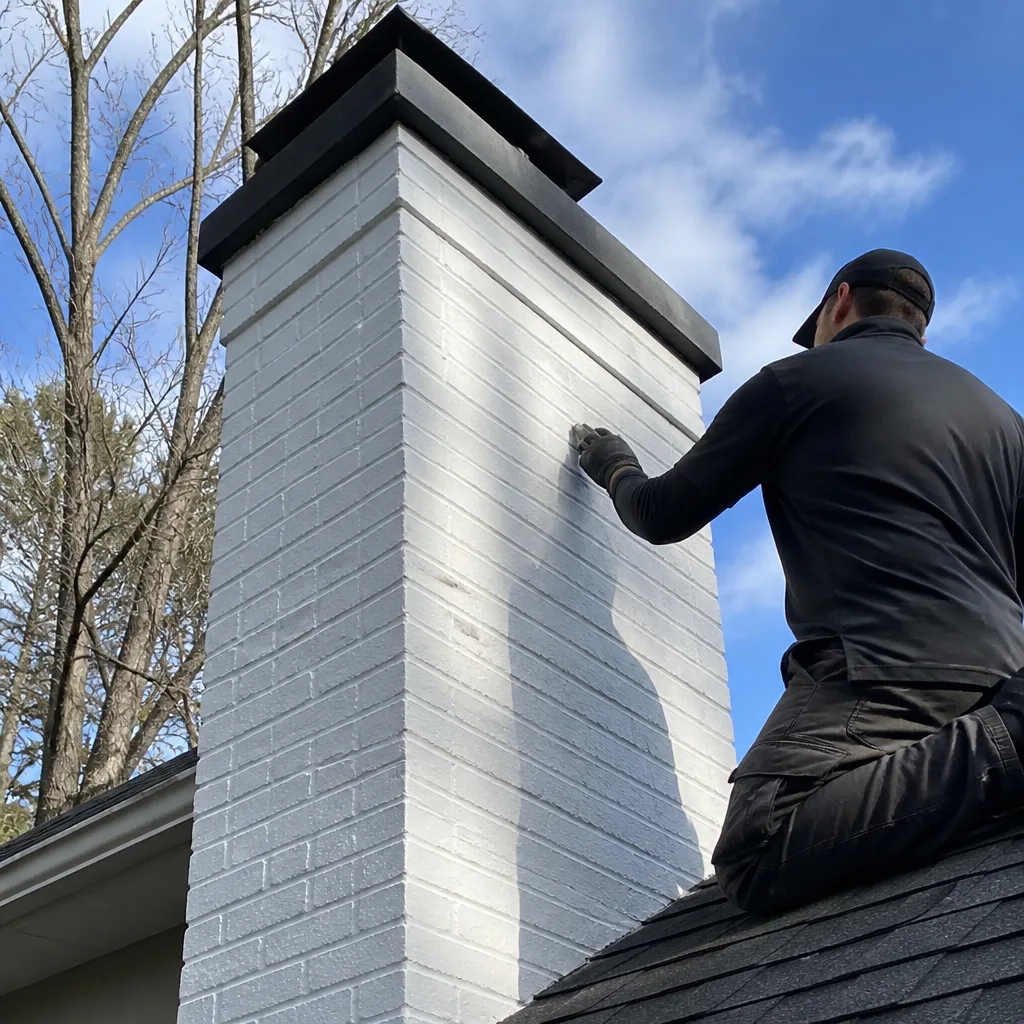 After
AfterCreosote Removal in Atlanta, GA
Creosote removal in Atlanta typically costs between $180 and $850, depending on how heavily the deposit has built up and which removal method the flue requires. Most standard Chimney Cleaning & Sweep services with light-to-moderate creosote are finished in a single visit. When a flue is coated with Class III glazed creosote, a second chemical treatment session is usually needed before the rotary tools can finish the job safely.
If your fireplace has not been cleaned after more than five or six uses this season, or if you have ever seen a dark, tar-like residue around the damper, creosote is almost certainly present. At Level Two Chimney Atlanta, we have been documenting exactly what we find – with a camera down the flue and a written report – since 2009. We do not quote creosote removal over the phone before we have seen the flue, but we do publish the price ranges on this page so you know what to budget before anyone walks through your door. Call us at (470) 435-7984 and a live person will pick up.
Our Chimney Cleaning & Sweep in Atlanta service is the parent service this page lives under. Creosote removal is part of a full chimney sweep when it is needed, not an upsell tacked on at the end of the visit.
What Creosote Is and Why Atlanta Homes See It
Creosote is the condensed byproduct of incomplete combustion. When wood smoke cools before it exits the flue – because the fire was too small, the wood was wet, or the draft was weak – the unburned particles stick to the liner walls and harden. Over time, those layers stack up.
The chimney industry grades creosote in three classes, and the class determines how it gets removed:
- Class I (first-degree): A dusty, flaky deposit, usually grey or black. A standard sweep with rotary brushes clears it in one pass.
- Class II (second-degree): Shiny, hard flakes or a crunchy black crust. More abrasive brush work and sometimes a chemical loosening agent are required before the rotary system can finish cleanly.
- Class III (third-degree, glazed): A dense, tar-like or foam-like coating that bonds chemically to the liner surface. Rotary tools alone will not remove it. A two-stage process – chemical application first, mechanical removal second – is the only safe approach.
Atlanta’s climate adds a specific wrinkle. Because winters here are mild compared to the upper Midwest, Atlanta homeowners tend to burn smaller, lower-intensity fires that do not heat the flue to full operating temperature. A cold flue produces more condensation and faster creosote accumulation. In neighborhoods like Buckhead, Decatur, and Brookhaven, where older masonry fireplaces are common and wood-burning is seasonal rather than daily, we regularly find Class II deposits in chimneys that were swept less than two years ago – because the individual fires never got the liner hot enough to draft cleanly. That is not the homeowner’s fault; it is just how masonry chimneys behave in a temperate climate with intermittent use.
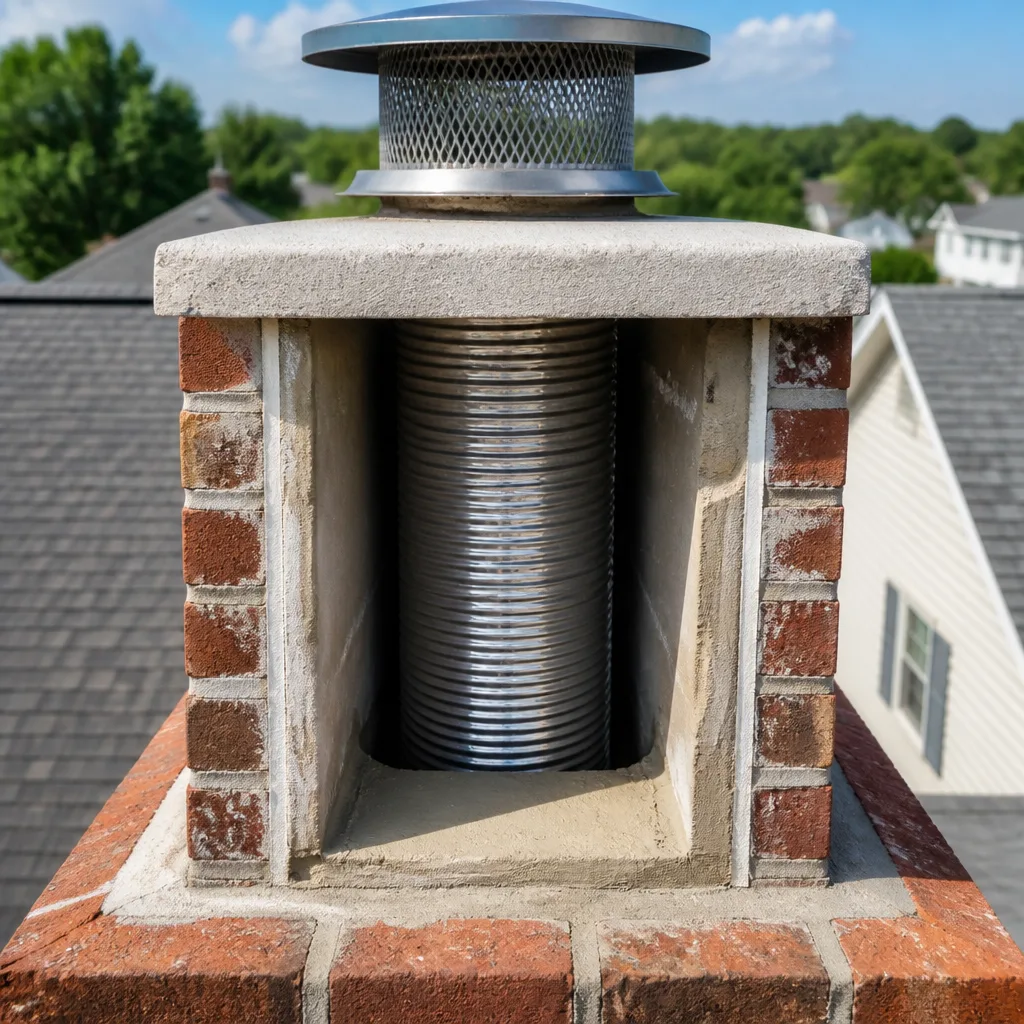
One more Atlanta-specific factor: a significant share of homes in Druid Hills, East Atlanta, and Virginia-Highland were built between 1920 and 1960 with unlined or clay-tile flues that have narrow cross-sections. Narrower flues accumulate creosote faster, restrict the draft that would otherwise help keep deposits light, and are harder to clean without the right rotary equipment. We account for liner dimensions before we quote.
When You Need Creosote Removal
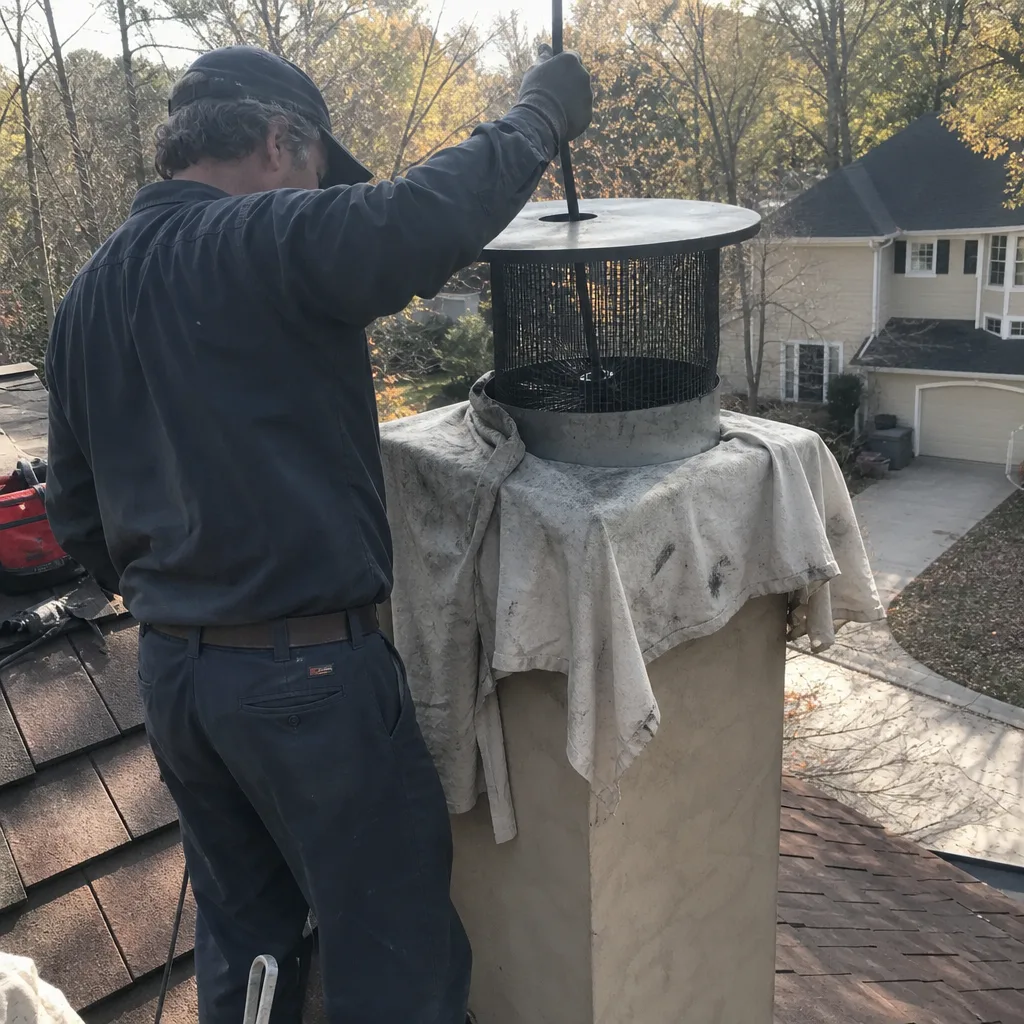
- You smell smoke in the room during a fire. Restricted draft from creosote buildup is one of the most common causes of smoke rollout into the living space. If the flue is partially blocked by a glazed creosote layer, combustion gases have nowhere to go but back into the room.
- Your last inspection was more than 12 months ago. The NFPA 211 standard recommends annual inspection and cleaning for any chimney in active use. Atlanta winters are short, but a few cords of firewood burned between November and March is enough to build a meaningful deposit.
- You can see a dark, oily residue or heavy black flaking at the damper. Both are visual indicators of Class II or Class III creosote. You do not need a camera to spot either one – though the camera will tell you how far up the flue it extends.
- Your home had a chimney fire. A chimney fire can fuse creosote to the liner surface and create a layer that looks removed after a standard sweep but is not. A Level 2 camera inspection is the only way to confirm the liner is clean and undamaged after a fire event.
- You burn wood frequently during Atlanta’s cold snaps. Rapid, repeated fires during the short cold windows in January and February – especially with wood that has not been seasoned for at least a year – produce heavier deposits than slow, consistent burning through a long season.
- You are selling or buying a home with a wood-burning fireplace. Lenders and home inspectors increasingly require a Level 2 chimney inspection as part of the closing process. Documenting that the flue is clear of creosote – with photos – protects both buyer and seller.
BeforeAfterOur Creosote Removal Process
- Camera scan before anything else. A technician runs a camera down the full length of the flue – from firebox to crown – before a single brush is loaded. This tells us the creosote class, the liner condition, any cracks or spalling, and the exact zone where the heaviest deposit sits. You see the footage. We record it. This is Clause 4 of the Haven Standard, and it has been our default process since 2009.
- Written price before any work starts. After the camera scan, the technician presents a written price, a written scope, and a written warranty. If you are not satisfied with the price, you are under no obligation. This is Haven Standard Clause 1 – have it in writing, always.
- Chemical pre-treatment for Class II and Class III deposits. If the camera shows glazed or hardened creosote, we apply a chemical loosening agent before any mechanical work begins. This step is critical. Attempting to scrape off a chemically bonded Class III deposit with rotary tools alone can fracture a clay-tile liner or gouge a stainless steel flue. The chemistry does the separating; the tools do the clearing. This is not a shortcut – it is the correct sequence.
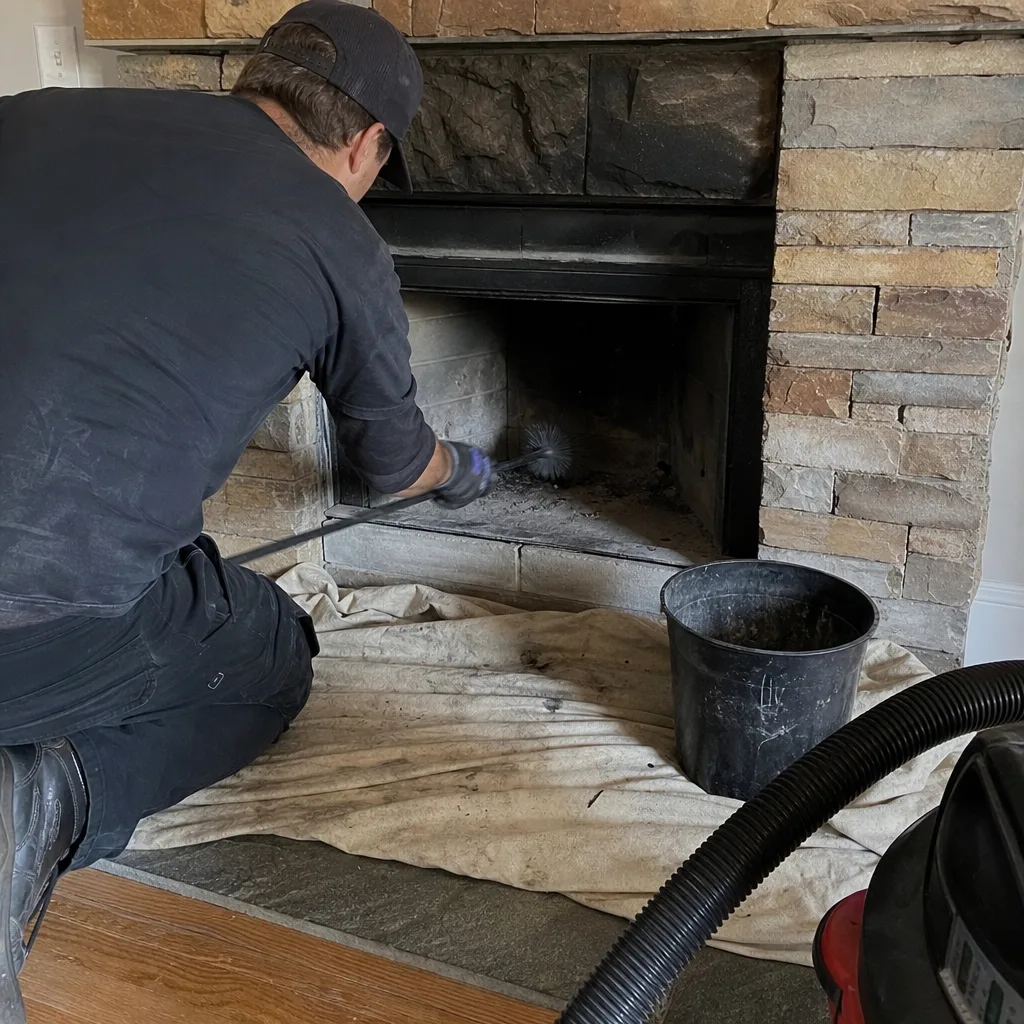
- Rotary brush cleaning under negative pressure. We run rotary polypropylene brushes through the flue system while a high-efficiency vacuum holds the firebox under negative pressure. Creosote debris falls into the vacuum, not into your living room. Tarps go down before equipment comes in, and they come up clean when we leave.
- Post-cleaning camera confirmation. After cleaning, the camera goes back down the flue. The before and after footage sits side by side in your documented photo record. If there is residual deposit, you see it on screen before we close the job.
- Written summary and photo record delivered to you. Every customer walks away with a written job record: what was found, what was done, the before-and-after camera images, and the written warranty. That record is yours – useful for insurance documentation, resale disclosure, or just knowing the job got done.
A safety note: Class III glazed creosote removal involves chemical agents and rotary mechanical tools that can damage an already-compromised liner if applied without first confirming liner integrity. This is not a job for a shop-vac and a hardware-store brush. If a competitor has quoted you creosote removal without mentioning a camera scan or a chemical pre-treatment step for heavy deposits, ask them specifically how they handle glazed buildup. The answer will tell you a great deal.
Creosote Removal Pricing in Atlanta
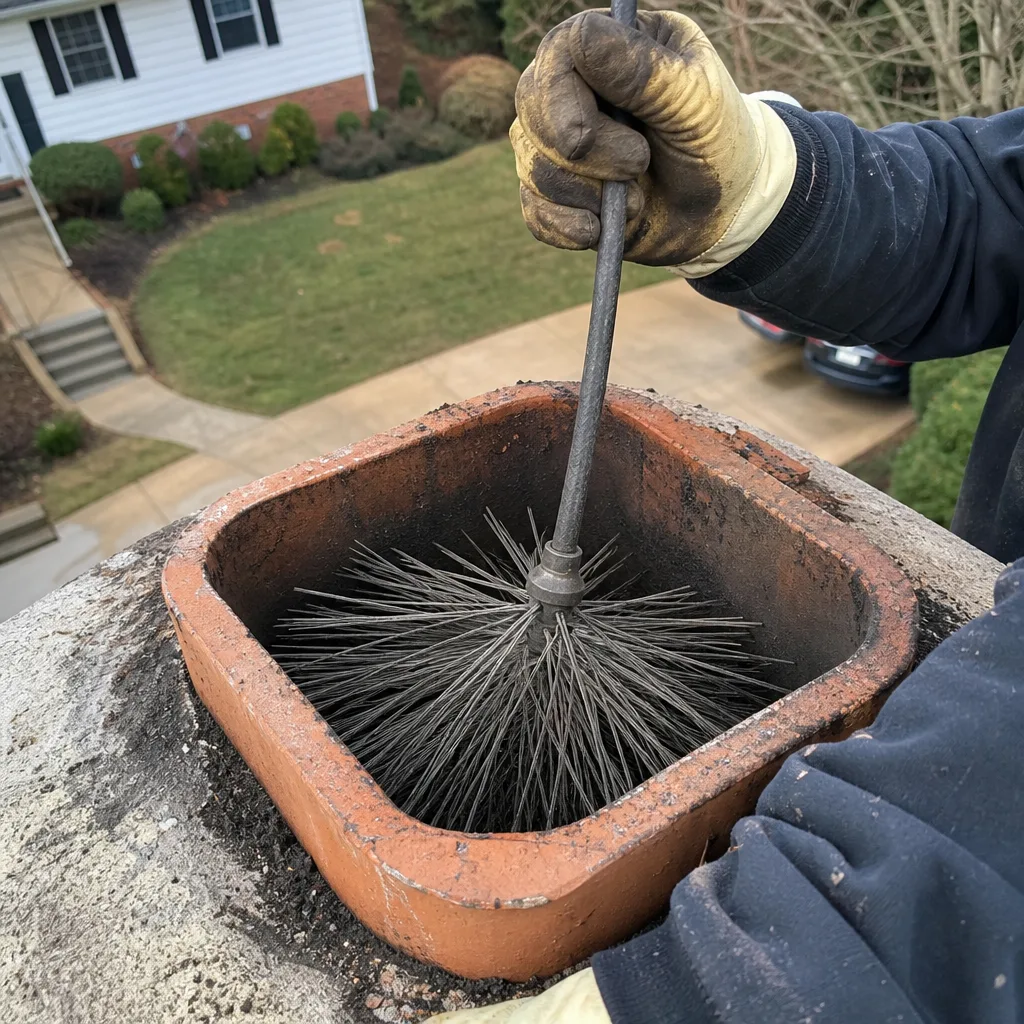
Atlanta creosote removal pricing depends on three things: the creosote class found during the camera scan, the liner type (clay tile, cast-in-place, or stainless steel flex), and the height and accessibility of the flue. Here is how those factors translate to dollar ranges:
| Service | Typical Price Range | Notes |
|---|---|---|
| Standard sweep + Class I creosote removal | $180 – $280 | Single visit, rotary brushes, camera included |
| Class II creosote removal (hard deposits) | $280 – $450 | Chemical loosening agent + rotary cleaning, camera before and after |
| Class III glazed creosote removal (two-stage) | $450 – $850 | Chemical application, return visit for mechanical removal, full camera documentation both sessions |
| Free Second Opinion | $0 | Bring us any competitor’s written estimate – we’ll review it at no charge |
What we do not do: quote a flat “chimney sweep” rate on the phone before the camera has confirmed what class of creosote is present, then surprise you with a higher number once the technician is in your home. The price on this page is the range. The written quote you receive after the camera scan is the price. Those two numbers should be consistent, and if they are not, you should ask why.
Every job at Level Two Chimney Atlanta is backed by the 365-Day Done Right Promise: if it is not done right, we make it right. That promise is written on every job, not just stated on this page.
If you have a written quote from another company, bring it to us. Our Free Second Opinion offer covers any written estimate – we will tell you what it covers, what it misses, and what the same scope costs us to do properly.
FAQs – Creosote Removal
How often does creosote need to be removed from an Atlanta chimney?
Annual cleaning is the right interval for any chimney in active use, according to NFPA 211. In Atlanta specifically, where fires tend to be smaller and less frequent than in colder climates, creosote can still accumulate to Class II levels within a single season if the wood was not well-seasoned or the fires were consistently low-temperature. If you burned more than half a cord of wood last winter, a Level 1 Inspection with a camera scan at the start of the next season will tell you exactly where the deposit stands. Call (470) 435-7984 and we can schedule an inspection – no cleaning fee is owed until a written price is agreed to.
Is Class III glazed creosote dangerous?
Yes, directly and specifically. Glazed creosote is highly flammable – it burns at temperatures exceeding 2,000 degrees Fahrenheit and is the primary fuel source in chimney fires. A chimney fire can crack a clay-tile liner, warp a stainless steel liner, and transfer enough heat through the masonry to ignite framing inside the wall cavity. This is not a slow-building theoretical risk; it can happen in a single fire event. Class III creosote should be treated as an active hazard and scheduled for removal before the fireplace is used again. If you are unsure what class is present in your flue, that is exactly what a Level 2 Inspection with a camera scan is for.
Can I use a creosote removal log instead of a professional cleaning?
Creosote-dissolving logs sold at hardware stores can soften Class I deposits enough to reduce light buildup between professional cleanings – they are not a substitute for mechanical removal. They do not address Class II or Class III creosote in any meaningful way, and they have no effect on cracked liners, animal intrusion, or blockages. The NFPA 211 standard exists because a camera and a trained sweep find things that a combustion product cannot. If cost is a concern, tell us – a written price before work starts is the point, and the camera scan gives us the information to quote honestly.
How long does a creosote removal appointment take in Atlanta?
A Class I removal as part of a standard sweep runs 45 to 90 minutes for most single-story Atlanta homes with a standard 15-foot flue. Class II removal with chemical pre-treatment takes 90 minutes to two hours. Class III glazed creosote requires two separate appointments: the first for chemical application (roughly 30 to 45 minutes), and the second, usually scheduled 48 to 72 hours later, for mechanical removal and final camera confirmation (60 to 90 minutes). A technician will confirm the timeline with you before work begins – and a text is sent when they are on the way, so you are not waiting around guessing.
Key Takeaways
- Creosote removal in Atlanta runs $180 to $850 depending on the deposit class found during the camera scan.
- Class III glazed creosote requires a two-stage process – chemical pre-treatment first, mechanical removal second. Single-pass brush cleaning is not sufficient and can damage the liner.
- Atlanta’s mild winters and intermittent burning patterns produce creosote faster than many homeowners expect, particularly in older masonry flues common in Buckhead, Decatur, and Druid Hills.
- Every Level Two Chimney Atlanta job includes a camera scan before and after, a written price before work starts, a documented photo record on completion, and the 365-Day Done Right Promise.
- A Free Second Opinion is available on any written competitor estimate, at no charge.
- Live phone support is available 24/7 at (470) 435-7984.
Schedule Your Creosote Removal in Atlanta
If your fireplace has been used this season and has not been inspected, the camera will show you exactly what is there – and the written price will show you exactly what removal costs before anyone picks up a tool. That is how every job works at Level Two Chimney Atlanta, and it has been since 2009. We have inspected and cleaned more than 38,000 chimneys across Atlanta under that same standard, every one with a written price before work started and a documented photo record when it was done.
To schedule a camera scan and get a written creosote removal quote, call (470) 435-7984. A live person answers around the clock. If a competitor has already given you a written estimate, bring it – our Free Second Opinion costs you nothing and gives you a direct comparison. You can also learn more about what a full cleaning visit involves on our home page.
Written by Corrine Halstead, Owner at Level Two Chimney Atlanta, serving Atlanta since 2009.