
Level 1 sweep and inspection to the NFPA 211 annual standard - flue, crown, cap, and flashing checked and photographed
Chimney sweep logs do not sweep chimneys. They loosen some creosote - which then falls where a brush and vacuum still have to collect it.
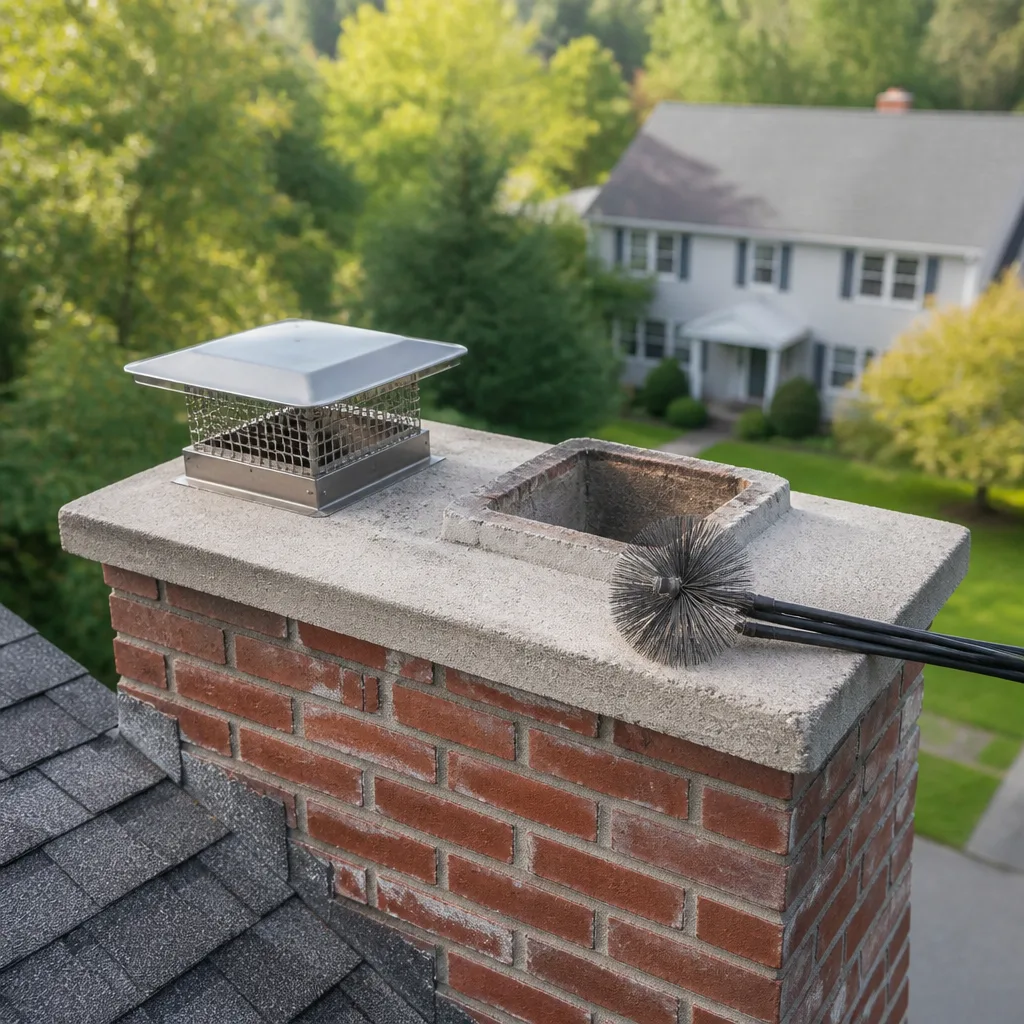
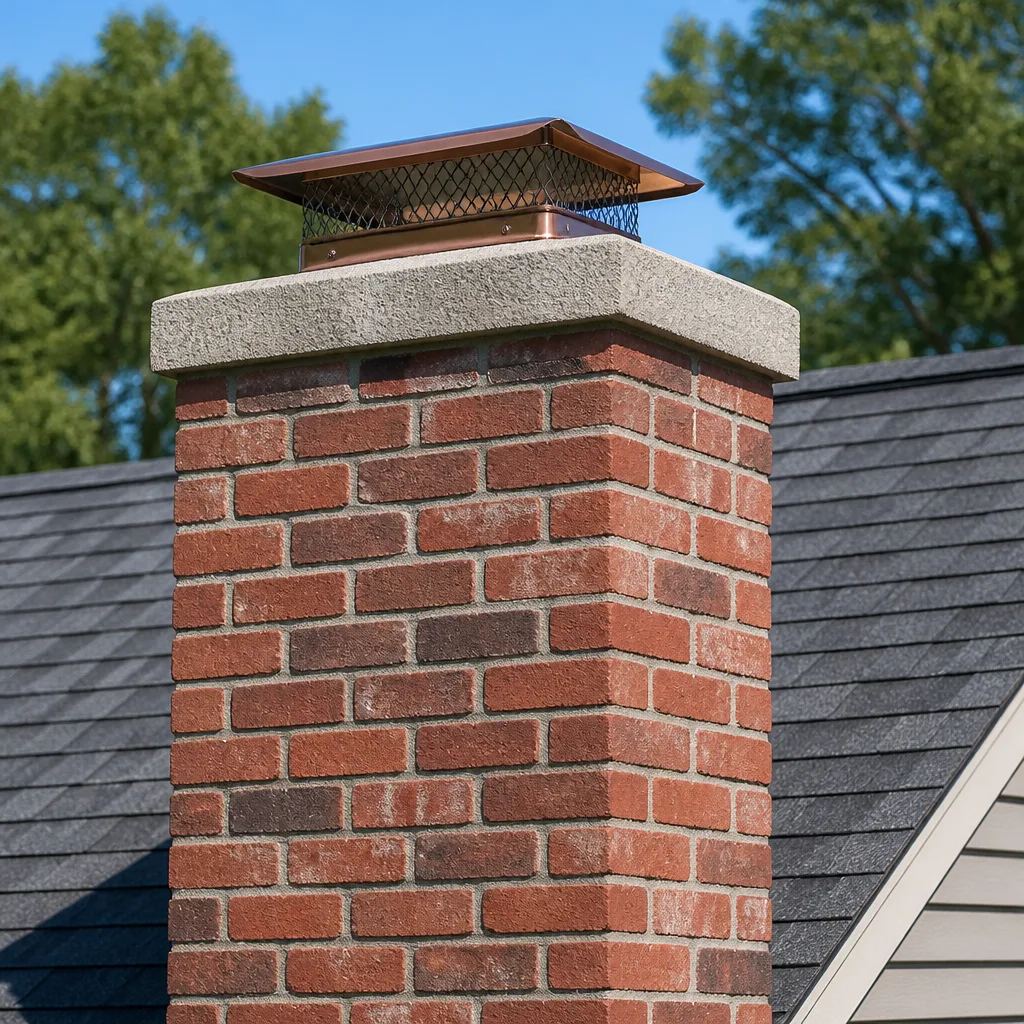
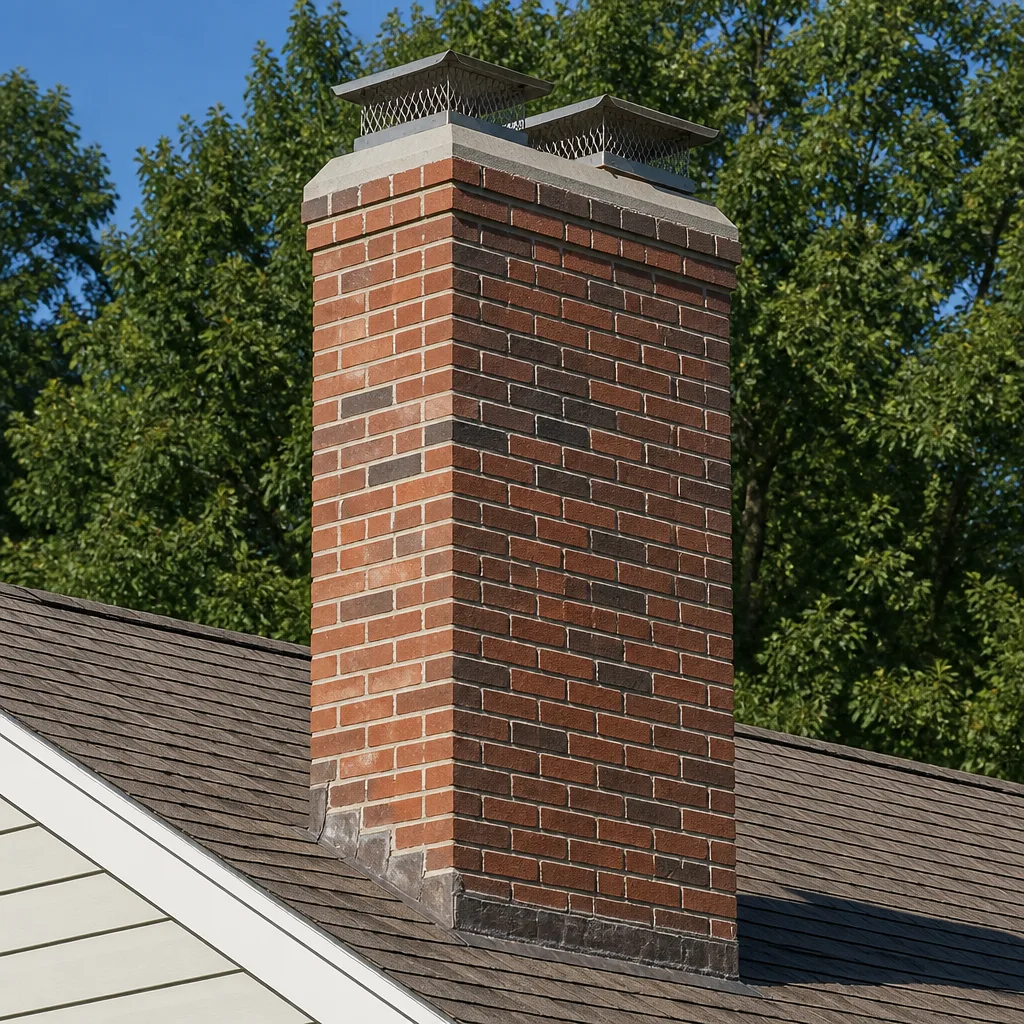
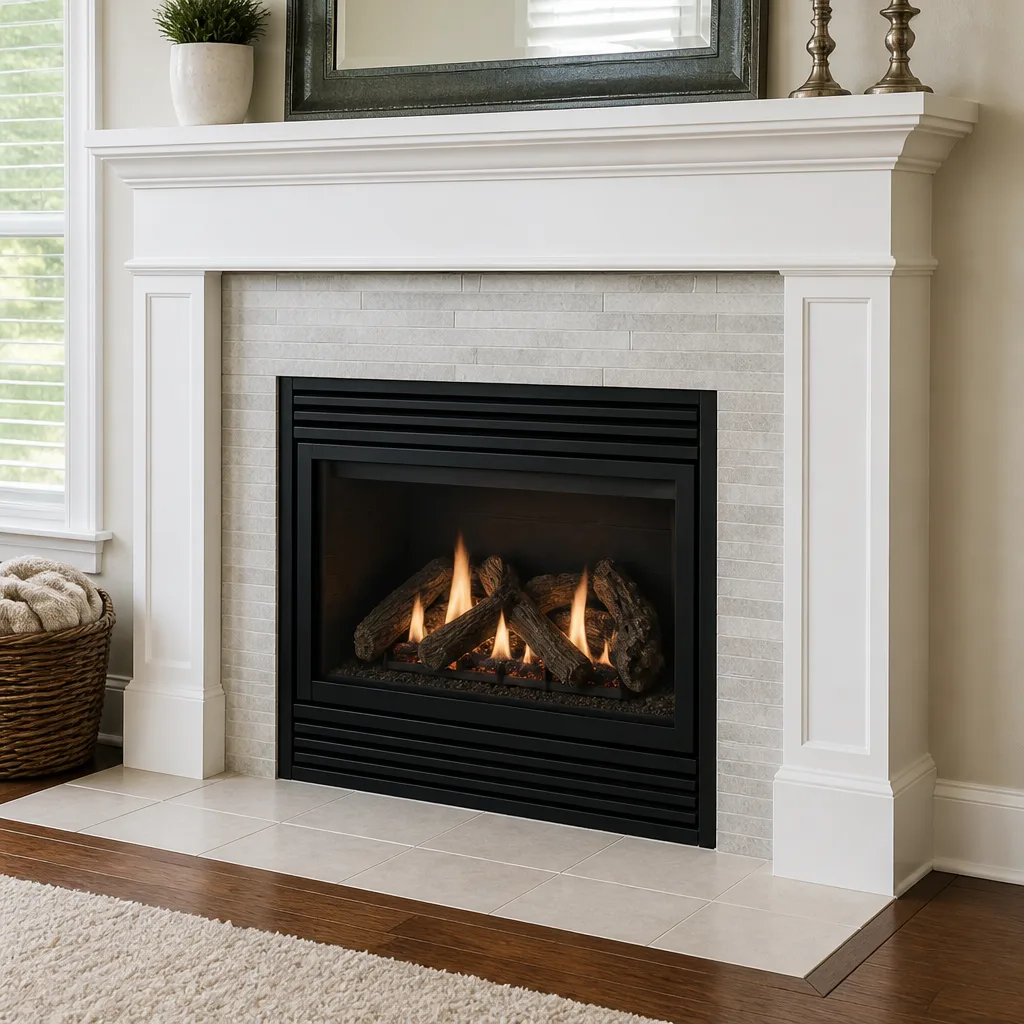
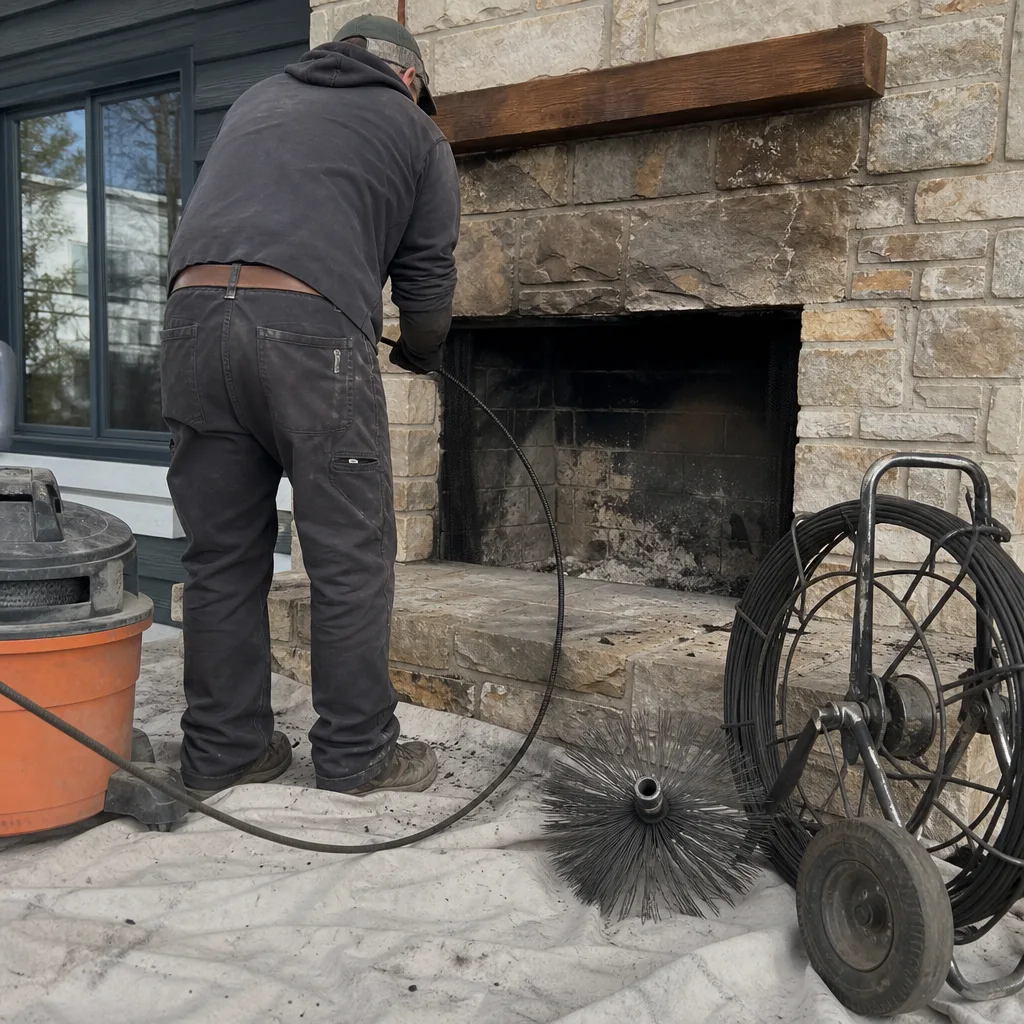 Before
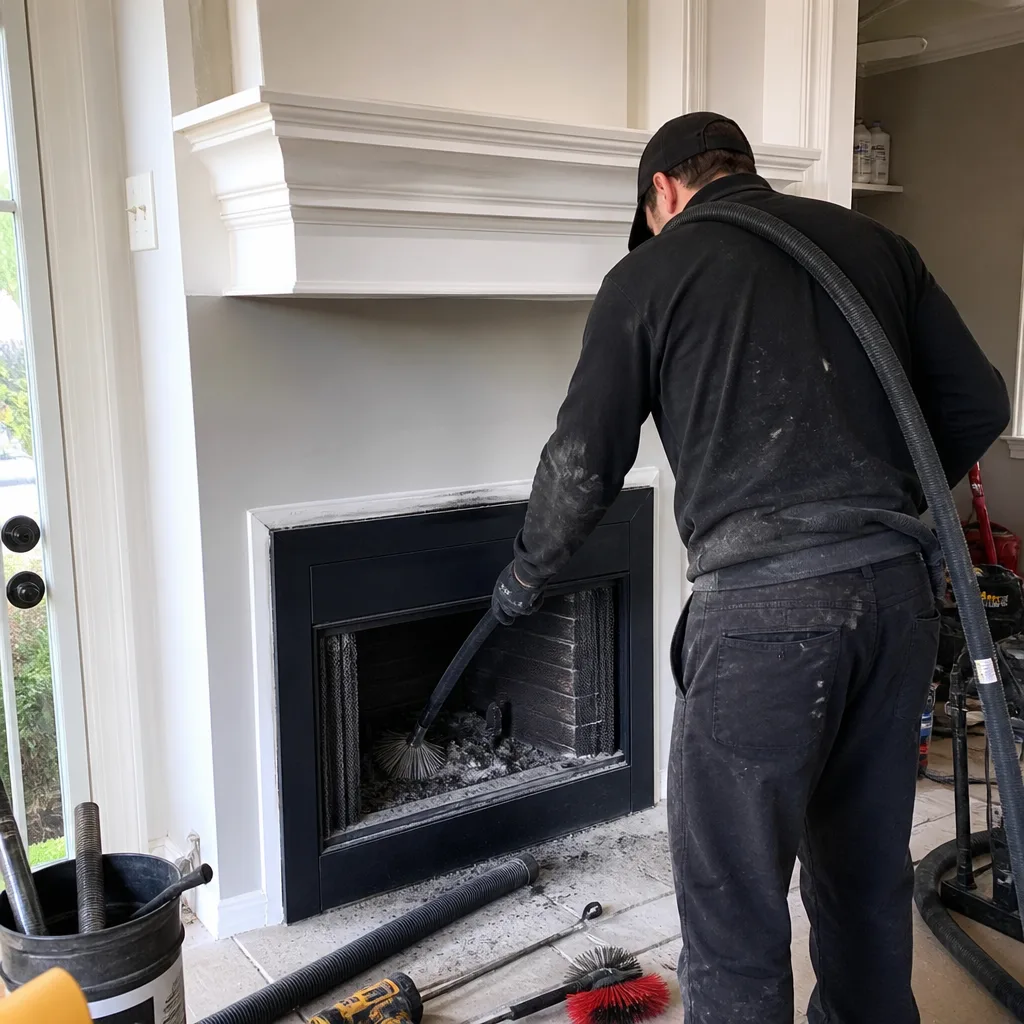 After
After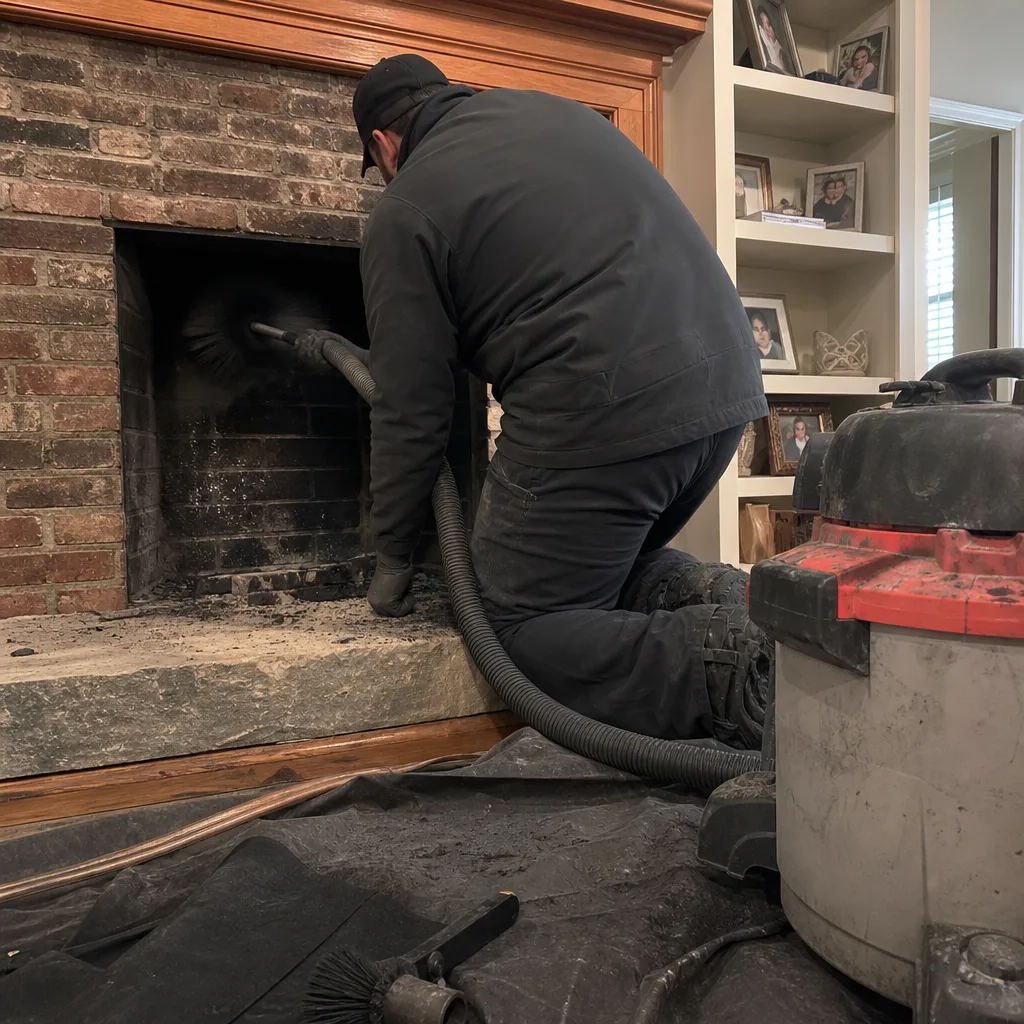 Before
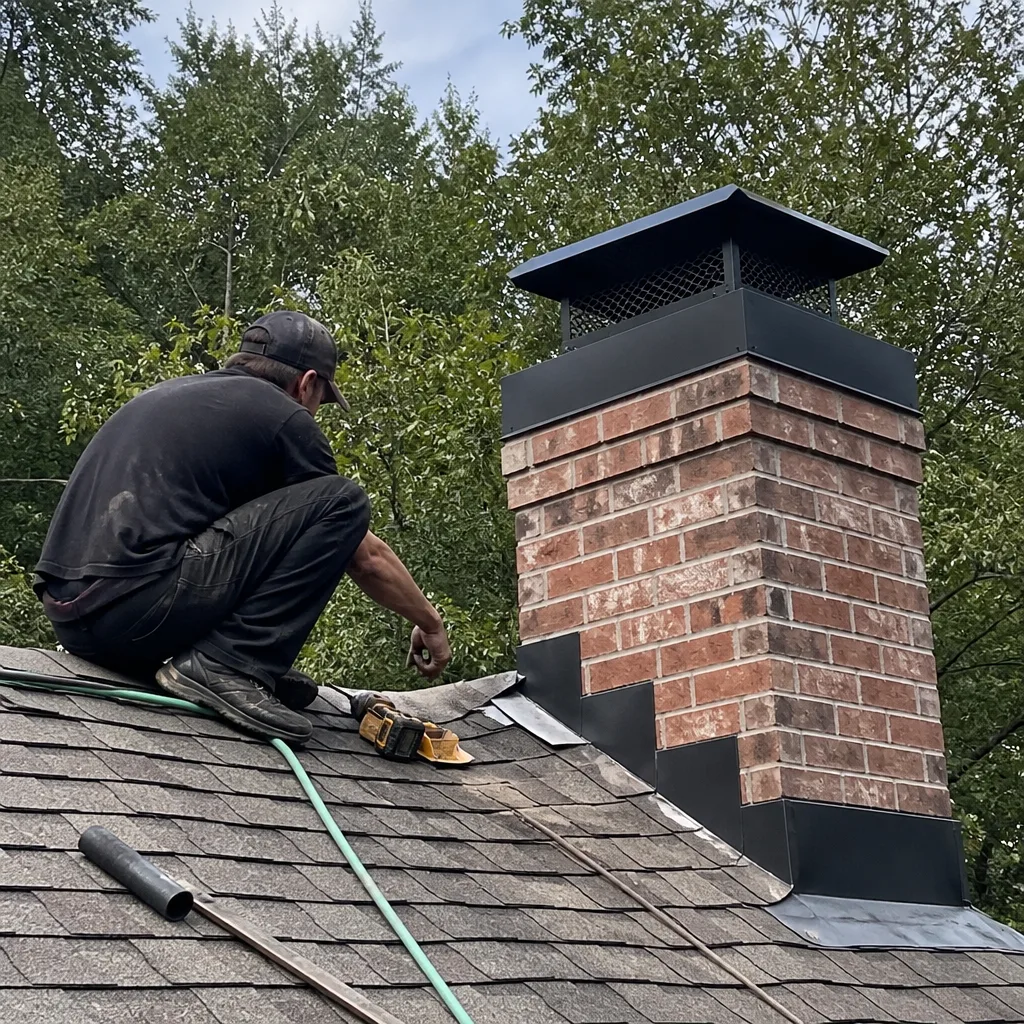 After
After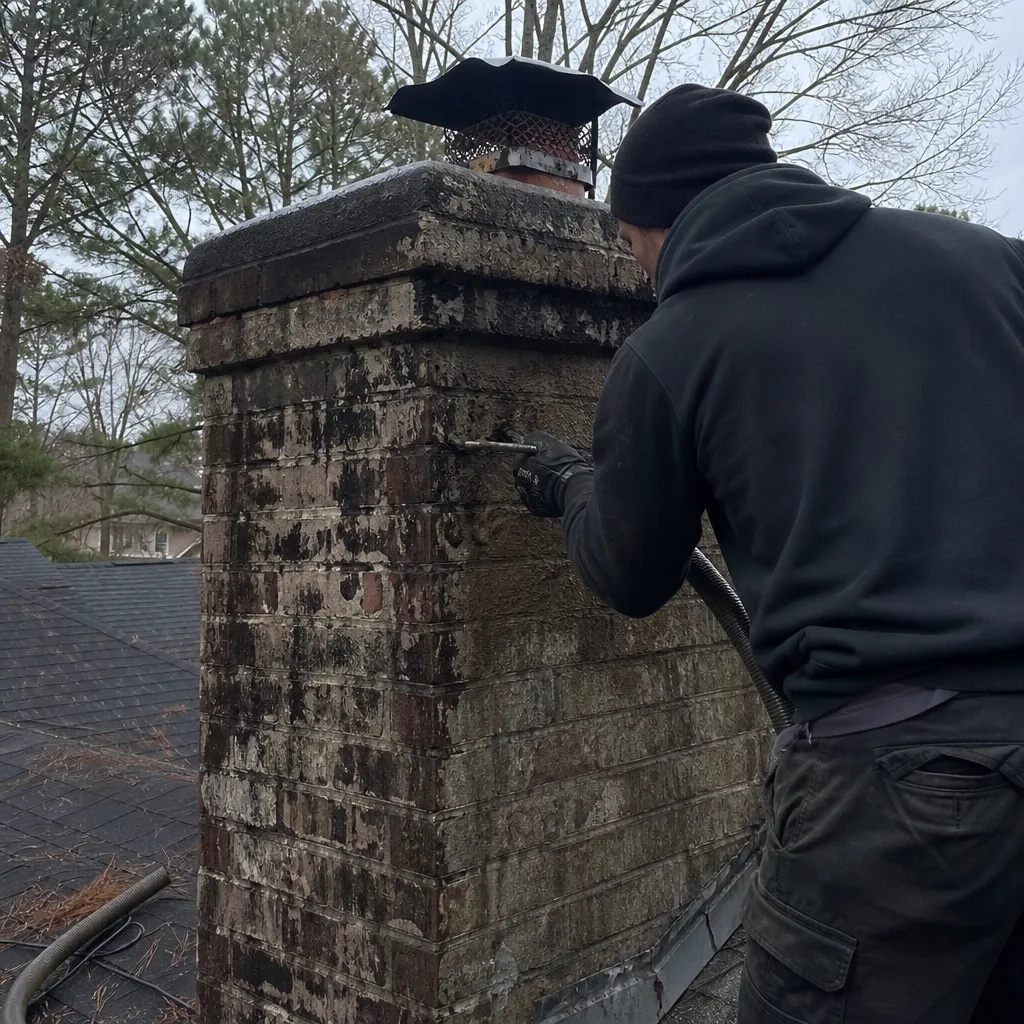 Before
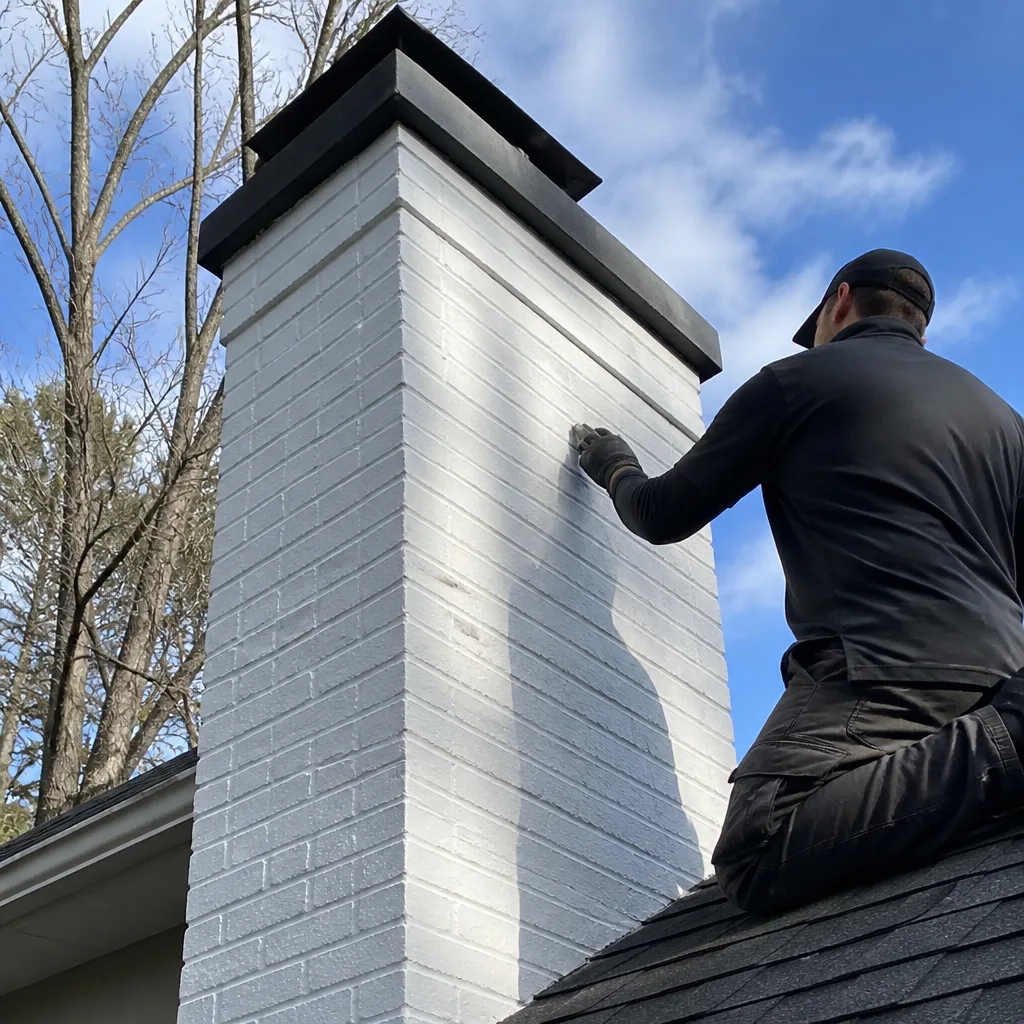 After
AfterFamco Flue Liner Replacement: The Atlanta Owner’s Guide
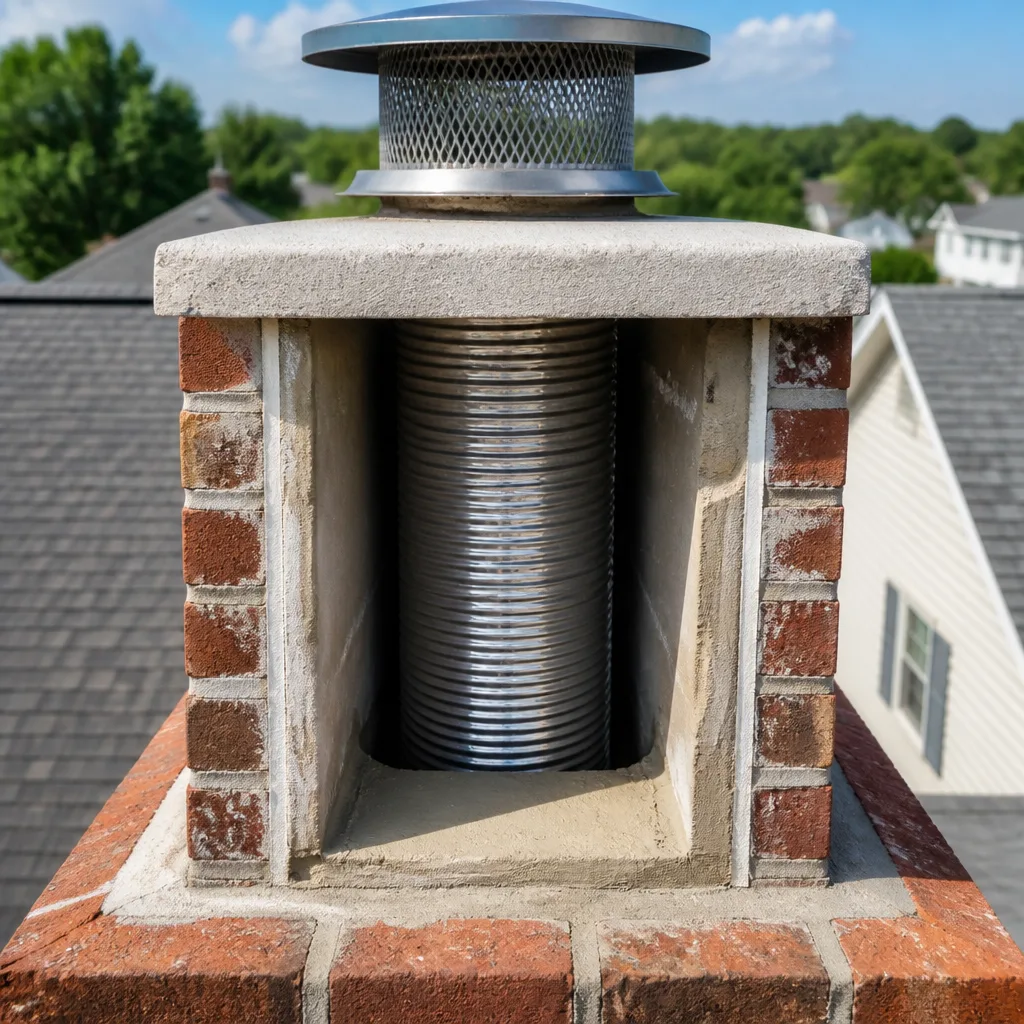
We stock and install Famco-compatible flue liner replacement in Atlanta, with typical installed pricing running $1,800-$3,400 depending on diameter, height, and whether the existing liner pulls clean or has to be cut out. Most replacements we book are completed in a single day, and we carry common Famco diameters on our trucks. Homeowners usually discover the failure during a routine sweep when the camera shows cracked clay tiles, a separated stainless seam, or orange rust streaking the flue walls where condensation has been eating the metal.
Which Famco Models This Applies To
Famco manufactured several flue liner series over the years, and the part you need depends on when your system was installed and what fuel it serves. The Famco FAS series (stainless flexible liners, common in Atlanta homes from the late 1990s through the mid-2000s) used a .006-inch wall thickness that held up well with dry wood but corroded faster when homeowners switched to gas inserts without resizing the flue. The heavier FAS-HD series moved to .010-inch 316Ti stainless, and those are the ones we still see pulling clean in Decatur ranch homes after twenty-plus years.
To identify your liner, check the top termination for a stamped collar tag or measure the inner diameter with a tape at the thimble opening. Famco labeled most liners with a part number format like FAS-6xx or FAS-HD-8xx, where the digits indicate diameter in inches. If the tag is gone, we use a bore scope to read any remaining stamp marks on the collar or seam weld.
OEM Famco liners are no longer manufactured, so replacement means matching to a compatible aftermarket spec. We source through Haven’s buying network from Olympia Chimney and Copperfield, both of whom build to the same 316Ti and AL-29-4C standards Famco used. The aftermarket equivalent typically outperforms the original on warranty length, and we document the spec match in your written scope before any work starts.
Signs Your Famco Flue Liner Replacement Is Failing
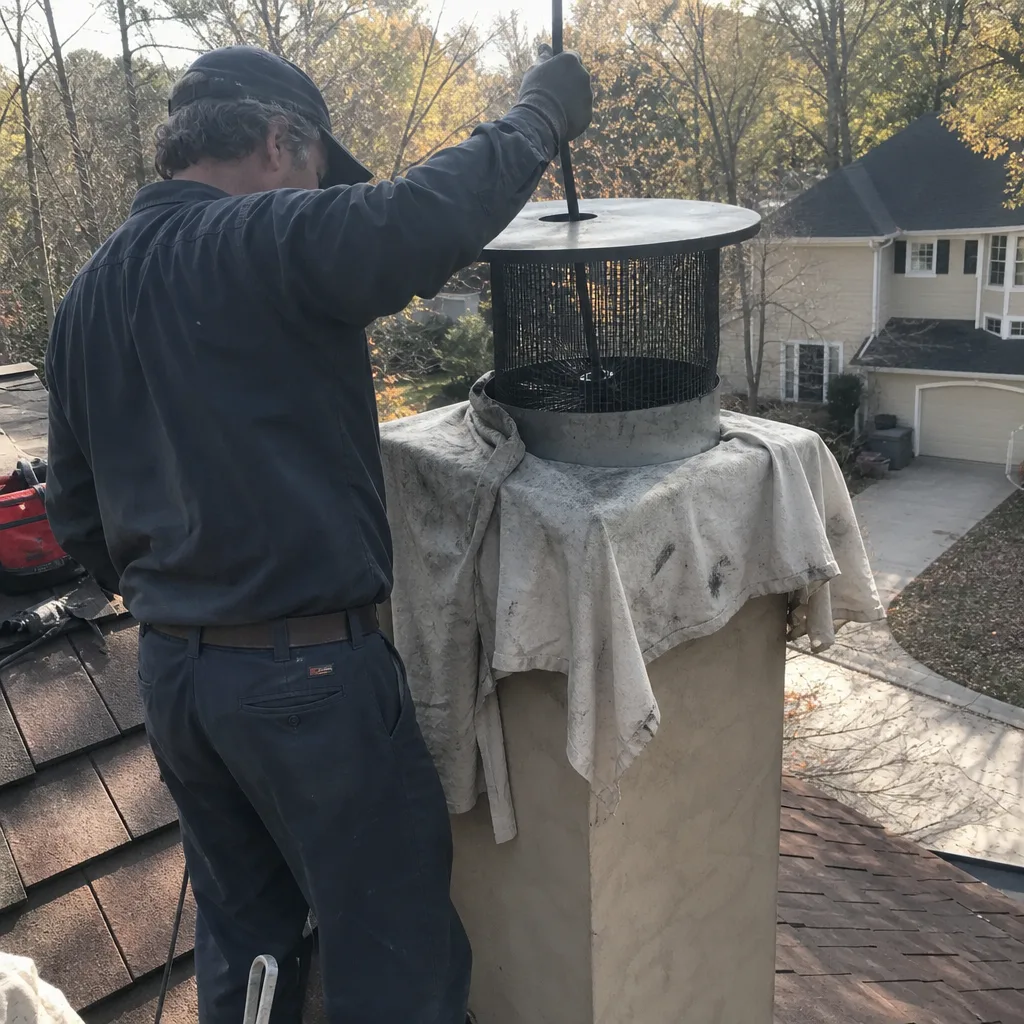
- White or orange powder on the smoke chamber walls. This is aluminum oxide or iron oxide from the liner surface breaking down. In Atlanta’s humid summers, condensation accelerates the reaction, especially when the flue is oversized for the appliance and never dries completely between burns.
- Chunks of clay tile in the cleanout or fireplace floor. If your original system had a Famco liner retrofitted over clay tile, the old tiles can spall and drop as the liner shifts. The camera shows whether the liner itself is intact or if the debris is masking a seam separation below.
- Smoke odor in the house on humid days, even when the fireplace is cold. A cracked or separated liner loses its draft seal. Warm, moist Atlanta air pushes down the flue, carrying creosote smell through any gap in the smoke chamber or thimble.
- Water staining on the ceiling near the chimney breast. Condensation running down a compromised liner collects at offsets or joints, then finds its way through mortar joints. The leak often appears after a cold snap when the flue temperature differential is highest.
- The sweep’s camera shows a “shiner” - light visible through the liner wall. This means the metal has perforated or a seam has opened. In a gas vent, that’s a carbon monoxide path. In a wood flue, it’s a route for creosote to reach combustible framing.
BeforeAfterReplacement Cost & What’s Included
| Scope | Price Range |
|---|---|
| Famco-compatible liner, 6″ diameter, straight run up to 25′ | $1,800 - $2,400 |
| Famco-compatible liner, 8″ diameter, straight run up to 25′ | $2,200 - $2,900 |
| With offset correction or demolition of existing failed liner | Add $400 - $700 |
| Insulation blanket (required for some clearances, recommended for all) | Add $300 - $450 |
| New top plate, rain cap, and connector | Included in base price |
What drives the range: height of the flue, number of offsets, whether the existing liner can be pulled or must be cut and extracted in sections, and whether the chimney crown needs repair to seal the new top plate. Every quote we write in Atlanta includes the liner spec, the insulation call, labor, disposal of the old material, and a new rain cap. The 365-Day Done Right Promise applies to the installation, and the liner itself carries the manufacturer’s warranty, which we register for you. Clause 1 of the Haven Standard requires that written price before anyone starts; you’ll have it in your inbox or hand before we unload the truck.
DIY or Call Us?
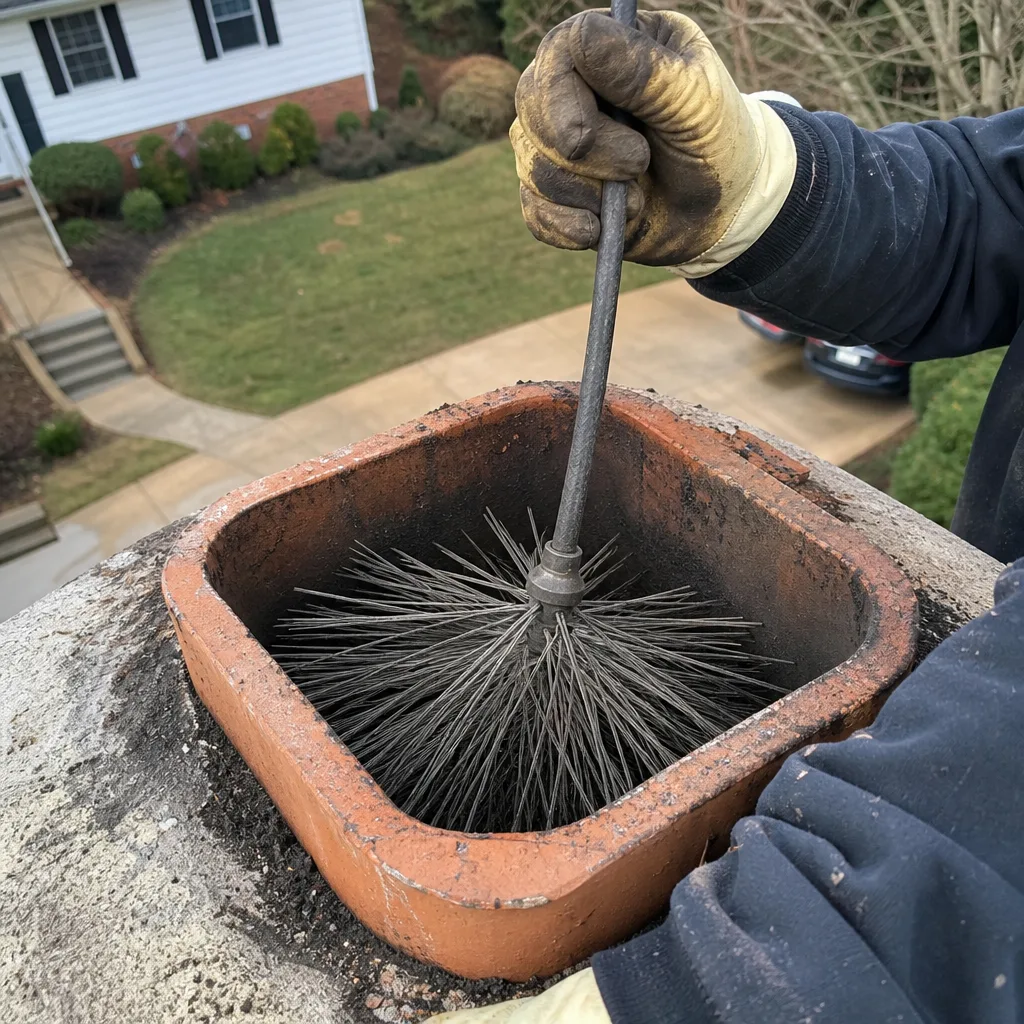
There’s a short list of things an owner can safely check: confirm the damper opens fully, verify the cap isn’t clogged with leaves, and look down the flue with a flashlight for obvious obstructions. Beyond that, flue liner replacement involves working on the roof, handling heavy stainless in tight shafts, and verifying NFPA 211 clearance requirements to combustibles - a measurement that determines whether insulation is mandatory or optional.
We’ve seen DIY liner installs in Atlanta that failed because the homeowner sized by the existing clay flue rather than the appliance outlet, creating a draft mismatch that sooted up within a season. We’ve also seen uninsulated liners run too cool in our humid climate, condensing acidic moisture that ate through 316Ti in under five years. The camera doesn’t negotiate - it just shows you what’s there, and we’d rather show you a clean install than document a problem we have to fix twice. For a written price on your Famco-compatible replacement, call (470) 435-7984.
FAQs
A properly installed 316Ti or AL-29-4C stainless liner should last 15-25 years in Atlanta’s climate, with gas appliances trending toward the longer end and wood-burning systems toward the shorter end depending on burn habits and maintenance frequency. The key variable is moisture control: liners that stay dry between cycles outlast those in oversized flues that never fully warm up. Annual inspection with a camera scan catches corrosion before it perforates.
Localized damage like a small seam gap at the top can sometimes be addressed with a stainless repair sleeve or HeatShield cerfractory sealant, but only if the remaining liner wall thickness passes a pinhole test. If the camera shows generalized thinning, multiple cracks, or corrosion scaling, replacement is the only code-compliant path. We don’t recommend patch jobs on liners that have reached end of life - the labor to access the flue is the same either way, and a sleeve on failing metal is money spent twice. Call (470) 435-7984 and we’ll show you what the camera sees before you decide.
Most Famco liner replacements we complete in Atlanta are done in one working day, with larger systems or those requiring crown repair sometimes extending into a second day. We arrive with the liner on the truck, so there’s no wait for parts delivery. The written scope we provide before booking includes the day count, and we text when the technician is en route.
We carry the common diameters - 6″, 7″, and 8″ in flexible 316Ti - on our Atlanta service trucks, along with the top plates, connectors, and insulation blankets that complete the system. If your flue requires an unusual diameter or AL-29-4C for a high-efficiency gas appliance, we source through Haven’s buying network and typically have it within 24-48 hours. We confirm stock at booking so there’s no surprise.
Written by Corrine Halstead, Owner, Level Two Chimney Atlanta at Level Two Chimney Atlanta, serving Atlanta and nearby areas.