
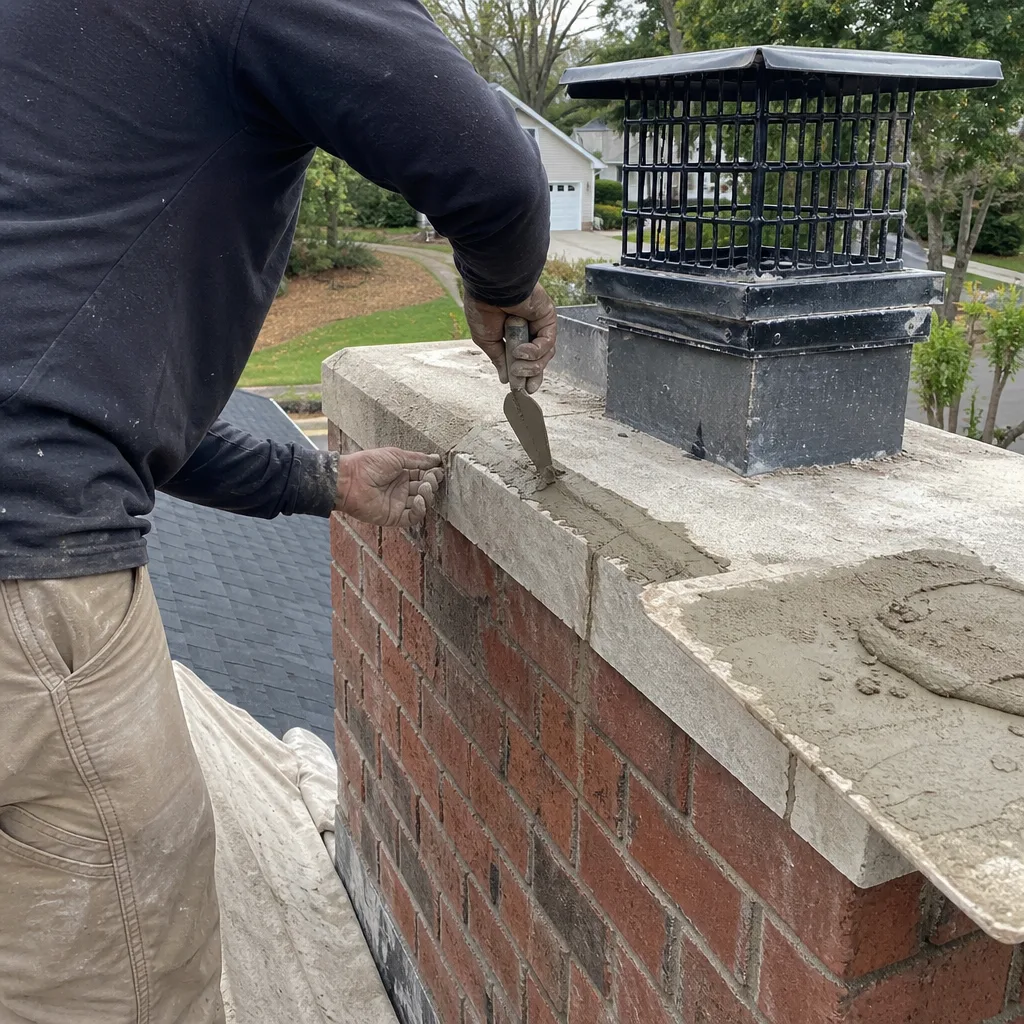
Level 1 sweep and inspection to the NFPA 211 annual standard - flue, crown, cap, and flashing checked and photographed
Chimney sweep logs do not sweep chimneys. They loosen some creosote - which then falls where a brush and vacuum still have to collect it.
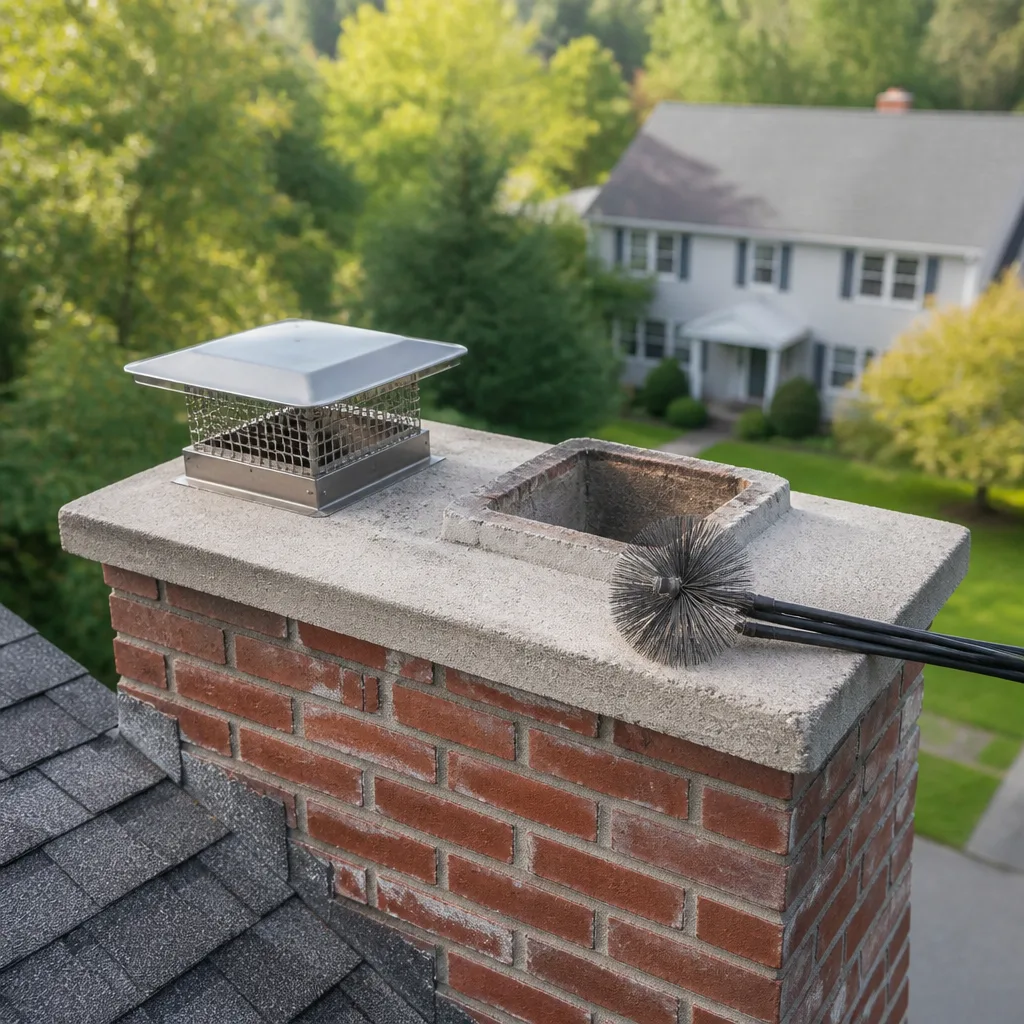
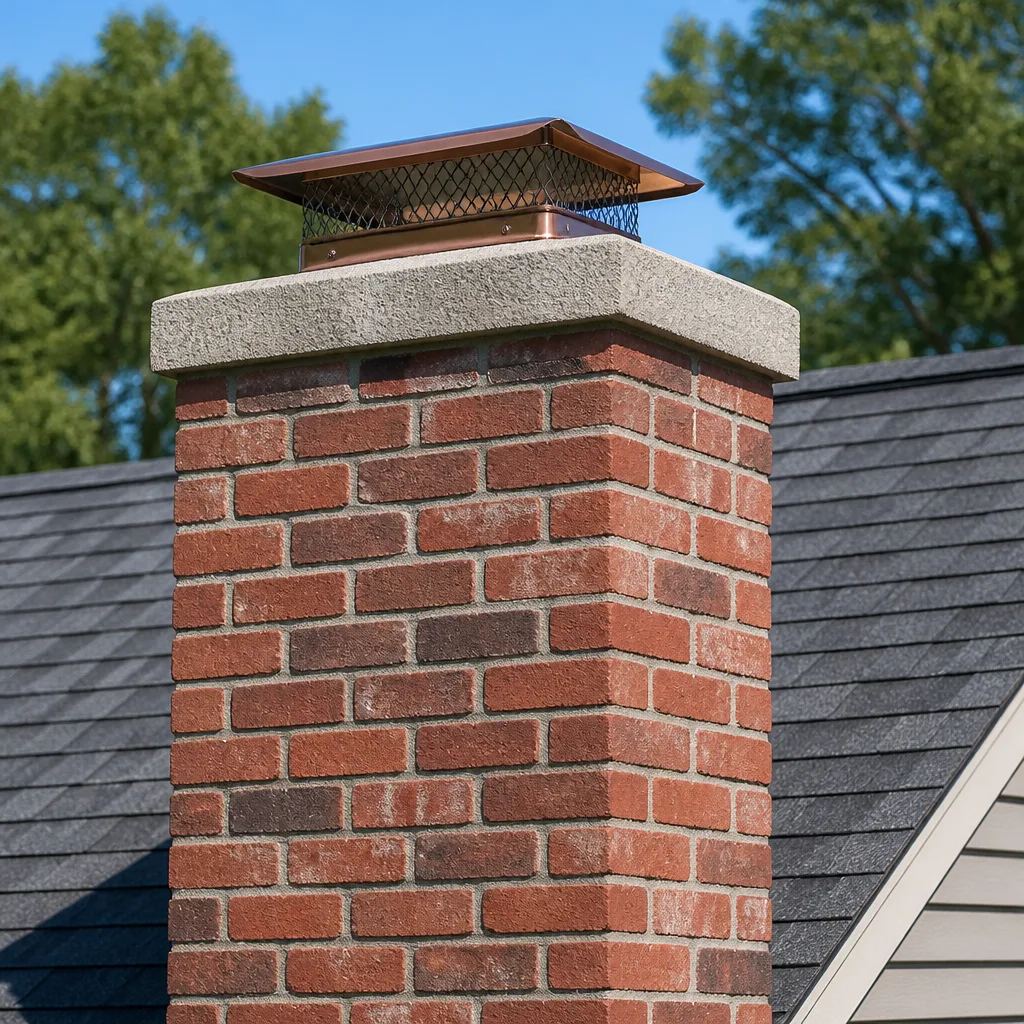
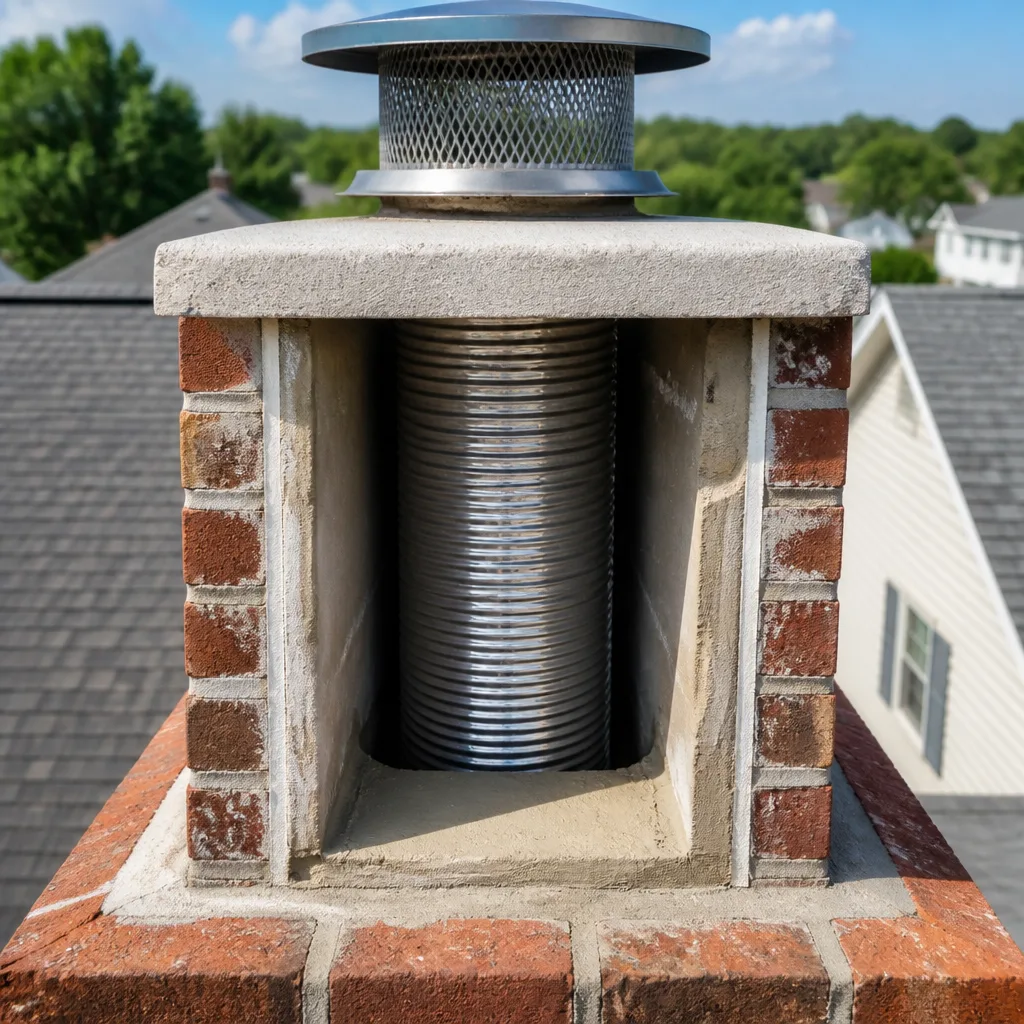
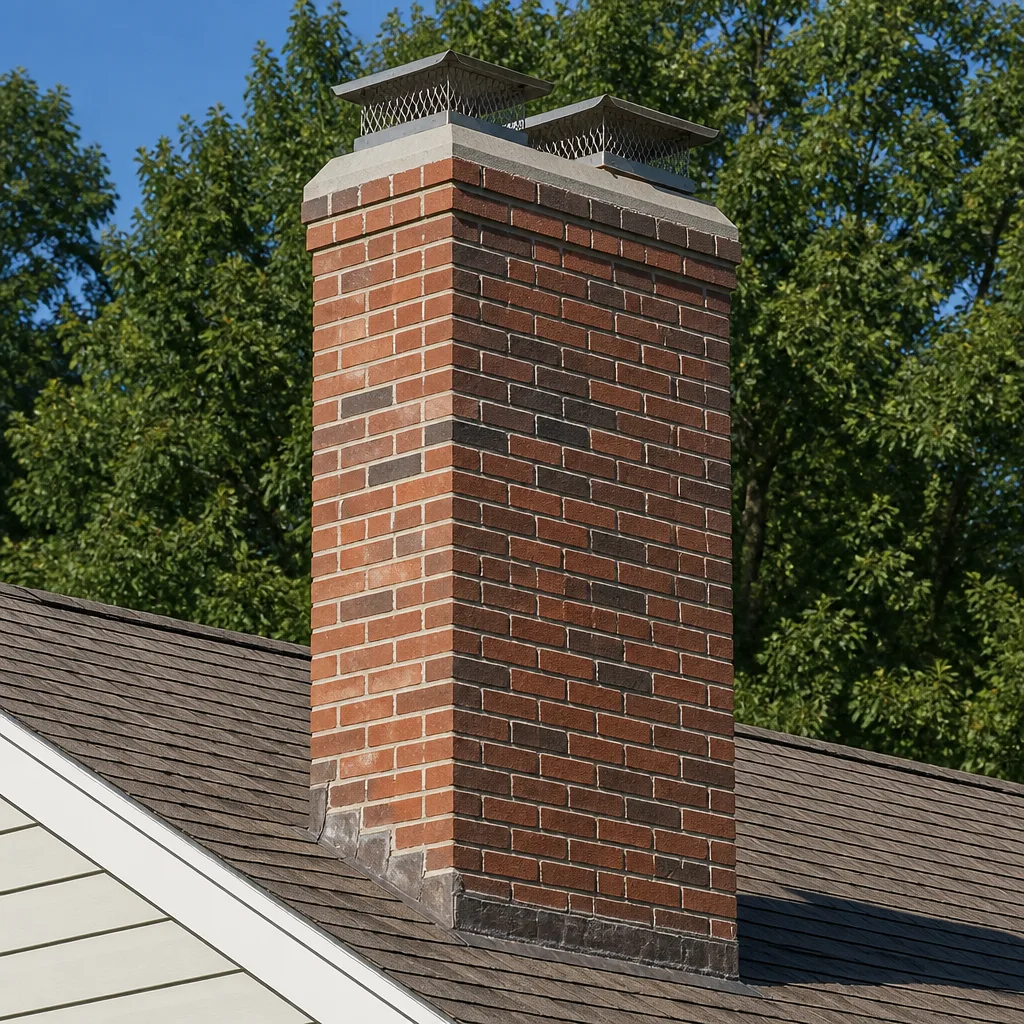
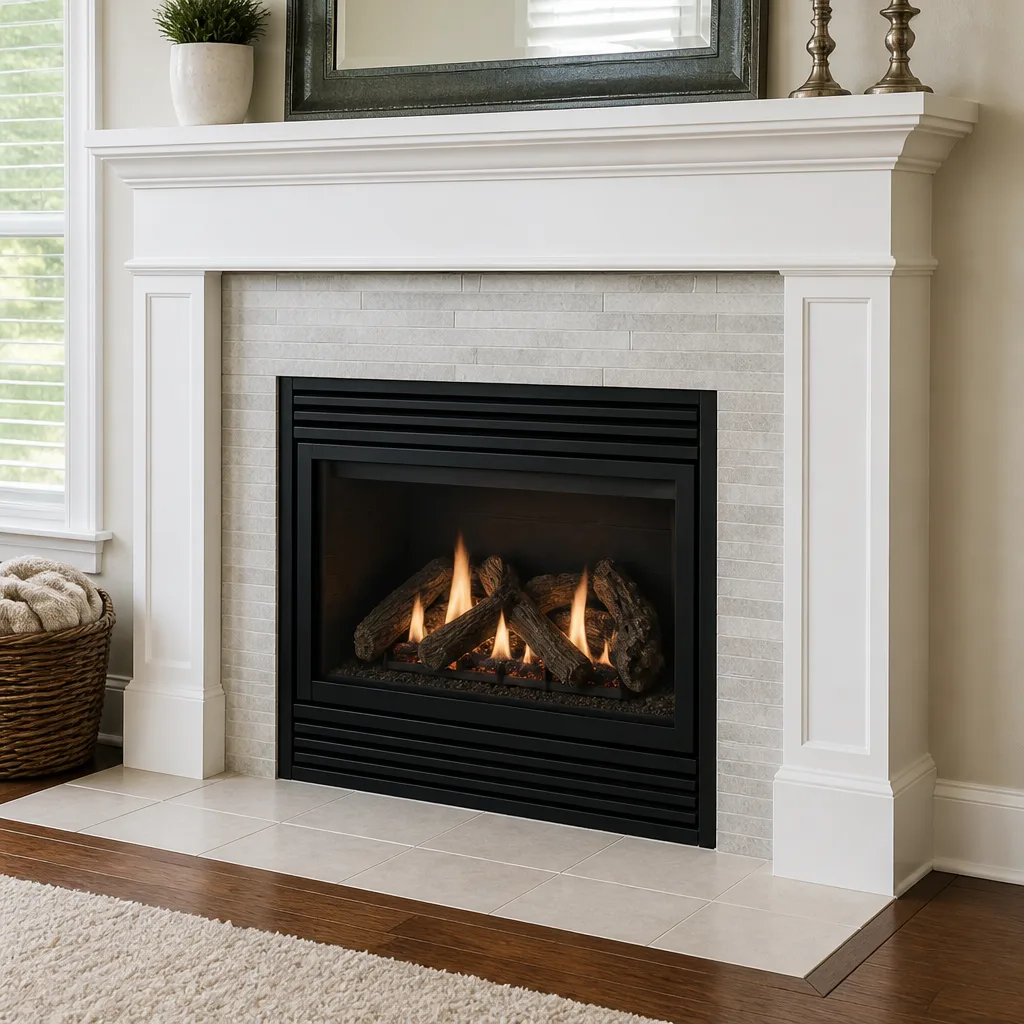
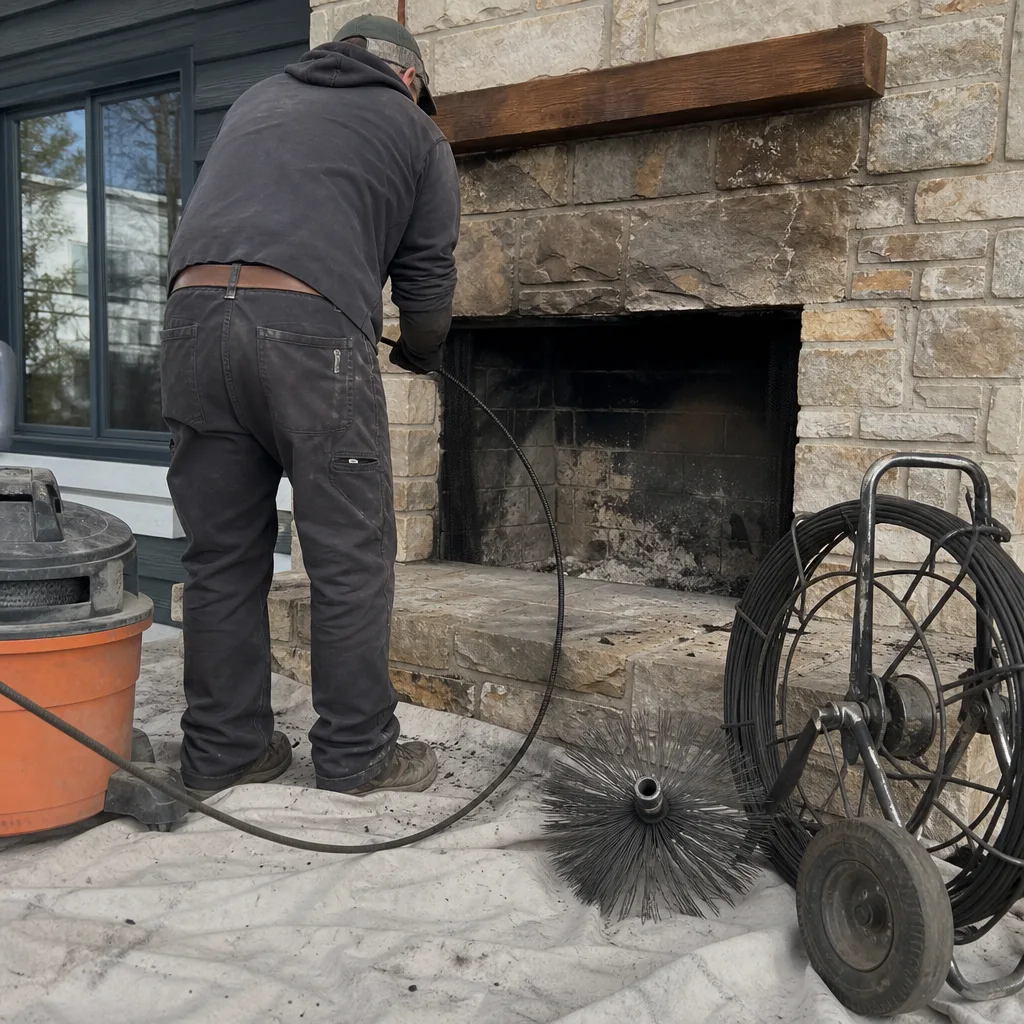 Before
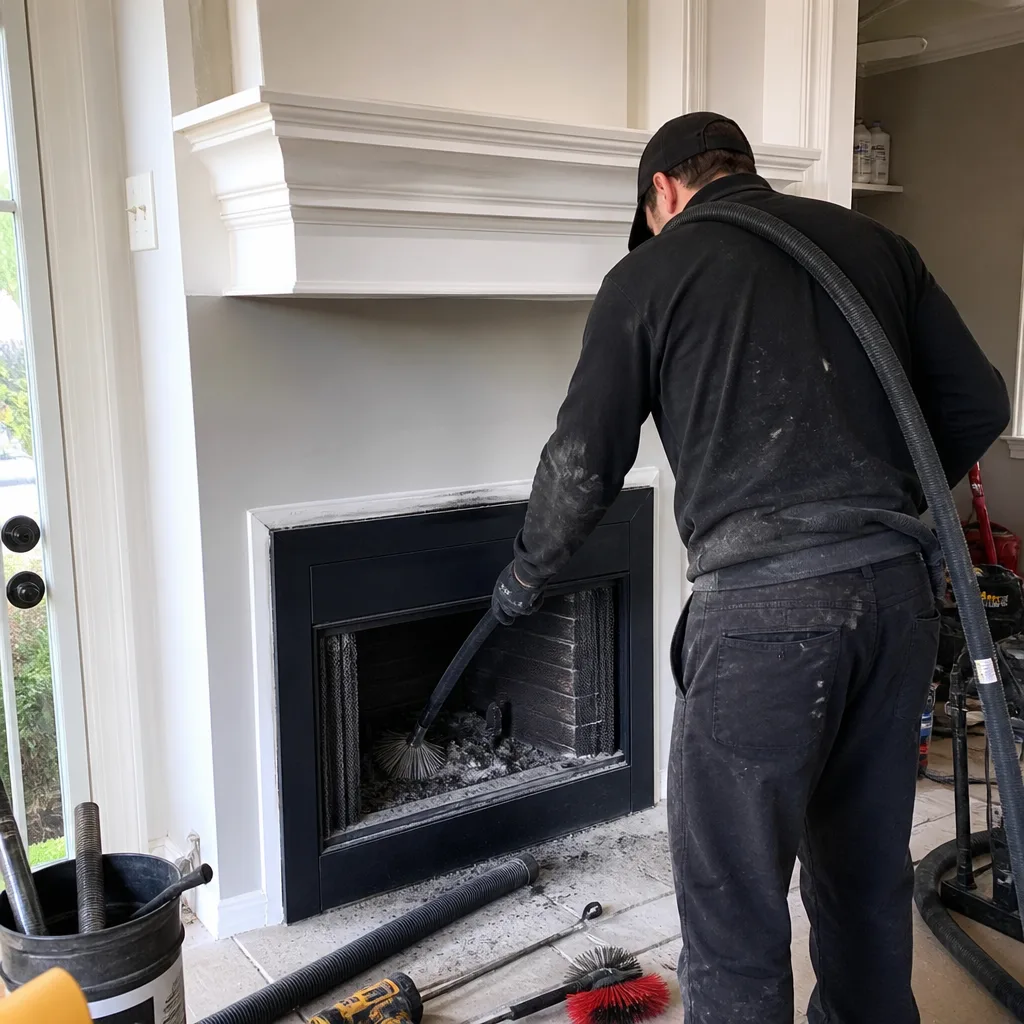 After
After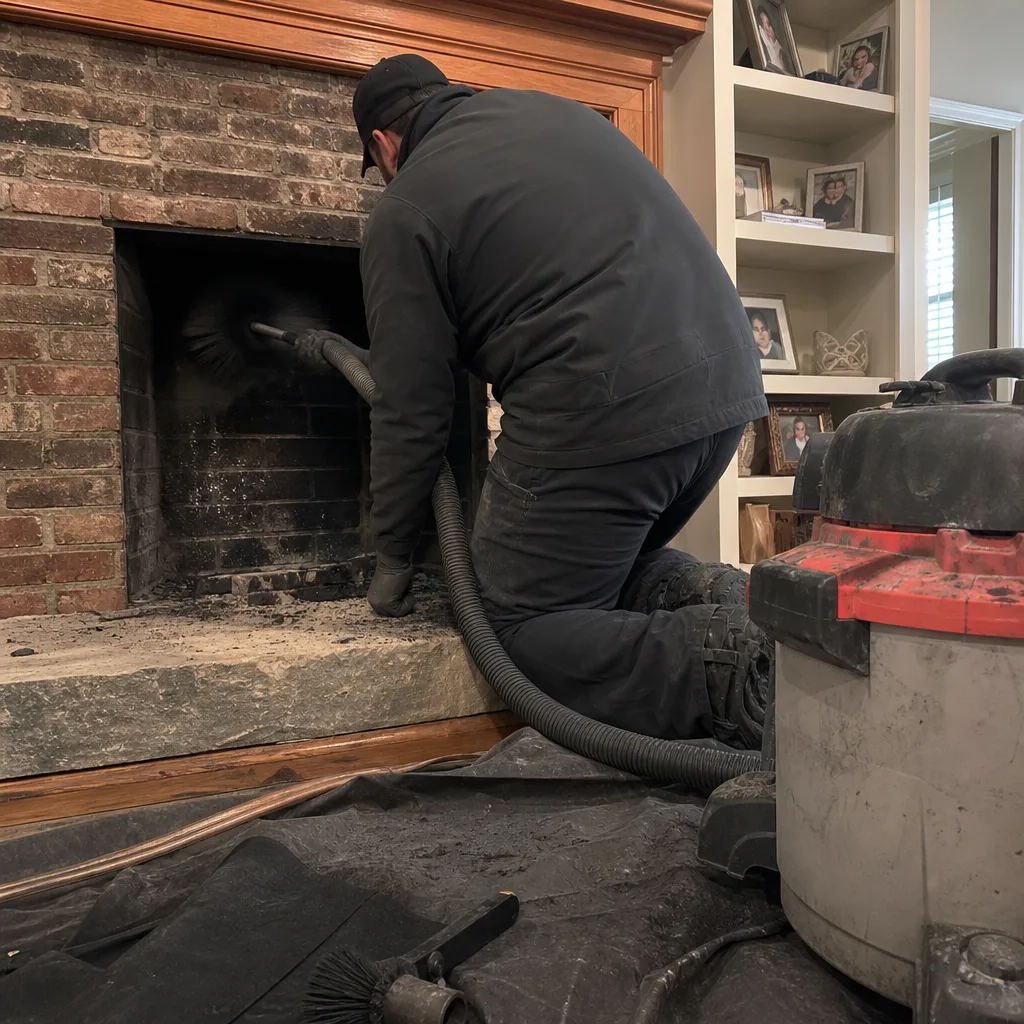 Before
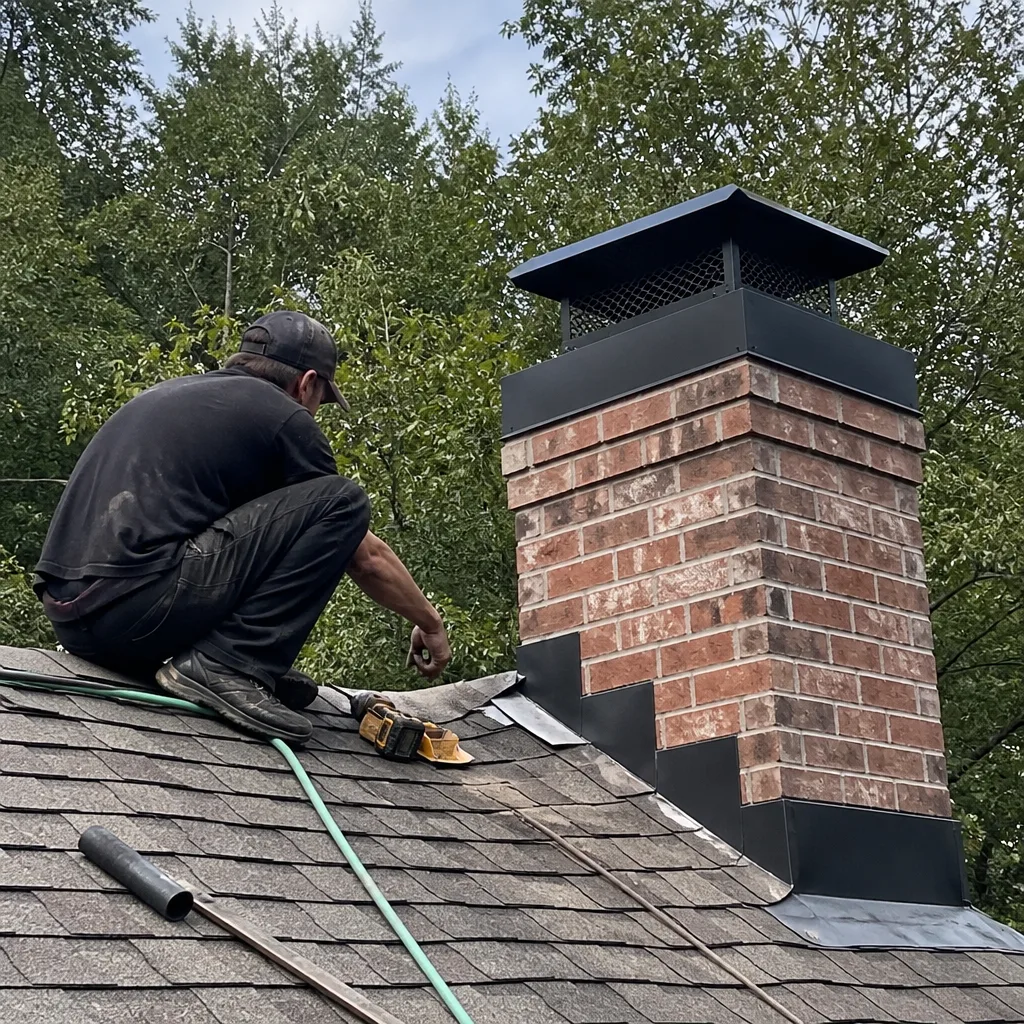 After
After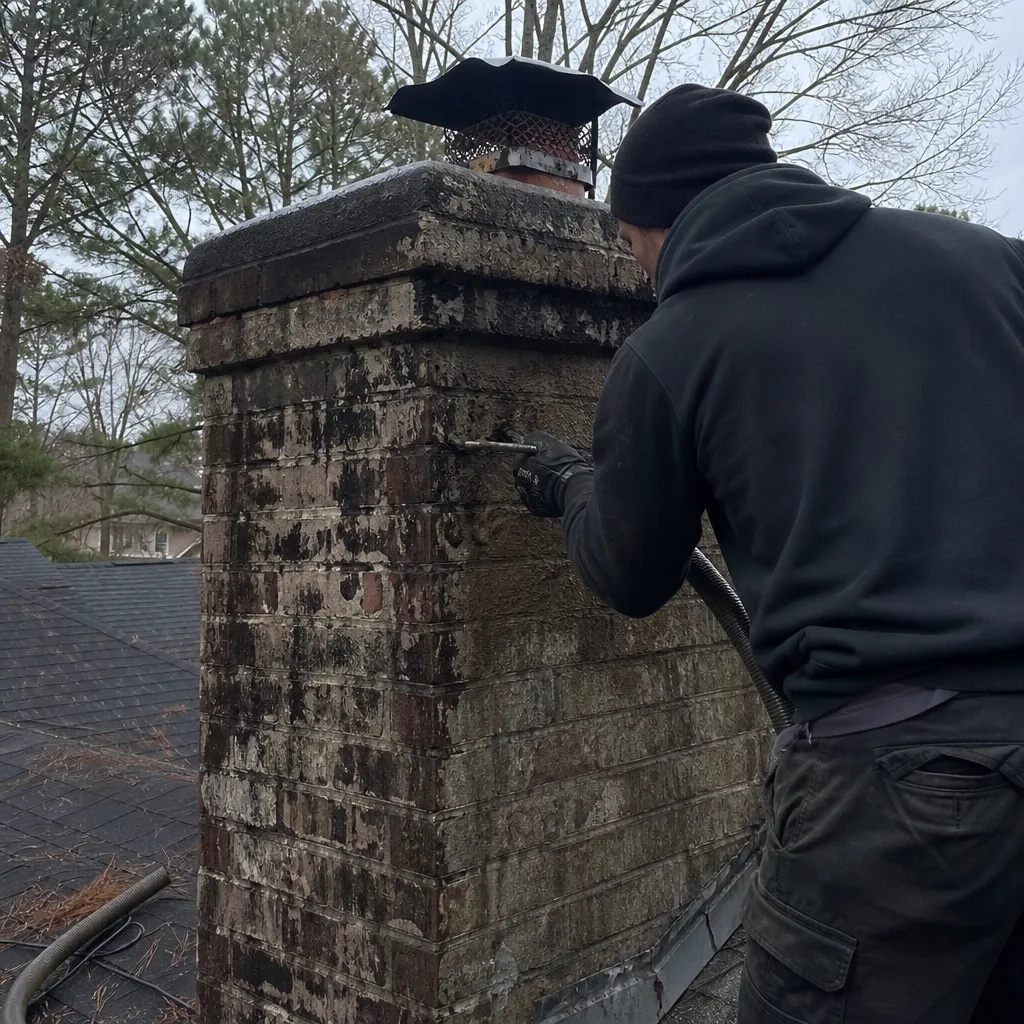 Before
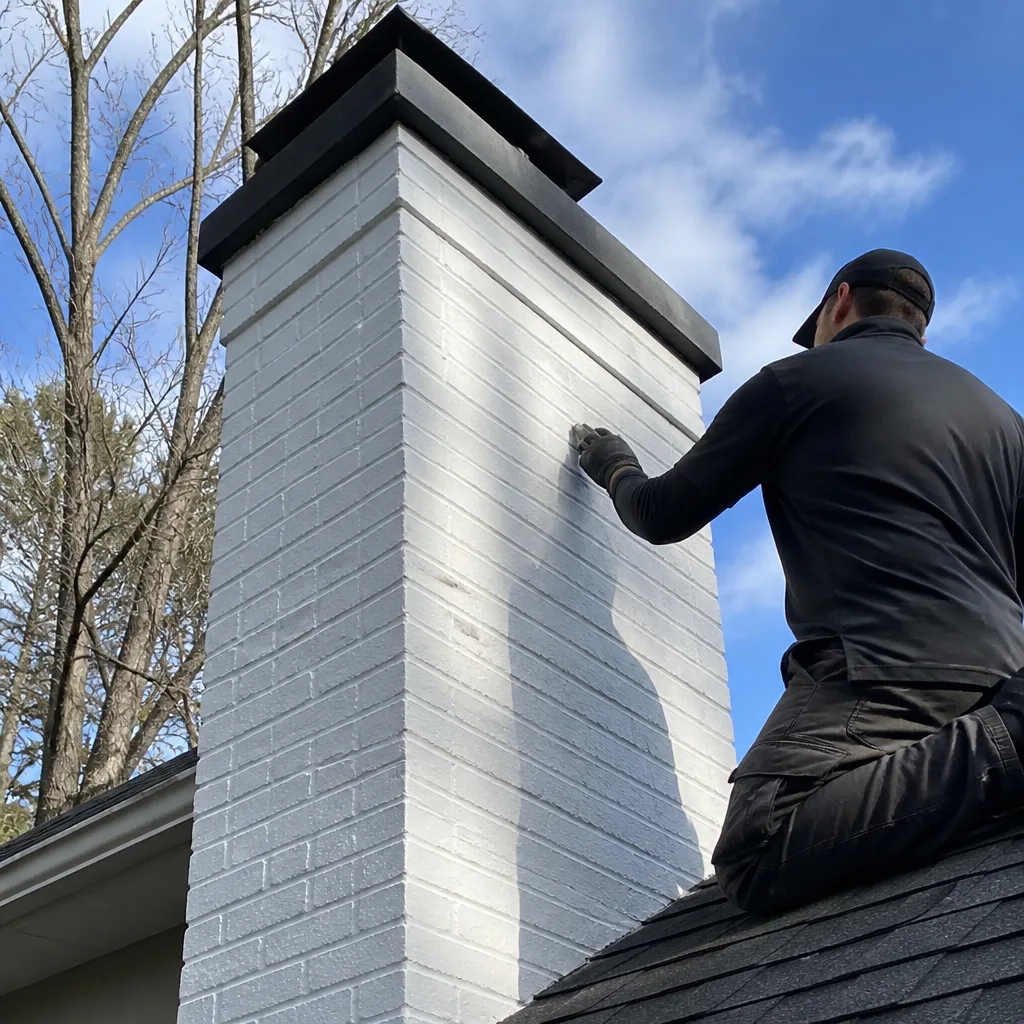 After
AfterSoot Removal in Atlanta, GA
Chimney Cleaning & Sweep services in Atlanta typically run $149 to $349, depending on flue height, soot accumulation depth, and whether a Level 2 camera inspection is bundled in – which it always is at Level Two Chimney Atlanta. Most jobs are completed in a single visit, with a written price delivered before anyone touches your fireplace.
Soot is the fine black carbon residue left behind every time wood or gas burns inside your firebox and flue. It’s lighter than creosote, easier to remove, and far less dramatic in a news story – which is exactly why homeowners underestimate it. Heavy soot restricts airflow, accelerates liner degradation, and leaves your living room smelling like a campfire on humid Atlanta mornings. If your flue hasn’t had an Annual Sweep in the last twelve months, there’s a real chance soot has built up past the point where a standard log fire can burn cleanly.
At Level Two Chimney Atlanta, soot removal is never treated as a standalone wipe-down. Every visit includes a camera-scan inspection under NFPA 211 Level 2 standards, a documented photo record, and a written scope of work before we begin. That practice has been standard here since 2009, and it’s why more than 38,000 Atlanta-area homeowners have a written record of exactly what was found and what was done. Call us at (470) 435-7984 – a live person answers every time, day or night.
Soot removal sits within our broader Chimney Cleaning & Sweep in Atlanta service, and this page covers what’s specific to soot: what it is, what it costs in the Atlanta market, and exactly how we remove it.
When You Need Soot Removal
Not every dirty chimney announces itself. In Atlanta’s climate – mild enough that many homeowners only burn from November through February – soot accumulates quietly between seasons. Here are the situations that tell us a soot removal visit is overdue:
- A persistent smoke smell in the house, especially on humid days. Atlanta’s summer humidity pulls odors out of a soot-lined flue and pushes them back into the living space. If your fireplace smells like a wet ashtray in July, soot is almost always part of the problem.
- Visible black staining on the firebox walls or damper frame. Light surface soot is normal after a fire. Heavy staining that doesn’t brush off with a hearth tool means the deposits have built beyond what routine burning clears.
- Reduced draw – fires that are hard to start or smoke into the room. A thick soot layer narrows the flue opening and disrupts the pressure differential your chimney needs to draft properly.
- It’s been more than twelve months since your last professional sweep. Atlanta’s heating season is short, but a single cord of seasoned oak produces enough combustion byproducts to coat a flue liner with a meaningful soot layer by spring.
- You’ve moved into a home built before 2000 in neighborhoods like Cascade Heights, East Atlanta, or Druid Hills. Older Atlanta homes with original clay-tile liners accumulate soot in the liner joints – spots that don’t show up in a flashlight look but do show up on camera.
- Your home recently had a slow-burning or smoldering fire. Low-temperature fires – common when wood is damp or the damper is partially closed – produce disproportionately high soot loads. One bad fire can leave more residue than a full season of clean burns.
Our Soot Removal Process
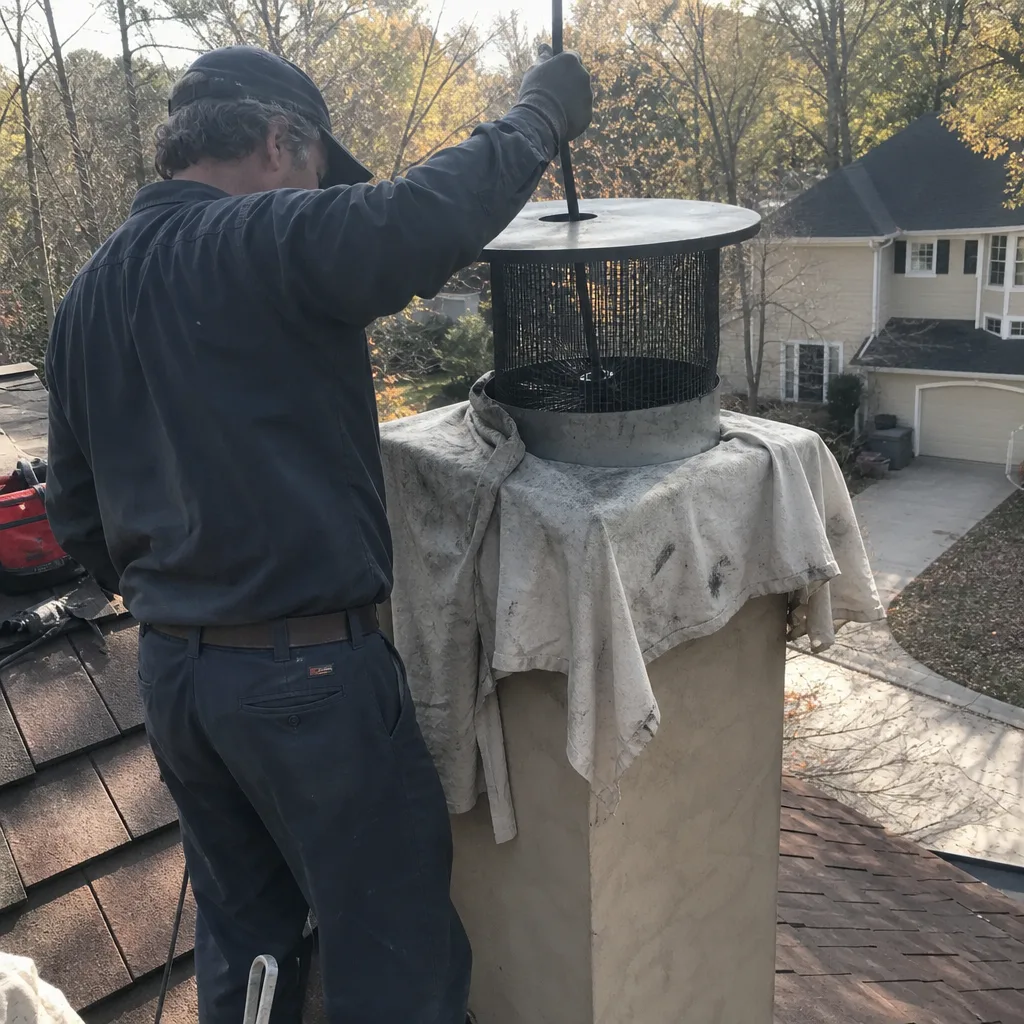
Here is exactly what happens on a Level Two Chimney Atlanta soot removal visit, in order. Nothing starts until you have a written price in hand.
- Written price and scope before any work begins. The technician assesses the flue height, firebox type, and visible accumulation level, then gives you a written price with a written scope of work attached. Under Haven Standard Clause 1, no work starts until you sign off on that document. No mid-job surprises.
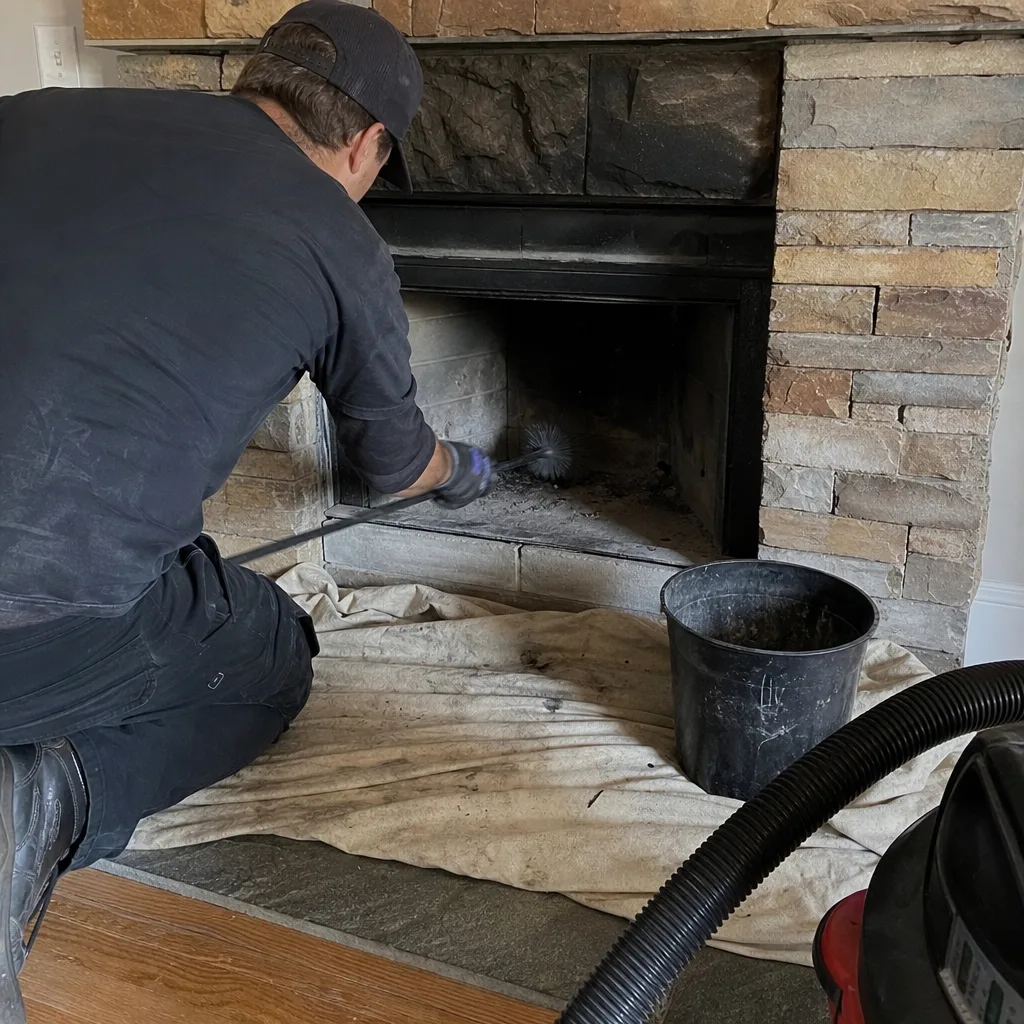
- Pre-work protection of your home interior. Drop cloths go over your hearth, flooring, and any nearby furniture. We use negative-pressure vacuums rated for fine particulate so that soot doesn’t travel through your living room while the flue is being worked. This matters more than it sounds – soot particles are small enough to settle on upholstery and electronics two rooms away if the job is done without proper containment.
- Camera-scan inspection of the full flue, smoke chamber, and firebox. Before brushes go in, the camera goes down. We document the pre-clean condition: liner type, any spalling or offset joints in the flue liner, smoke chamber corbeling condition, and soot accumulation class. This is the baseline photo record required by Haven Standard Clause 4. You get a copy.
- Systematic soot removal, top to bottom. We use chimney brushes sized exactly to your flue dimensions – round or rectangular, sized to the liner – working from the top of the flue down through the smoke chamber and into the firebox. Soot is vacuumed continuously at the base as it falls. For heavier accumulation in the smoke chamber, hand tools reach the corbeled ledges where a brush won’t seat.
- Post-clean camera pass and condition report. After the flue is swept, the camera goes down again. We compare the post-clean images against the baseline. If the liner shows any damage – cracked tile, missing mortar, or a gap that concerns us – we note it in writing with the photo evidence attached, and we give you that information before we leave. No verbal-only findings.
- Written documentation and 365-Day Done Right Promise. You leave the visit with a documented photo record, a written condition report, and confirmation that the job is covered by the 365-Day Done Right Promise. If something wasn’t done right, we make it right. That’s not a slogan – it’s Clause 4 of the Haven Standard, in writing.
BeforeAfterSoot Removal Pricing in Atlanta
Soot removal in Atlanta runs $149 to $349 for the majority of residential jobs. The range reflects real variables in the Atlanta market – not padding. Here’s what moves the number:
| Factor | Typical impact on price |
|---|---|
| Single-story flue (up to 15 ft) | Lower end of range |
| Two-story or taller flue (15-25 ft) | Mid-range |
| Heavy soot in smoke chamber requiring hand tooling | Adds $40-$80 |
| Second fireplace or insert on the same visit | Discounted add-on rate |
| Camera-scan Level 2 inspection | Included standard – not an add-on |
| Documented photo record | Included standard – not an add-on |
A note on Atlanta-specific pricing: homes in Buckhead and Virginia-Highland frequently have original 1940s-1960s chimneys with offset flue runs or multiple smoke chambers – configurations that take longer to clean thoroughly. If your home has an unusual layout, the tech will note it in the written scope before the price is finalized.
Materials, when needed, come through Haven’s buying network – sourced from suppliers like Olympia Chimney and Gelco. That procurement structure is specifically designed to keep customer prices honest rather than inflated by distributor markups.
We also offer a free second opinion on any written estimate you’ve already received from a competitor. Bring us the document – we’ll review it and tell you exactly what it covers and what it doesn’t.
Call (470) 435-7984 for a free estimate. You’ll get a live person, and a written price follows before any work is scheduled.
Why the Camera Matters for Soot Removal
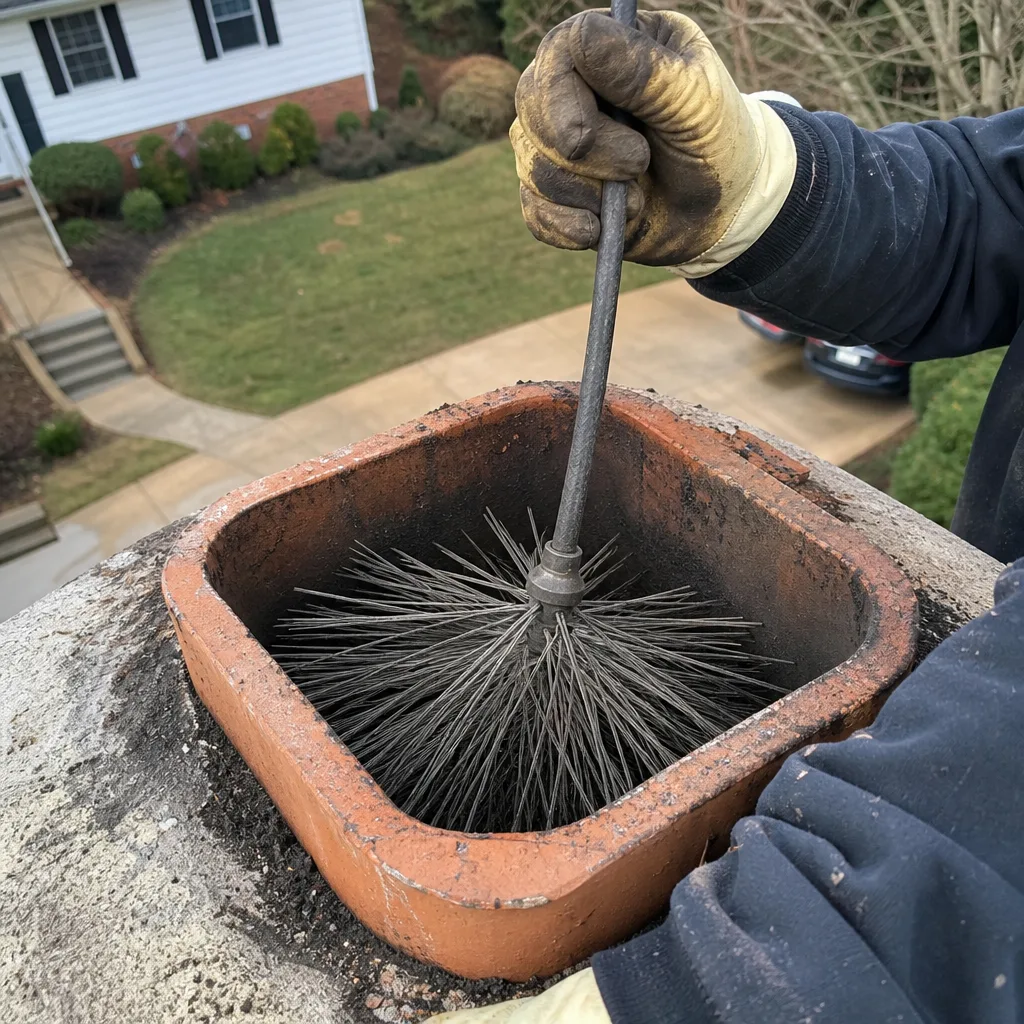
Most sweeps treat soot removal as a visual task: brush the flue, bag the debris, done. The problem with that approach is that soot doesn’t accumulate evenly. In Atlanta homes with clay-tile liners – common in Inman Park, Morningside, and Grant Park – soot collects in the gaps between tile sections, particularly where old mortar has shrunk away. A brush passes over those gaps. A camera shows them.
That distinction matters for two reasons. First, soot trapped in liner joints continues to off-gas into the home long after the visible surface is clean. Second, the same voids that trap soot are pathways for heat and combustion gases to reach your home’s framing – a condition NFPA 211 classifies as requiring repair before the fireplace is used again.
Since 2009, every Level Two Chimney Atlanta visit has included a camera pass as the default, not an upgrade. That’s what NFPA 211 Level 2 inspection actually means: the camera documents the full interior of the flue liner, not just the portion visible from the firebox opening. Every image is timestamped and added to your property’s record under Haven Standard Clause 4.
If a competitor’s estimate doesn’t include camera documentation, ask what they’ll give you in writing when the job is done. The answer tells you a lot about how they work.
Soot vs. Creosote – What’s the Difference and Why It Matters
Soot and creosote are both combustion byproducts, but they behave very differently and require different responses.
Soot is the dry, powdery black carbon residue from incomplete combustion. It brushes off a clean liner surface relatively easily and doesn’t pose the same ignition risk as creosote in small quantities. The hazard with soot is primarily airflow restriction and odor penetration.
Creosote is what soot becomes when it combines with condensed vapors and bakes onto the liner over multiple burn cycles. Class I creosote is a dusty residue similar to heavy soot. Class II is flaky and tar-like. Class III – sometimes called glazed creosote – is a dense, shiny coating that standard brushes won’t remove and that burns at temperatures exceeding 2,000 degrees Fahrenheit if ignited. Class III requires chemical treatment before mechanical removal, and any Class III removal should be handled by a trained technician, not a DIY brush kit from a hardware store.
When we run the camera before cleaning, one of the things we’re identifying is which category of deposit you’re actually dealing with. If what looked like heavy soot turns out to be Class II or Class III creosote, the scope and price change – and we tell you that in writing before we proceed, not after.
FAQs – Soot Removal
How much does soot removal cost in Atlanta?
Soot removal in Atlanta costs between $149 and $349 for most single-flue residential jobs. The price depends on flue height, soot accumulation depth, and whether additional work in the smoke chamber is needed. At Level Two Chimney Atlanta, the camera-scan inspection and documented photo record are included in that price – they are not add-ons. Call (470) 435-7984 for a free written estimate before any work is scheduled.
Is soot in a chimney dangerous?
Yes, soot in a chimney can be dangerous, though the risk profile is different from creosote. Heavy soot narrows the flue opening, which reduces draft and can cause smoke and carbon monoxide to back up into the living space. Soot also acts as a starting material for creosote formation: when soot combines with condensed wood smoke vapors over repeated burn cycles, it converts into a more combustible deposit. An Atlanta home that burns wood through a typical November-to-February season without a sweep is usually accumulating both.
How long does a soot removal visit take?
Most soot removal visits at Level Two Chimney Atlanta take 60 to 90 minutes for a single-flue fireplace. That window includes the pre-clean camera inspection, the sweep, containment setup and teardown, and the post-clean camera pass. Homes with longer flue runs, heavier smoke chamber deposits, or a second fireplace will run longer. The technician gives you a realistic time estimate when the written scope is delivered – before work starts.
Can I remove soot from my chimney myself?
You can brush light soot off the firebox walls and visible lower flue with chimney brushes, but the smoke chamber and upper flue sections require proper tools, containment equipment, and a camera to confirm the job is complete. More to the point: a DIY brush pass won’t tell you whether what you’re looking at is soot, Class I creosote, or something more serious. The camera inspection is what makes the cleaning meaningful. If you’ve got a quote from someone who cleans without camera documentation, we offer a free second opinion – bring the written estimate to (470) 435-7984 and we’ll review it.
Serving Atlanta Neighborhoods
Level Two Chimney Atlanta covers Chimney Cleaning & Sweep Near Me in Atlanta, GA across metro Atlanta, including neighborhoods like Buckhead, Inman Park, Decatur, Virginia-Highland, Grant Park, East Atlanta, Druid Hills, Midtown, Morningside, Cascade Heights, Kirkwood, and the broader Fulton and DeKalb County areas. If you’re not sure whether your address is in our service area, call us – we’ll tell you directly.
Atlanta’s older housing stock – particularly the craftsman bungalows and Tudor revivals built between 1920 and 1960 in neighborhoods like Candler Park and Ormewood Park – tends to have clay-tile flue liners with settled mortar joints. These liners benefit most from camera documentation because their condition varies significantly by section and can’t be assessed from the firebox opening alone. We see this configuration on a regular basis, and the inspection process is the same regardless of the home’s age or price point.
Key Takeaways
- Soot removal in Atlanta costs $149 to $349 for most single-flue jobs; written price before work starts, every time.
- A camera-scan inspection under NFPA 211 Level 2 standards is included on every visit – not an optional upgrade.
- Every job comes with a documented photo record and is covered by the 365-Day Done Right Promise.
- Heavy soot can convert to creosote over time; knowing which you’re dealing with requires a camera pass, not just a visual check from the firebox.
- Live phone support is available 24 hours a day at (470) 435-7984; free estimates are always in writing.
- A free second opinion is available on any written competitor estimate.
Get a Written Price Before Anyone Starts
If your Atlanta fireplace hasn’t been swept in the last year, or if you’re seeing smoke odor, reduced draw, or visible staining, a soot removal visit is the right starting point. Call (470) 435-7984 – a live person picks up, we schedule a visit, and you get a written price before a single brush goes into your flue. That’s how every job at Level Two Chimney Atlanta works, and it’s been that way since we opened in 2009. You can also learn more about our full home service offerings and what the Haven Standard covers across every job we do.
Written by Corrine Halstead, Owner at Level Two Chimney Atlanta, serving Atlanta.