
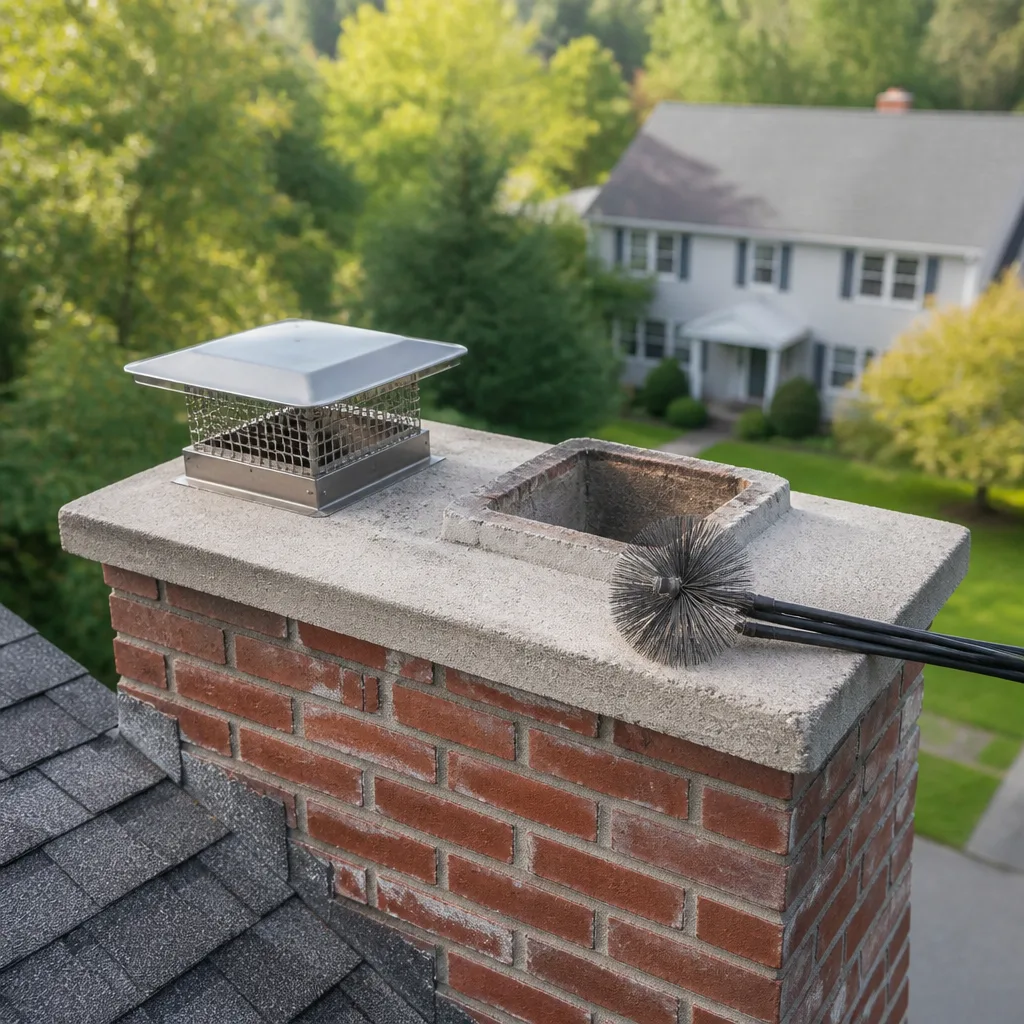
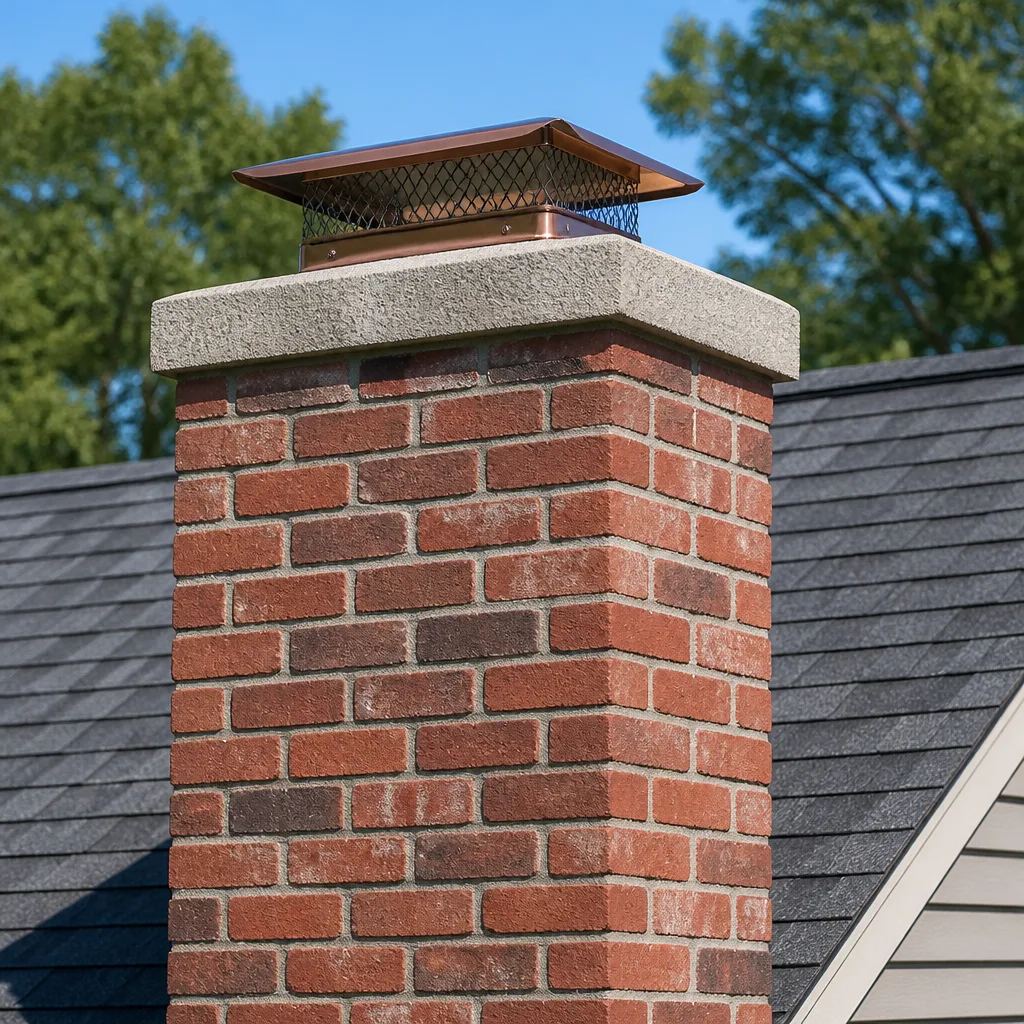
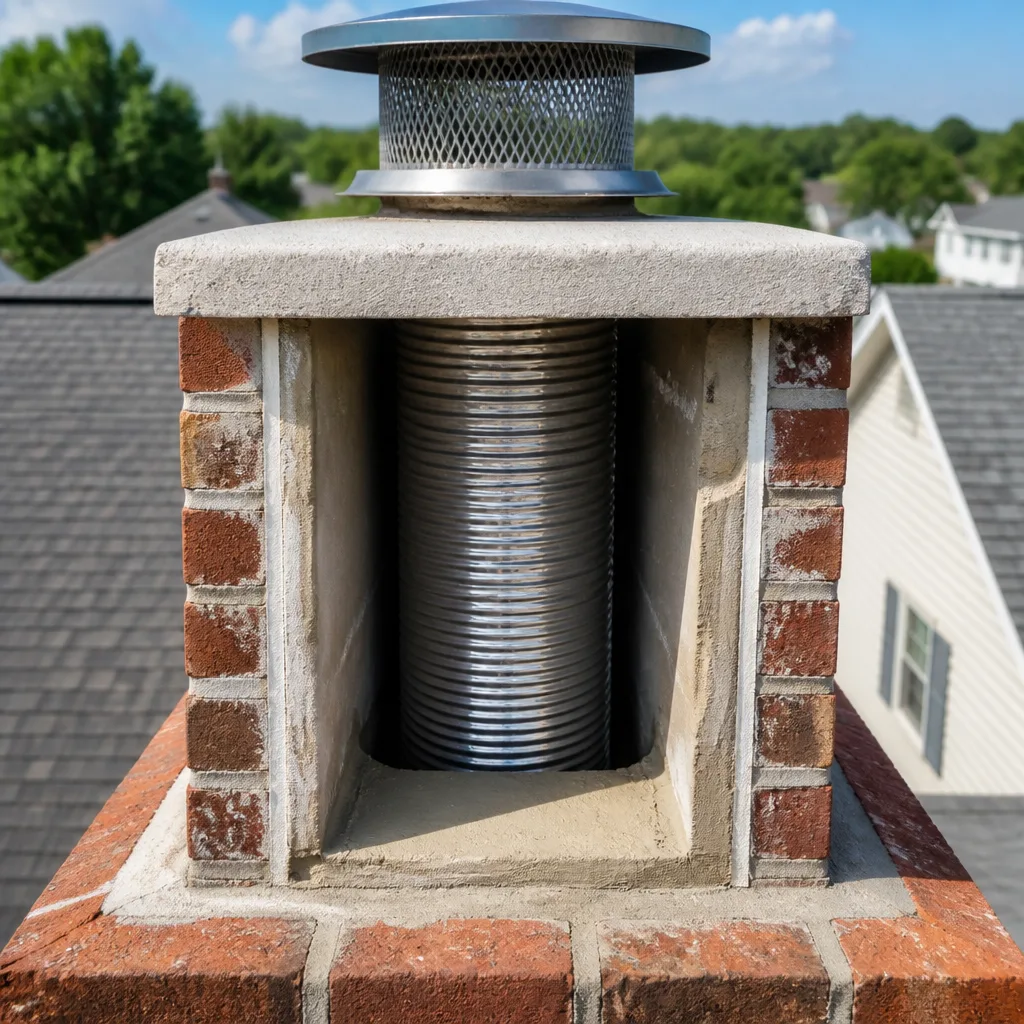
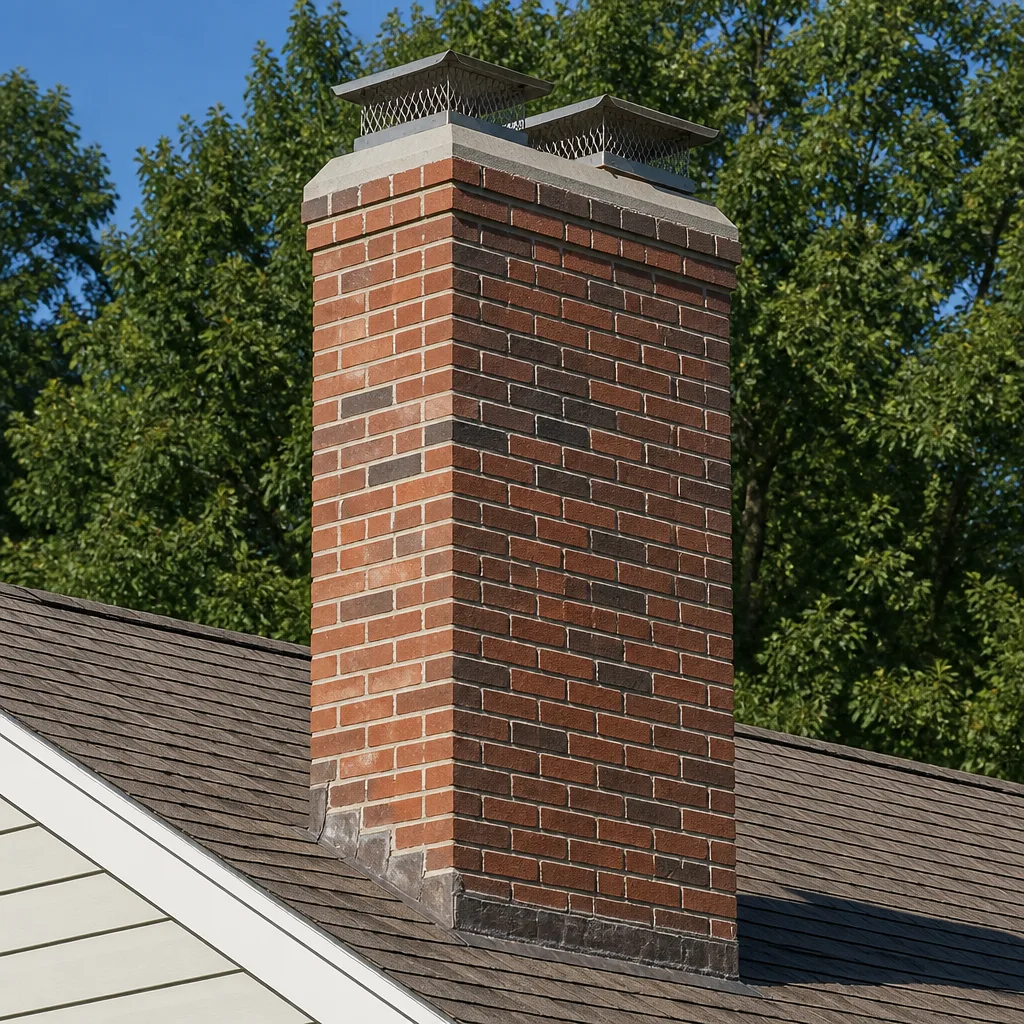
Level 1 sweep and inspection to the NFPA 211 annual standard - flue, crown, cap, and flashing checked and photographed
Chimney sweep logs do not sweep chimneys. They loosen some creosote - which then falls where a brush and vacuum still have to collect it.
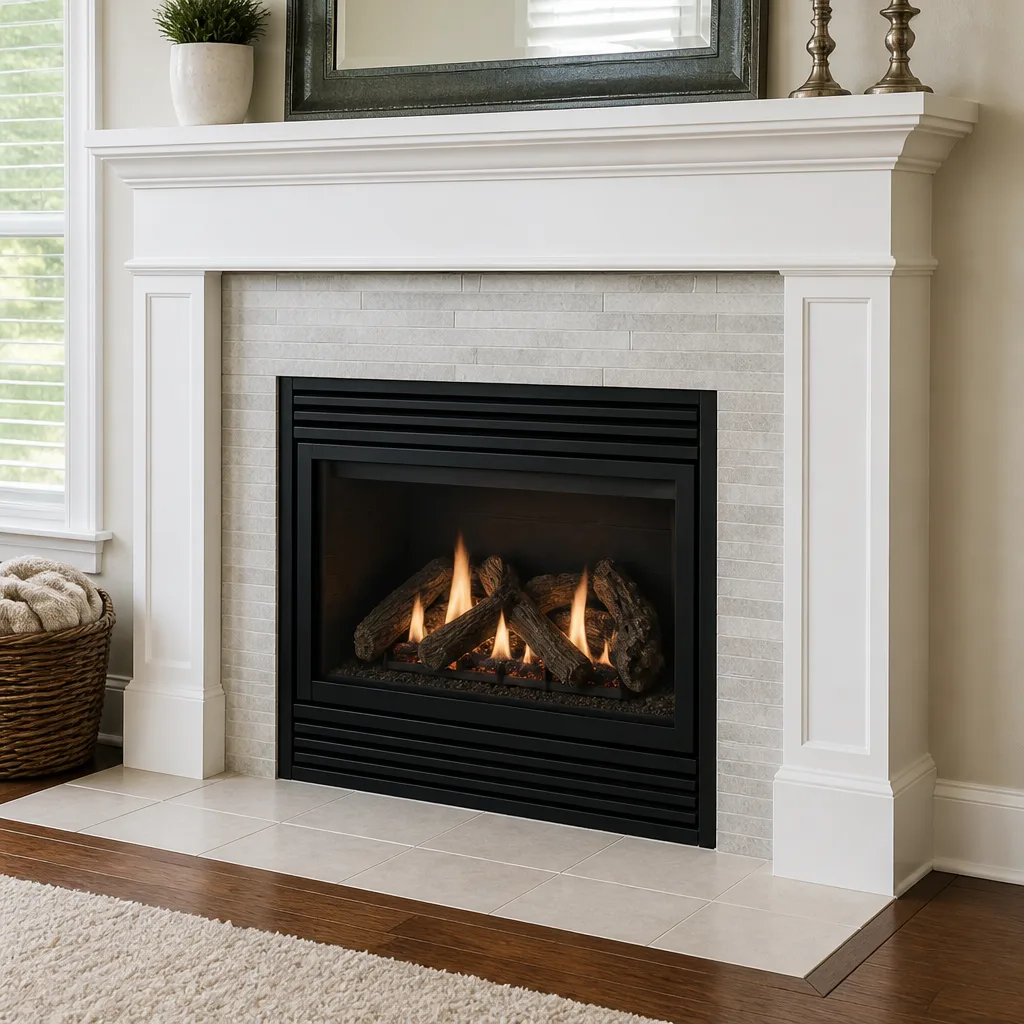
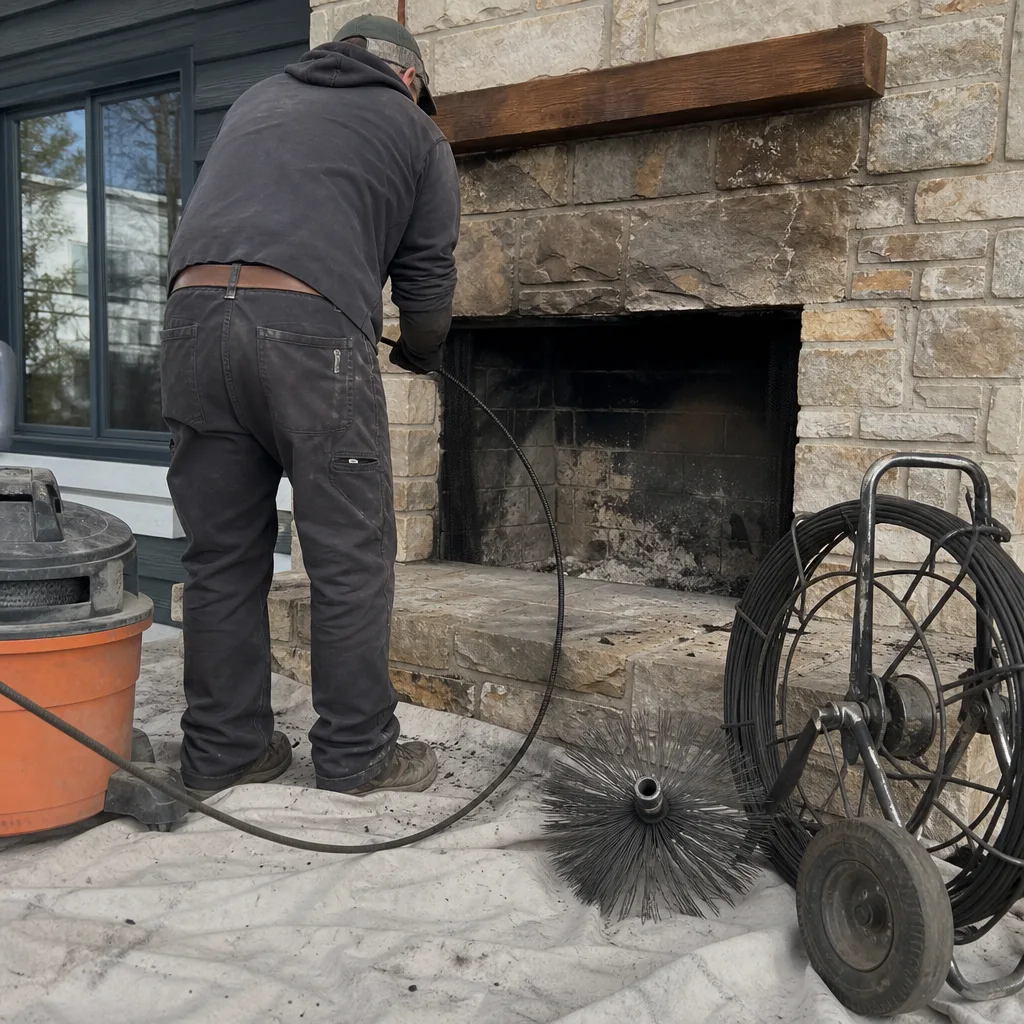 Before
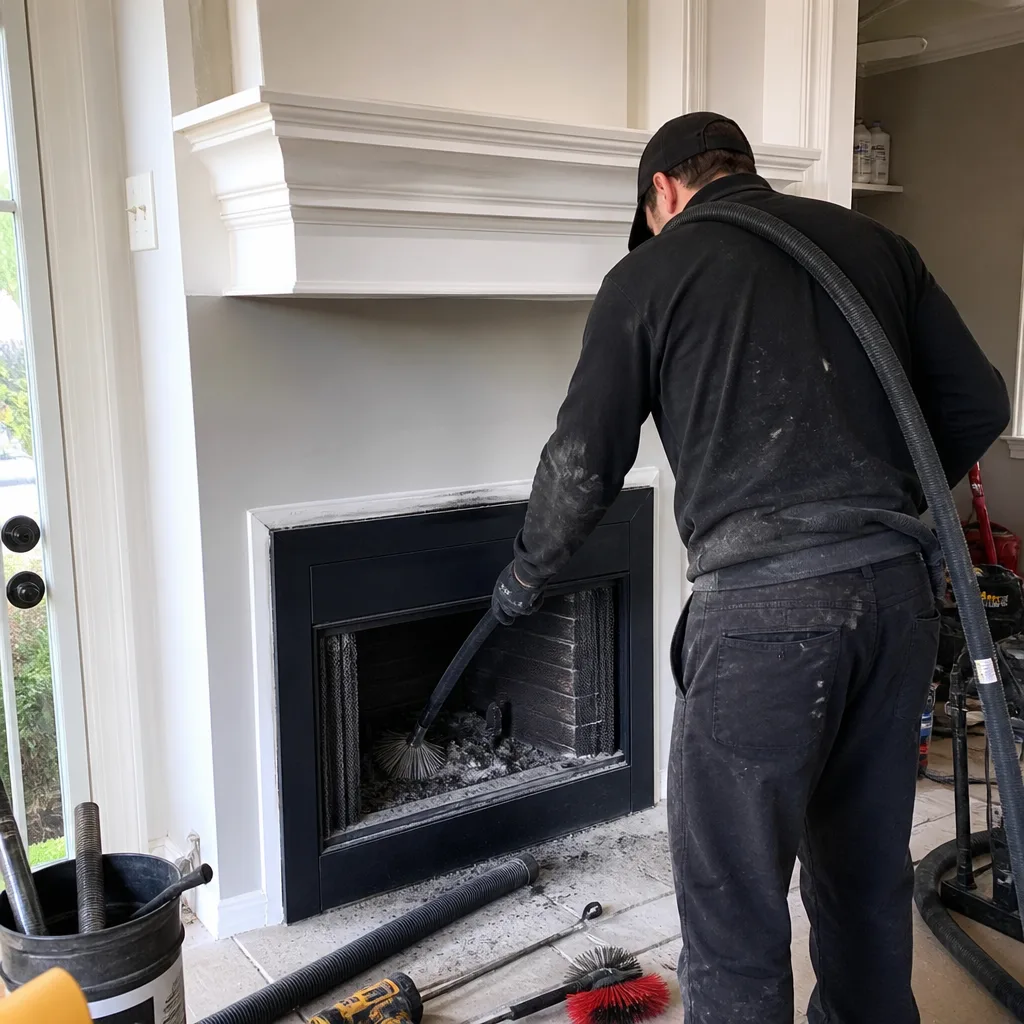 After
After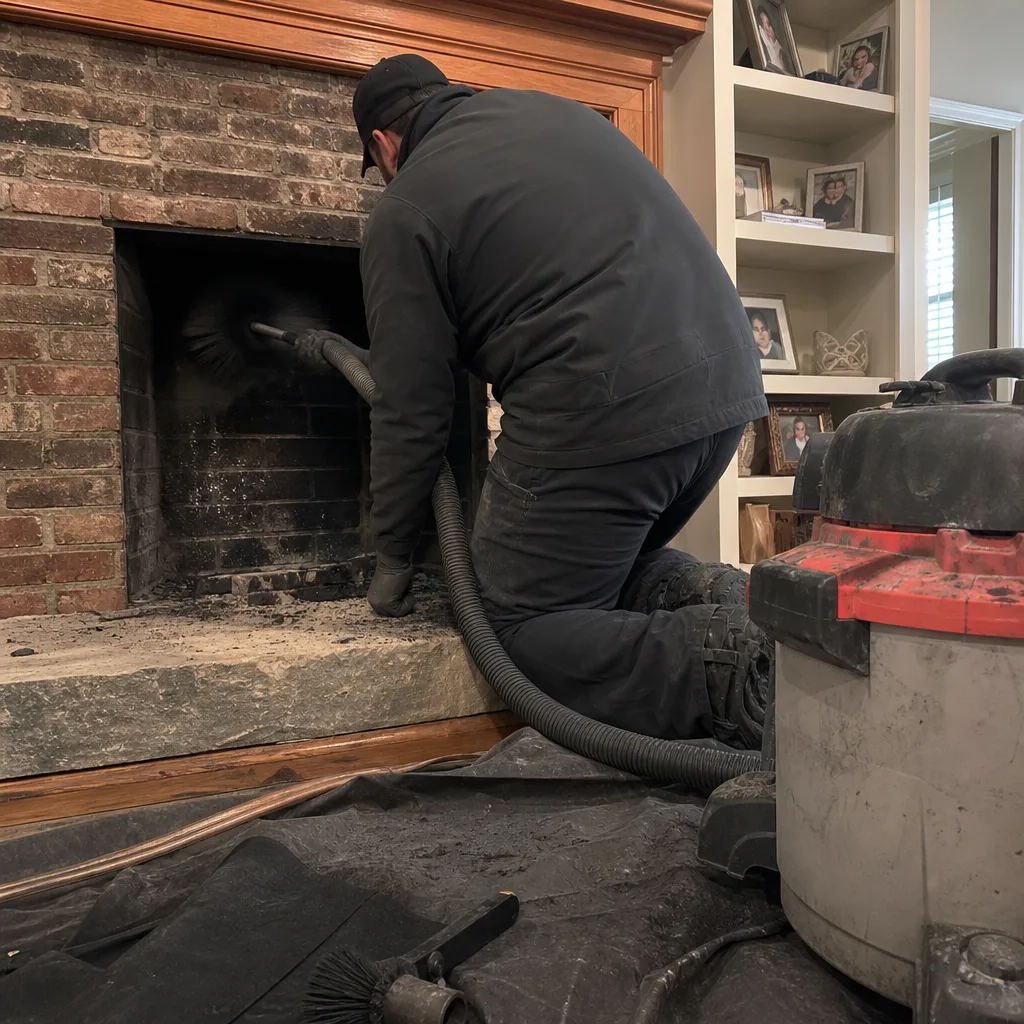 Before
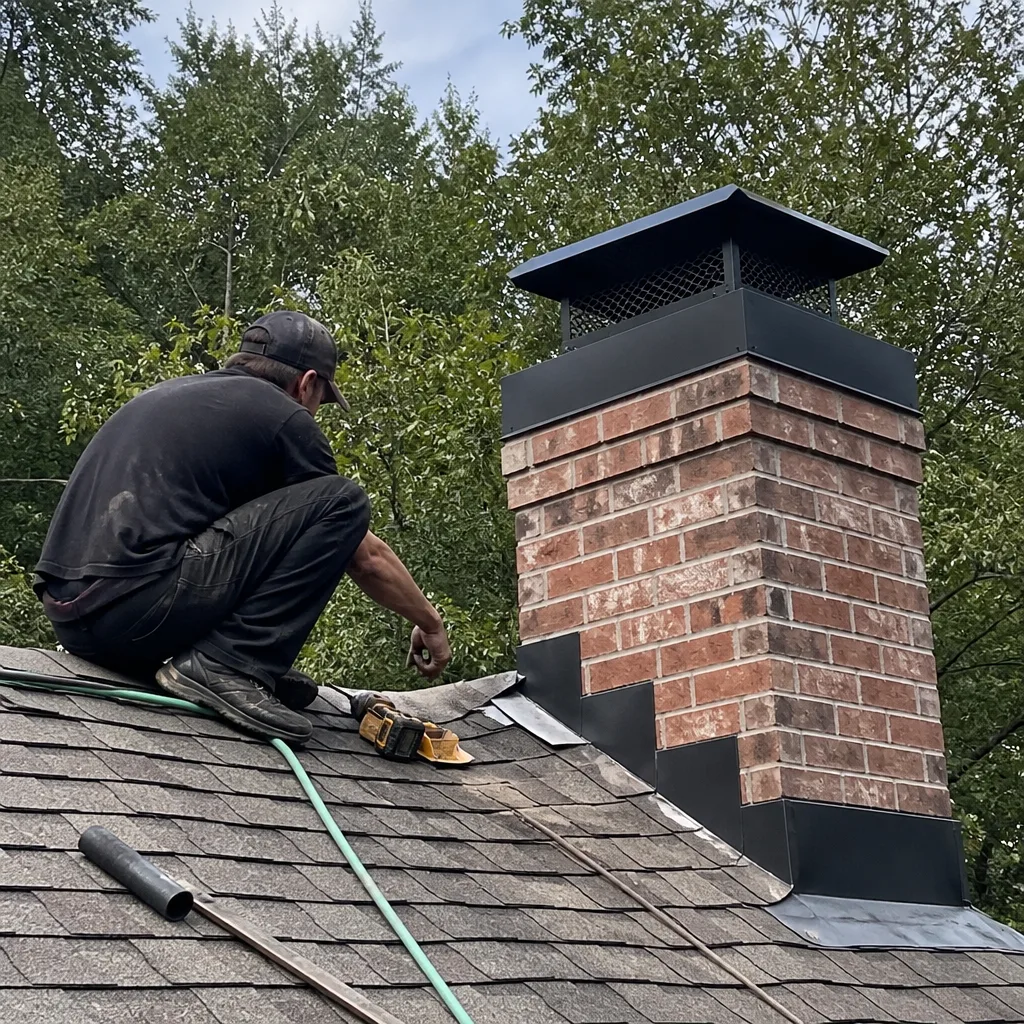 After
After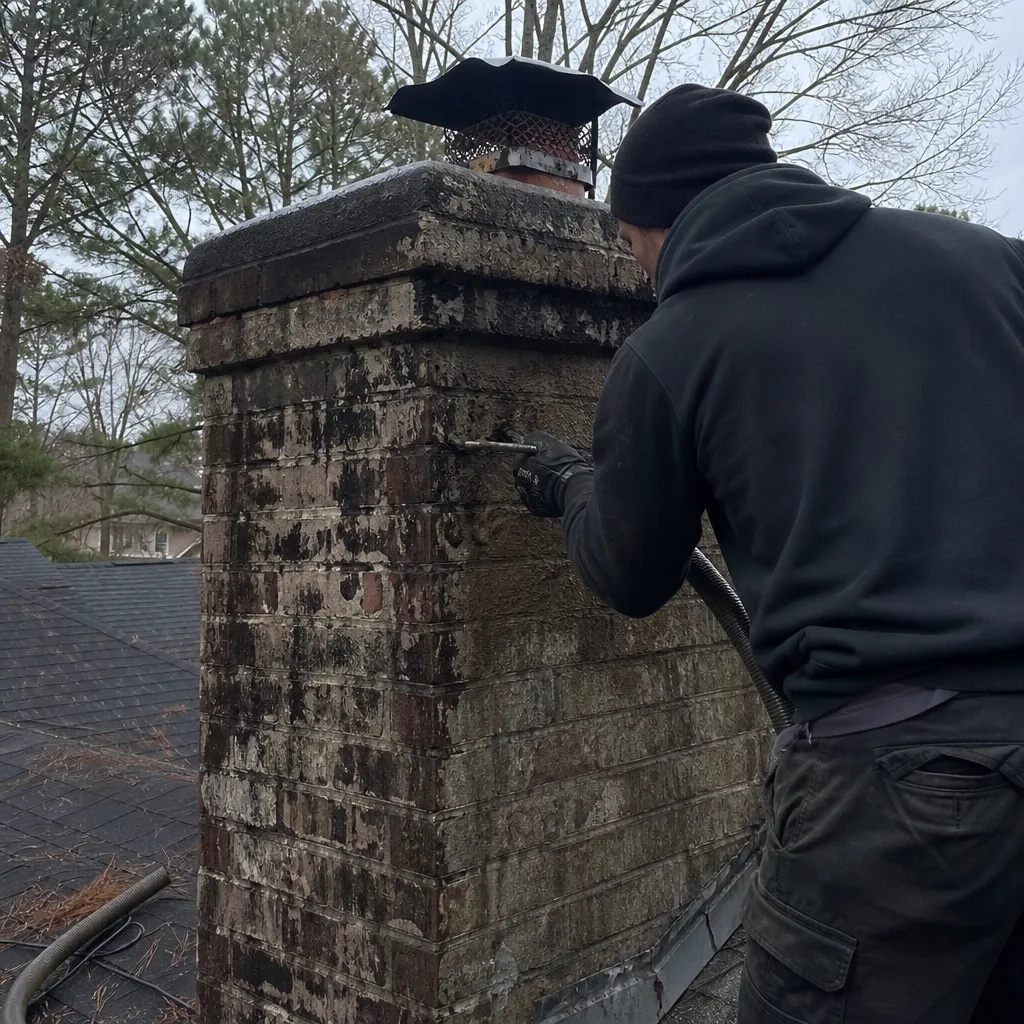 Before
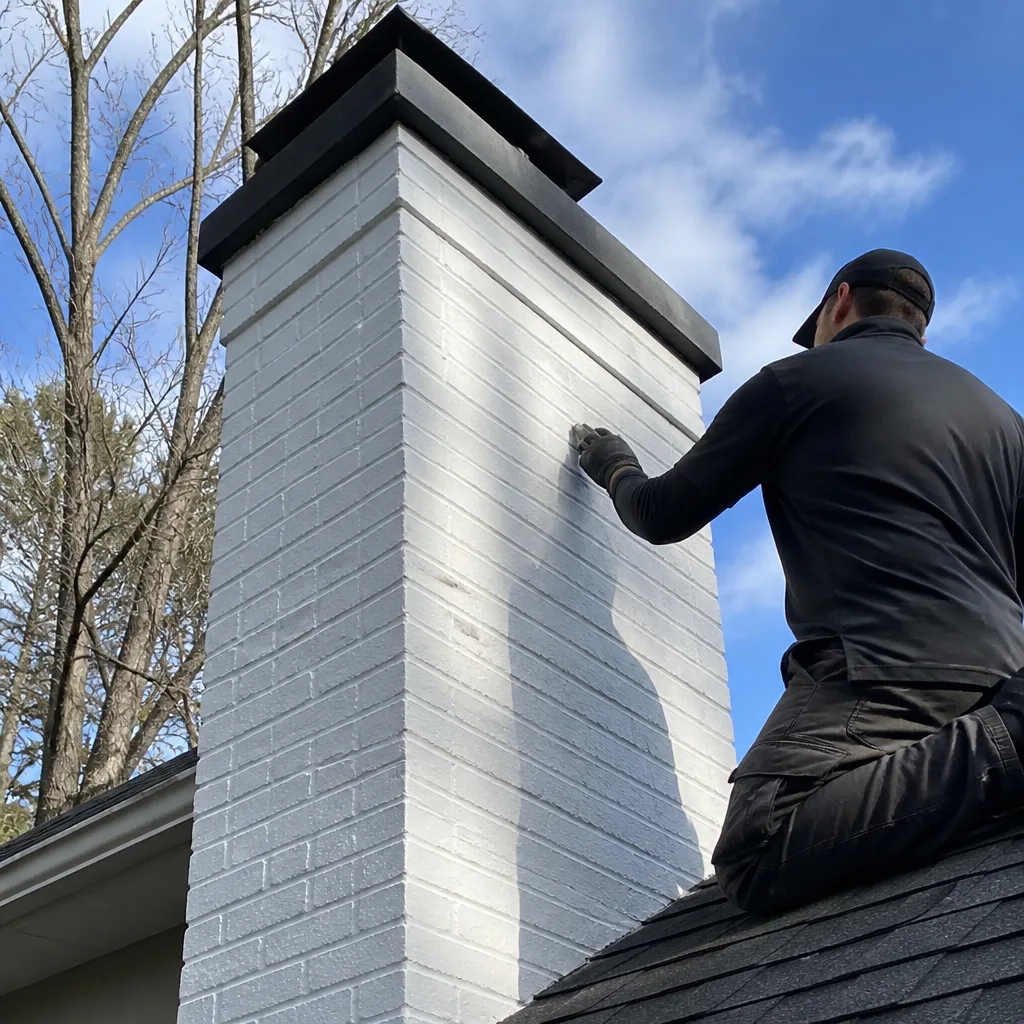 After
AfterSpalling Brick Repair in Atlanta, GA
Spalling brick repair in Atlanta typically costs $350-$1,800, depending on how many courses of brick are affected and whether the underlying mortar joints need Mortar Repointing at the same time. Most jobs are completed in a single visit, and every one starts with a written price before a single tool comes out of the truck.
Spalling is what happens when the face of a brick breaks away, flakes, or pops off in layers. It looks like surface wear, but it almost always signals that water has been cycling through the masonry – freezing, expanding, and cracking the brick from the inside out. Atlanta’s climate makes this worse than homeowners expect: we don’t get the sustained cold of Chicago or Minneapolis, but we do get repeated freeze-thaw cycles between November and March, and our warm-season humidity keeps brick cores saturated longer than drier climates. That combination is hard on older brick, and most of the chimneys we inspect in Buckhead, Morningside, and Druid Hills were built with soft clinker brick that absorbs water faster than modern hard-fired varieties.
At Level Two Chimney Atlanta, we’ve inspected more than 38,000 chimneys since 2009, and spalling brick is one of the most common findings we address with our Chimney Repair services on older Atlanta-area homes. Corrine Halstead built this company on the principle that the camera footage and the written price come before any repair recommendation – not after. If you’re seeing brick faces on your driveway or crumbling mortar joints around your chimney, call us at (470) 435-7984. A live person answers every call, around the clock.
Spalling brick repair falls under our broader Chimney Repair in Atlanta service, which covers everything from crown rebuilds to full liner replacements.
When You Need Spalling Brick Repair
- Brick fragments on the ground or in the firebox. If you’re finding small chips, flat flakes, or fist-sized pieces of brick near the base of your chimney or inside the hearth, the spalling is already advanced enough that structural integrity can be compromised. In Decatur and Grant Park, we often see this on chimneys that have lost their caps, letting water pour straight down the flue for years.
- Pitting or pockmarked brick faces. Early-stage spalling looks like the surface of an orange peel – rough, cratered, slightly soft to the touch. At this point the brick hasn’t fully failed, but the freeze-thaw cycle has begun. Catching it here is significantly cheaper than waiting for full face loss.
- White efflorescence (salt staining) on the chimney exterior. Those white streaks or powdery deposits are mineral salts being pushed to the surface by water moving through the brick. They’re not cosmetic – they’re a sign the masonry is saturated, and spalling typically follows within one to three winters.
- Crumbling or recessed mortar joints alongside damaged brick. Spalling and mortar deterioration almost always travel together. When mortar fails, water finds channels into the brick core faster, accelerating the freeze-thaw damage. Repointing the joints without addressing the spalled brick – or vice versa – leaves the repair incomplete.
- Stair-step cracks in the chimney stack. These diagonal cracks that follow the mortar lines usually mean differential settling has opened the joints and water has been getting in long enough to damage surrounding brick. We see this frequently on older Virginia-Highland and Inman Park homes where the original footings have shifted.
- Visible rust staining running down the chimney face. This usually means the chimney cap or flashing is corroding and sending rust-laden water across the brick. The staining itself isn’t spalling, but the sustained moisture it indicates will produce spalling if the source isn’t corrected at the same time as any brick repair.
Our Spalling Brick Repair Process
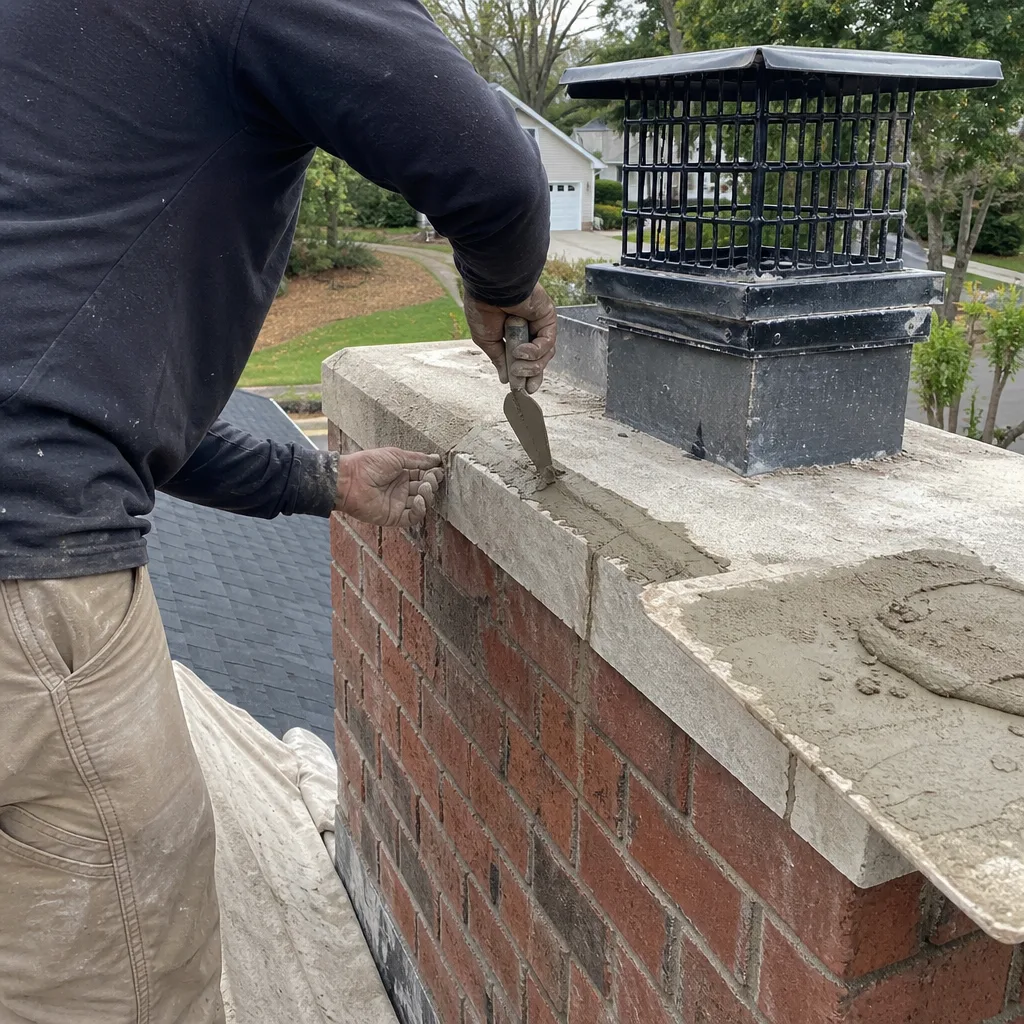
- NFPA 211 Level 2 camera inspection before any quote. Every visit starts with a camera scan of the flue and a close visual of the exterior stack. We photograph every section of concern – spalled faces, failed joints, crown condition, flashing. You get the camera footage and the photos. That documentation becomes your permanent record under Clause 4 of the Haven Standard, and it’s also what protects you if an insurance claim ever comes into the picture. We don’t quote spalling repairs off a glance from the driveway.
- Written scope and written price, before work begins. After the inspection, we write out exactly which bricks are being replaced, how many linear feet of joint are being repointed, what materials we’re using, and what the total cost is. You sign off on that scope. If anything changes once we’re into the work, we tell you in writing before we proceed. This is Clause 1 of the Haven Standard – written price, written scope, written warranty, every time.
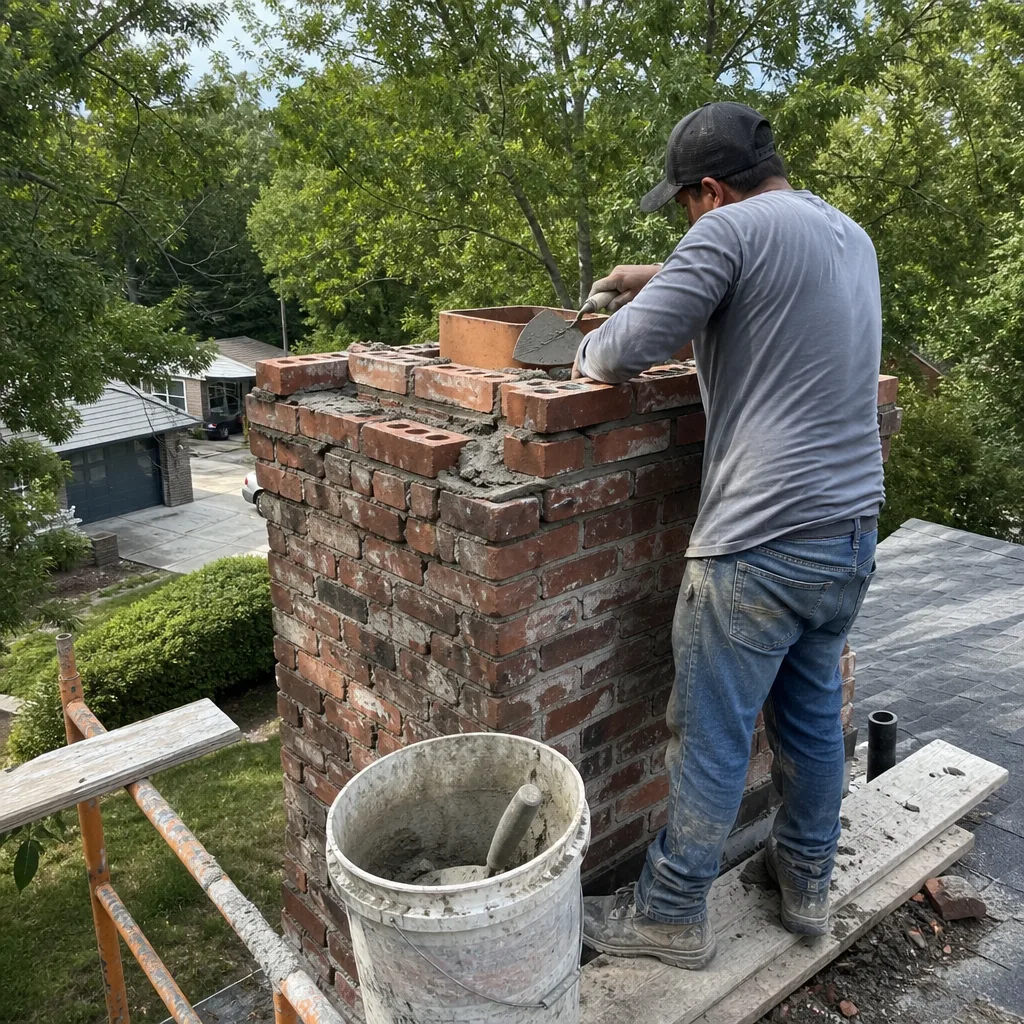
- Selective brick removal and substrate preparation. Spalled bricks that have lost structural integrity are removed carefully to avoid disturbing adjacent courses. The substrate is cleaned of loose material, efflorescence, and old mortar residue. For chimneys in Atlanta’s older neighborhoods where the original mortar was lime-based, we use a compatible lime-ratio mix for the replacement mortar – hard Portland-only mortars can cause new cracking in historic brick if the coefficients of expansion don’t match.
- Brick replacement and repointing. Replacement brick is matched as closely as possible to the original in color and density – this matters both structurally and visually, particularly on the Craftsman and Colonial Revival homes common in Candler Park and Brookhaven. Mortar joints are packed in layers and tooled to match the existing profile. Where repointing is part of the scope, old mortar is raked out to a minimum depth before new material goes in, so the bond actually holds.
- Water-repellent treatment where appropriate. On chimneys where the brick is sound but surface absorption is high, we apply a vapor-permeable masonry water repellent. “Vapor-permeable” matters: a film that seals the brick completely traps interior moisture and can accelerate the spalling it’s meant to prevent. We use products sourced through Haven’s supply network – including options from Gelco and Olympia Chimney – specifically because the formulations have been vetted for Atlanta’s humidity profile.
- Post-repair photo record and written warranty. When the work is complete, we photograph the repaired sections and add them to your job file. You receive a written warranty for the repair, and the entire job is covered by the 365-Day Done Right Promise. If something isn’t right within a year of completion, we come back and make it right. No negotiation, no service call fee – that’s the promise stamped on every job.
BeforeAfterSpalling Brick Repair Pricing in Atlanta
Spalling brick repair in Atlanta runs $350 to $1,800 for most residential chimneys. Jobs at the lower end involve a handful of spalled faces on an otherwise sound stack with good mortar joints. Jobs at the higher end involve multiple courses of failed brick, significant repointing, and possible crown repair discovered during the inspection. Full chimney rebuilds above the roofline are a separate scope and priced accordingly.
| Scope of Work | Typical Range (Atlanta) |
|---|---|
| Minor spalling repair (1-5 bricks, limited repointing) | $350 – $600 |
| Moderate spalling repair (6-20 bricks, partial repointing) | $600 – $1,100 |
| Extensive spalling with full repointing of the chase | $1,100 – $1,800 |
| Water repellent application (added to repair scope) | $150 – $300 |
| Crown repair added to same visit | $200 – $500 |
What moves the number:
- Number of affected bricks and courses. Ten spalled faces on the upper two courses of a single-flue chimney is a different job than three courses of spalling on a wide double-flue stack.
- Mortar joint condition. If the joints are sound, the repair is mostly brick. If the joints are failing alongside the brick, repointing adds both labor and material cost.
- Roof access and chimney height. A two-story home in Sandy Springs with a tall chimney stack requires more staging time than a single-story ranch in East Atlanta.
- Brick matching difficulty. Historic homes with hand-made or regional brick can require sourcing time. We’re upfront about this in the written scope.
- What the camera finds. Occasionally the inspection reveals crown damage, cap failure, or flashing issues that are directly responsible for the spalling. Fixing the brick without fixing the water source is money wasted, so we’ll tell you what else needs attention – and you decide what to authorize.
We don’t use the phrase “call for a quote” on this page or any other – because a written price before work starts is the whole point. Book an inspection at (470) 435-7984, and you’ll have a written number in hand before we ask you to decide anything. Estimates are free, and if you’ve already received a written quote from another company, bring it in for a free second opinion.
FAQs – Spalling Brick Repair
What causes brick to spall on Atlanta chimneys?
Spalling is caused by water penetrating the brick and expanding as it freezes, which fractures the brick from the inside out. In Atlanta, this happens more often than homeowners expect because our winters deliver repeated freeze-thaw cycles rather than sustained deep freezes – the brick gets wet during warm stretches and then cracks when temperatures dip below 32 degrees overnight. Chimneys without caps, with failed crowns, or with compromised flashing are the most vulnerable, because water is entering the masonry from the top rather than just surface absorption. In neighborhoods like Decatur and Candler Park, we also see a lot of soft pre-1970 brick that absorbs water significantly faster than modern hard-fired brick. Call us at (470) 435-7984 if you’re not sure whether what you’re seeing is surface staining or actual spalling – the camera inspection will tell you exactly what you’re dealing with.
Is spalling a structural problem, or just cosmetic?
Spalling is not cosmetic once the brick face has separated – it’s a structural and moisture problem that gets worse each winter. A brick that has lost its face is no longer shedding water the way it was designed to; the exposed porous interior absorbs even more moisture, accelerating the cycle. If multiple courses are spalling, the chimney stack loses compressive strength and the surrounding mortar joints are usually failing too. The cosmetic stage is the pitting and efflorescence that shows up before full face loss – that’s the cheapest point to intervene. By the time you’re finding pieces of brick on the ground, the repair scope is larger than it would have been two or three years earlier.
Can I repair spalling brick myself?
Surface repointing of a single low-access joint is something an experienced DIYer can handle with the right mortar mix. But replacing spalled bricks on a chimney stack – which is typically above the roofline and requires matching mortar chemistry to the original masonry – is work where errors cause new problems. Using a Portland-heavy mortar on historic soft brick can create stress cracks in the adjacent courses within a season or two. More practically, the source of the spalling (a failed cap, a cracked crown, inadequate flashing) is what causes the damage to recur; replacing bricks without identifying the water entry point just means you’ll be replacing them again. We’re not saying this to sell you a service call – we’re saying it because we see the results of mismatched mortar repairs regularly on homes across Atlanta, and re-repairs cost more than original repairs done right.
How long does spalling brick repair last?
A properly done spalling repair using compatible mortar and sound replacement brick should last 20 to 30 years on Atlanta chimneys, provided the water source is also corrected. If the cap is replaced, the crown is sealed, and the flashing is intact, the repaired section shouldn’t see the same failure mode again within that window. Every repair we complete is backed by the 365-Day Done Right Promise – if it’s not right within a year of the job, we come back and make it right at no charge. We also leave you with a documented photo record of the repair under Clause 4 of the Haven Standard, so there’s a baseline on file if anything is ever questioned down the road.
Why Atlanta Homeowners Use Level Two Chimney for Spalling Repairs
The short answer: we show you what we found before we tell you what it costs, and we put both in writing before we start. That process has been standard at Level Two Chimney Atlanta since 2009, and it’s the reason more than 38,000 inspections have been completed under it.
Spalling repair is an easy category to oversell. A technician who quotes the job from ground level without a camera or a close scaffold inspection can miss failed joints, crown damage, or flashing failure that will cause the same brick damage to recur in two winters. We’ve seen it on chimneys in Brookhaven and Sandy Springs where another company did a visible-brick replacement and left the crown cracked – the homeowner called us the following spring with the same problem, plus the original unfixed one.
Corrine Halstead built this company on the idea that the written scope and the camera footage are what protect the homeowner – not the technician’s confidence level. The Haven Standard codifies that into four specific clauses, and every job we complete is documented to them. That’s not marketing language; it’s the actual file you walk away with at the end of the job.
Materials on our spalling repairs come through Haven’s supply network, which includes Gelco and Olympia Chimney among others – not because those are the flashiest names, but because procurement through an established network keeps material costs from being inflated at the customer’s expense. You’ll see the materials listed on your written scope before you authorize anything.
If you want to understand the broader scope of what a chimney repair involves – from crown work to liner assessment – the home page walks through the full range of services we cover across the Atlanta area.
Schedule Your Spalling Brick Inspection in Atlanta
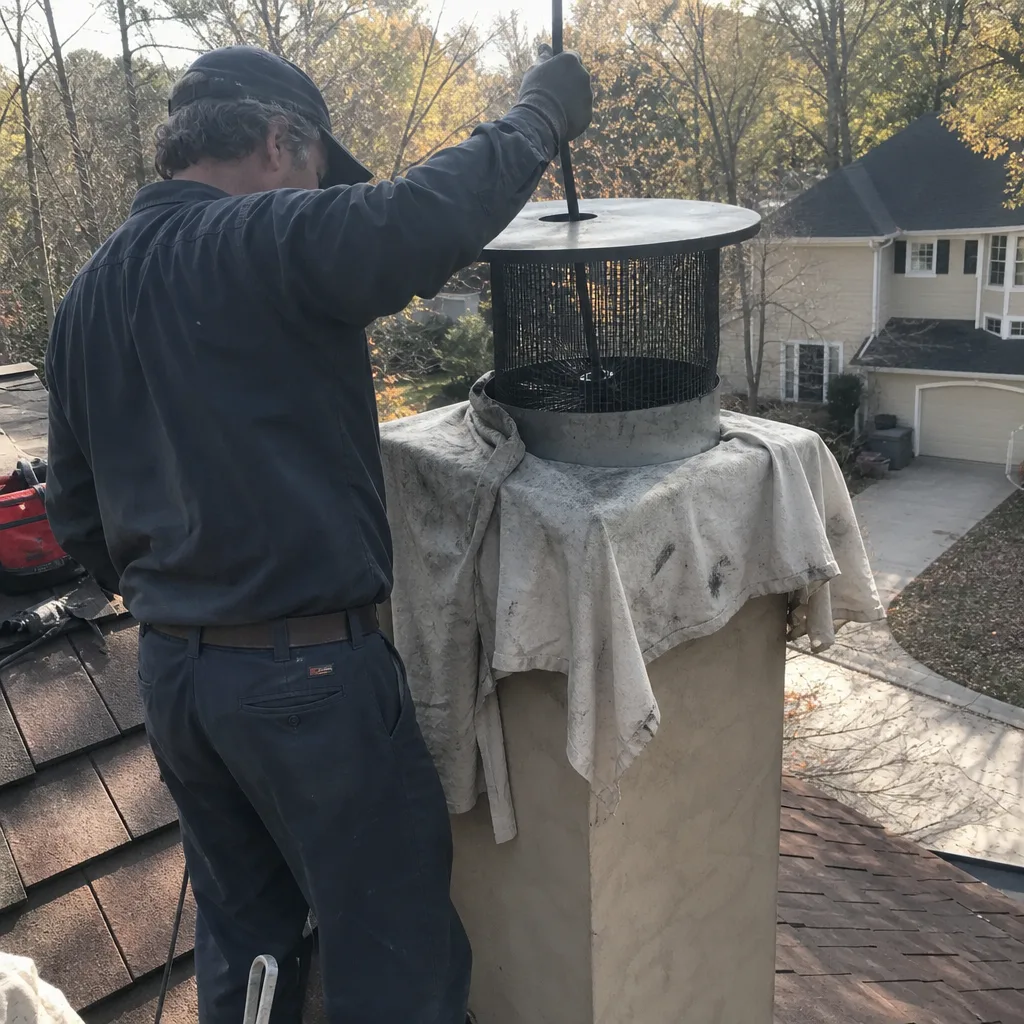
If you’re seeing crumbling brick, flaking faces, or debris at the base of your chimney, the right next step is a camera inspection with a written report and a written price. Not an estimate over the phone, not a ballpark – a number on paper before anyone starts working.
Call Level Two Chimney Atlanta at (470) 435-7984. A live person answers 24 hours a day. Corrine Halstead’s team covers Atlanta proper and the surrounding metro, and a free second opinion on any written estimate from another company is always available. Book the inspection and you’ll have the camera footage, the photo record, and the written scope in hand before you make any decision.
Written by Corrine Halstead, Owner at Level Two Chimney Atlanta, serving Atlanta.