
Last updated September 22, 2026
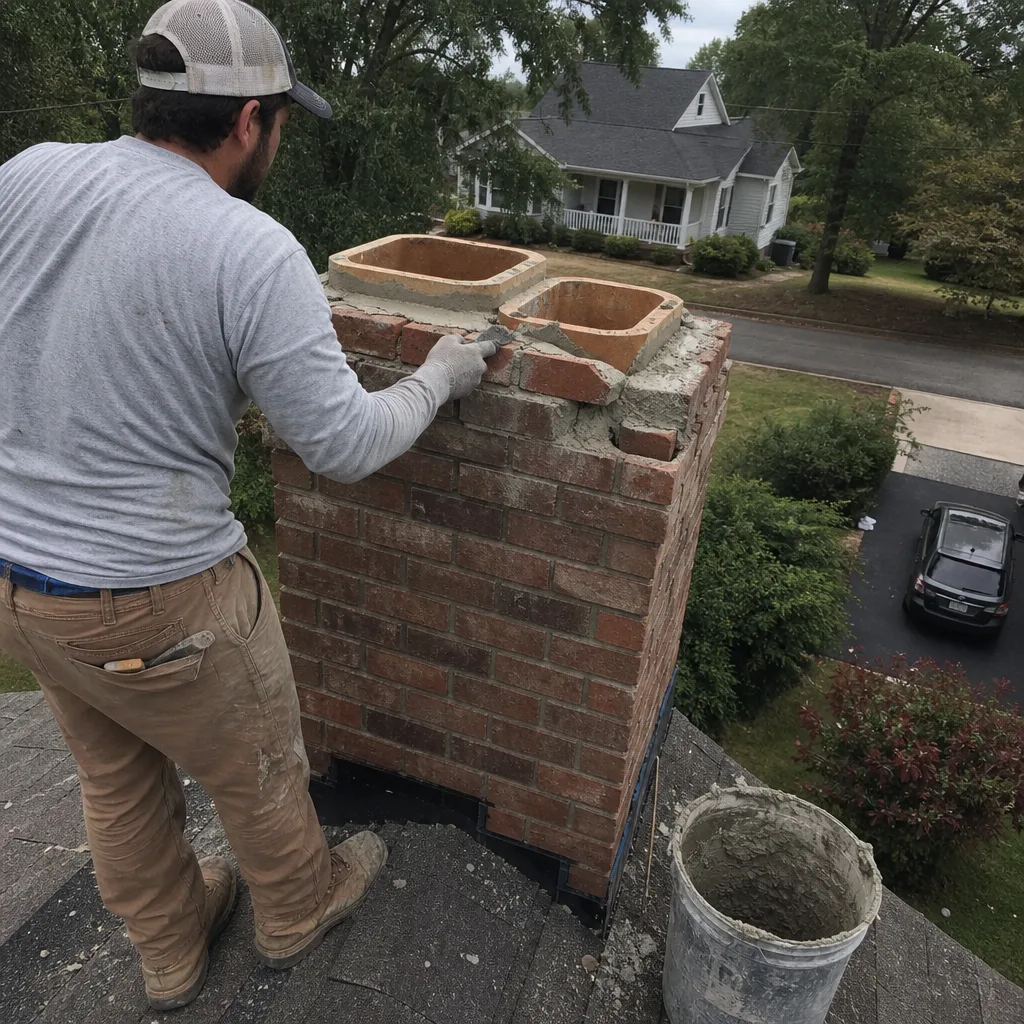
Level 1 sweep and inspection to the NFPA 211 annual standard - flue, crown, cap, and flashing checked and photographed
Chimney sweep logs do not sweep chimneys. They loosen some creosote - which then falls where a brush and vacuum still have to collect it.
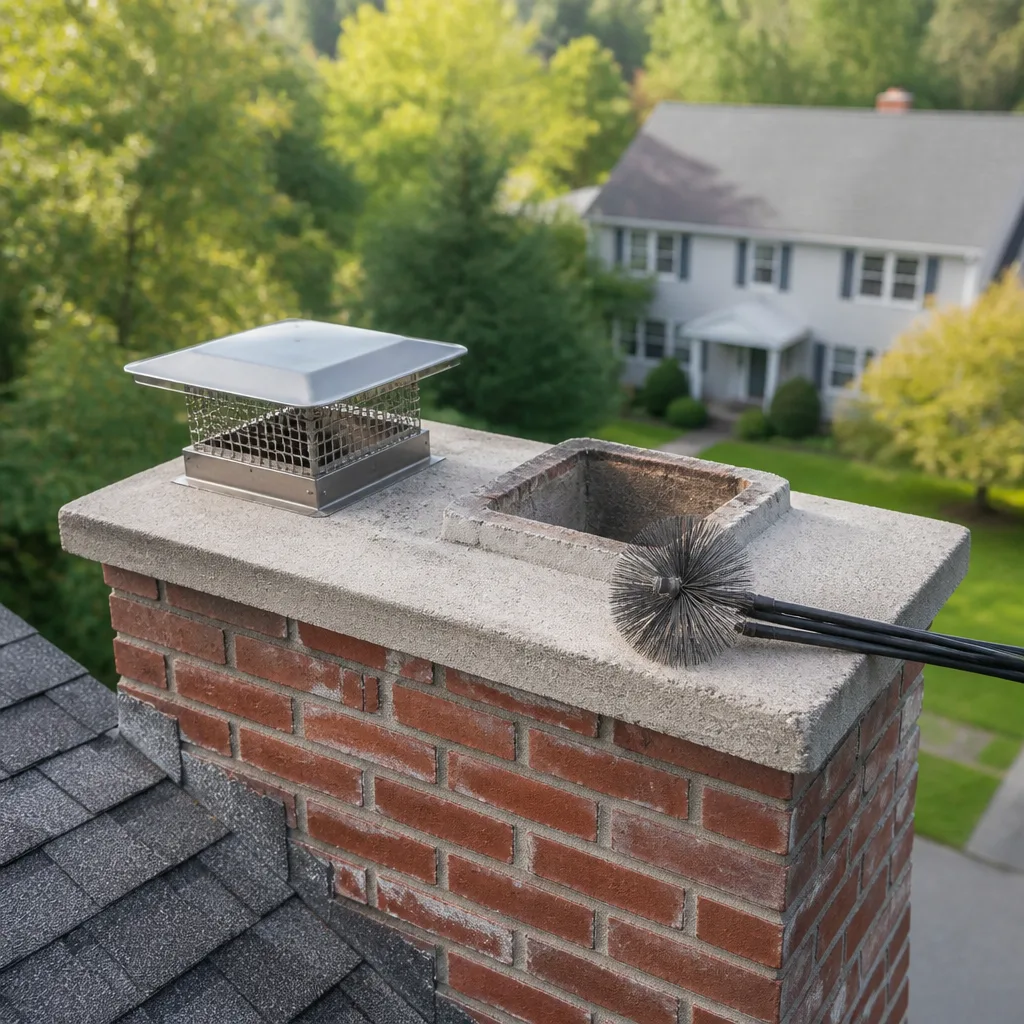
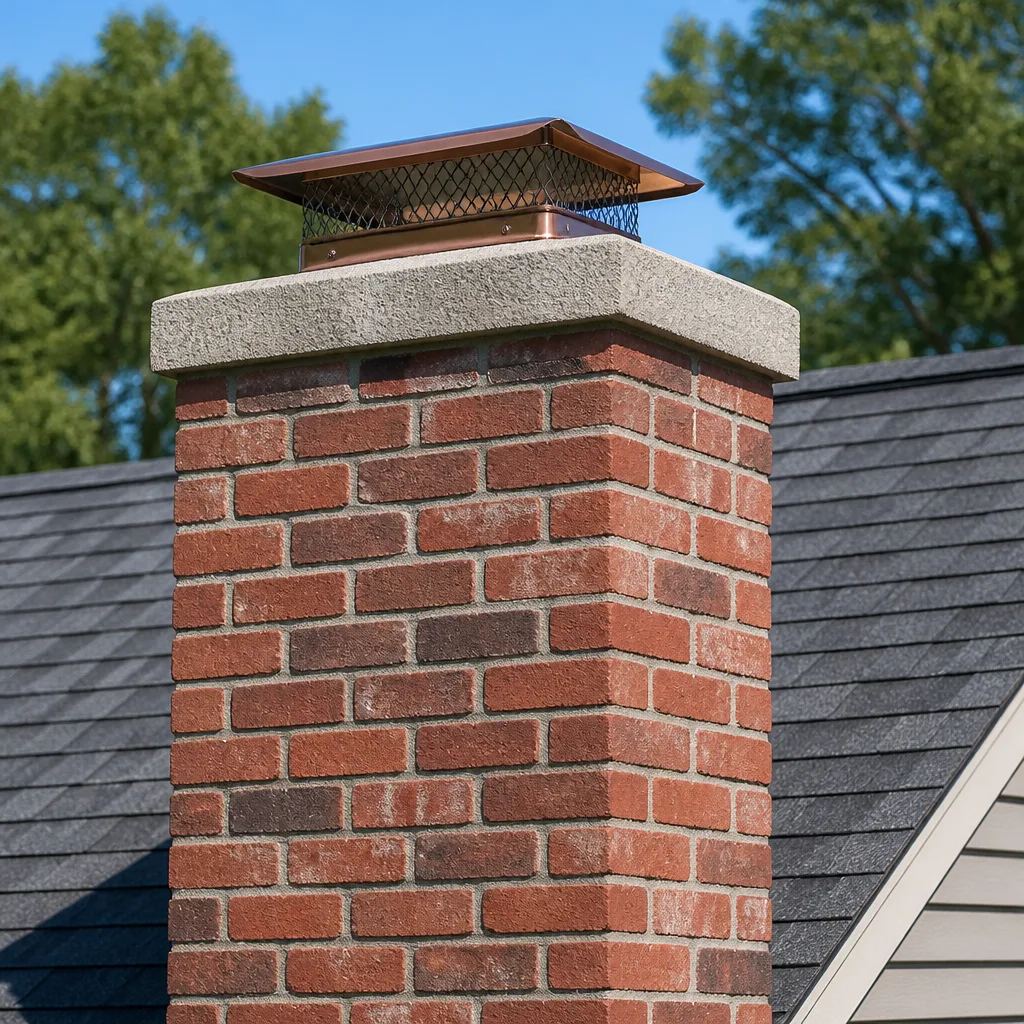
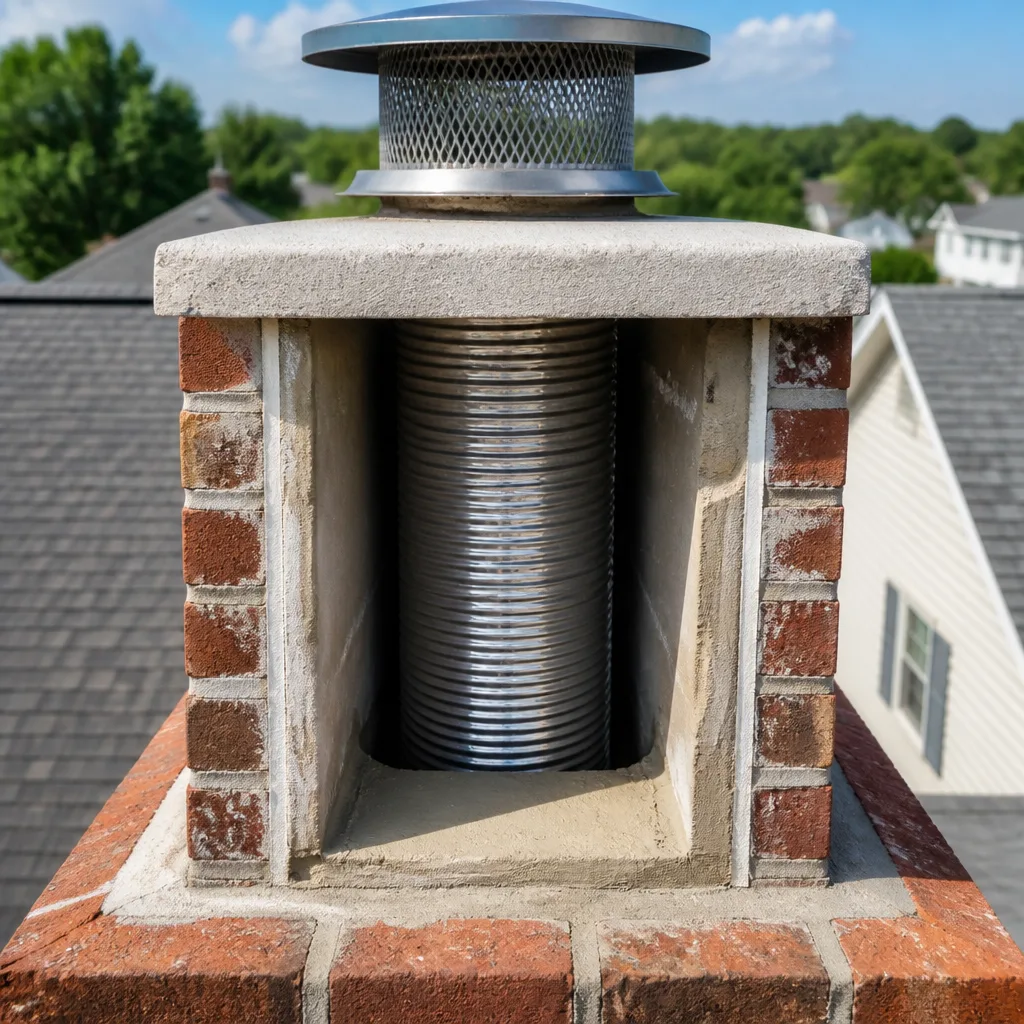
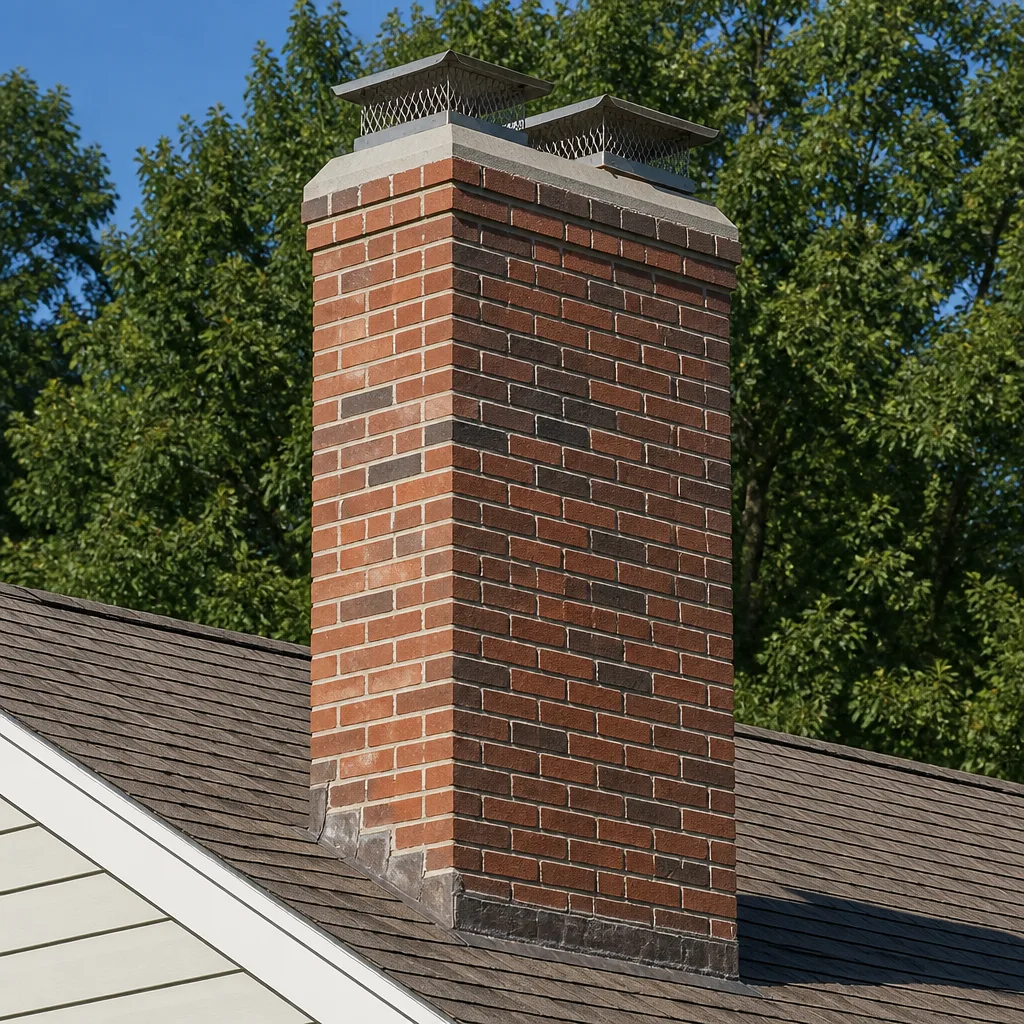
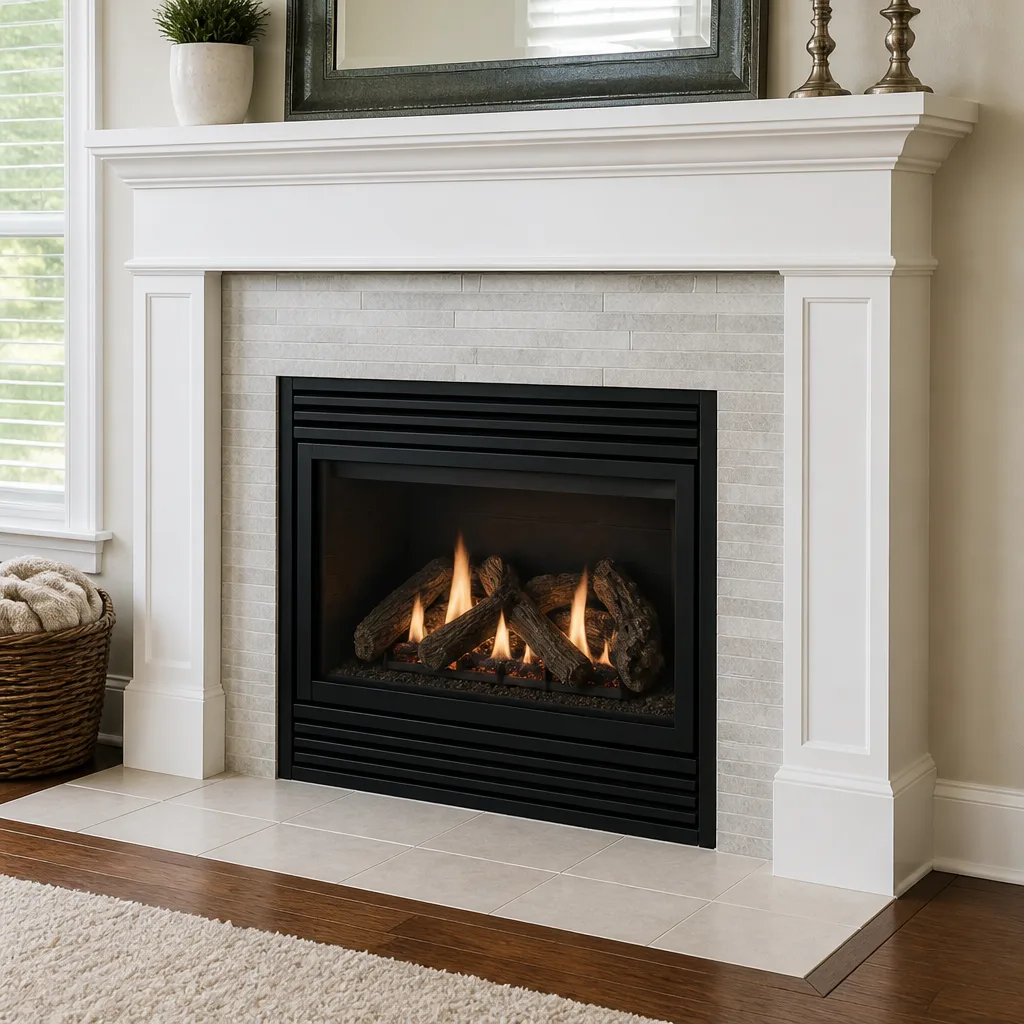
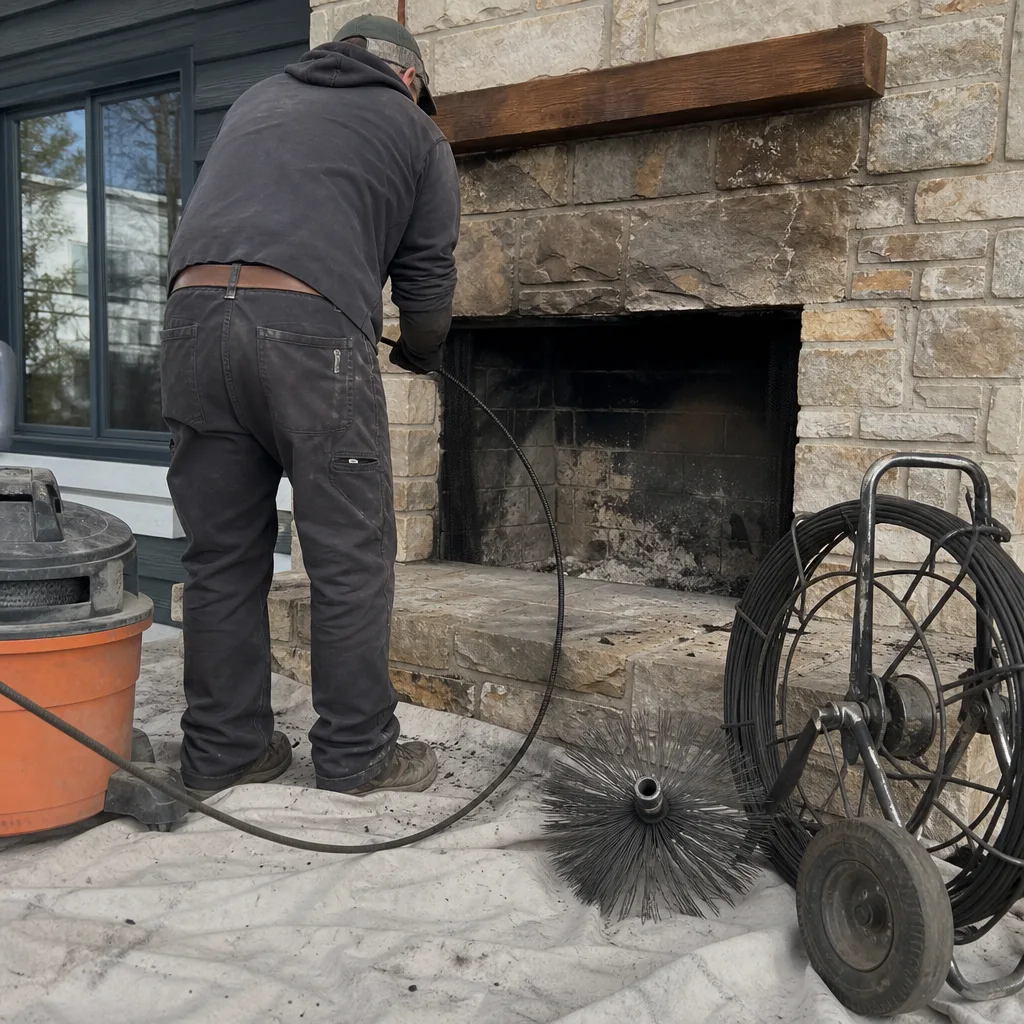 Before
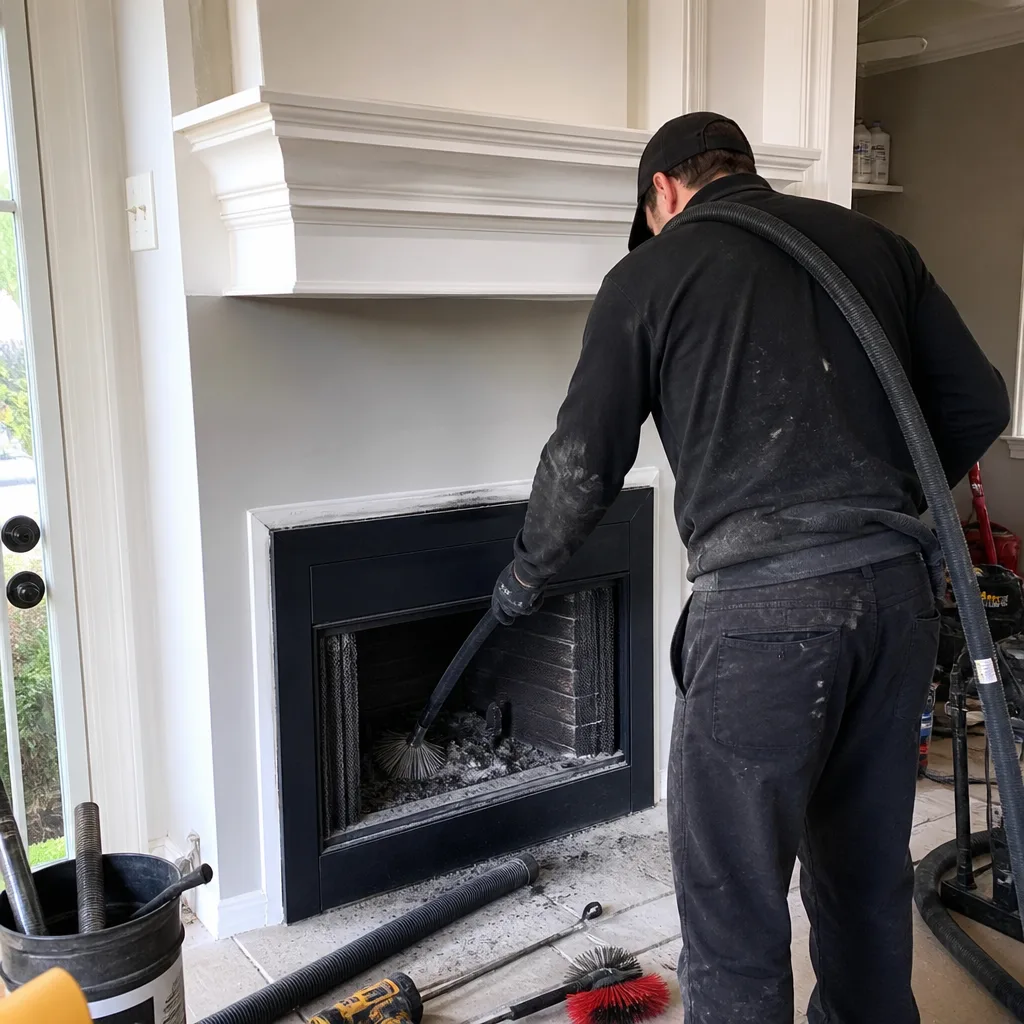 After
After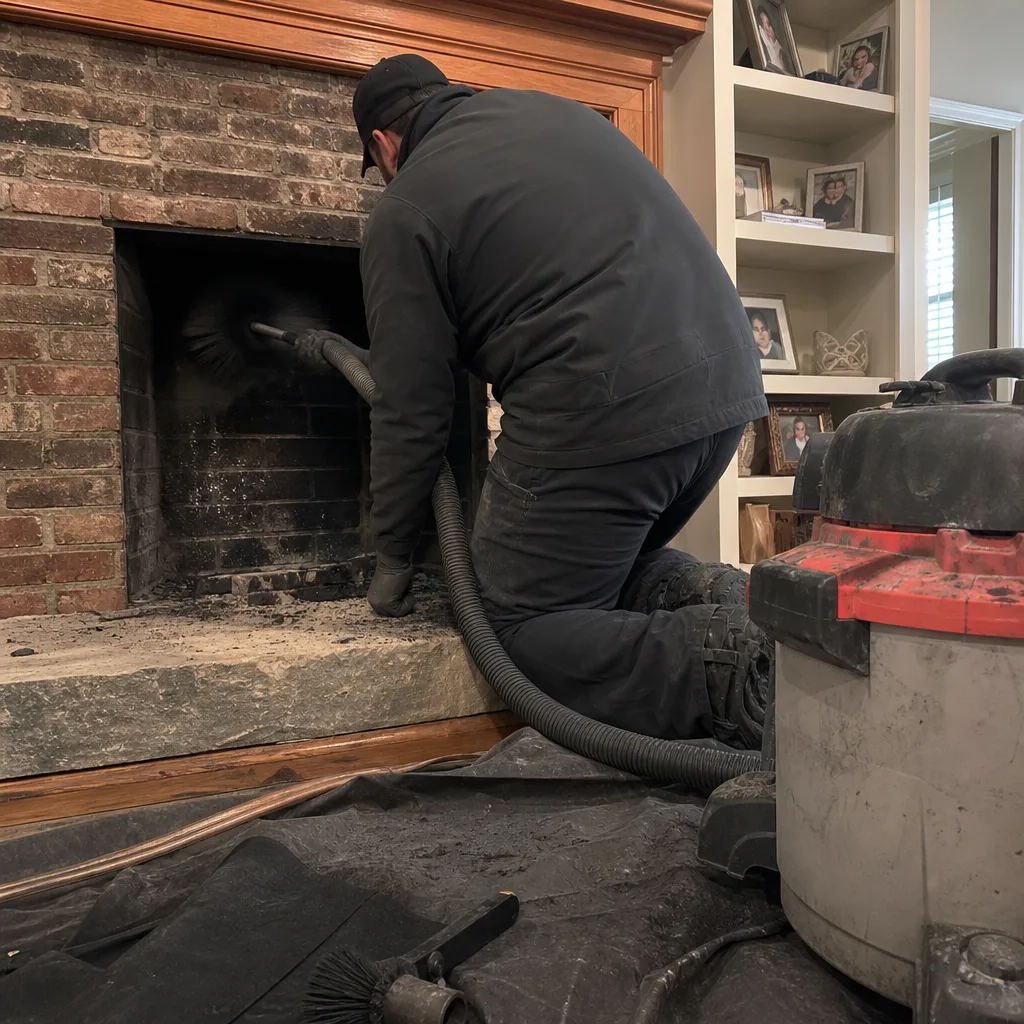 Before
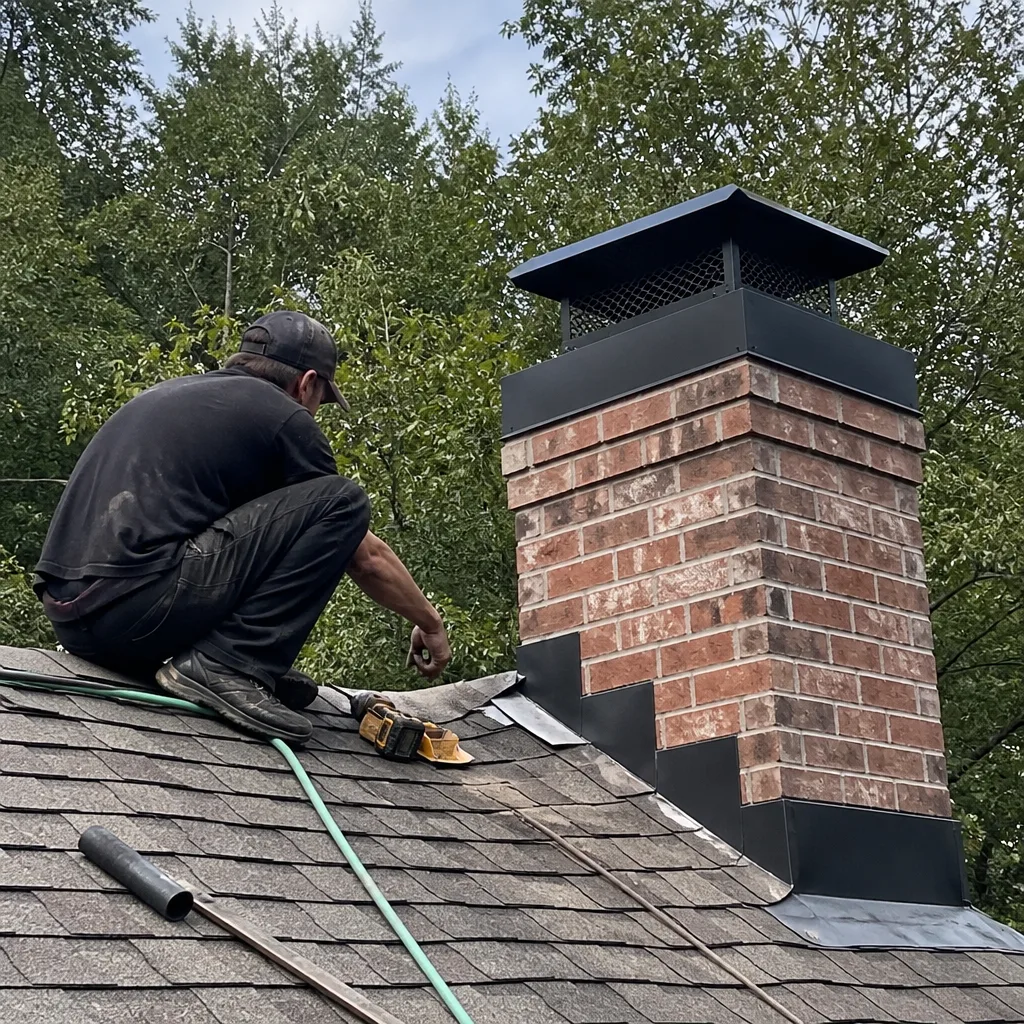 After
After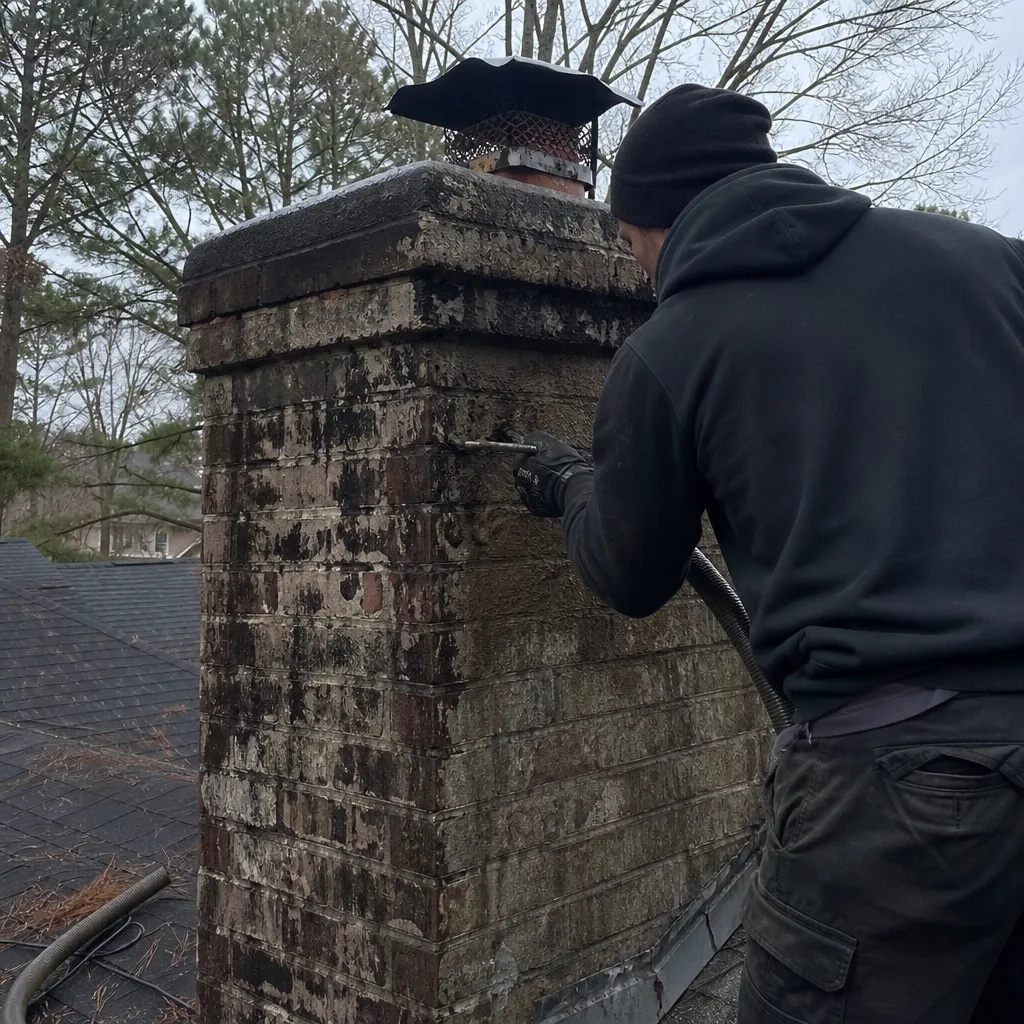 Before
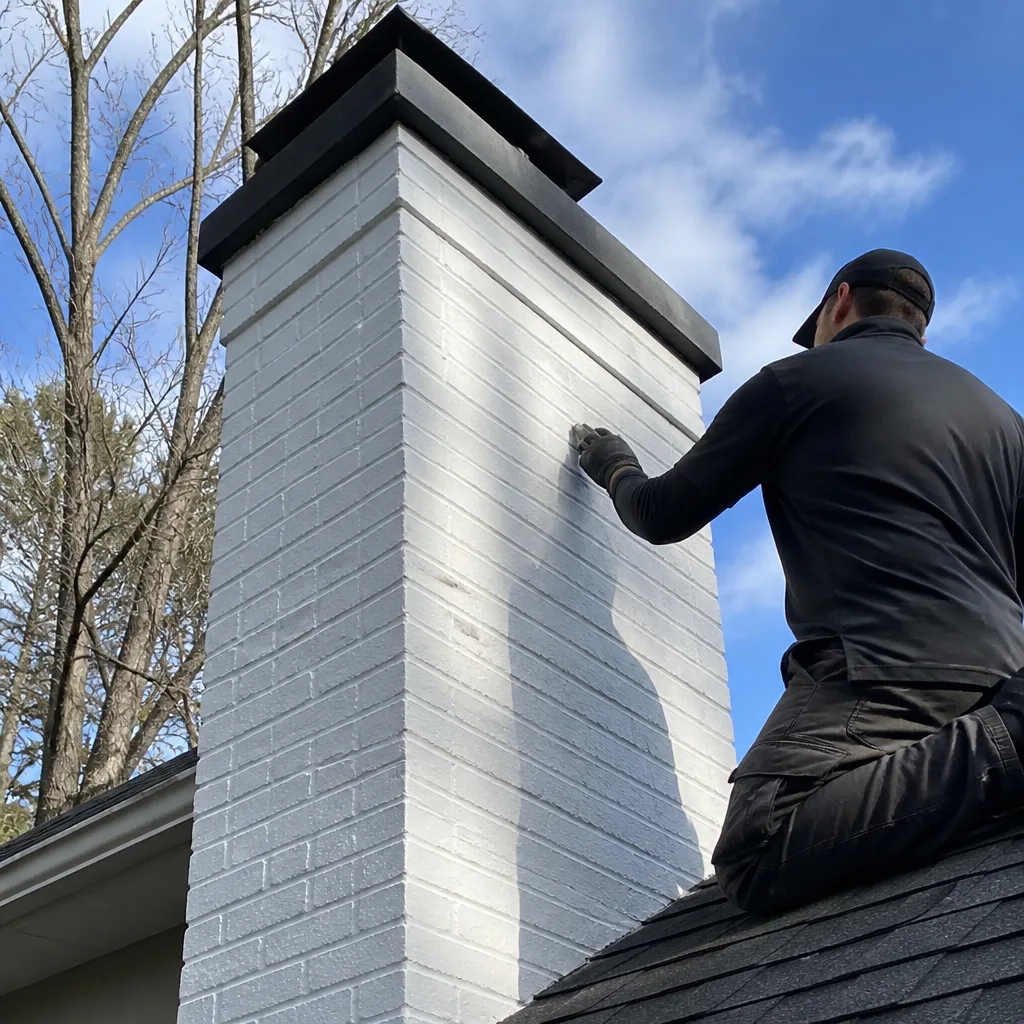 After
AfterHow to Hire a Chimney Cleaning Contractor in Atlanta: A Step-by-Step Guide
Georgia does not license chimney sweeps. Anyone can legally buy a brush, print a business card, and call themselves a sweep tomorrow - which means the three questions you ask before hiring carry more weight here than in almost any other state. Atlanta’s freeze-thaw winters, clay-heavy soils that shift masonry, and dense canopy of mature oaks and pines that drop debris into flues make chimney maintenance genuinely necessary. But without a state board to screen out the unqualified, homeowners in Buckhead, Decatur, Virginia-Highland, and across the metro must do the vetting themselves. This guide - along with our more guides & resources - gives you the specific questions, documents, and red flags that separate a real professional from someone who figured out how to run Facebook ads last week.
Quick Answer
To hire a chimney cleaning contractor in Atlanta, verify they carry general liability insurance and have active CSIA certification, request four documents before any work begins (insurance certificate, written scope, itemized price, and warranty terms), confirm the “inspection” includes a camera scan of the flue liner rather than a visual check from the firebox, and avoid any company that bundles a “free” inspection with a cleaning or quotes a flat rate without seeing your chimney. In Georgia’s unregulated market, these steps are your only protection against incomplete work, missed safety hazards, and upsell pressure.
Table of Contents
- Georgia’s Regulatory Gap: What No State License Means for You
- The Four Documents to Request Before Signing Anything
- How to Read a Chimney Quote: Camera vs. Flashlight
- Red Flags Specific to Atlanta’s Market
- Five Questions to Ask on the Phone
- What a Proper Chimney Cleaning Actually Includes
- What Chimney Cleaning Costs in Atlanta
- Common Mistakes to Avoid
- When to Call a Professional
- Frequently Asked Questions
- The Bottom Line
BeforeAfterGeorgia’s Regulatory Gap: What No State License Means for You
Most homeowners assume the person climbing their roof with a brush has passed some kind of test. In Georgia, they haven’t. The state licenses plumbers, electricians, and HVAC contractors through the Georgia Secretary of State’s Professional Licensing Boards Division. Chimney sweeps appear nowhere on that list. There is no state exam, no continuing education requirement, no bond, and no mechanism for revoking someone’s right to operate after a string of complaints.
This matters more in Atlanta than in many markets because our climate creates real hazards that an untrained sweep can miss or misdiagnose. Winter temperatures in Atlanta regularly drop below freezing, then swing back to the 50s within 48 hours. That freeze-thaw cycle cracks chimney crowns and spalls brick faces - hazards covered in detail in our Seasonal Chimney Cleaning Care for Atlanta: Year-Round Homeowner’s Guide. Our clay soils shift foundations, which can separate chimney stacks from house walls and open gaps in the smoke chamber. And the dense tree canopy in neighborhoods like Druid Hills, Inman Park, and Grant Park means flues accumulate leaf debris and animal nesting material that an untrained eye might dismiss as minor.
What exists instead of state licensing is voluntary certification through the Chimney Safety Institute of America (CSIA). CSIA certification requires passing a closed-book exam on NFPA 211 standards, fire codes, and chimney physics, then renewing every three years with continuing education or re-examination. It is the closest thing to a credential that proves baseline competence. But CSIA certification does not verify:
- That the company carries general liability insurance
- That the individual who shows up at your door is the certified person, not a subcontractor
- That the company follows NFPA 211 inspection protocols on every job
- That the company has any documented quality standard or warranty program
We have encountered CSIA-certified sweeps in Atlanta who perform “inspections” with a flashlight from the firebox, never run a camera, and never document findings in writing. The certification verifies they once passed a test. It does not verify what they actually do in your home. That is why insurance documentation and written process standards matter more here than in states with licensing boards that enforce minimum practices.
Atlanta’s building codes do require permits for chimney rebuilds and liner replacements, enforced by the Office of Buildings in the city and by individual municipal offices in Fulton, DeKalb, Cobb, and Gwinnett counties. For details, see Chimney Cleaning Permits, Codes & Inspections in GA: What You Need to Know. But cleaning and standard inspection work falls outside permitting requirements, leaving the homeowner as the only quality control.
The Four Documents to Request Before Signing Anything
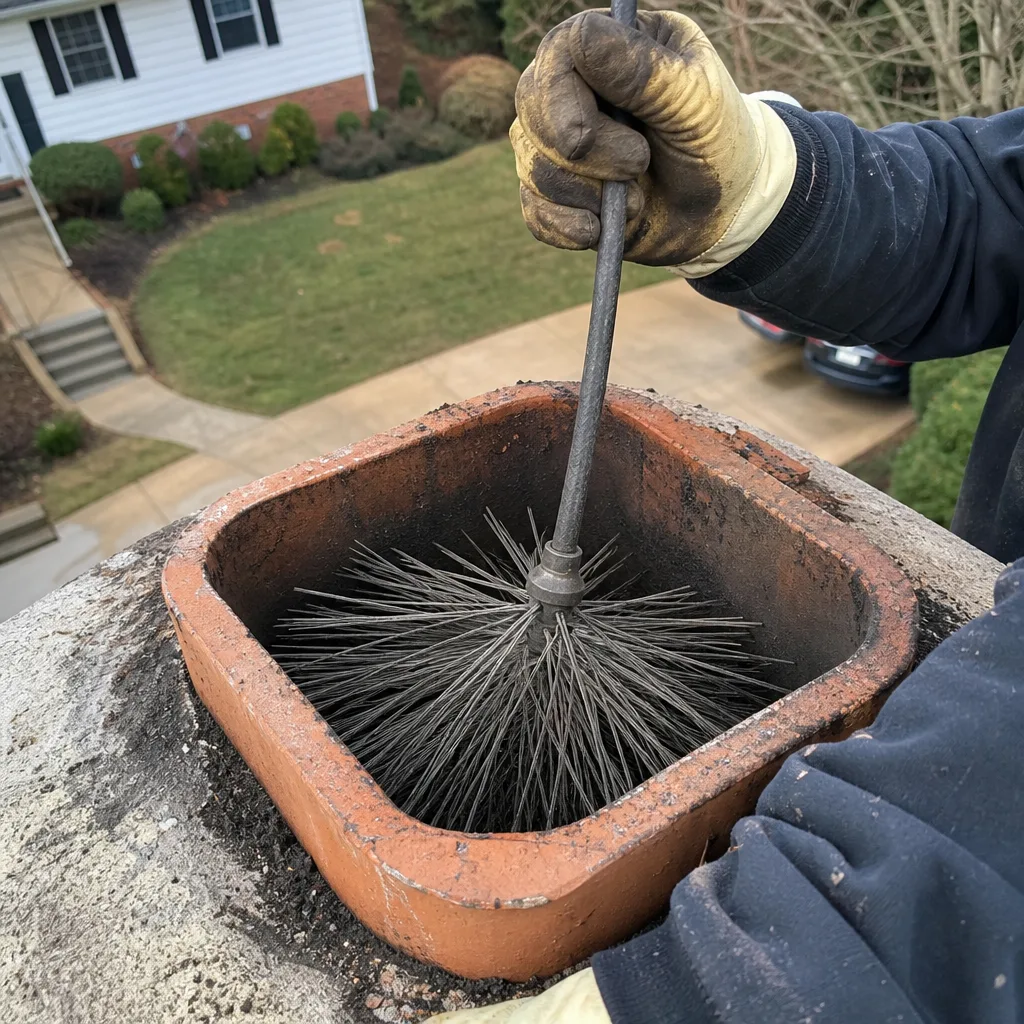
Because Georgia offers no regulatory backstop, your paperwork becomes your protection. We have completed more than 38,000 chimney inspections and cleanings since 2009, and the pattern is consistent: the homeowners who avoid problems are the ones who refuse to proceed without documentation. Here are the four documents that separate qualified contractors from the rest.
1. Certificate of General Liability Insurance
Ask for a certificate of insurance (COI) naming your address as the job site, with coverage dates that include your appointment. Do not accept “we’re fully insured” as an answer. In an unregulated trade, verbal claims about insurance are worthless. The COI should show at least $1 million in general liability coverage. If the contractor hesitates, emails a screenshot of a policy declaration page instead of a proper certificate, or tells you to “check our website,” that is a disqualifying response.
Atlanta’s steep-roof architecture in neighborhoods like Morningside-Lenox Park and Ansley Park increases fall risk. If a technician is injured on your property and the company lacks coverage, your homeowner’s policy may be drawn into the claim. Verify the certificate yourself by calling the insurance agency listed, not the contractor’s phone number.
2. Written Scope of Work
The scope should specify exactly what will be done, in what order, and to what standard. For a chimney cleaning and sweep in Atlanta, this means:
- NFPA 211 Level 1 or Level 2 inspection (Level 2 required if the system has changed, if there was a chimney fire, or if the property is being sold)
- Camera scan of the flue liner from top to bottom, with photo documentation
- Measurement of flue opening, smoke chamber dimensions, and clearance to combustibles
- Removal of creosote deposits by mechanical brushing and, if needed, chemical treatment for glazed or Class III creosote
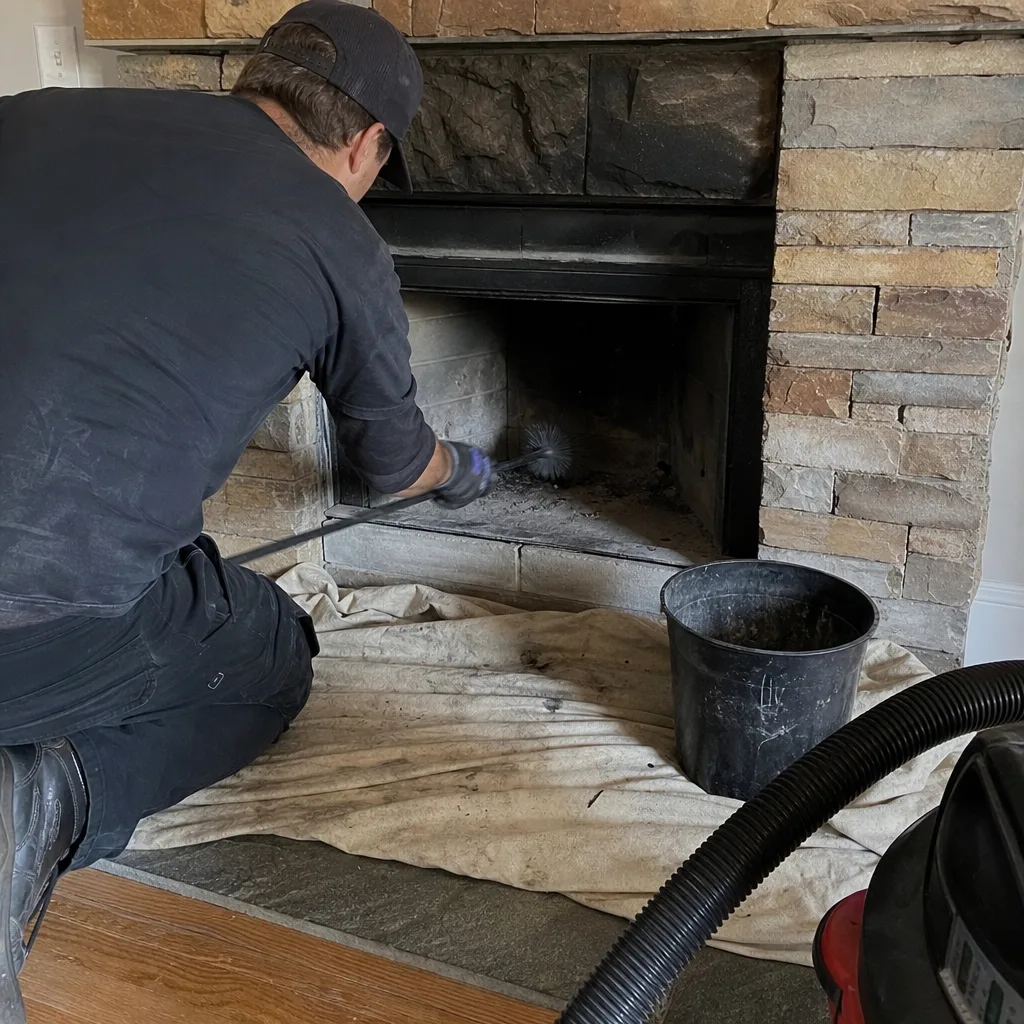
- Debris and soot containment, with drop cloths and HEPA vacuum
Vague language like “clean and inspect chimney” is not a scope. It gives the contractor room to do the minimum and claim the job is complete.
3. Itemized Written Price
Clause 1 of the Haven Standard, which we have followed since 2009, requires a written price, written scope, and written warranty delivered before any work begins. Not after the technician is in your living room. Not after they have run the brush and found “a problem.” Before.
The price should break out labor, materials if any (new cap, damper parts, sealant), and inspection documentation separately. See our Chimney Cleaning Cost Breakdown: The Atlanta Homeowner’s Reference for 2026 for typical Atlanta pricing ranges. Flat-rate pricing without seeing the chimney is a common Atlanta tactic that almost always leads to upsells on arrival. A proper quote requires knowing the chimney height, flue count, liner material, and creosote condition. These cannot be determined from a street view or a phone description.
4. Warranty Terms in Writing
Verbal promises about “satisfaction guaranteed” dissolve the moment there is a dispute. The warranty should state what is covered, for how long, and what triggers a callback. Our 365-Day Done Right Promise, stamped on every job under the Haven Standard, specifies that if the work is not done right, we make it right - with the remedy defined, not implied. Any contractor unwilling to put warranty terms in writing is telling you they do not stand behind their work.
How to Read a Chimney Quote: Camera vs. Flashlight
This is where most Atlanta homeowners get misled, and it is deliberate. The word “inspection” appears on virtually every quote, but the range of what that word covers is enormous. Understanding the difference protects you from paying for a cleaning that leaves hidden damage unaddressed.
The Flashlight Inspection
A technician shines a flashlight up the flue from the firebox, or peers down from the roof. They can see obvious blockages, heavy soot buildup, and major structural failure. They cannot see cracked flue tiles, deteriorated mortar joints between tiles, gaps in the liner, or the early stages of spalling in the smoke chamber. In Atlanta’s older housing stock - the Craftsman bungalows in Candler Park, the 1920s brick homes in Virginia-Highland, the midcentury ranches in Decatur - these are exactly the defects that lead to chimney fires and carbon monoxide intrusion.
A flashlight inspection takes five minutes. It produces no documentation you can review later, show to a home inspector, or submit to your insurance company. It is not an NFPA 211 Level 2 inspection, regardless of what the invoice calls it.
The Camera-Scan Inspection
A proper Level 2 inspection uses a high-resolution camera on a flexible rod, run the full length of the flue from top to bottom and bottom to top. The technician watches a live feed, pauses to document anomalies, and produces a photo or video record. This takes 30-60 minutes for a standard flue. The camera reveals:
- Hairline cracks in clay flue tiles that will widen with the next heating season
- Gaps between tile sections where mortar has fallen away
- Offset joints caused by foundation settlement (common in Atlanta’s clay soils)
- Class III glazed creosote that mechanical brushing alone will not remove
- Nesting material and debris accumulation above the smoke shelf
Since 2009, we have made camera-scan documentation the default on every visit. This practice became Clause 4 of the Haven Standard. We did this years before regulators or insurers asked for it, because a homeowner cannot make an informed decision about chimney repair in Atlanta without seeing what we see.
When reading a quote, look for specific language: “NFPA 211 Level 2 inspection with video/photo documentation of flue liner condition.” If the quote says only “inspection included” or “safety check,” ask directly whether a camera will be used. If the answer is evasive, the inspection is a flashlight look.
Red Flags Specific to Atlanta’s Market
Atlanta’s large homeowner population, high rate of transplants unfamiliar with local trades, and lack of state oversight create conditions that attract low-quality operators. These are the patterns we see repeatedly in customer accounts of prior bad experiences.
Door-Hanger Pricing
A flyer on your door advertises “$89 chimney sweep special” or “whole-house chimney cleaning $129.” The price is designed to get the technician inside. Once there, the “inspection” finds critical defects requiring immediate repair - often priced in the thousands, with pressure to decide on the spot. The initial price was never real. It was a customer acquisition cost.
These operations typically use subcontractors paid by commission on upsells, not hourly wages. The technician’s incentive is to find problems, not to give you accurate information about your chimney’s condition. In Atlanta’s competitive suburban markets - Alpharetta, Marietta, Sandy Springs - door hangers spike every September before burning season.
Coupon Sweeps
Groupon, LivingSocial, and mailer coupons for discounted sweeps follow the same model. The coupon price covers a brush run and a five-minute visual check. Any actual problem requires a separate “diagnostic” visit at full rate. The homeowner pays twice and still lacks documentation.
“Free” Inspection Bundled with Cleaning
This inverts the logical order of operations. The inspection should determine whether cleaning is needed, what type of cleaning is appropriate, and whether the system is safe to use at all. Bundling a “free” inspection with cleaning means the cleaning is already sold before anyone knows what condition your chimney is in. A chimney with a cracked liner, significant structural damage, or improper clearances should not be cleaned and used - it should be repaired or relined. The bundled model pressures technicians to proceed with cleaning regardless of what they find, because the invoice is already written.
Flat-Rate Quotes Without Site Visit
A legitimate chimney cleaning price depends on flue length, number of flues, accessibility (steep roof, multiple stories), and creosote condition. A quote given over the phone or via website form without these variables is either fiction or a bait-and-switch. We do not quote prices without this information because it would be dishonest. Any company that does is either inexperienced or intentionally misleading.
No Physical Address or Local License
Verify that the company has a verifiable Atlanta-area address, not a PO box or virtual office. Check whether they hold a business license in the city or county they claim to serve. This is basic due diligence that many homeowners skip.
Five Questions to Ask on the Phone
These questions are designed to disqualify unqualified contractors before they arrive. A legitimate company will answer directly. An evasive or defensive response tells you everything you need to know.
- “Will the technician who arrives be a W-2 employee or a subcontractor, and can I have their name and CSIA certification number before the appointment?” Subcontractor-heavy operations have high turnover and little quality control. A named technician assigned to your job, with verification, indicates a stable operation.
- “Does your insurance certificate name my address as the job site, and will you email it to me before the appointment?” Immediate willingness to provide documentation is a positive signal. Hesitation, promises to “bring it with them,” or requests to “just trust us” are disqualifying.
- “What does your inspection include specifically - is a camera used to scan the full flue liner, and do I receive photos or video?” The answer should be immediate and specific. “Yes, we use a [brand name] camera, you receive digital photos, and the technician reviews findings with you on site.” Anything less is a flashlight inspection.
- “Will I receive a written, itemized price before any work begins, and is there any circumstance where that price could increase during the visit?” The only acceptable answer is yes to the first part and no to the second, with the exception of discoveries that require a change order signed by you. “We’ll see when we get there” means there is no real price.
- “If I bring you a competitor’s written estimate, will you provide a free second opinion?” A company confident in its pricing and process should welcome this. We offer free second opinions on any written estimate because transparent comparison serves the homeowner. A company that discourages comparison has something to hide.
Ask these questions in order. Note the responses. Any contractor who cannot answer clearly does not have systems in place to protect you.
What a Proper Chimney Cleaning Actually Includes
Knowing what qualified work looks like helps you evaluate whether the service you received matched what you paid for. A proper chimney cleaning and inspection in Atlanta should take 60-90 minutes for a standard single-flue system, longer for multiple flues or significant creosote buildup.
Pre-Work Documentation
The technician arrives in a marked vehicle, in uniform, with license information visible. You receive a text when they are en route. They lay drop cloths from the entry to the fireplace and seal the firebox opening to prevent soot migration into your home. They review the written scope and price with you before beginning. This is standard under Haven Standard Clause 1: have it in writing.
The Inspection Phase
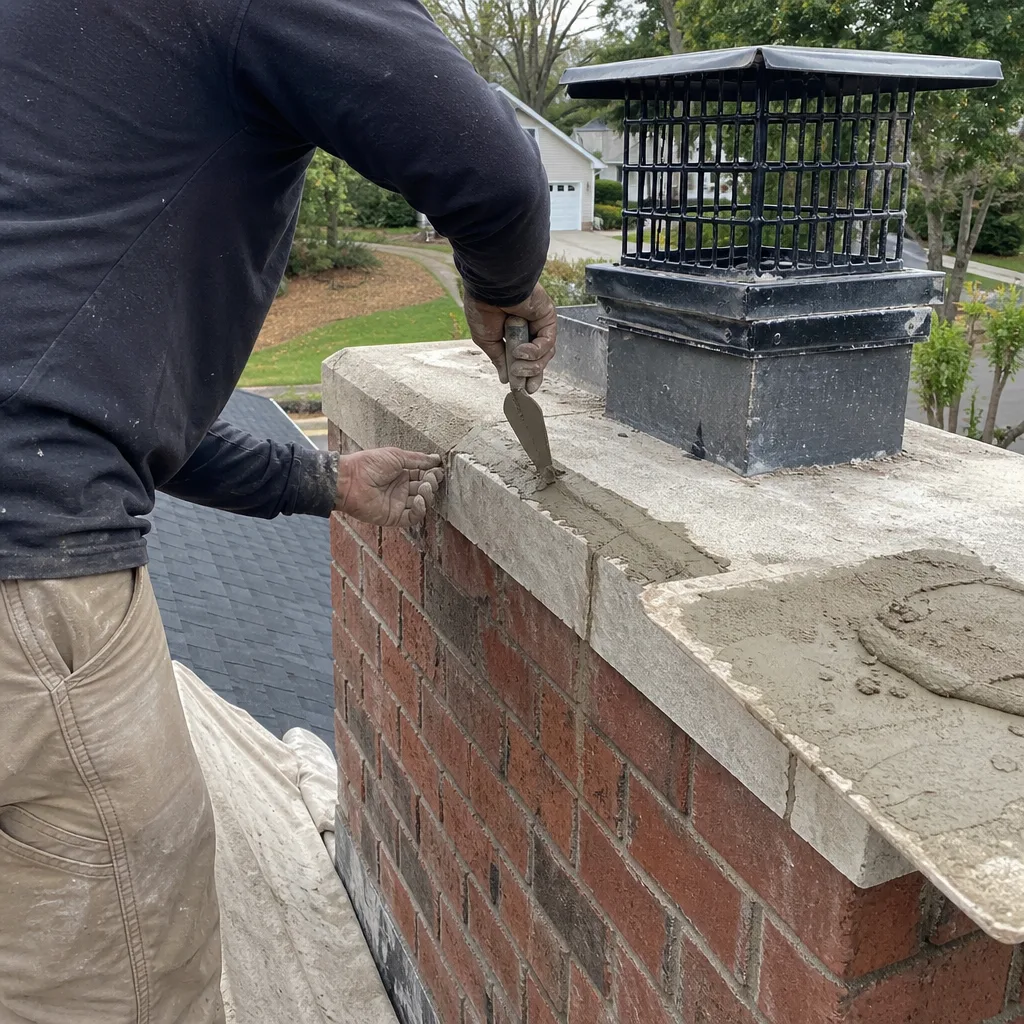
Before touching a brush, the technician inspects the exterior: crown condition, brick and mortar integrity, flashing at the roofline, and cap installation. They note any spalling (flaking brick surface), efflorescence (white mineral deposits indicating moisture intrusion), or crown cracks. In Atlanta, crown damage from freeze-thaw is common and often the entry point for water that destroys liners from the outside.
Inside, they measure the firebox, smoke chamber, and flue opening. They run the camera. They document liner condition with photos. They classify creosote: Class I (sooty, brushes off easily), Class II (granular, requires more aggressive brushing), or Class III (glazed, hard, often requires chemical treatment or rotary removal). Class III creosote is a fire hazard and cannot be left in place.
The Cleaning Phase
Cleaning proceeds based on what the inspection found. Standard mechanical brushing with poly or wire brushes appropriate to the liner material. HEPA vacuum containment. Chemical treatment if glazed creosote is present. Debris removal from the smoke shelf. Final camera run to confirm the flue is clear and no damage occurred during cleaning.
Post-Work Documentation
You receive a written report with photos, the technician’s findings, and recommendations prioritized by urgency. Some items can safely wait. Others should be addressed before the next burning season. The report distinguishes between these. You also receive a written warranty and, under the Haven Standard, a documented photo record archived for future reference. This documentation is valuable for home sale disclosures, insurance claims, and tracking condition changes over time.
What Chimney Cleaning Costs in Atlanta
Price transparency is a core principle for us, and Atlanta’s market has enough variation that ranges are more honest than flat rates. The factors that move price: number of flues, chimney height and accessibility, creosote condition, and whether the inspection reveals conditions requiring immediate attention.
| Service | Typical Range in Atlanta | What Affects Price |
|---|---|---|
| Standard chimney sweep (single flue, Class I-II creosote) | $175 - $275 | Flue length, roof accessibility, fireplace insert removal |
| Chimney sweep with Level 2 camera inspection | $250 - $400 | Number of flues, video documentation, report detail |
| Class III glazed creosote removal | $350 - $600 | Extent of glazing, chemical treatment cycles needed |
| Multi-flue system (2+ flues) | $300 - $500 | Each additional flue adds inspection and cleaning time |
| Fireplace insert removal and reinstallation | $75 - $150 additional | Insert weight, clearance complexity |
Prices below these ranges should trigger scrutiny. A $89 sweep cannot cover proper insurance, technician wages, equipment maintenance, and documentation. The difference comes out of something, and that something is usually the quality of the inspection or the honesty of the pricing.
We source materials through Haven’s buying network from DuraFlex, HeatShield, Gelco, Olympia Chimney, Famco, and Copperfield specifically to keep customer prices honest. Volume purchasing power means we do not need to inflate material costs to cover overhead. Our written prices reflect actual labor and material costs, not markup theater.
If you receive a quote outside these ranges, or one that bundles multiple services into a single opaque number, a free second opinion on any written estimate is available.
Common Mistakes to Avoid
- Hiring based on lowest price alone. In an unregulated market, the lowest price often means uninsured technicians, no camera inspection, and upsell pressure on arrival. The cost of fixing missed damage or incomplete cleaning exceeds the savings.
- Assuming CSIA certification equals quality work. Certification proves the person passed an exam. It does not verify insurance, documentation practices, or whether the certified individual is the one who actually comes to your home.
- Accepting verbal warranties. “We’ll take care of you” is not a warranty. A written warranty with specific terms, duration, and remedy is. Without it, you have no recourse if the work fails.
- Scheduling cleaning without knowing what’s included. The word “sweep” covers everything from a brush run with a shop vacuum to a documented, camera-verified service. Know which you are buying.
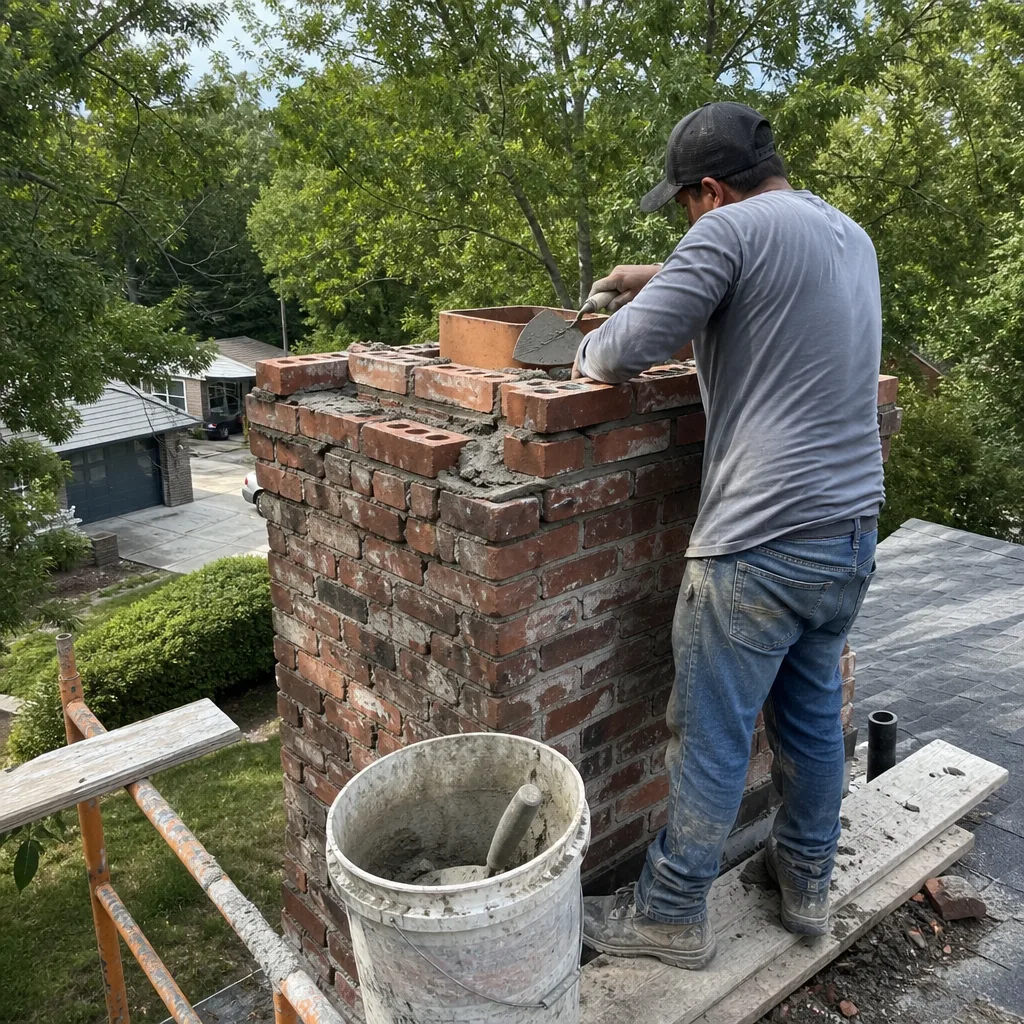
- Ignoring Atlanta-specific conditions. Our clay soils, freeze-thaw cycles, and dense tree canopy create hazards that a generic sweep checklist misses. A contractor unfamiliar with local conditions may not know to check for crown damage from thermal cycling or debris accumulation from overhanging oaks.
- Waiting until the first cold snap. Atlanta’s burning season runs roughly October through March. The best contractors book solid by mid-September. Waiting until you want a fire means choosing from whoever has availability left, not the best option.
- Not requesting the photo record. Even if you do not understand chimney construction, the photo record protects you. It documents pre-existing condition, confirms cleaning completeness, and provides evidence if a dispute arises.
When to Call a Professional
Call a qualified chimney professional before the burning season begins, if you notice any of the following: smoke entering the room during fireplace use, a strong odor from the fireplace in warm weather, visible cracks in the firebox or exterior brick, white staining on the chimney exterior, or if it has been more than one year since your last inspection. After any chimney fire, even a small one, a Level 2 inspection is mandatory before the next use. If you are purchasing a home in Atlanta, require a Level 2 inspection with camera documentation as part of your due diligence; the seller’s disclosure will not cover concealed flue damage.
Level Two Chimney Atlanta offers free estimates throughout Atlanta and surrounding communities. Our background-checked, uniformed technicians arrive with named assignment and en-route text notification. Every job is quoted in writing before work begins, includes a documented photo record, and is backed by our 365-Day Done Right Promise. Call (470) 435-7984 to schedule or request a free second opinion on any written estimate you have received.
Frequently Asked Questions
A standard chimney sweep with Level 2 camera inspection in Atlanta typically costs $250-$400 for a single-flue system, with multi-flue systems and heavy creosote buildup running higher. Prices below $175 usually indicate an uninsured operator or a visual-only inspection without camera documentation. Call (470) 435-7984 for an exact quote based on your specific chimney - estimates are free.
You need a new flue liner if the existing one is cracked, gapped, or improperly sized for your appliance, which a camera inspection will reveal. Not every chimney needs relining; we have reviewed competitor estimates recommending $4,000 liner replacements for chimneys with minor, repairable tile damage. Nothing is recommended without camera evidence you can see for yourself, and we will tell you plainly when work can safely wait. A free second opinion on any written estimate is always available.
The NFPA 211 standard recommends annual inspection, with cleaning frequency determined by use and fuel type. In Atlanta, where many homeowners burn oak and hickory from local sources, annual sweeping is typical for regularly used wood-burning fireplaces. Gas fireplaces require less frequent cleaning but still need annual inspection for debris accumulation and venting integrity. The inspection, not the calendar, should drive the schedule.
Skipped maintenance leads to creosote accumulation, which is combustible and causes chimney fires; structural deterioration from moisture intrusion, which is accelerated by Atlanta’s freeze-thaw cycles; and carbon monoxide intrusion through cracked liners or gaps in the smoke chamber, which can be fatal. These are not theoretical risks. We document them regularly in Atlanta homes where maintenance was deferred. The cost of prevention is a fraction of the cost of remediation or property loss.
No. Georgia has no licensing requirement for chimney sweeps, and CSIA certification is entirely voluntary. This makes it a useful differentiator when present, but it is not a guarantee of quality work, insurance coverage, or documentation practices. Always verify insurance and written process standards regardless of certification status.
Mechanical brushing of a ground-level, single-story chimney with light soot accumulation is physically possible for a homeowner with proper equipment. However, without camera inspection, you cannot verify liner condition or cleaning completeness. And working on roofs, handling creosote (a known carcinogen), and evaluating structural safety require training and equipment most homeowners do not have. For multi-story chimneys, steep roofs, or any suspected damage, hire a professional. The safety risks of incomplete work exceed the cost of qualified service.
The Bottom Line
Hiring a chimney cleaning contractor in Atlanta requires active vetting because Georgia provides none. The absence of state licensing means your questions, your documentation requirements, and your willingness to walk away from pressure are your only protections. Verify insurance. Demand a camera inspection with photo documentation. Insist on a written, itemized price before work begins. Reject bundled “free” inspections, door-hanger specials, and any quote given without seeing your chimney. The contractors who survive this screening are the ones worth hiring. Those who do not were never qualified to begin with.
Written by Corrine Halstead, Owner at Level Two Chimney Atlanta, serving Atlanta since 2009.