
Last updated September 22, 2026
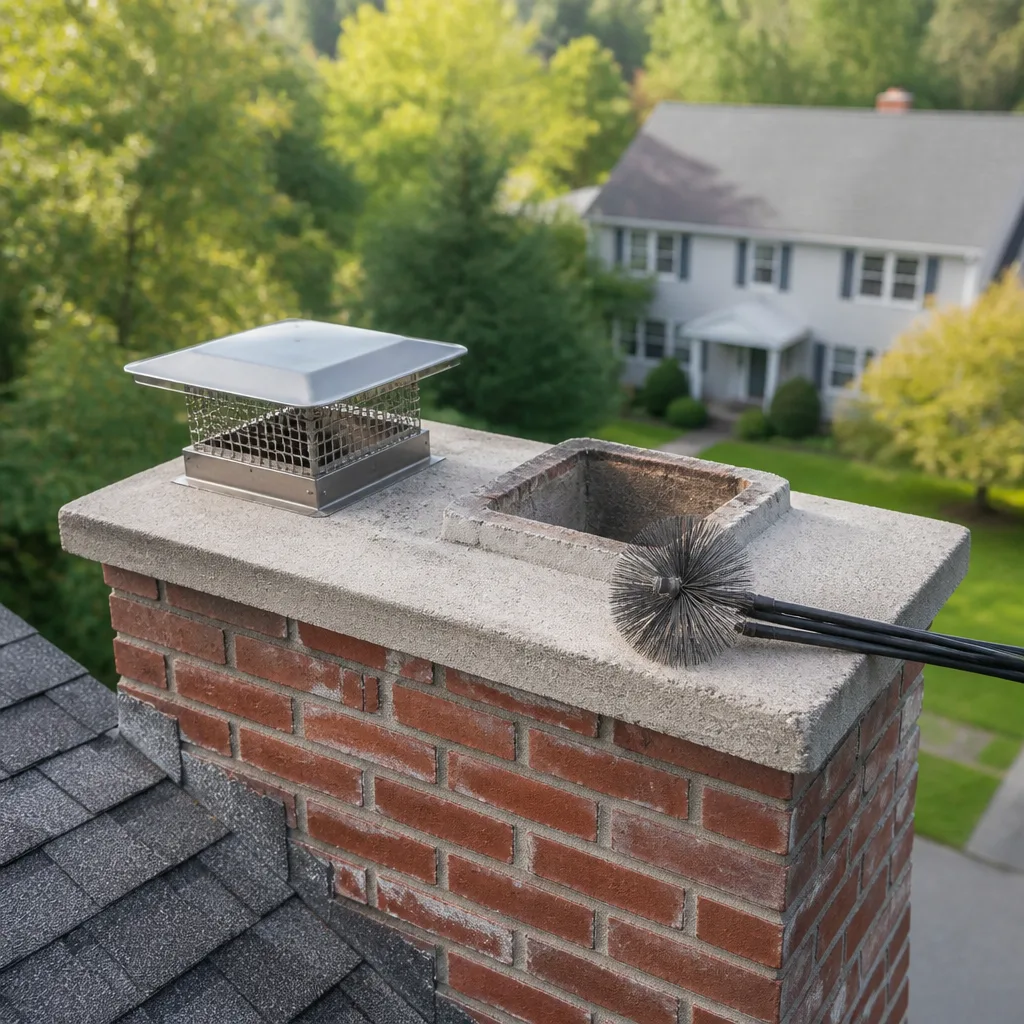
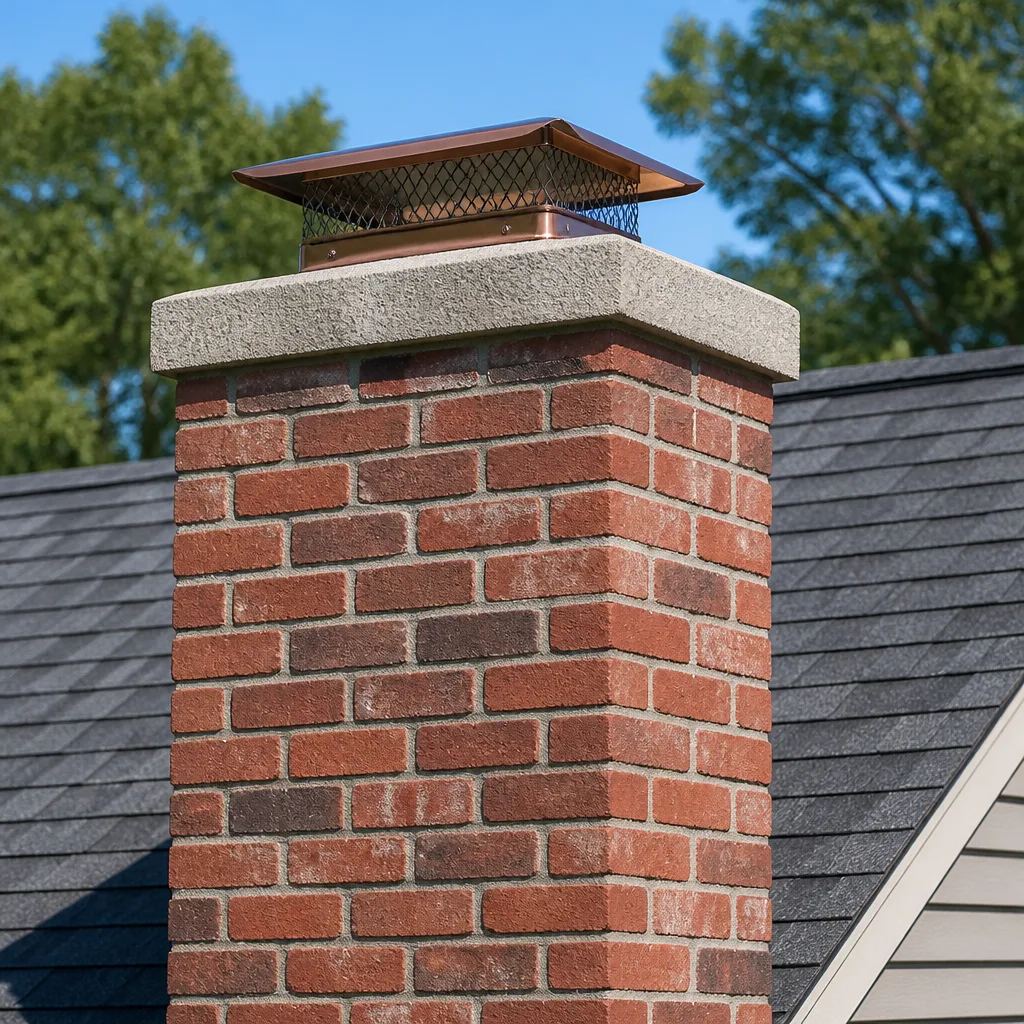
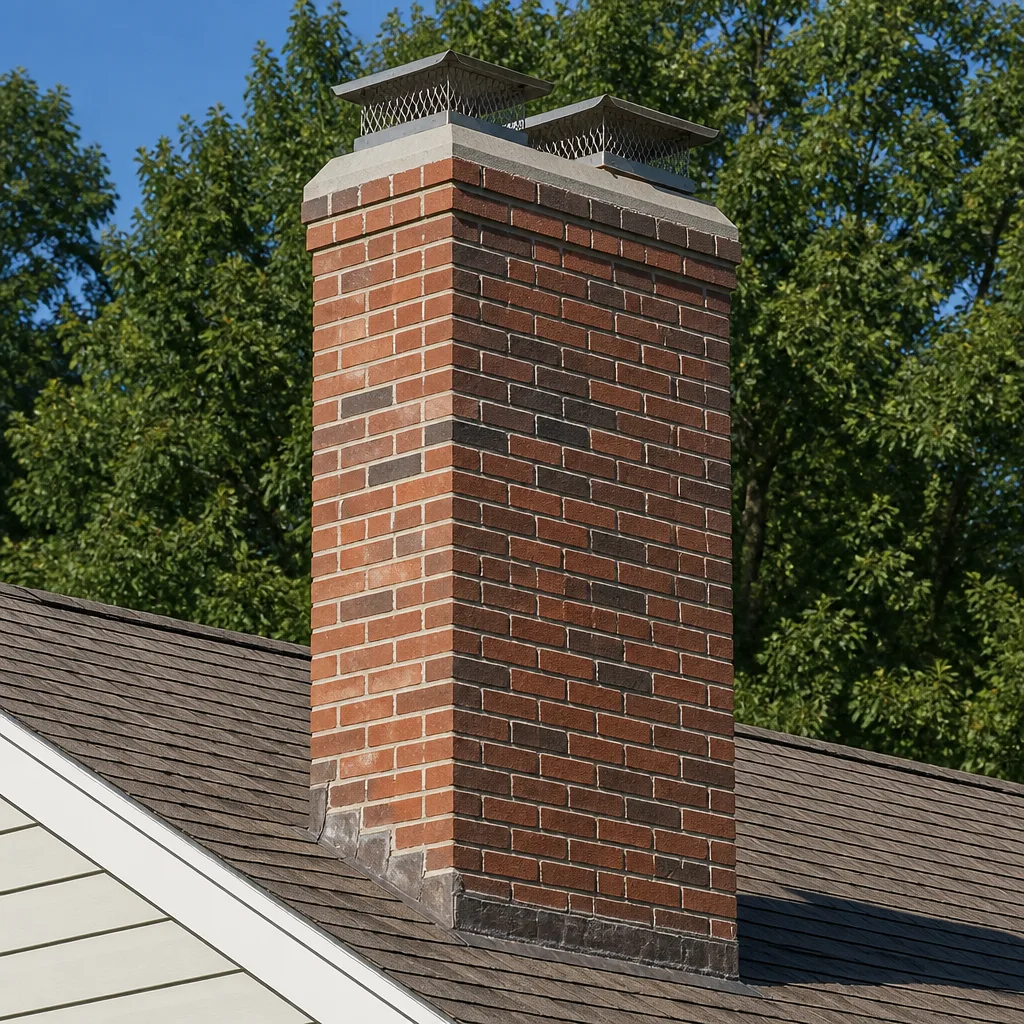
Level 1 sweep and inspection to the NFPA 211 annual standard - flue, crown, cap, and flashing checked and photographed
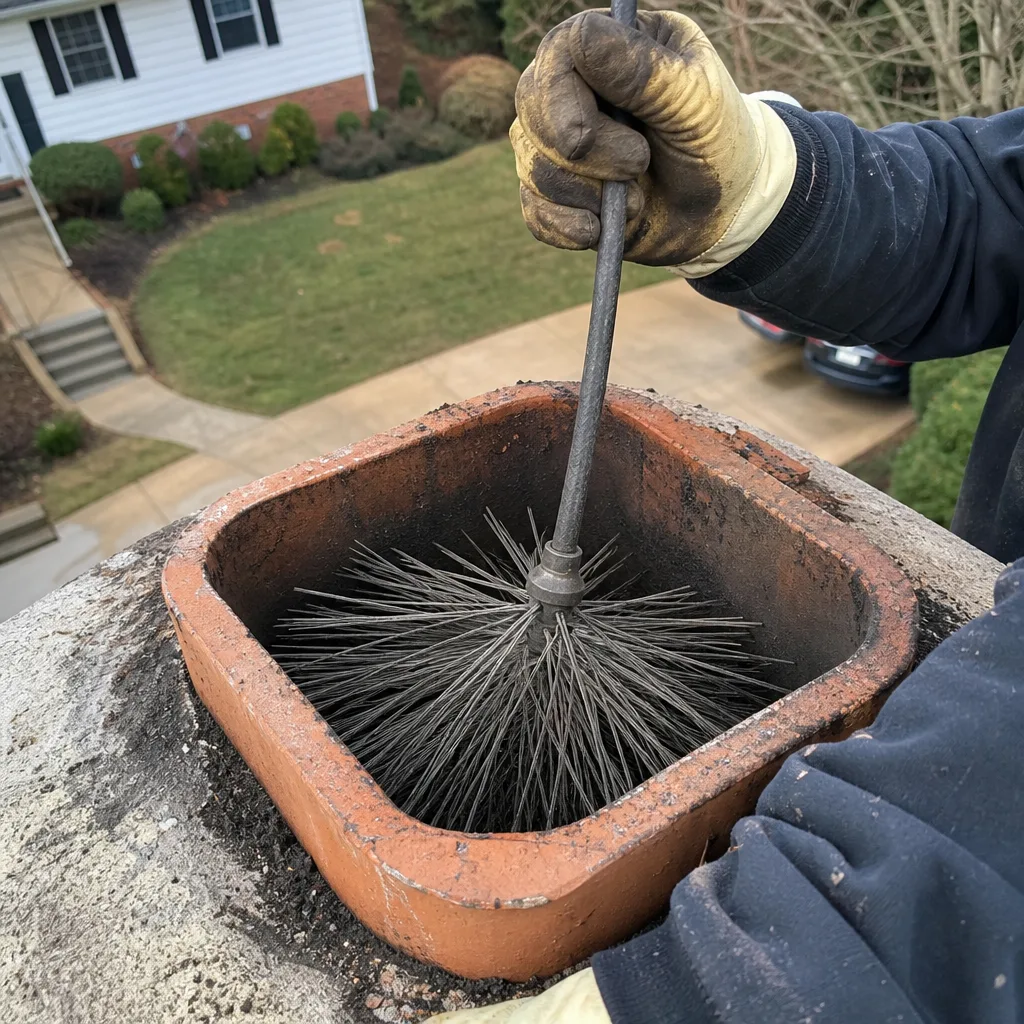
Chimney sweep logs do not sweep chimneys. They loosen some creosote - which then falls where a brush and vacuum still have to collect it.
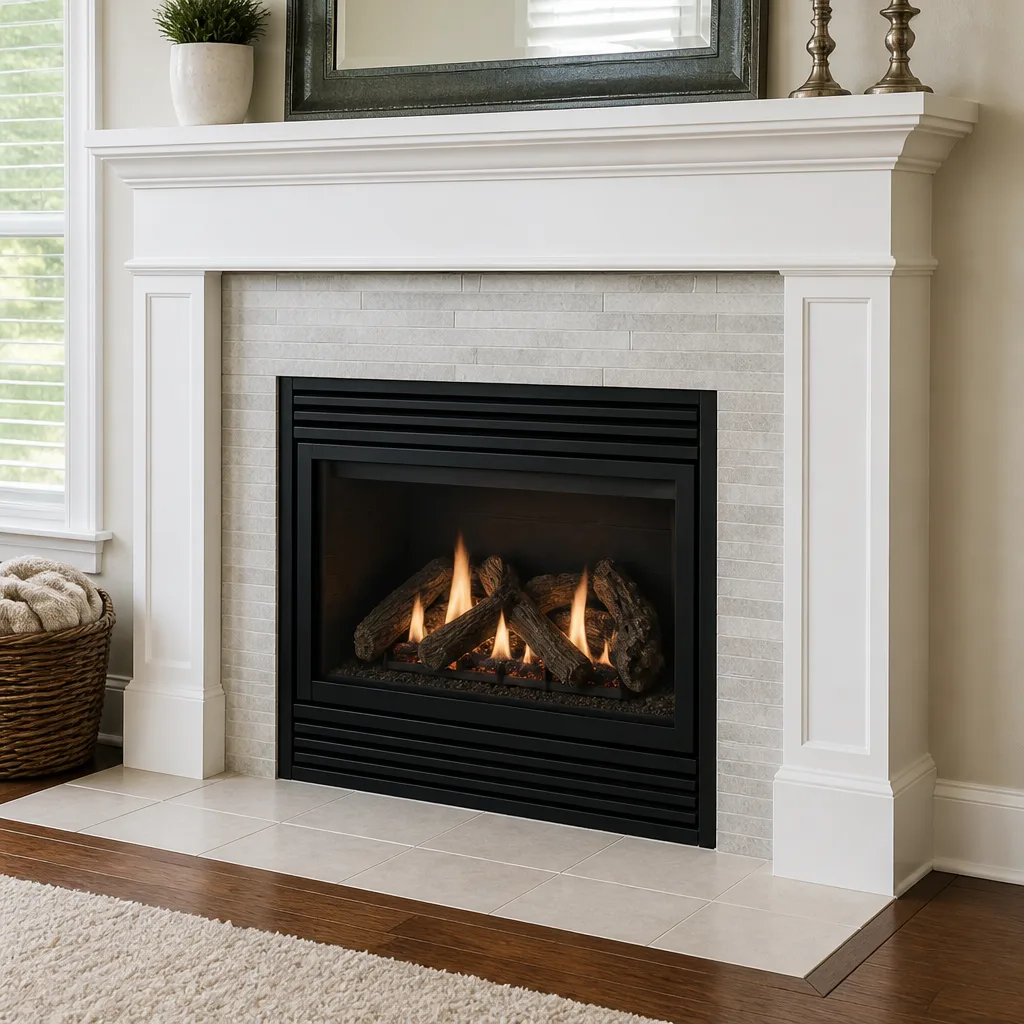
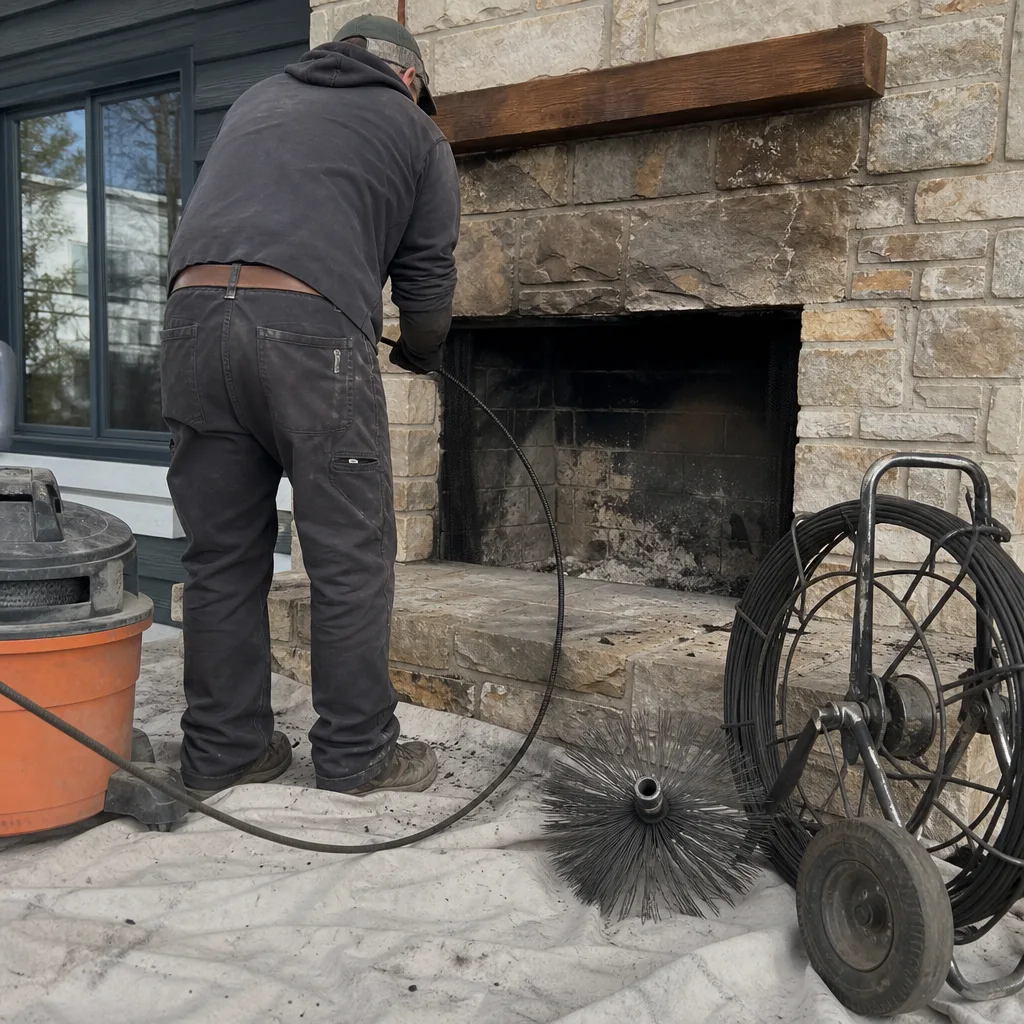 Before
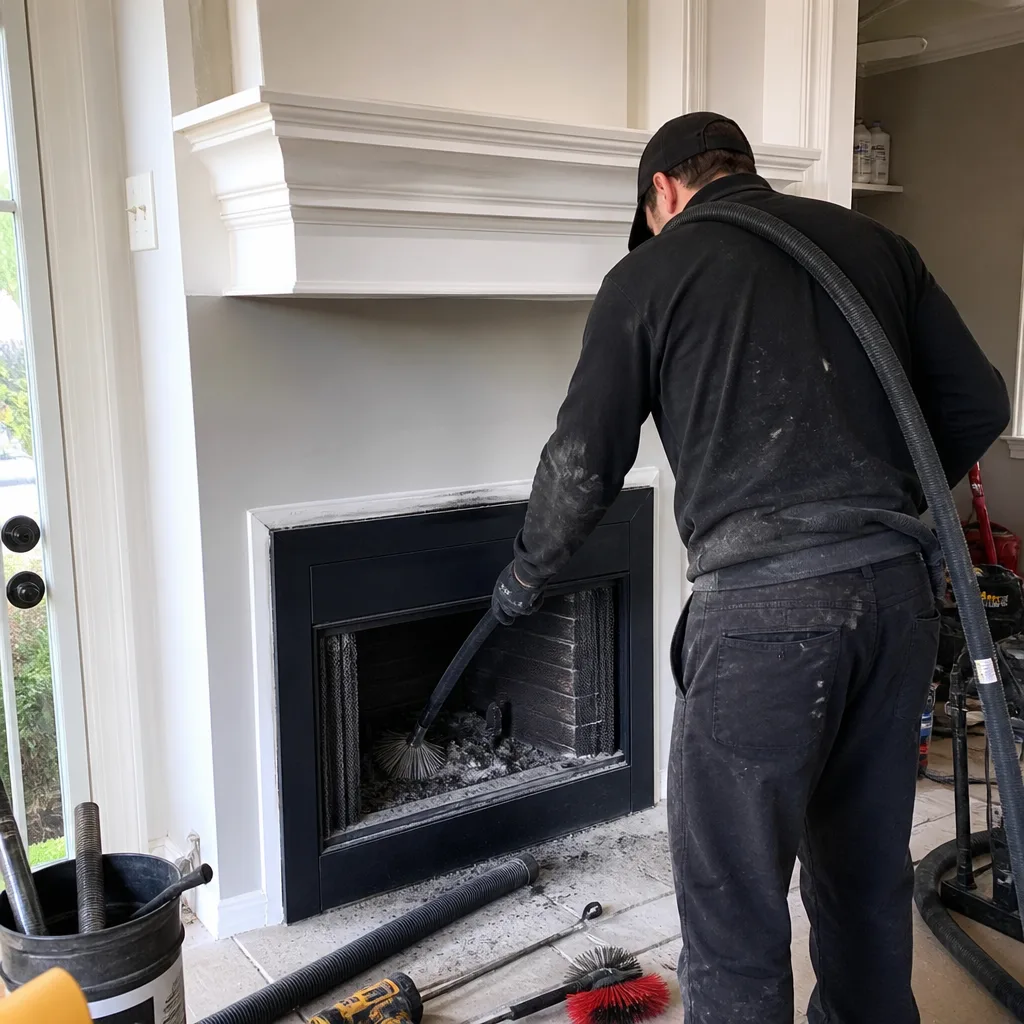 After
After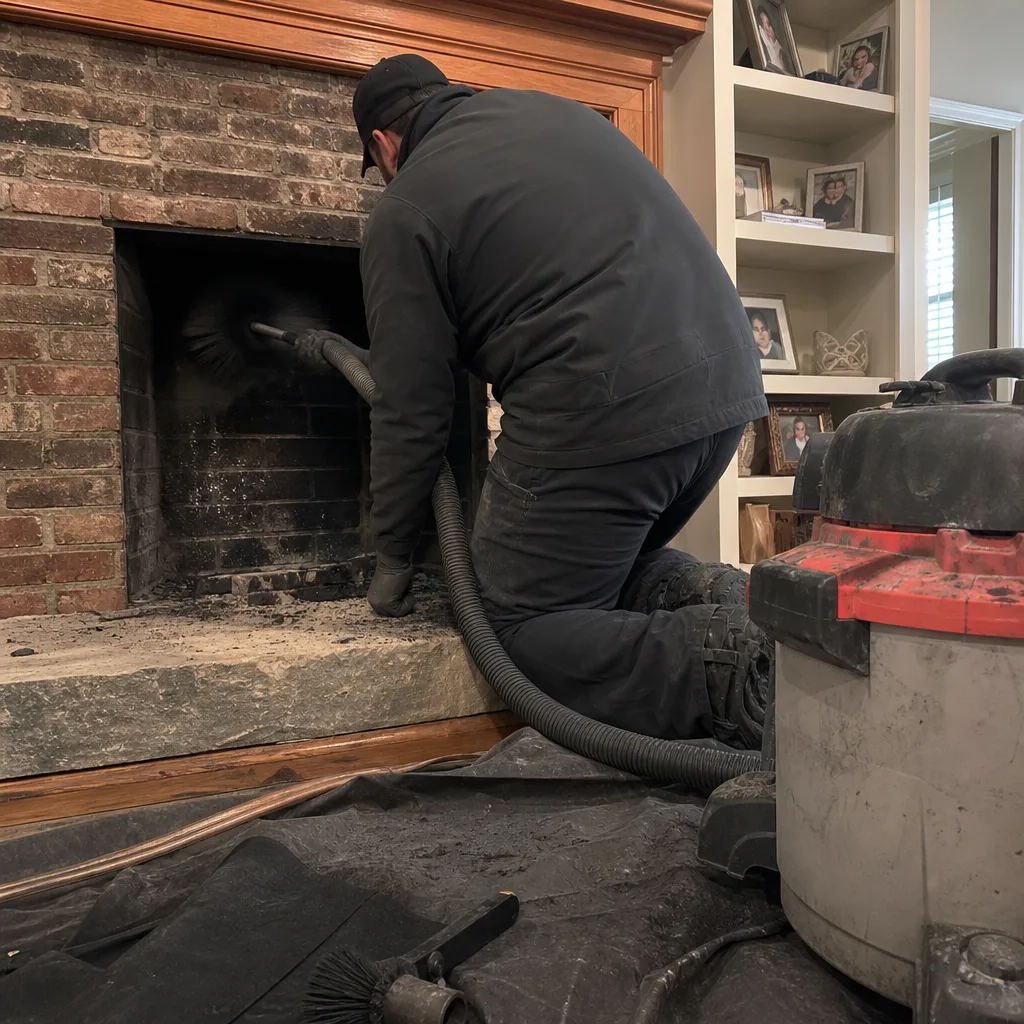 Before
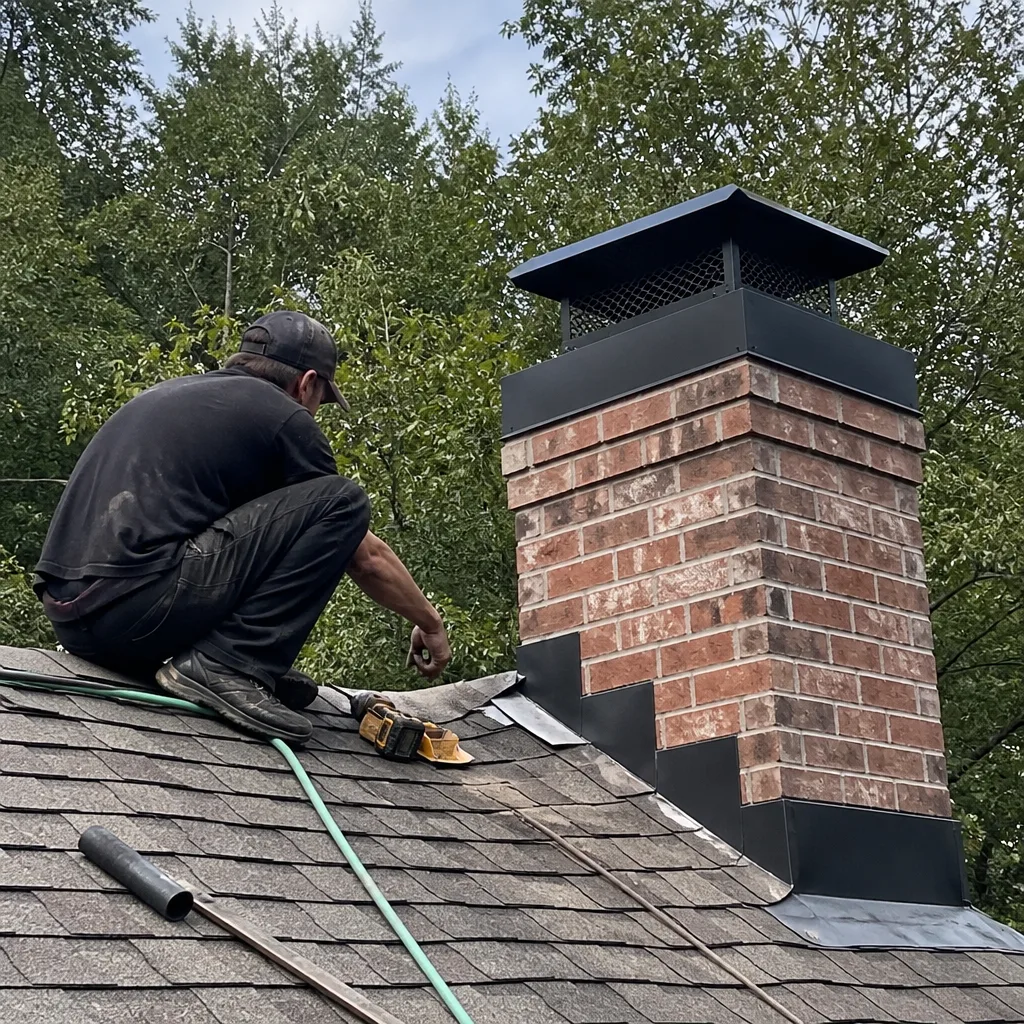 After
After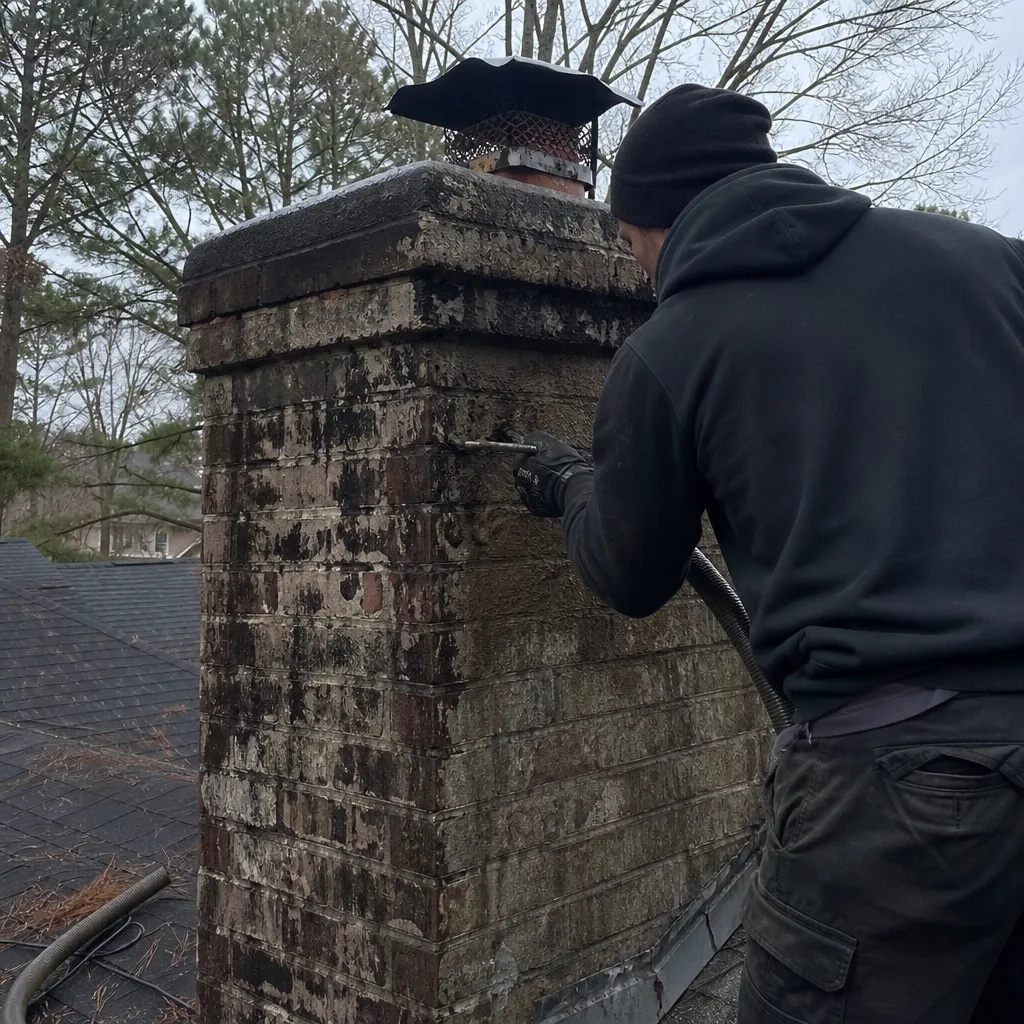 Before
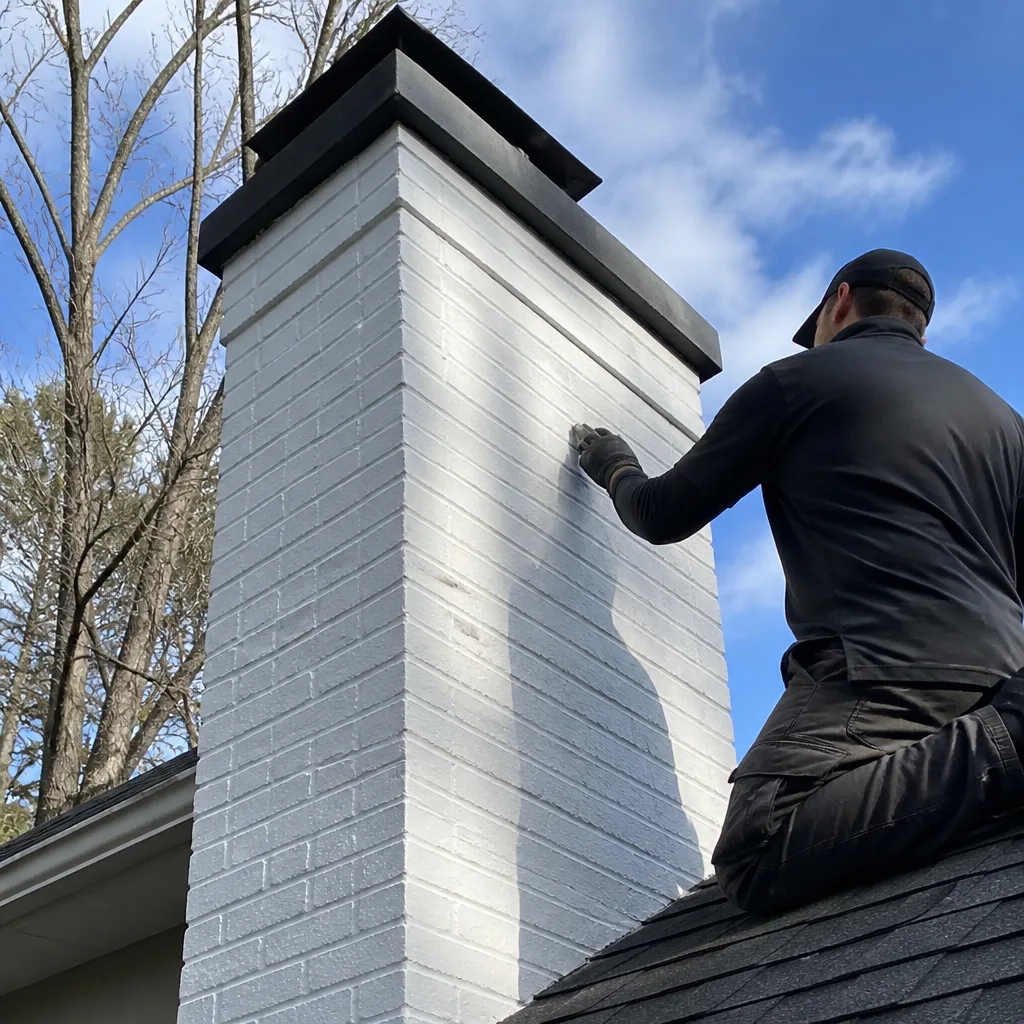 After
AfterChimney Cleaning Permits, Codes & Inspections in GA: What You Need to Know
You don’t need a permit to clean a chimney in Georgia - but the liner repair the cleaning reveals almost certainly requires one, and the homeowner who skips documentation is the one who discovers that gap at closing. In Atlanta’s 2022-2024 housing market, chimney-related title defects from unpermitted liner work ranked among the top ten repair issues flagged in pre-sale inspections, often costing sellers $3,800-$8,500 in rushed permitting or price reductions. This guide walks through exactly which chimney work triggers permits in Georgia’s largest counties, how NFPA 211 shapes liability even though it’s not state law, and what documentation actually protects you when insurance or a buyer’s attorney comes asking.
Quick Answer
Chimney cleaning and sweeping do not require a permit anywhere in Georgia. However, liner replacement, structural repairs, crown rebuilds, and new chimney cap installations typically do require permits in Fulton, DeKalb, Cobb, and Gwinnett counties. A compliant inspection record should reference NFPA 211, include a liner condition rating, and attach a dated photo log - this documentation determines whether your insurance claim is paid after a chimney fire and whether your home sale proceeds on schedule. For a deeper look at proper maintenance, see our Chimney Cleaning & Sweep Maintenance Checklist for Atlanta Homeowners.
Table of Contents
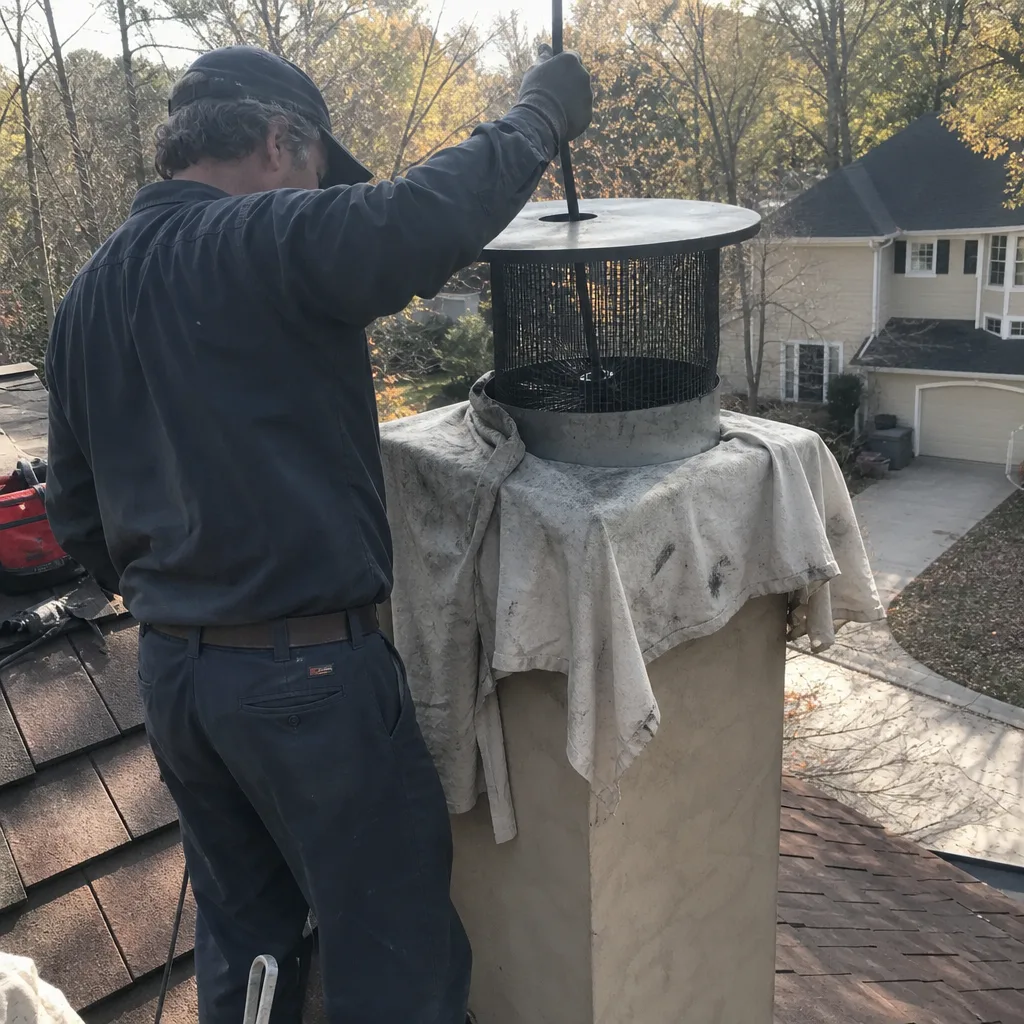
- Do You Need a Permit to Clean a Chimney in Georgia?
- Which Chimney Work Requires Permits in Atlanta-Area Counties?
- NFPA 211: The Technical Standard Georgia Inspectors Actually Use
- What Insurance Adjusters Look for After a Chimney Fire
- Unpermitted Repairs and Atlanta Home Sales: The Hidden Title Defect
- What a Compliant Written Inspection Record Should Include
- Common Mistakes to Avoid
- When to Call a Professional
- Frequently Asked Questions
- The Bottom Line
BeforeAfterDo You Need a Permit to Clean a Chimney in Georgia?
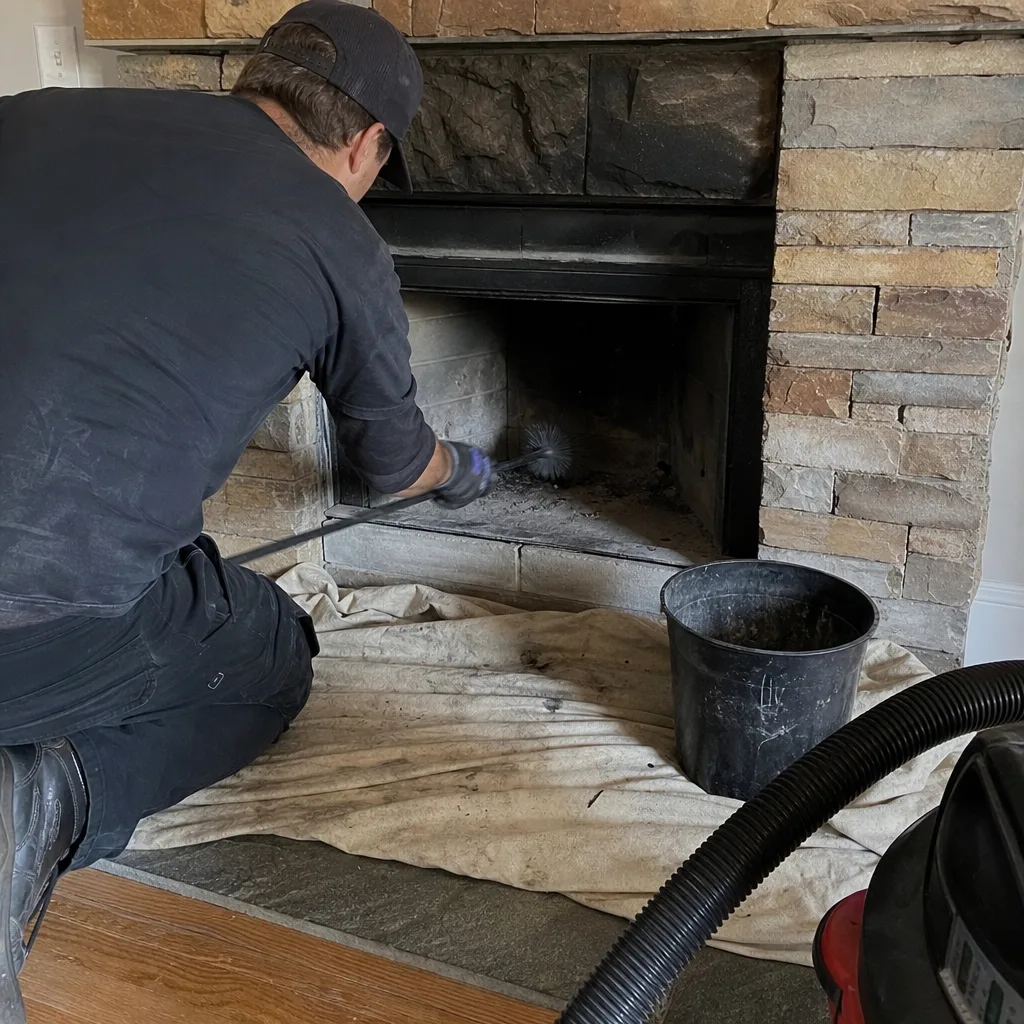
No. Chimney sweeping - the mechanical removal of creosote, soot, and debris from a flue using brushes, rods, and vacuums - is classified as routine maintenance in every Georgia jurisdiction we work in. No county or municipality in the state requires a permit, inspection, or contractor license specifically for cleaning.
This exemption holds across Chimney Cleaning & Sweep in Atlanta and every metro county. The Georgia State Construction Industry Licensing Board does not list chimney sweeping as a regulated trade; the Secretary of State’s office confirms no specialty license exists for it. Any competent technician with proper equipment can legally perform the work.
But here’s where Atlanta homeowners get caught. A proper sweep includes a visual assessment of the flue liner, smoke chamber, and firebox. When that assessment reveals cracked terracotta flue tiles, deteriorated mortar joints, or a missing liner in a post-1980s home, the conversation shifts from maintenance to repair - and repair is where permitting begins. We’ve completed more than 38,000 chimney inspections and cleanings since 2009, and in roughly 40% of Atlanta-area jobs, the sweep uncovered conditions that required permit-triggering work to achieve code compliance. Learn to spot trouble early with our Chimney Cleaning Warning Signs: A Atlanta Homeowner’s Reference Guide.
The gap between “no permit needed to clean” and “permit required to make it safe” is where unpermitted work proliferates. A homeowner hires a sweep, gets a verbal recommendation for liner repair, accepts a cash price, and the work proceeds without county notification. Two years later, a home sale, insurance claim, or neighbor’s complaint brings that gap to light.
Which Chimney Work Requires Permits in Atlanta-Area Counties?
Permit requirements vary by county, and the distinctions matter. Here’s what triggers permitting in the four core metro counties where Level Two Chimney Atlanta operates:
Fulton County (including Atlanta, Sandy Springs, Johns Creek)
Fulton County Building and Fire Code Enforcement follows the 2021 International Residential Code (IRC) with local amendments. Permit-required chimney work includes:
- Replacement or repair of a flue liner (IRC R1001.11, liner requirements)
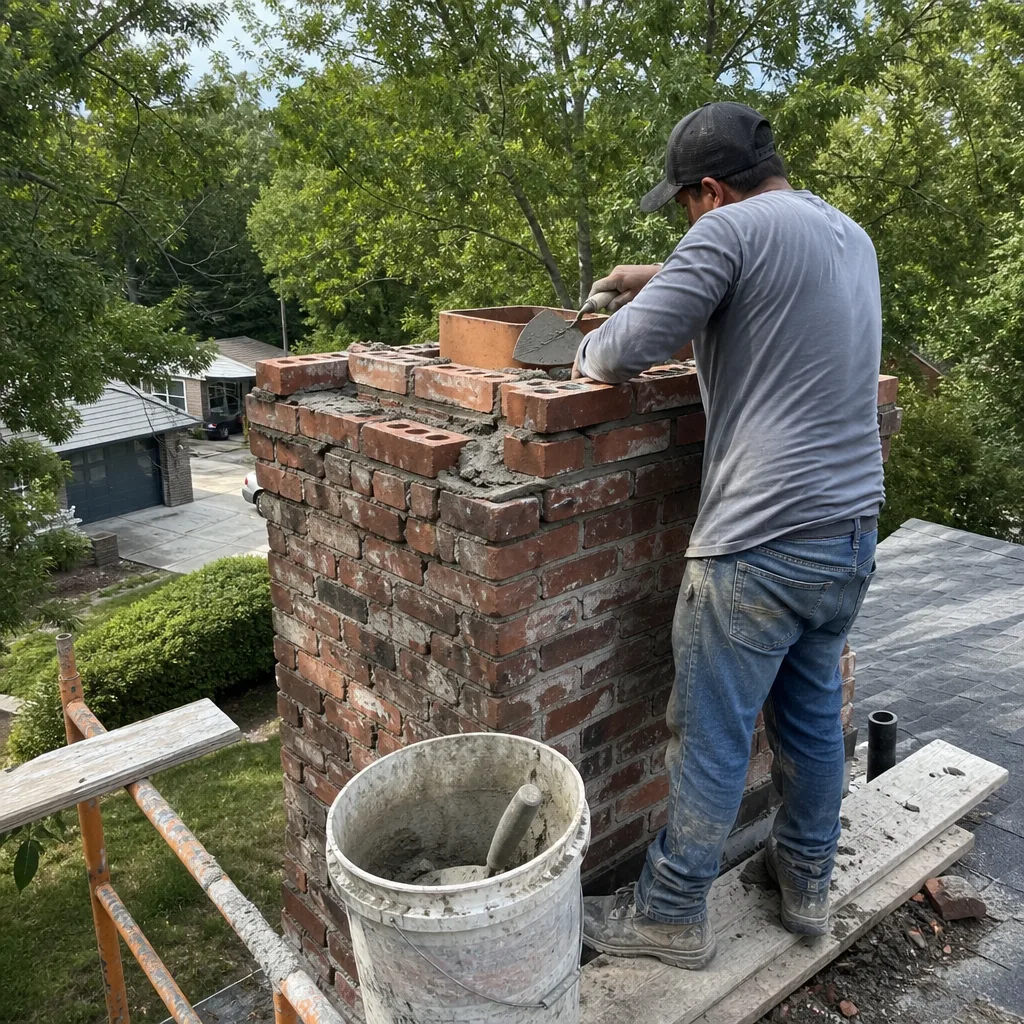
- Reconstruction of a chimney crown or shoulder exceeding 25% of surface area
- Installation of a new factory-built chimney or venting system
- Structural modification to chimney walls or foundation support
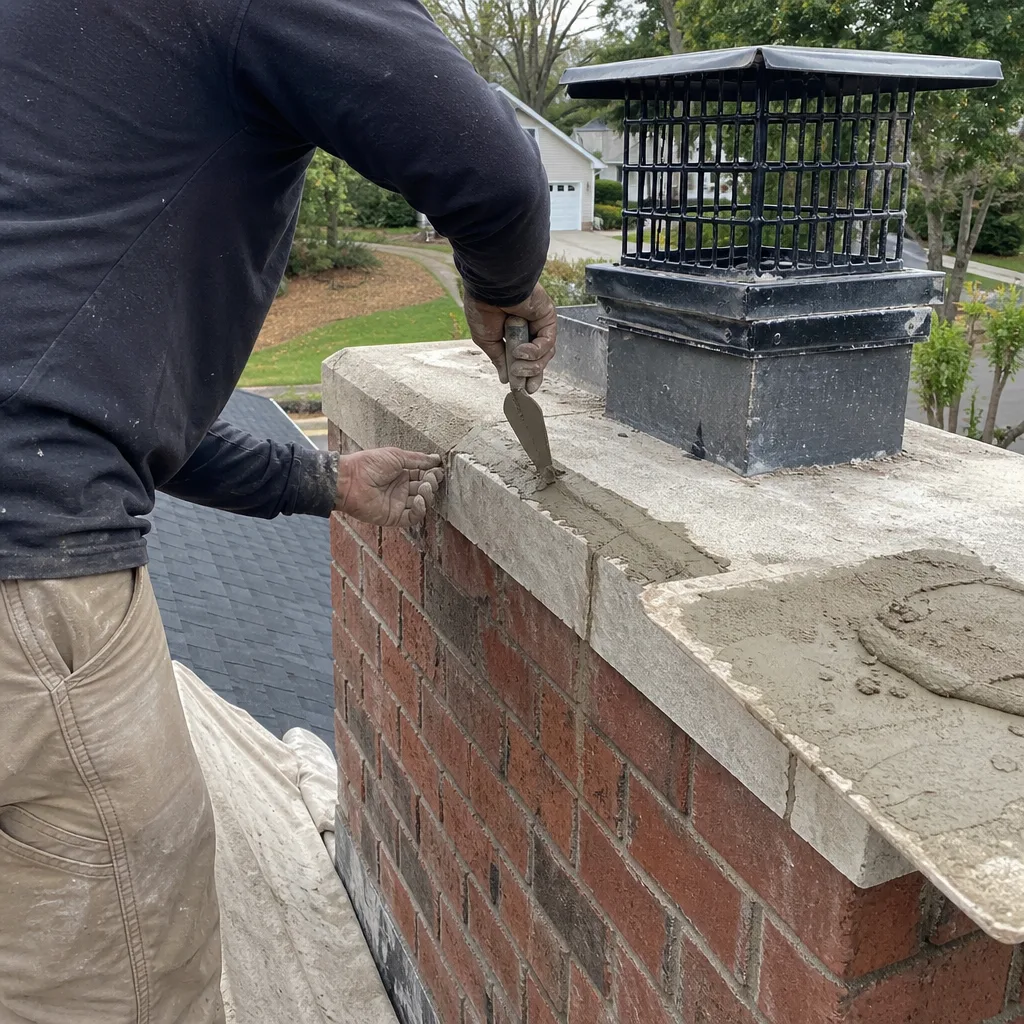
Exempt: Cap replacement on existing flue (if no structural modification), damper repair, firebrick replacement in firebox (non-structural), and routine sweeping. Fulton requires two inspections for liner work: rough-in before closure and final after completion. The permit fee for residential chimney liner replacement in 2024 ranged from $180-$340 depending on project valuation.
DeKalb County (including Decatur, Dunwoody, Brookhaven)
DeKalb amended to the 2021 IRC in 2023. Their permitting triggers are similar to Fulton with one significant difference: DeKalb explicitly requires permits for “repair or replacement of chimney caps where the flue opening is modified.” A cap upsize or downsize to accommodate a new liner diameter triggers review. DeKalb’s fire marshal also requires a separate fire safety inspection for any solid-fuel appliance connected to a repaired or replaced liner.
Cobb County (including Marietta, Smyrna, Kennesaw)
Cobb operates under the 2021 IRC with 2022 amendments. Cobb’s building department interprets liner repair broadly: any liner work beyond “spot parging” (surface coating of minor cracks) requires permitting. This is stricter than Fulton or DeKalb. Cobb also requires engineered drawings for chimney rebuilds over 15 feet in height, which affects historic homes in Marietta’s older districts with tall masonry stacks.
Gwinnett County (including Lawrenceville, Duluth, Norcross)
Gwinnett adopted the 2021 IRC without chimney-specific amendments but enforces a “like-for-like” repair exemption narrowly. Replacing a damaged terracotta flue tile with identical material may proceed without permit if the county inspector pre-approves. Switching to a stainless steel liner - the standard upgrade for Atlanta’s clay-heavy soils and freeze-thaw cycling - always requires permitting and inspection.
Key Takeaway: The Permit Trigger Matrix
| Work Type | Fulton | DeKalb | Cobb | Gwinnett |
|---|---|---|---|---|
| Sweeping/cleaning | No permit | No permit | No permit | No permit |
| Cap replacement (same size) | No permit | No permit | No permit | No permit |
| Cap replacement (modified opening) | Permit | Permit | Permit | Permit |
| Liner spot parging | No permit | No permit | Permit | No permit* |
| Full liner replacement | Permit | Permit | Permit | Permit |
| Crown rebuild >25% surface | Permit | Permit | Permit | Permit |
| Chimney rebuild | Permit | Permit | Permit** | Permit |
* Gwinnett requires pre-approval
** Engineered drawings required if >15 ft
Atlanta’s climate accelerates the conditions that trigger these permits. Our freeze-thaw cycles, clay-heavy soils that shift with moisture, and occasional ice storms create thermal stress on masonry that inland Georgia counties rarely see. In Virginia-Highland and Inman Park, we’ve found century-old chimneys with no liner at all - legal when built, but requiring full liner installation (and permits) before any modern appliance can be safely connected.
NFPA 211: The Technical Standard Georgia Inspectors Actually Use
Here’s a fact that confuses most Atlanta homeowners: NFPA 211, the National Fire Protection Association’s “Standard for Chimneys, Fireplaces, Vents, and Solid Fuel-Burning Appliances,” is not Georgia law. The Georgia State Fire Marshal’s office has not adopted it by reference into the Official Code of Georgia Annotated. Counties may reference it; none are required to enforce it.
Yet NFPA 211 shapes nearly every chimney dispute that reaches insurance arbitration or civil court in Georgia. Here’s how.
How NFPA 211 Becomes Binding
- Insurance policy incorporation. Most Georgia homeowner policies contain language requiring “maintenance in accordance with manufacturer specifications and recognized industry standards.” NFPA 211 is the only recognized industry standard for chimney maintenance. An insurer can deny a chimney fire claim if the homeowner cannot demonstrate compliance.
- Local ordinance adoption. Fulton County’s 2021 IRC amendment explicitly references NFPA 211 Section 14.2 for inspection frequency in rental properties. DeKalb’s fire code incorporates NFPA 211 Annex B for solid-fuel appliance clearances. These local adoptions make specific sections enforceable within those jurisdictions.
- Negligence per se in tort. Georgia courts have accepted NFPA 211 compliance as evidence of reasonable care in premises liability cases. A landlord who failed to schedule annual inspections per NFPA 211 Section 14.2 was found negligent in a 2019 Fulton County case involving a tenant’s chimney fire.
- Professional duty of care. Georgia’s chimney professionals are held to the standard of care defined by their trade’s established practices. NFPA 211 is those practices, codified. A sweep who performs work below its minimums risks professional liability even without a specific statute.
What NFPA 211 Actually Requires
The sections most relevant to Atlanta homeowners:
- Section 14.2: Chimneys, fireplaces, and vents shall be inspected at least once a year, and cleaned as needed. In Atlanta’s oak-heavy canopy, where creosote buildup runs Class II to III in a single burning season, “as needed” typically means annually for active fireplaces.
- Section 14.3: Three inspection levels defined. Level 1 is visual, accessible areas only. Level 2 includes video scanning of internal flue surfaces - required upon sale or transfer of property, after chimney fire or seismic event, or when fuel type changes. Level 3 involves demolition of building components and is rare.
- Section 7.2.3: Factory-built metal chimneys shall be listed and installed per manufacturer instructions. This affects Atlanta’s 1980s-2000s subdivisions with prefabricated metal fireplaces.
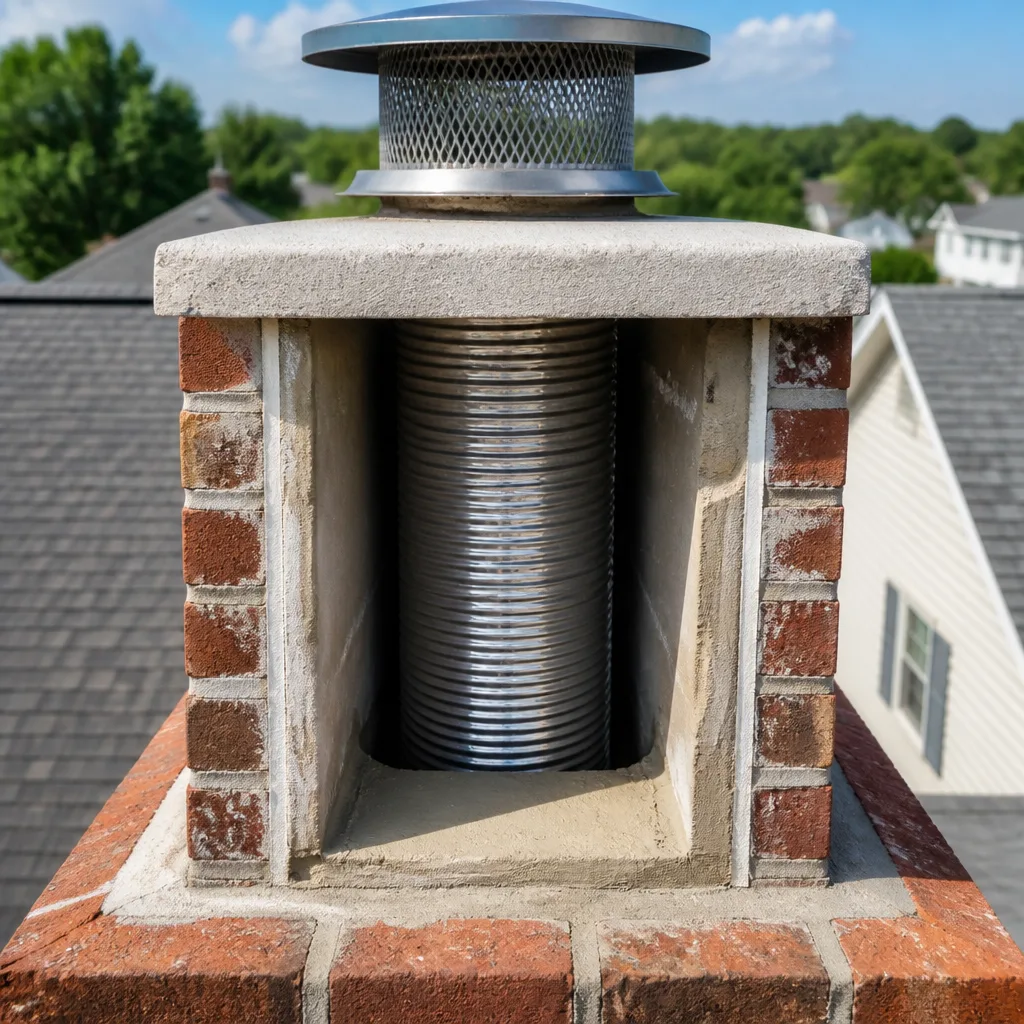
- Section 12.6: Flue liners shall be continuous, free of cracks or gaps, and properly sized for the appliance. The standard Atlanta finding: terracotta tile with vertical cracks from thermal shock, or mortar joints eroded by condensing flue gases in improperly vented gas inserts.
We made NFPA 211 Level 2 inspection - camera down the flue, documented photo record, written findings - our default practice in 2009, years before insurers or regulators began requesting it. That practice became Clause 4 of the Haven Standard. Every Level Two Chimney Atlanta home inspection includes this documentation not as an upgrade, but as the baseline.
What Insurance Adjusters Look for After a Chimney Fire
Chimney fires in Atlanta follow a predictable seasonal pattern: first cold snap in November, peak in January, secondary spike during March’s late freeze. The Atlanta Fire Rescue Department responds to 80-120 chimney or flue fires annually, with concentrated activity in neighborhoods with high concentrations of pre-1980 housing stock - Grant Park, Candler Park, Kirkwood, and the historic districts of Decatur.
After the fire is out, the insurance claim sequence begins. Adjusters work from a checklist, and documentation gaps are the primary reason claims are reduced or denied.
The Adjuster’s Documentation Checklist
- Pre-loss maintenance records. Was the chimney cleaned and inspected within the 12 months preceding the fire? NFPA 211 Section 14.2 establishes annual inspection as the baseline. A gap of 18+ months triggers scrutiny.
- Inspection type and scope. Was the most recent inspection Level 1 (visual) or Level 2 (camera scan)? After a chimney fire, insurers increasingly request Level 2 documentation to establish that liner defects were not pre-existing and unreported.
- Photo or video evidence. Dated, geotagged images of flue condition before the fire. Adjusters compare these to post-fire damage to determine whether the fire originated from a maintenance failure (creosote ignition) or a structural defect (liner crack allowing combustible contact).
- Written scope and recommendations. Did a qualified professional document conditions and recommend repairs? A verbal “you should get that fixed” carries no weight. A written report with the homeowner’s acknowledged receipt does.
- Permit compliance for prior work. If liner work was performed before the fire, were permits pulled and inspections passed? Unpermitted prior repairs can void coverage under policy exclusions for “work performed without required permits.”
The critical insight: the documentation that protects you after a fire must exist before the fire. We’ve reviewed hundreds of Atlanta-area claims where homeowners had cleaned their chimneys regularly but lacked camera documentation of liner condition. A Level 1 inspection with flashlight-only assessment cannot establish that a crack visible post-fire was not present pre-fire. The Level 2 camera record, with date stamp and footage archived under Haven Standard Clause 4, closes that evidentiary gap.
Materials matter too. When liner replacement is necessary, we source from HeatShield (ceramic resurfacing systems), Gelco (stainless steel components), and Olympia Chimney (liner systems) through Haven’s buying network - brands with established UL listings and manufacturer documentation that insurers recognize. Off-brand or unlisted materials can complicate claims even when installation was proper.
Unpermitted Repairs and Atlanta Home Sales: The Hidden Title Defect
From 2021 to 2024, Atlanta’s seller-favorable market allowed many homeowners to defer maintenance disclosure. That window is closing. Interest rate increases have shifted leverage to buyers, and their attorneys are scrutinizing permit histories with new intensity.
Chimney-related title defects follow a consistent pattern in our market:
The Typical Defect Sequence
- Homeowner in Buckhead, Midtown, or East Atlanta notices drafting problems or odor.
- A sweep recommends liner replacement, quoting $2,800-$5,500.
- Homeowner selects a lower cash bid from an unlicensed or uninsured operator.
- Work proceeds without permits. No inspection. No documentation filed with county.
- Two to seven years later, homeowner lists the property.
- Buyer’s inspection notes “recent liner work - verify permits.”
- Title search reveals no permit history. Buyer’s attorney flags it as a potential encumbrance.
- Seller must either: obtain retroactive permits (often requiring partial demolition for inspection access, $1,500-$3,500 additional), provide a seller’s affidavit with liability exposure, or reduce sale price.
In 2023, we provided second opinions on 34 Atlanta-area chimney systems where unpermitted work was discovered during sale. The average cost to remediate - not the original work, but the permit gap - was $4,200. The highest was $11,000 in a Virginia-Highland renovation where a previous owner had rebuilt the entire chimney stack without engineering review.
How to Verify Permit History Before Buying
- Fulton County: Search the Fulton County online permit portal by property address. Records extend to 1995 for most jurisdictions.
- DeKalb County: DeKalb’s Permit and Inspection portal requires parcel ID; address search is available but less reliable for pre-2000 records.
- Cobb County: Cobb’s Citizen Access system provides the most complete digital archive, with scanned inspection cards back to 1988.
- Gwinnett County: Gwinnett’s ePermits system covers 2004-present; earlier records require in-person request.
Request the specific inspection cards, not just permit issuance. A permit pulled but never inspected is functionally equivalent to no permit. The final inspection card - signed by the county inspector, with date and correction notes if any - is the document that clears title.
For sellers, proactive permitting protects value. For buyers, a Chimney Repair in Atlanta assessment with permit verification should be standard due diligence, comparable to roof or foundation evaluation.
What a Compliant Written Inspection Record Should Include
Not all inspection reports are created equal. The document that satisfies a homeowner’s curiosity may fail entirely in an insurance or legal context. After reviewing thousands of Atlanta-area reports - our own and competitors’ - we’ve identified the elements that actually hold up under scrutiny.
Required Elements for Insurance and Code Compliance
| Element | What It Looks Like | Why It Matters |
|---|---|---|
| NFPA 211 section reference | “Inspection performed per NFPA 211, Section 14.3, Level 2” | Establishes standard of care; without it, report may be dismissed as non-standard |
| Date and property address | “November 14, 2024; 847 Elmwood Drive NE, Atlanta, GA 30307” | Chains documentation to specific property and time; geotagged photos preferred |
| Technician identification | “Performed by [Name], Technician #[number], background-checked per Haven Standard” | Establishes accountability; anonymous reports carry no weight |
| Liner condition rating | “Flue liner: Class III deterioration per CSIA standards; 60% mortar joint loss; recommendation: replacement” | Quantified condition prevents “he said/she said” disputes |
| Photo log with annotations | “Image 7: Vertical crack, 3rd flue tile from top, 1/8″ width, 14″ length; compass orientation: north face” | Specificity prevents challenge; “crack visible” is inadequate |
| Written scope and price | “Replace stainless steel liner, 6″ diameter, 18′ length, with insulation: $4,200. Written warranty: 20 years.” | Haven Standard Clause 1; price before work, not after |
| Client acknowledgment | Signature or digital acknowledgment with timestamp | Proves receipt; without it, homeowner can claim recommendations were never communicated |
Our reports include all seven elements as standard. Clause 4 of the Haven Standard requires the photo record; we archive these for seven years, accessible to the homeowner and their insurer on request.
The most common deficiency we see in competitor reports: a generic checklist with checkboxes (“Liner: OK / Fair / Poor”) and no images. This format cannot establish pre-existing condition, cannot support an insurance claim, and provides no defense in a liability dispute. Atlanta’s market has matured past accepting these as adequate.
Common Mistakes to Avoid
- Assuming “licensed contractor” means permit compliance. Georgia’s Residential Contractor license (RBC) allows bidding on projects over $2,500, but does not obligate permit pulling. Verify separately that permits were obtained and inspections passed.
- Accepting verbal estimates for permit-triggering work. In Grant Park and Ormewood Park, we’ve seen homeowners pay $6,000+ for liner work with nothing in writing. No written scope means no warranty enforcement, no insurance documentation, and no permit verification trail.
- Skipping the Level 2 inspection on a home purchase. Atlanta’s 1920s-1950s housing stock often contains unlined chimneys or abandoned flues. A Level 1 inspection misses these entirely. The $250-$400 cost of Level 2 documentation prevents $5,000+ surprises.
- Treating chimney caps as purely cosmetic. In DeKalb County, cap modifications trigger permits; more fundamentally, an improperly sized cap causes water intrusion that destroys liners from the outside. We’ve replaced Famco and Gelco caps that failed from corrosion after incorrect sizing - a $180 part that caused $3,000 in liner damage.
- Ignoring the freeze-thaw factor. Atlanta’s 15-20 annual freeze-thaw cycles exceed the Gulf Coast but lag the Northeast. Homeowners migrating from Florida underestimate masonry deterioration; those from Chicago overestimate liner durability. Local context matters.
- Failing to transfer documentation at sale. Inspection reports, permits, and warranties should convey to buyers. We provide a transferrable warranty document for all liner installations; sellers who retain these records smooth their closing significantly.
- Assuming gas fireplaces exempt the chimney. Atlanta’s 1990s-2000s subdivisions are full of “ventless” gas logs installed in wood-burning fireplaces with damaged liners. The gas appliance may not require sweeping, but the chimney serving it still needs inspection - and the liner condition determines whether carbon monoxide can escape into living spaces.
When to Call a Professional
Call a qualified chimney professional when: your annual burning season approaches and you have no inspection record from the prior 12 months; you notice drafting problems, smoke odor, or visible creosote flakes in the firebox; you’re purchasing a home built before 1990 with no documented chimney inspection; or you’ve experienced a chimney fire, seismic event, or significant weather event (ice, lightning strike).
Level Two Chimney Atlanta offers free estimates in Atlanta - call (470) 435-7984. Every estimate includes a written scope, written price, and written warranty before any work begins, per Haven Standard Clause 1. We provide a Free Second Opinion on any competitor’s written estimate, and our 365-Day Done Right Promise covers every job we complete. Fireplace Services in Atlanta assessments include the same documentation standards as our chimney work.
Frequently Asked Questions
A standard chimney sweep in Atlanta ranges from $180-$340 for a Level 1 inspection with cleaning, and $280-$450 for a Level 2 inspection with camera scan and photo documentation. Level 2 is recommended for home purchases, after chimney fires, or when fuel types change. Call (470) 435-7984 for an exact quote - estimates are free.
You need a new liner when the existing liner is cracked, missing sections, or improperly sized for your appliance - conditions that allow combustible gases or sparks to contact surrounding structure. A Level 2 camera inspection determines this definitively; we show you the footage and explain the rating before recommending replacement. Some conditions can be monitored annually; others require immediate action. Nothing is recommended without camera evidence you can see yourself.
Active wood-burning fireplaces in Atlanta should be swept annually, per NFPA 211 Section 14.2. Oak-dominant neighborhoods (much of intown Atlanta) produce Class II to III creosote in a single season. Gas fireplaces need inspection every 1-2 years depending on use, though sweeping is typically unnecessary. Oil and pellet systems follow manufacturer schedules, usually annual.
Skipped maintenance leads to creosote accumulation, which ignites at 451°F and can reach 2,000°F in a chimney fire - hot enough to crack terracotta liners and damage adjacent framing. Carbon monoxide risks increase with blocked or deteriorated flues. In Atlanta’s tight housing stock, a chimney fire often involves shared walls and rapid spread. Insurance may deny claims if maintenance records are absent. Call (470) 435-7984 to schedule before burning season.
Homeowners can pull their own permits for work on their primary residence in most Georgia counties, including Fulton, DeKalb, Cobb, and Gwinnett. However, the work must still pass inspection, and homeowner-pulled permits limit your ability to hold contractors accountable for defects. Most reputable chimney companies include permit costs in their written estimate and handle the entire process.
Search your county’s online permit portal by property address - links are available through each county’s building department website. For Fulton, DeKalb, Cobb, and Gwinnett, records extend back to the late 1980s or early 1990s. Request inspection cards, not just permit issuance. If no record exists and work was performed, assume it was unpermitted and consider a professional assessment for your own protection.
The Bottom Line
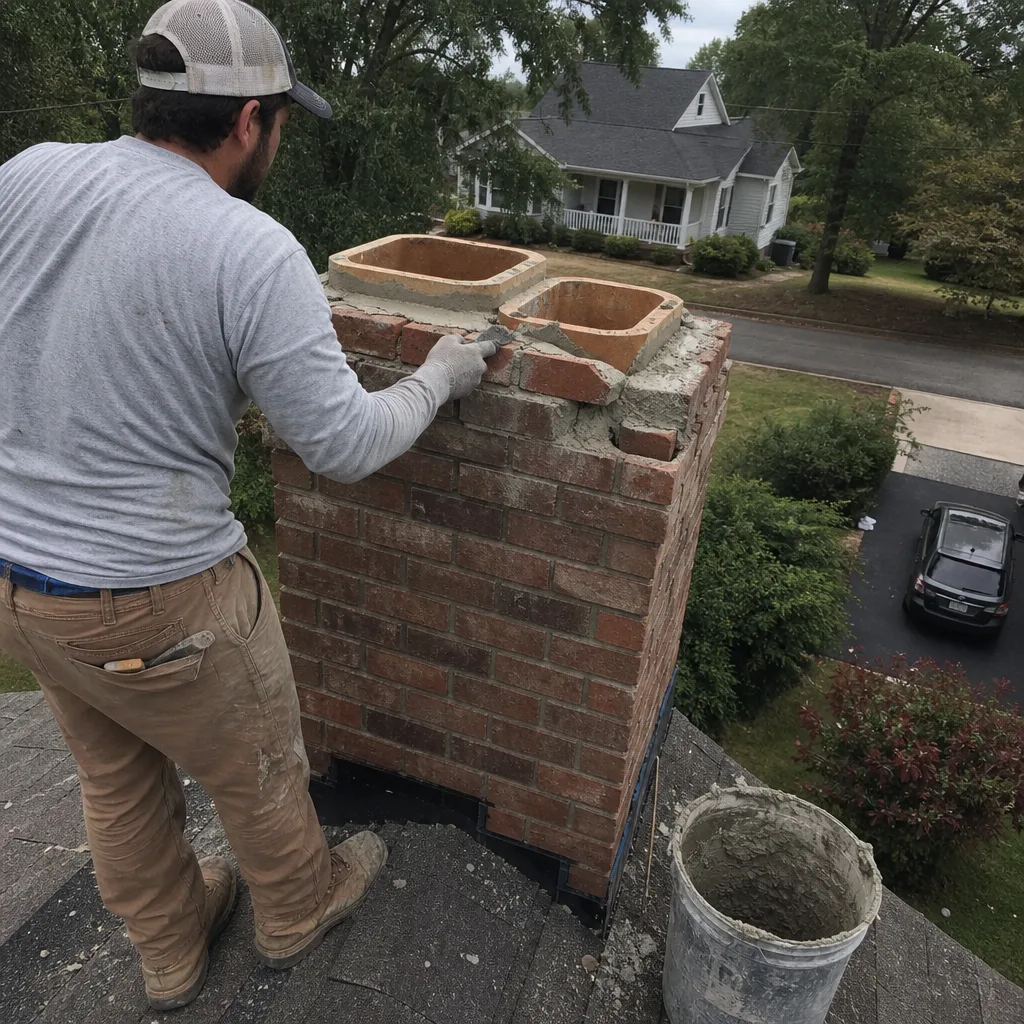
Chimney cleaning itself is permit-free in Georgia, but the repairs it reveals rarely are. The Atlanta homeowner who understands this distinction - who demands camera documentation, written pricing, and permit compliance before work begins - avoids the title defects, insurance denials, and rushed corrections that plague those who don’t. For the full picture on keeping your chimney safe and legal, read The Complete Guide to Chimney Cleaning in Atlanta. NFPA 211 provides the technical framework; county codes provide the legal requirements; your inspection record provides the protection when either comes calling. The cost of documentation is modest. The cost of its absence, measured in delayed sales, denied claims, or compromised safety, is not.
Written by Corrine Halstead, Owner at Level Two Chimney Atlanta, serving Atlanta since 2009. Explore more guides & resources on our blog.