
Last updated September 22, 2026
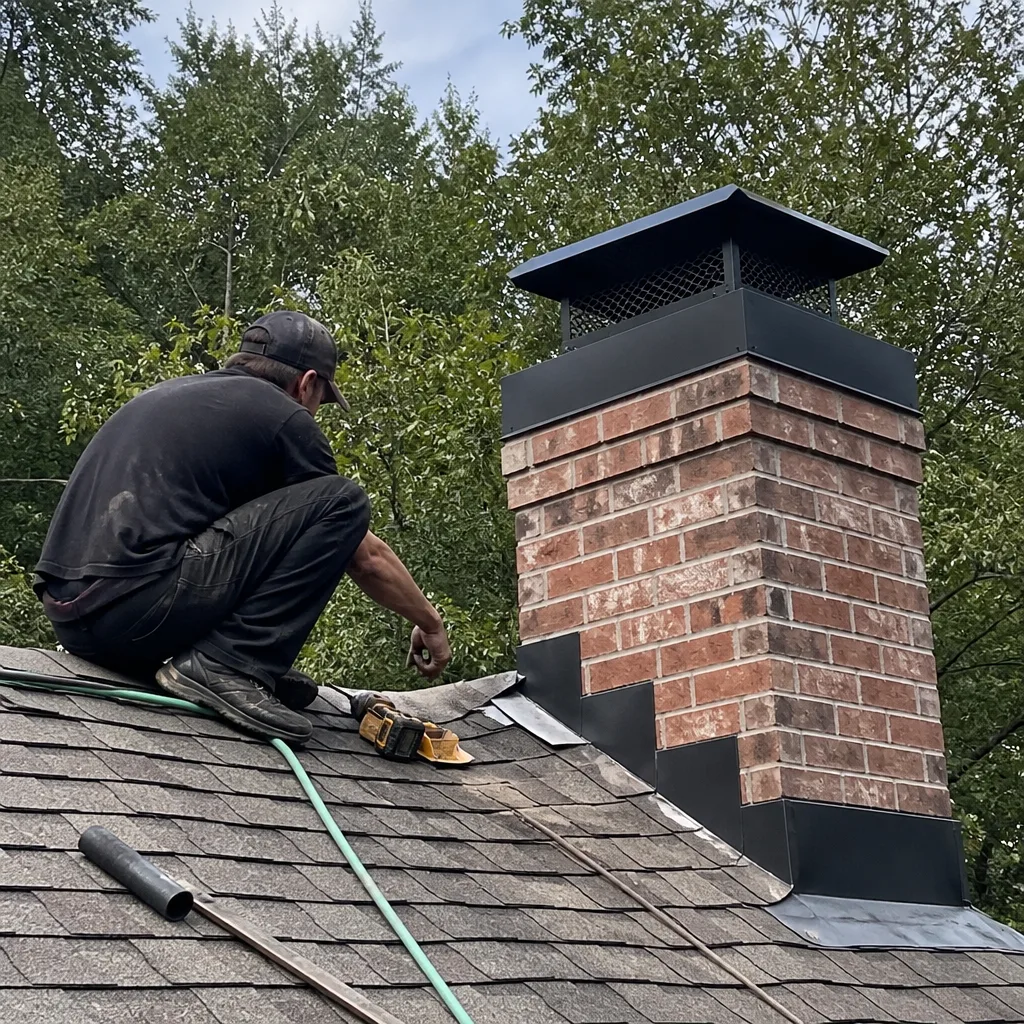
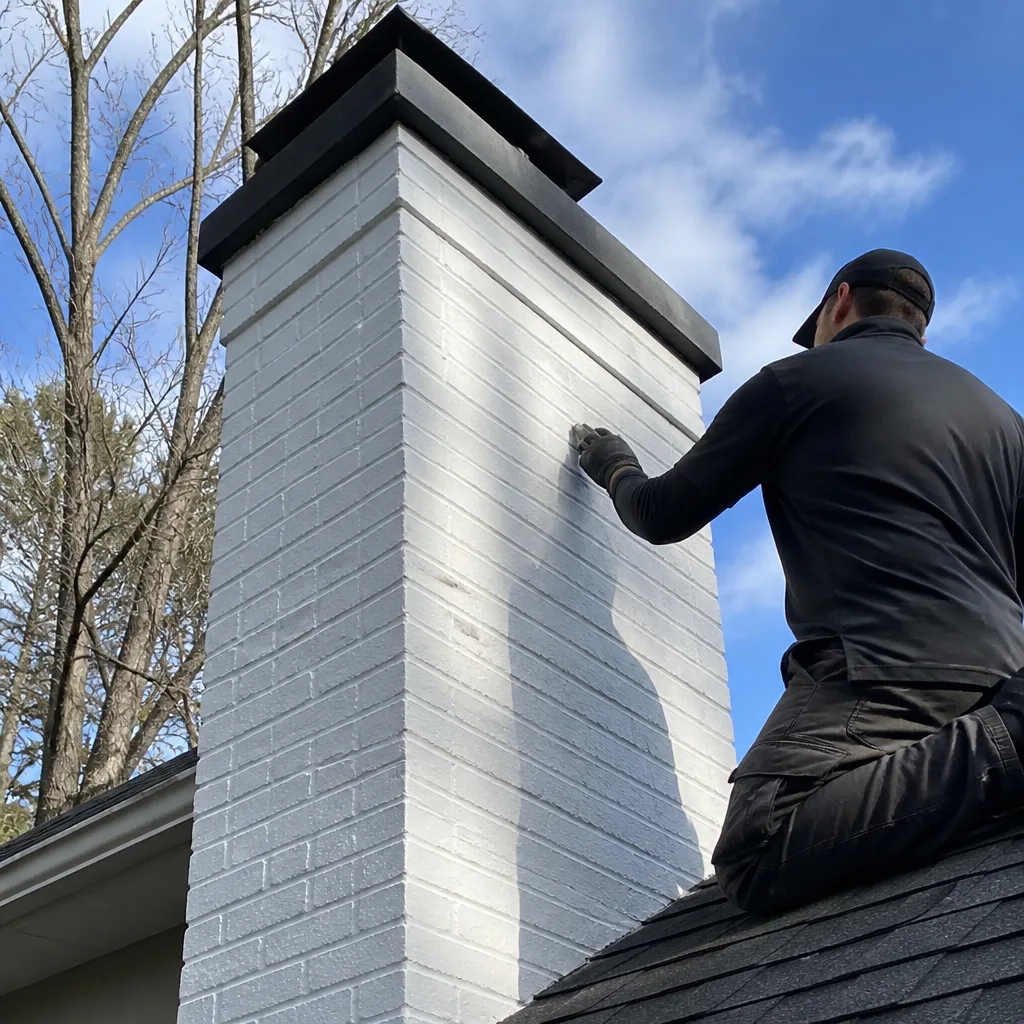
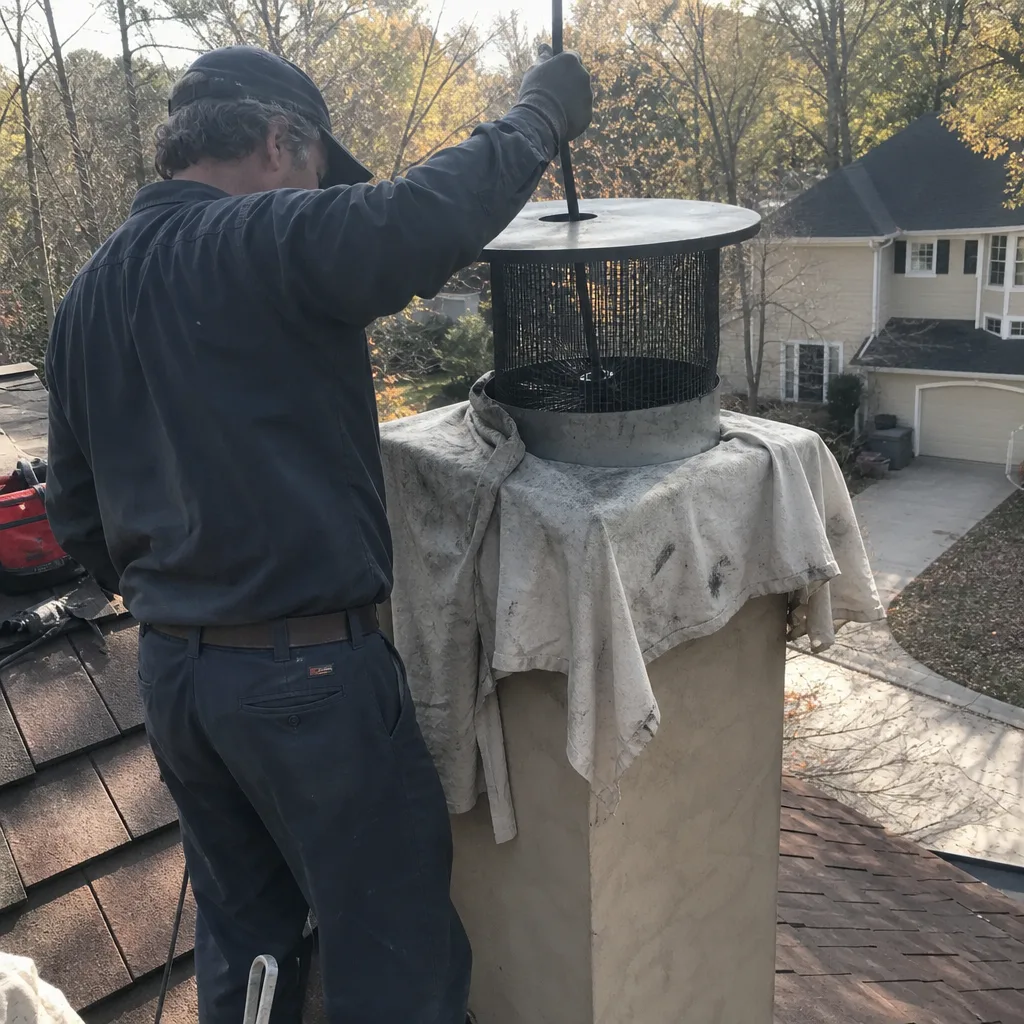
Level 1 sweep and inspection to the NFPA 211 annual standard - flue, crown, cap, and flashing checked and photographed
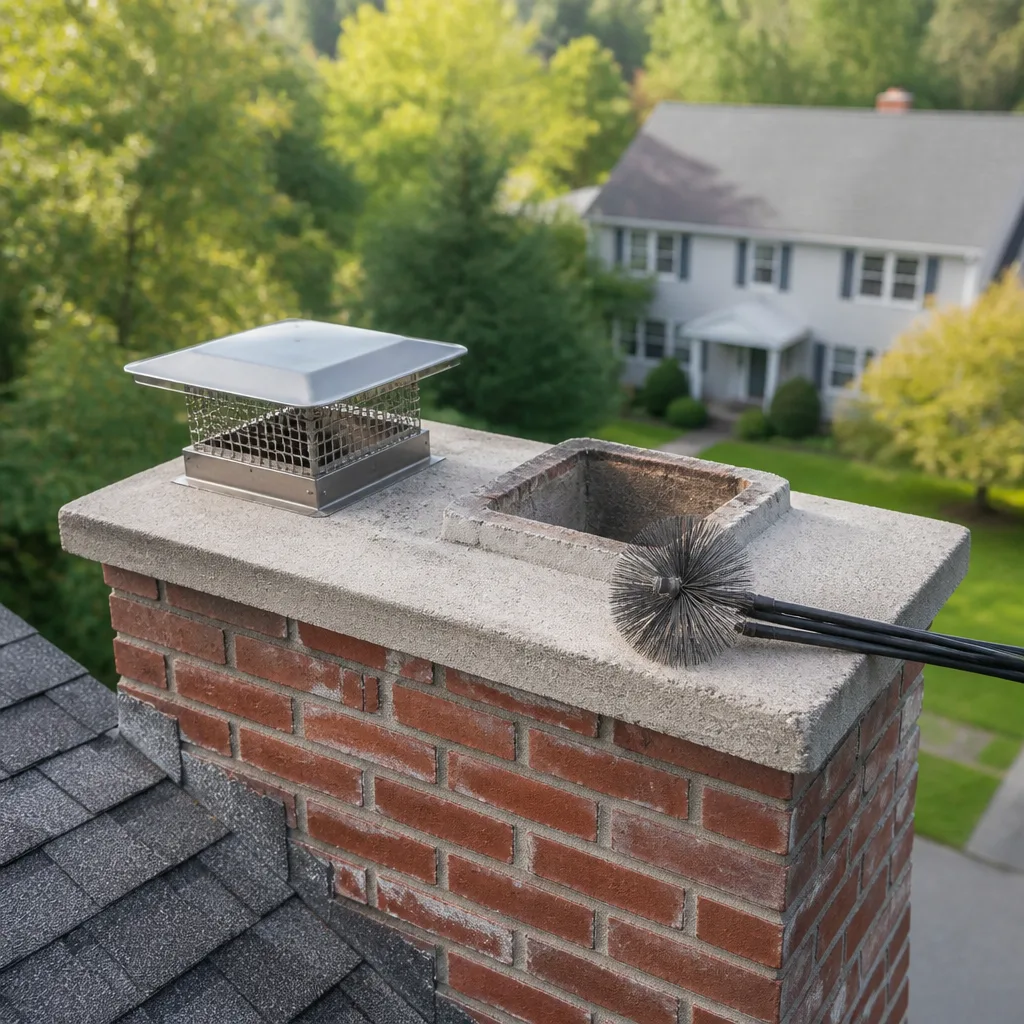
Chimney sweep logs do not sweep chimneys. They loosen some creosote - which then falls where a brush and vacuum still have to collect it.
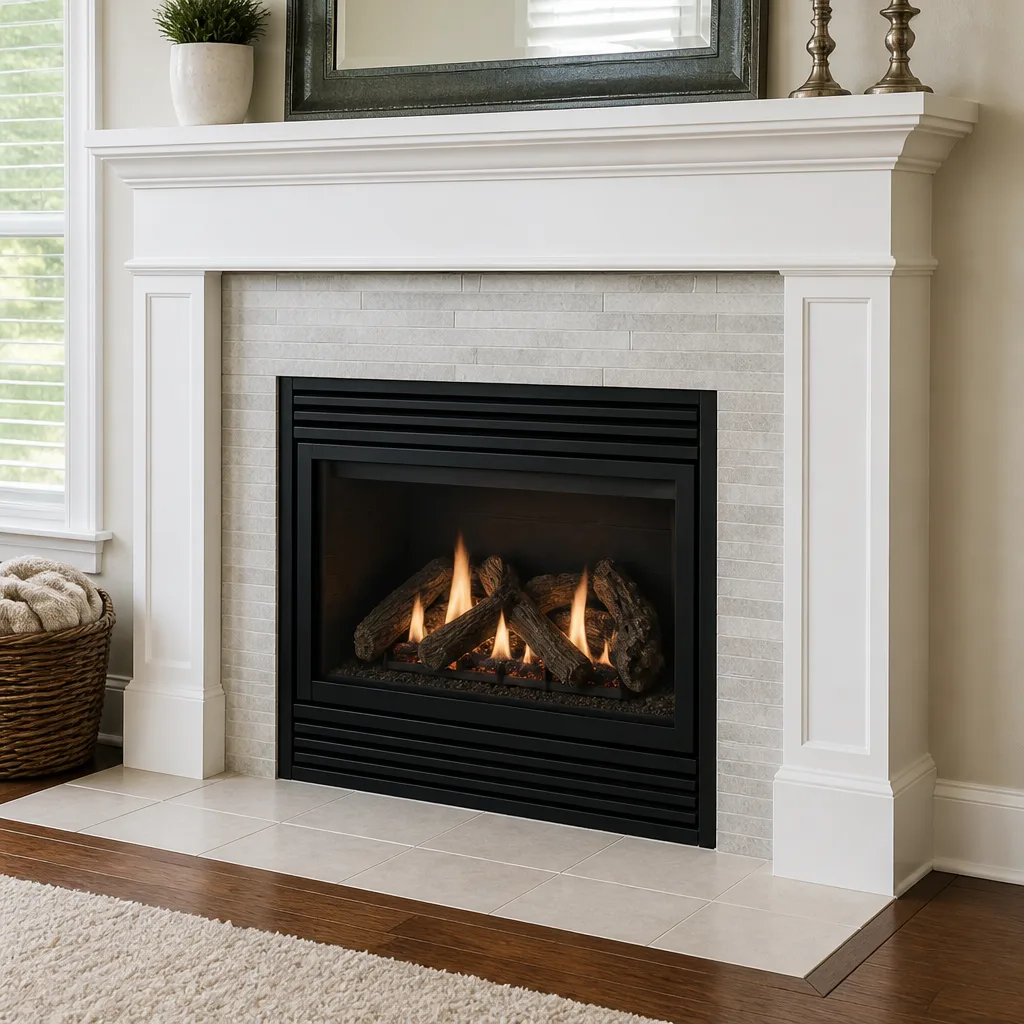
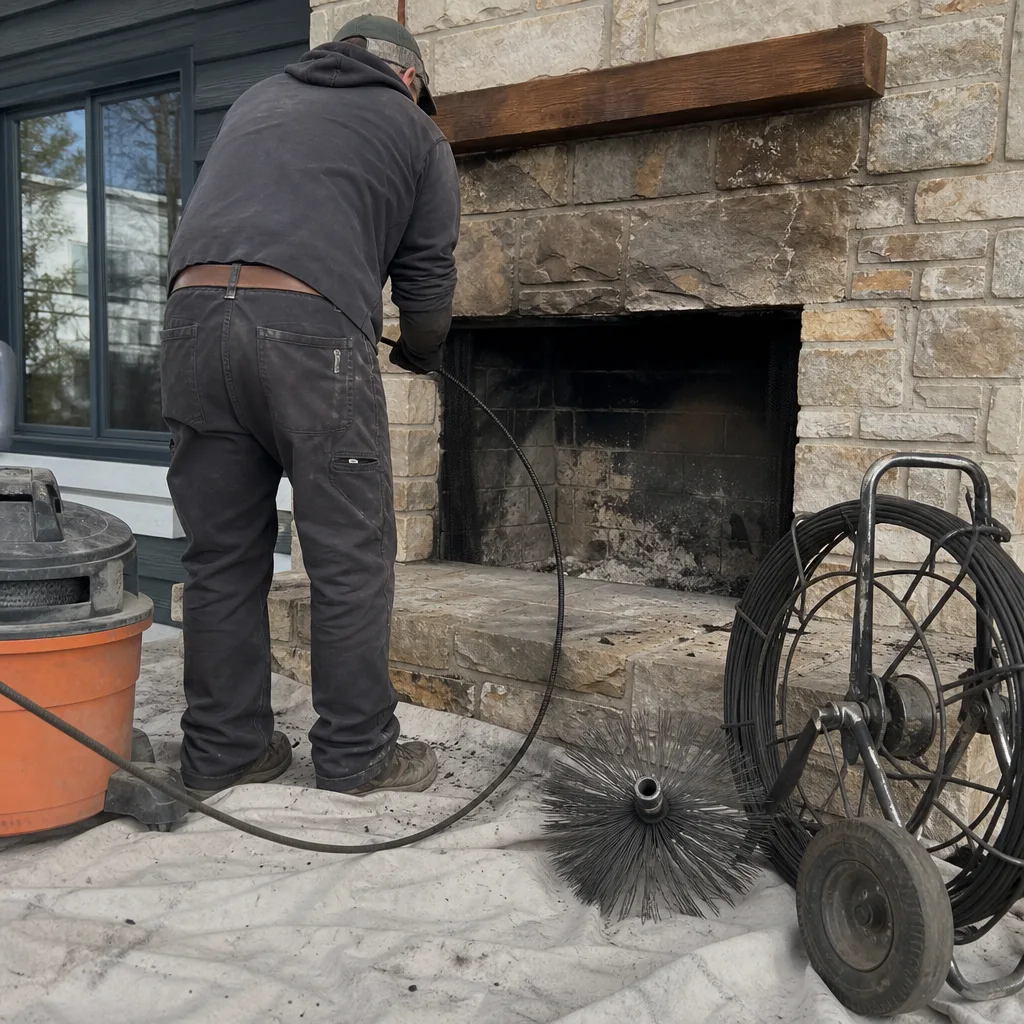 Before
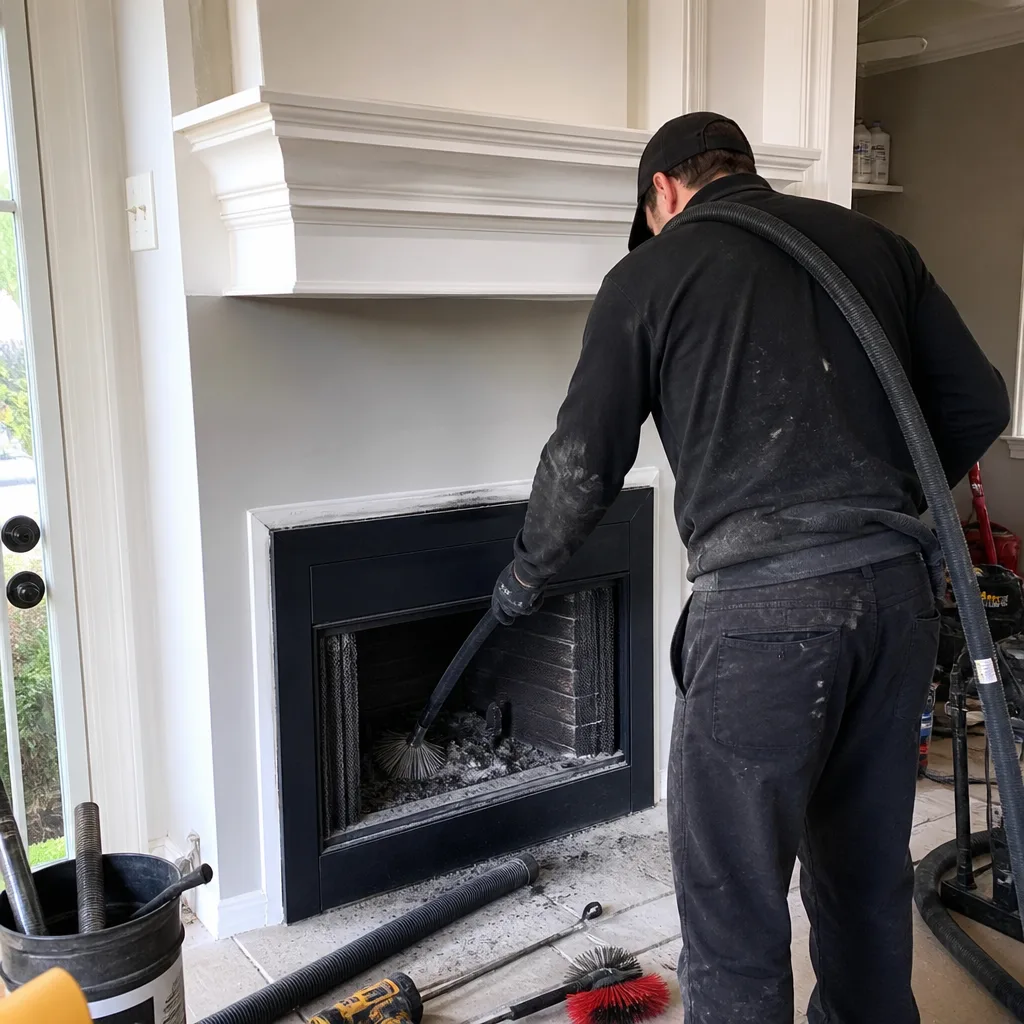 After
After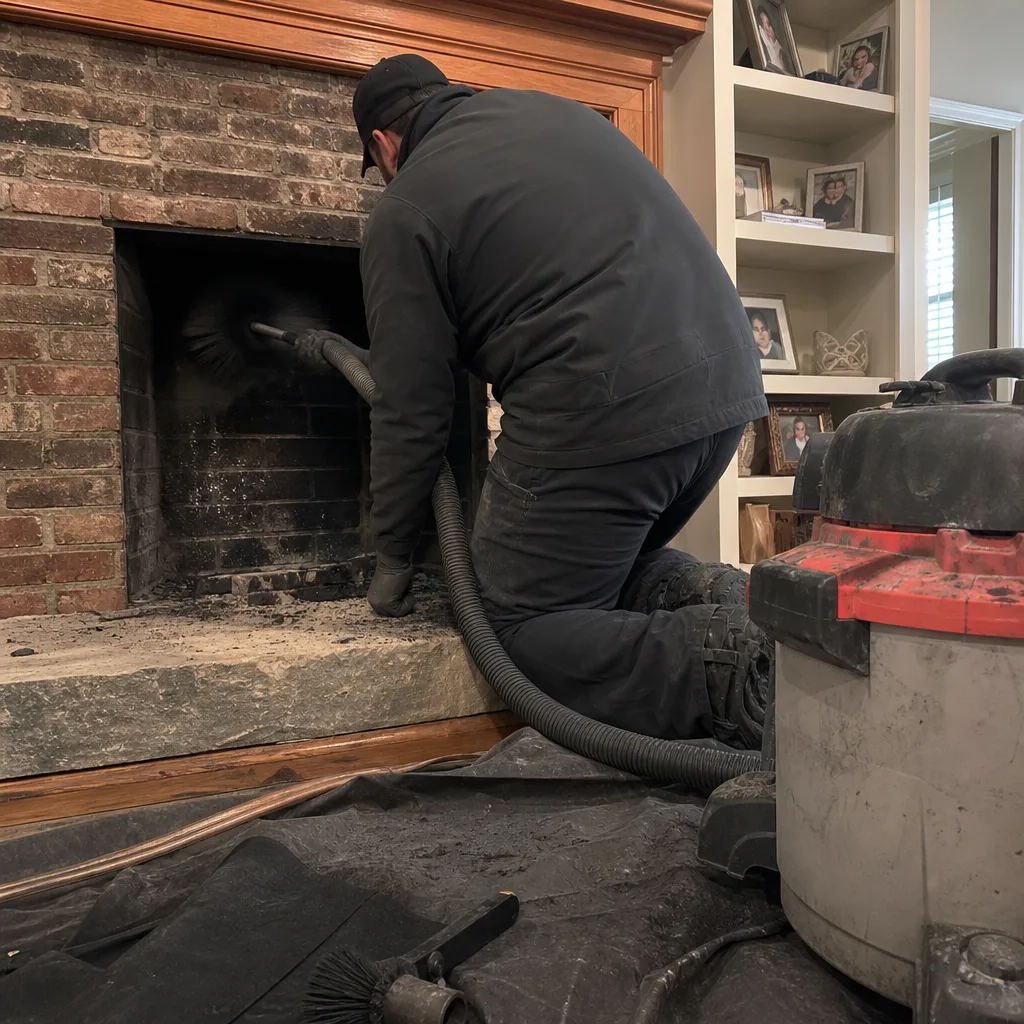 Before
 After
After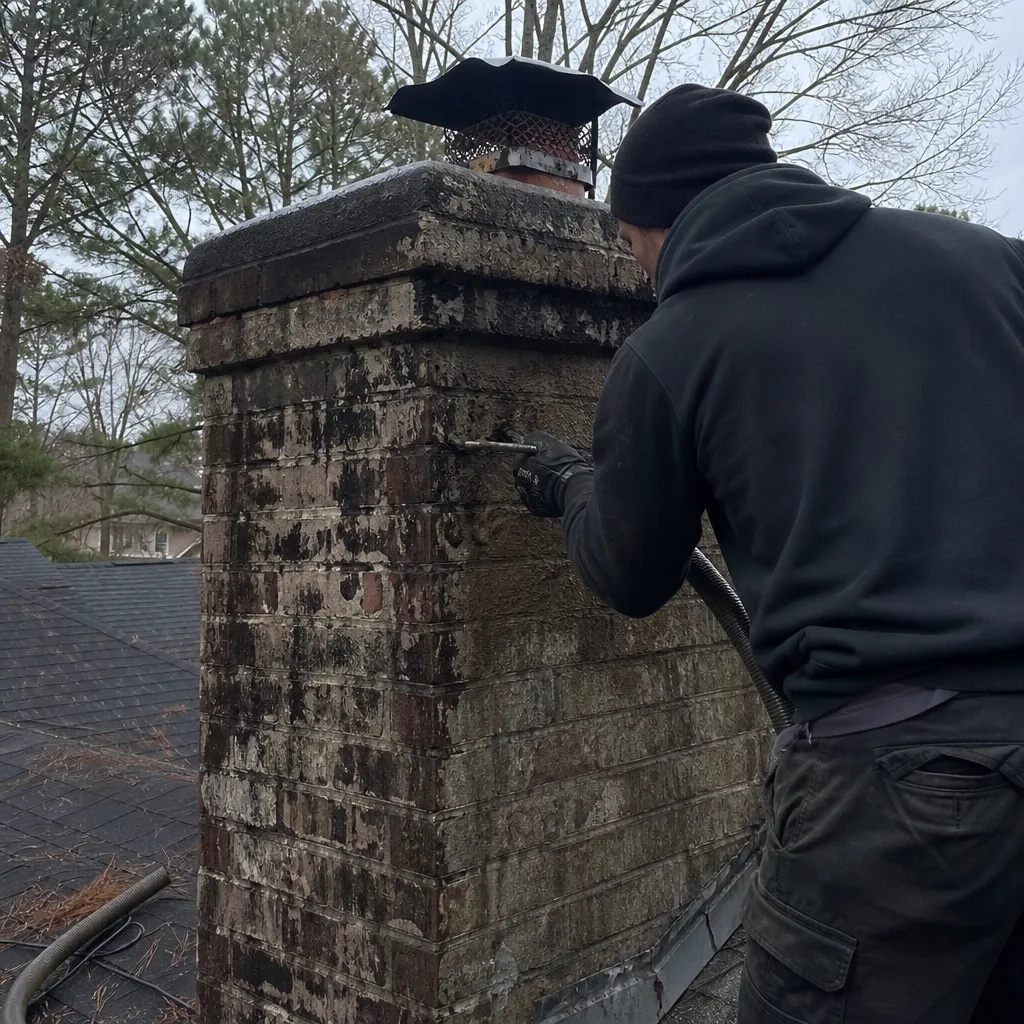 Before
 After
AfterChimney Cleaning Cost Breakdown: The Atlanta Homeowner’s Reference for 2026
The $79 chimney cleaning special advertised across Atlanta isn’t a cleaning. It’s a customer acquisition cost, and the company offering it has already modeled that they’ll sell $400 in repairs per appointment. In our 16 years of inspecting chimneys across Buckhead, Decatur, and the Perimeter corridor, we’ve reviewed competitor quotes that started at $89 and ended above $1,800 for work the homeowner never requested. This guide breaks down what each line item should actually cost in the Atlanta market, why the inspection must come before the cleaning, and how to read a written quote so you know what’s necessary and what’s being sold to recover a loss-leader price.
Quick Answer
A legitimate chimney cleaning in Atlanta costs $180-$340 for a single-flue system with a Level 2 camera inspection included, or $120-$190 if you’re only receiving a Level 1 visual inspection without camera documentation. The full range across the metro market runs from $79 loss-leader specials (which exclude inspection and carry repair upsell risk) to $450+ for complex multi-flue systems or properties with steep roof access in neighborhoods like Virginia-Highland or Druid Hills. No written quote should be considered complete without itemized scope, materials, labor, warranty terms, and specific exclusions.
Table of Contents
- What a Real Chimney Cleaning Costs in Atlanta
- Why the Inspection Must Happen Before the Cleaning
- Itemized Pricing: Every Line Item Explained
- The Repair Upsell Pattern: Five Common Quotes
- What a Written Quote Should Contain
- Using Your Camera Report as a Price Anchor
- Atlanta-Specific Cost Factors
- Common Mistakes to Avoid
- When to Call a Professional
- Frequently Asked Questions
- The Bottom Line
BeforeAfterWhat a Real Chimney Cleaning Costs in Atlanta
Atlanta’s chimney service market spans from independent sweeps working out of pickup trucks to multi-vehicle operations serving Fulton, DeKalb, and Cobb counties. The price variation isn’t arbitrary. It reflects real differences in what’s included, what’s documented, and what happens when the technician finds something unexpected.
Here’s what we’ve observed pricing out competitor quotes across the metro area in 2025 and early 2026:
| Service Component | Atlanta Market Range | What’s Typically Included |
|---|---|---|
| Level 1 Visual Inspection | $45-$85 | Exterior visual check, basic firebox and damper look, no camera, no documentation |
| Level 2 Camera Inspection (NFPA 211) | $120-$195 | Interior camera scan of flue liner, smoke chamber evaluation, documented photo record, written findings |
| Single-Flue Cleaning (wood-burning) | $140-$220 | Brush and vacuum of flue, firebox debris removal, damper cleaning, basic creosote removal (Class I-II) |
| Single-Flue Cleaning with Class III Creosote | $220-$340 | Chemical treatment or mechanical removal of glazed creosote, extended labor, protective equipment |
| Firebox Cleaning & Refractory Repair (minor) | $85-$150 | Firebrick surface cleaning, minor mortar touch-up, not full rebuild |
| Cap & Crown Inspection (standalone) | $55-$95 | Visual and physical assessment of crown integrity, cap fit, spark arrestor function |
| Multi-Flue System (2+ flues) | $280-$450 | Per-flue cleaning plus system-wide inspection, often requires additional access time |
| Steep/Roof-Access Surcharge | $35-$75 | Properties with pitch above 7:12, slate or tile roofs, or limited ladder access in dense neighborhoods |
The $79-$99 “complete chimney cleaning” special advertised on radio and mailers in Atlanta typically includes only a Level 1 visual inspection and a cursory brush pass. The camera inspection, which is the only method that can verify liner integrity or identify hidden creosote buildup, is either excluded or offered as a $150-$200 upsell after the technician is already in your home. This matters because chimney cleaning and sweep in Atlanta without camera documentation leaves you with no proof of what was or wasn’t found, and no basis for comparing quotes if repairs are recommended.
Our approach at Level Two Chimney Atlanta, established under the Haven Standard since 2009, has always been to perform the Level 2 camera inspection first, share the photo record with the homeowner, and provide a written price for any cleaning or repair before work begins. Clause 4 of the Haven Standard requires this documentation on every job, not as an optional add-on. We’ve completed more than 38,000 chimney inspections and cleanings using this sequence, and it’s the reason we can offer a Free Second Opinion on any competitor’s written estimate: we have the photo evidence to compare against their claims.
Why the Inspection Must Happen Before the Cleaning
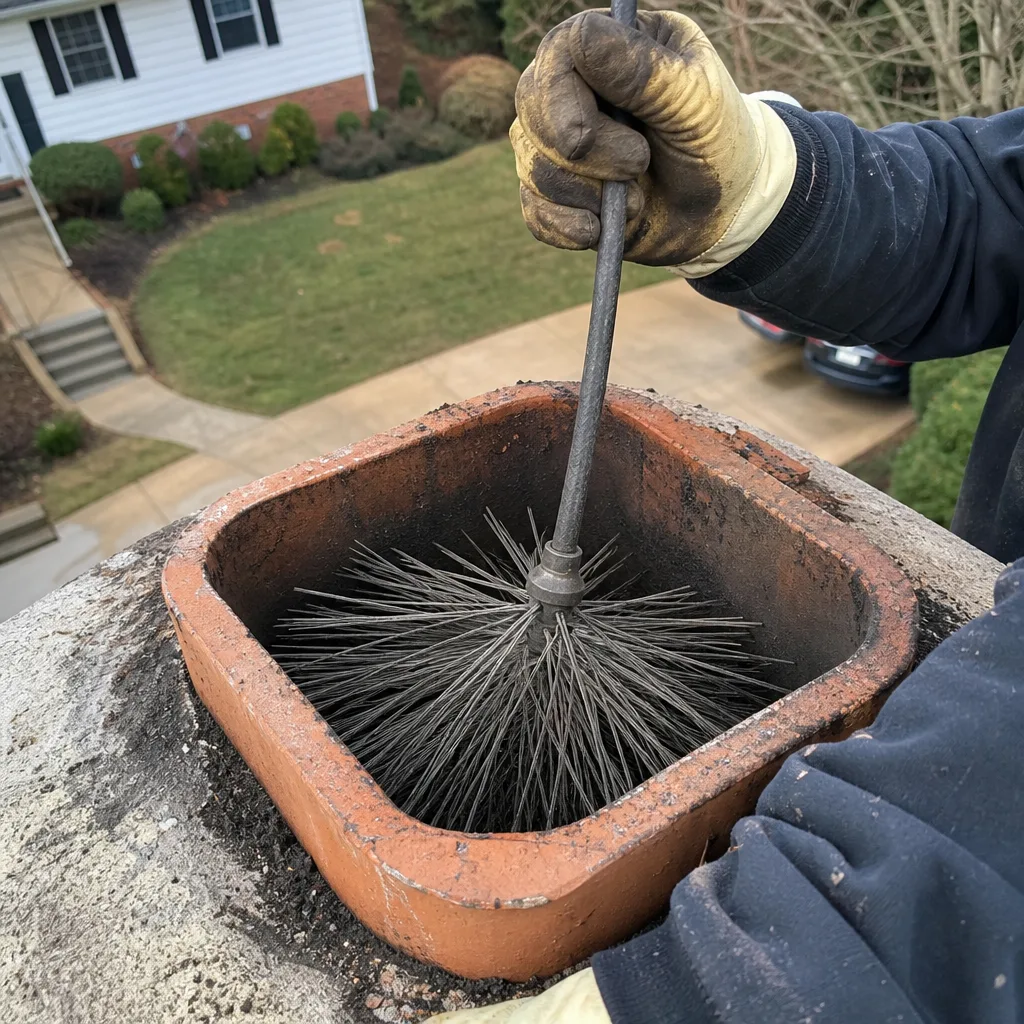
The NFPA 211 standard, which governs chimney safety in the United States, specifies two levels of inspection. Level 1 is a visual examination of readily accessible portions. Level 2 requires a camera scan of the interior flue and is mandatory upon sale or transfer of property, after chimney fire or lightning strike, or when any change is made to the system. In Atlanta, where clay tile liners from the 1960s-1980s are common in neighborhoods like Morningside, Candler Park, and East Atlanta, the difference between these two levels is often the difference between knowing your chimney is safe and assuming it is.
Here’s the sequence that protects you:
- Camera inspection first. The technician runs a camera the full length of the flue, documenting liner condition, joint gaps, creosote class, and any obstructions. This takes 20-40 minutes for a typical single-flue system.
- Review findings with documentation. You see the photos or video. The technician explains what Class I, II, or III creosote means (loose soot, flaky deposits, or glazed tar-like buildup), points to any cracks, spalling, or missing mortar joints, and notes whether the smoke chamber meets current clearance standards.
- Written quote for cleaning and any repair. Before any work begins, you receive a written scope with line-item pricing, materials specified (DuraFlex liner, HeatShield refractory, Olympia Chimney components, or others), labor breakdown, warranty duration and coverage, and specific exclusions.
- Cleaning performed to match findings. If Class III creosote is present, standard brushing won’t remove it. Chemical treatment or mechanical removal requires different equipment and time. If the liner is cracked, cleaning alone is insufficient and may be unsafe.
When a company bundles inspection and cleaning into a single low price, the inspection is not happening to NFPA 211 Level 2 standard. The technician has 45 minutes total on the schedule, the truck is stocked for basic cleaning only, and any finding that requires documentation would slow the route and eliminate the profit margin. We’ve reviewed quotes from Atlanta homeowners who paid $89 for a “complete service” and were then told their liner was “crumbling” with no photo evidence, no written specification of the damage, and a $2,400 repair quote that another contractor later found unnecessary.
The climate factor in Atlanta compounds this risk. Our humid subtropical weather, with summer highs above 90°F and winter freezes that can drop below 20°F, accelerates spalling in concrete crowns and mortar deterioration in older clay liners. A visual inspection from the firebox or roof won’t catch freeze-thaw damage inside the flue. Only the camera does. In our experience inspecting homes in Grant Park and Inman Park, where original 1920s chimneys are common, we’ve found liner damage in roughly 30% of systems that passed a Level 1 visual check within the previous two years.
Itemized Pricing: Every Line Item Explained
To compare quotes fairly, you need each service broken out separately. Here’s what each component costs in the Atlanta market and what should be included at each price point.
Level 1 Visual Inspection: $45-$85
This is a surface-level check. The technician examines the exterior chimney structure, the firebox, the damper, and the smoke chamber from accessible areas. No specialized equipment. No interior flue examination. No documentation required by NFPA 211 at this level. In Atlanta, this is appropriate only for annual maintenance on a system that received a Level 2 inspection within the past 12 months and has had no changes, no fires, and no weather events.
Level 2 Camera Inspection: $120-$195
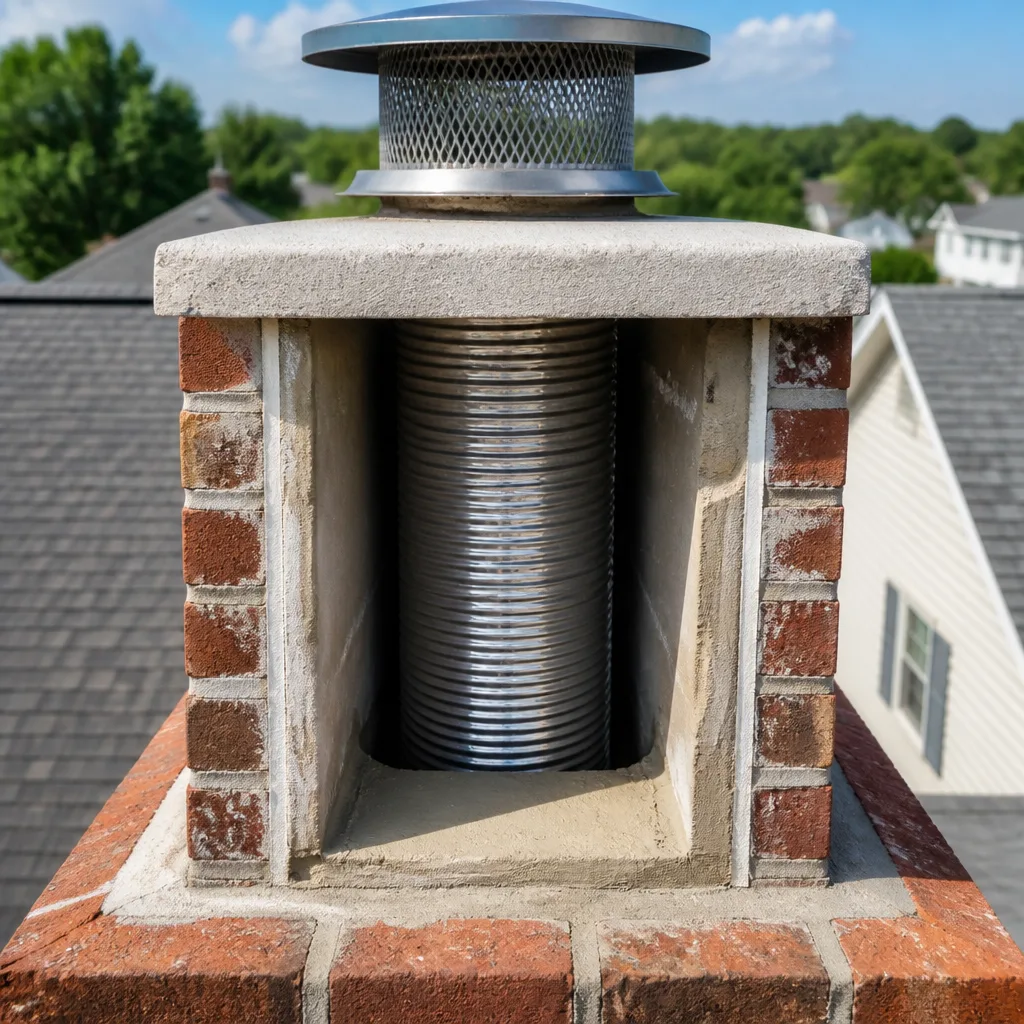
The camera scan examines the full interior flue surface, the smoke chamber, and the connection to appliance or fireplace. The technician documents findings with photos or video. In Atlanta, reputable providers include this as standard on initial visits and property transfers. At Level Two Chimney Atlanta, this is Clause 4 of the Haven Standard: a documented photo record on every visit, included as standard, not an optional add-on. We’ve maintained this practice since 2009, before insurers or regulators began requesting documentation.
Single-Flue Cleaning (Standard): $140-$220
Covers brush and vacuum cleaning of one flue, firebox debris removal, damper cleaning, and disposal. Assumes Class I or II creosote that responds to standard mechanical cleaning. In Atlanta’s market, this is the baseline for gas and lightly used wood fireplaces.
Single-Flue Cleaning (Class III Creosote): $220-$340
Class III creosote is glazed, hardened, and often tar-like. It forms when wood burns incompletely, typically from burning unseasoned wood or restricting airflow. Standard brushing won’t remove it. Chemical treatment (powdered or liquid creosote modifier applied and allowed to react) or mechanical rotary removal with specialized chains or whips is required. This adds 45-90 minutes of labor and material cost. In Atlanta, we see this frequently in rental properties where tenants burned whatever wood was available, and in homes with exterior chimneys on north-facing walls that stay cooler and promote condensation.
Firebox Cleaning & Minor Refractory Work: $85-$150
Firebox cleaning removes ash, soot, and debris. Minor refractory repair addresses surface mortar joint gaps or cracked firebrick faces without full rebuild. This is not structural reconstruction. If the firebox walls are bowed, severely cracked, or missing multiple bricks, you’re looking at rebuild territory ($800-$2,500+ depending on size and materials).
Cap & Crown Inspection: $55-$95
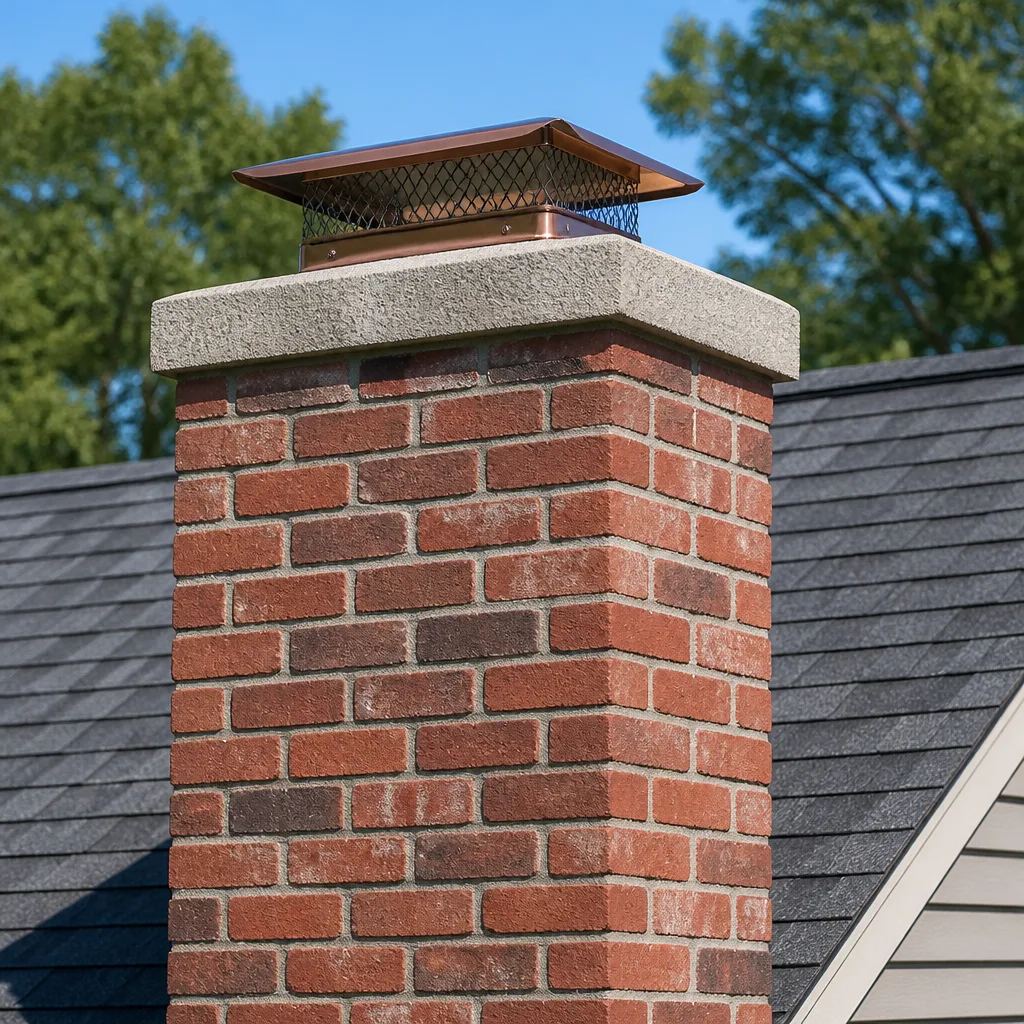
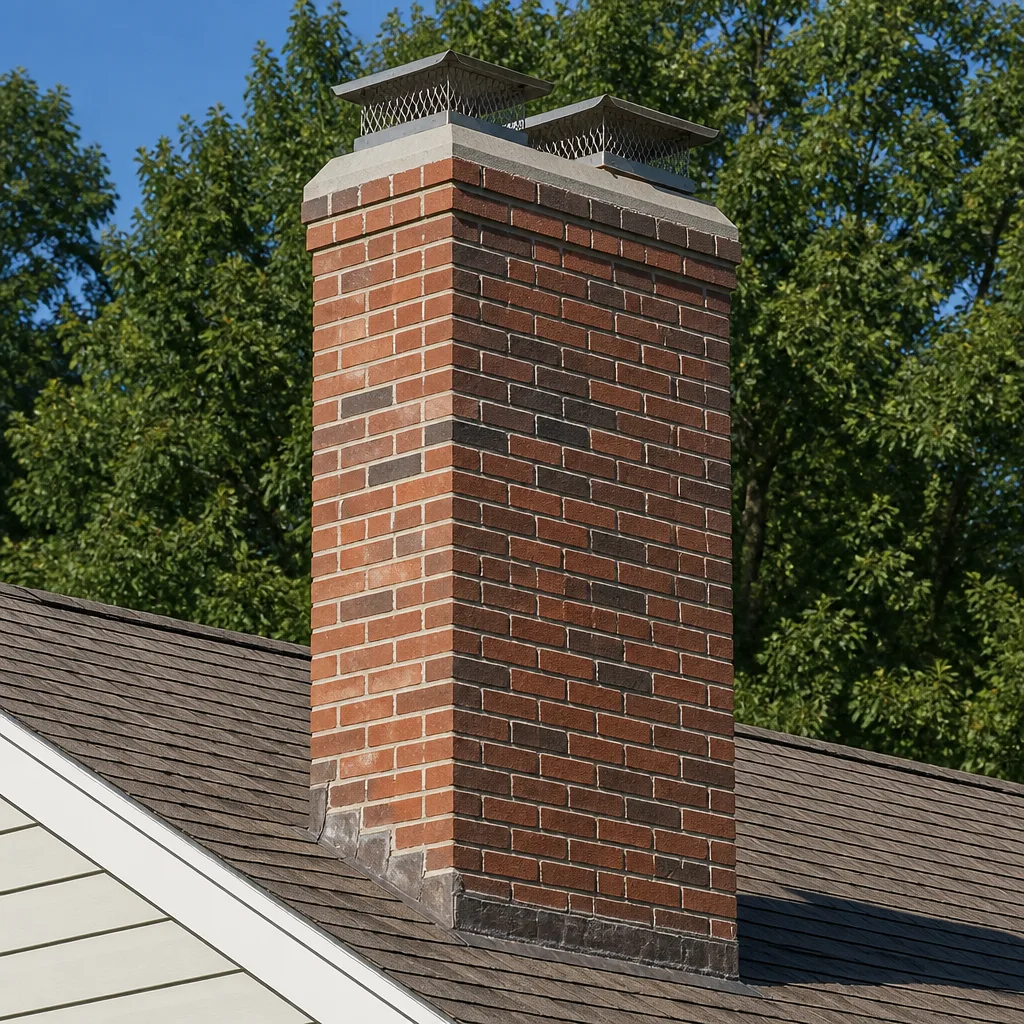
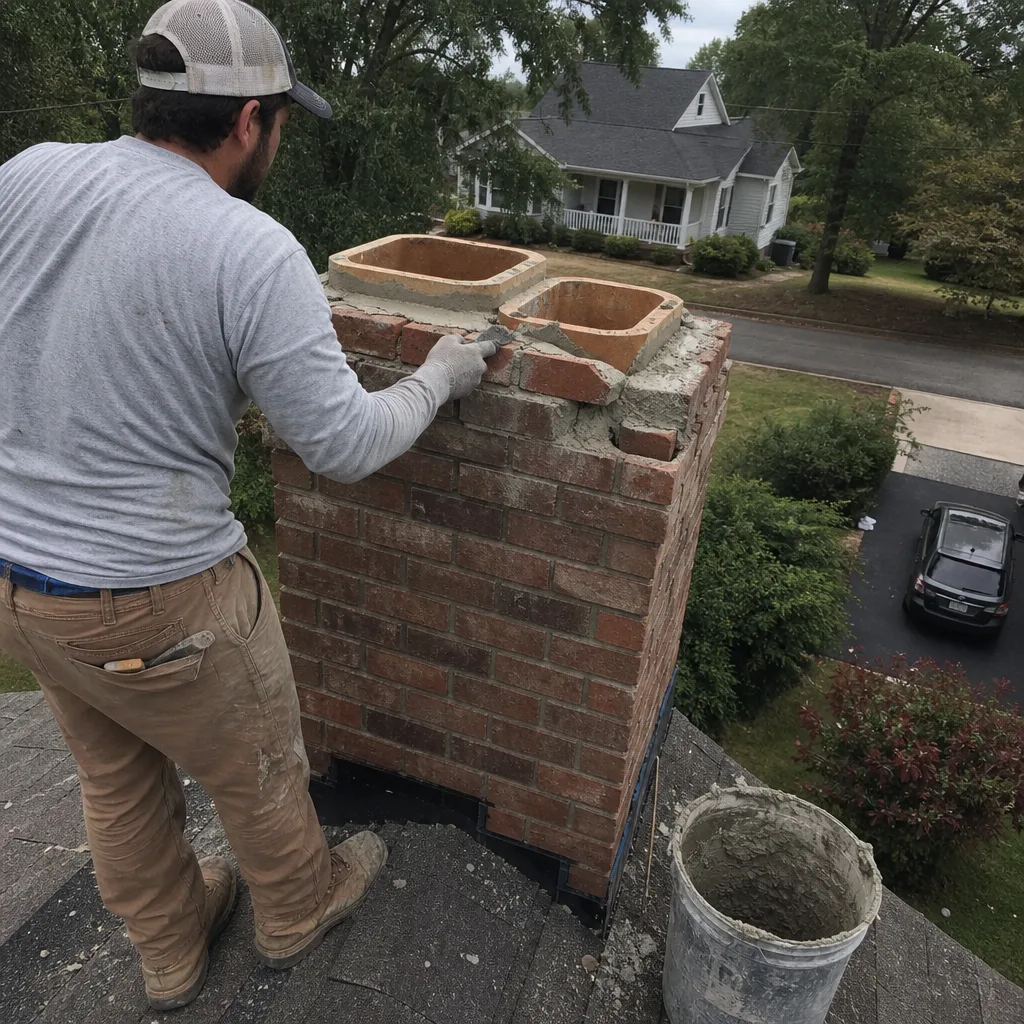
Evaluates crown integrity (the concrete slab topping the chimney), cap fit and function, spark arrestor condition, and screening. In Atlanta, crown deterioration from UV exposure and thermal cycling is common on chimneys more than 15 years old. A cracked crown allows water intrusion that destroys liners from the top down. This inspection should include physical probing of the crown surface, not just visual observation from the ground.
Multi-Flue Systems: $280-$450
Homes with multiple fireplaces, or a fireplace plus furnace or water heater venting through separate flues, require per-flue cleaning plus system-wide evaluation. In Atlanta’s older neighborhoods like Ansley Park and Midtown, where 1920s-1940s homes often have two or three flues in a single structure, this is standard. Each flue must be inspected and cleaned independently. The price should scale roughly linearly with flue count, not jump unpredictably.
Access Surcharges: $35-$75
Steep roofs (pitch above 7:12), slate or tile surfaces that require special ladder pads or walk boards, or properties with limited yard access for ladder placement in dense intown neighborhoods. This is a legitimate charge when explained upfront. It becomes problematic only when added after arrival without prior notice.
The Repair Upsell Pattern: Five Common Quotes
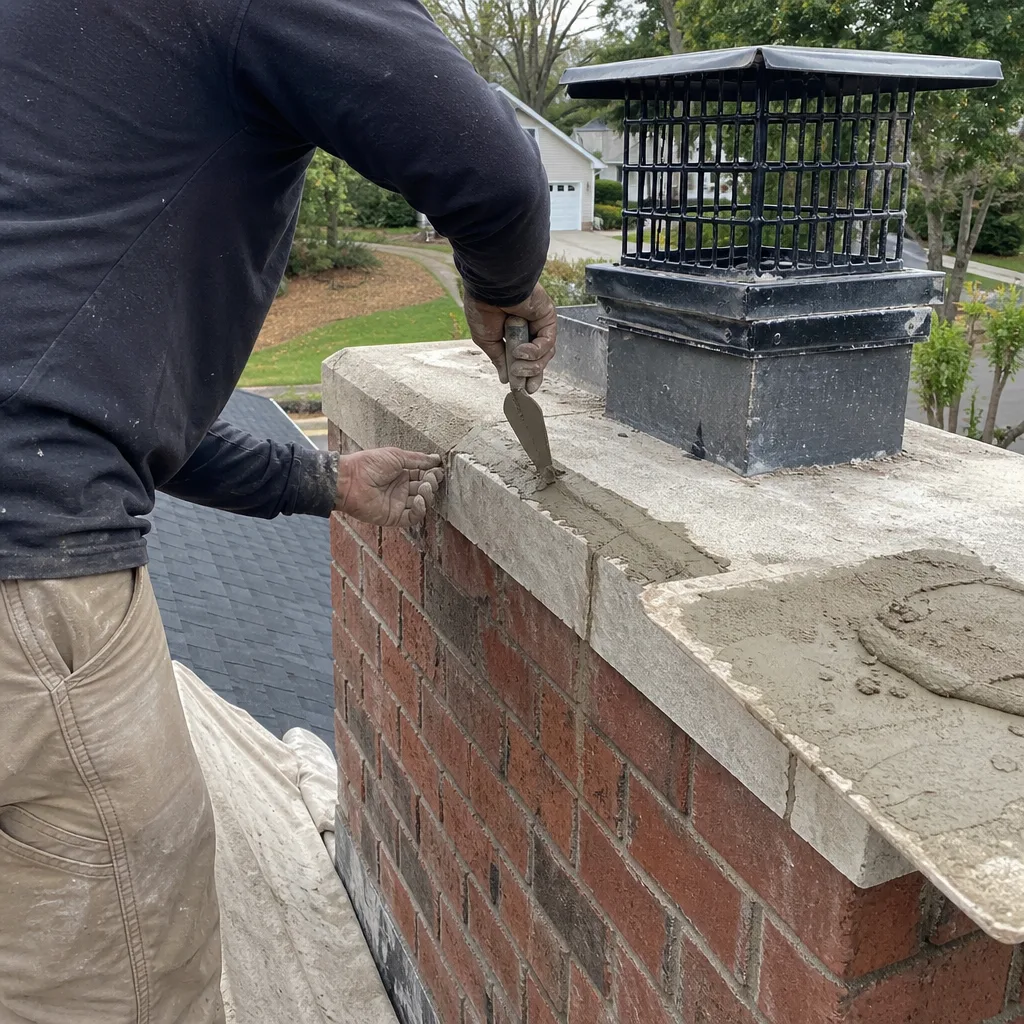
The $79 cleaning special is designed to recover its cost through repair sales. We’ve analyzed competitor quotes brought in for Free Second Opinions, and the pattern is consistent. Here are the five repairs most commonly recommended after a loss-leader cleaning, their actual Atlanta market price ranges, and which ones require camera documentation to verify versus which can be sold without it.
1. Chimney Liner Replacement: $1,800-$4,500
Claimed finding: “Your clay liner is cracked and dangerous.” Actual requirement: camera documentation showing cracks that penetrate the full liner thickness, multiple missing tiles, or gaps at joints that exceed acceptable tolerances. A single hairline crack visible on camera may not require full replacement; repair with HeatShield cerfractory foam or similar refractory sealant ($400-$900) may suffice. Without camera evidence, this quote cannot be verified. We’ve reviewed cases where “cracked liner” was cited with no documentation, and our inspection found only surface staining or minor joint gaps well within tolerance.
2. Crown Repair or Rebuild: $350-$1,200
Claimed finding: “Your crown is cracked and water is destroying your chimney.” Actual requirement: physical examination from the roof showing cracks that penetrate the full crown thickness, or deterioration that allows water pooling. Minor surface cracking can be sealed with crown coat material ($150-$300). Full rebuild is needed only when the crown has separated from the chimney body or has significant material loss. This can be evaluated visually without camera, but must be done from the roof, not the ground. We’ve found technicians who claimed crown failure from the driveway, never having placed a ladder.
3. Smoke Chamber Parging: $800-$1,800
Claimed finding: “Your smoke chamber is a fire hazard.” Actual requirement: camera or mirror inspection showing corbelled brick with exposed mortar joints, gaps, or insufficient clearance. NFPA 211 requires smoke chambers to be parge-coated smooth, but many pre-1980s Atlanta homes were built with corbelled brick that was grandfathered. Correction is strongly recommended but not always immediately required. This finding requires interior inspection; it cannot be sold legitimately from a roof or firebox visual check alone.
4. Damper Repair or Replacement: $200-$650
Claimed finding: “Your damper is broken and costing you energy.” Actual requirement: physical operation test showing the damper won’t open fully, won’t seal when closed, or has detached from its frame. Throat dampers in older Atlanta homes often rust or warp. Top-mount dampers (installed at the flue top) are a common upgrade. This is a legitimate repair when demonstrated to the homeowner, but we’ve seen dampers cited as “broken” that only needed debris removal and lubrication.
5. Waterproofing Treatment: $300-$800
Claimed finding: “Your chimney is absorbing water and will fail.” Actual requirement: evidence of water intrusion (interior flue staining, efflorescence on exterior brick, spalled brick faces, or active leaks). Waterproofing is preventative maintenance on sound masonry, not remediation for active failure. Applied to already-deteriorated brick, it can trap moisture and accelerate damage. This upsell is common because it requires no documentation of a specific problem and can be applied to any masonry chimney. We recommend it only after confirming the masonry is sound and the crown, cap, and flashing are intact.
The critical distinction: repairs requiring camera documentation (liner condition, smoke chamber, interior flue damage) should never be quoted without photo evidence you can see. Repairs evaluated from accessible areas (crown, cap, exterior masonry, damper operation) can be demonstrated directly. When a company bundles inspection into a cheap cleaning, they have no documentation for the camera-required findings, yet they quote them most aggressively because they’re the highest-dollar items.
What a Written Quote Should Contain
Clause 1 of the Haven Standard, H.A.V.E.N. “Have it in writing,” requires that every customer receives a written price, written scope, and written warranty before any work begins. Not after the technician is in your home. Not verbally with “I’ll email it later.” Before.
Here’s what to look for:
- Scope of work. Specific tasks to be performed, not generic language like “service chimney.” Example: “Level 2 camera inspection of single wood-burning flue, brush and vacuum cleaning to remove Class II creosote, firebox debris removal, damper cleaning and lubrication, documented photo record.”
- Materials specified. Brand and type if applicable. “DuraFlex 316Ti stainless liner, 6″ diameter, 25′ length” or “HeatShield cerfractory foam smoke chamber parging.” Not “premium liner” or “industrial-grade sealant.”
- Labor breakdown. Hours or labor units, rate, and total. This allows comparison even if another contractor uses different material brands.
- Warranty duration and coverage. What is covered, for how long, and what voids it. “365-Day Done Right Promise: if any aspect of the work fails due to installation or material defect, we repair or replace at no charge.” Not “satisfaction guaranteed” with no specifics.
- Specific exclusions. What is not included. “Excludes: hidden structural damage revealed during work, masonry rebuild beyond scope, permit fees if required by jurisdiction, access equipment for pitch above 9:12.”
- Total price and payment terms. Single bottom-line number, deposit requirement if any, and balance due timing.
- Company license and insurance verification. License number on the quote, proof of general liability and workers compensation coverage.
In Atlanta, we’ve reviewed quotes lacking every one of these elements. The most dangerous is the absence of exclusions, which allows the contractor to claim “that wasn’t included” when unexpected conditions appear, or to invent them. A written quote with clear exclusions protects both parties: you know the boundary of the agreed work, and the contractor has defined the limit of their responsibility.
Our materials come through Haven’s buying network, sourced from DuraFlex, HeatShield, Gelco, Olympia Chimney, Famco, and Copperfield specifically to keep customer prices honest. We name the brand on the quote because it affects performance and longevity, and because you can verify the specification independently.
Using Your Camera Report as a Price Anchor
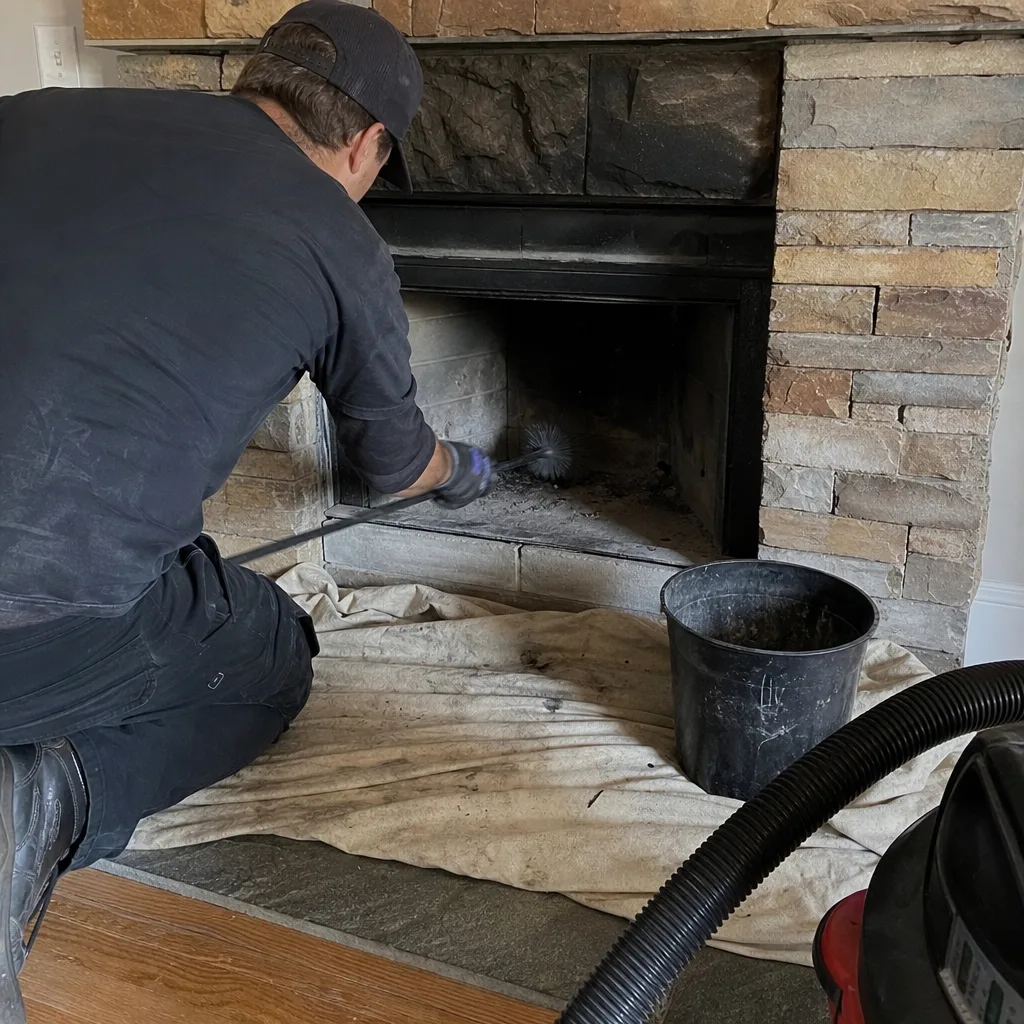
The Level 2 camera inspection report is the most powerful tool for controlling cost and quality. It creates a documented baseline that any subsequent contractor must address specifically, not generally. Here’s how to use it.
- Request the full photo or video record, not a summary. The summary can omit context. The full record shows the flue condition at multiple points, the smoke chamber, the damper area, and the firebox. At Level Two Chimney Atlanta, Clause 4 of the Haven Standard requires we provide this documentation; we encourage homeowners to keep it with their home records.
- Ask for specific measurements. Crack width in millimeters, joint gap in inches, creosote thickness. Vague descriptions (“significant cracking,” “heavy buildup”) allow variable interpretation. Quantified findings don’t.
- Get a second opinion on any repair recommendation exceeding $500. Our Free Second Opinion service exists for this purpose. Bring us a competitor’s written quote with their documentation, or let us perform our own Level 2 inspection to compare. In 16 years, we’ve found that roughly 40% of high-dollar repair quotes brought in for second opinion are either overstated or address conditions that can be managed with monitoring rather than immediate replacement.
- Use the report to scope future work. If a liner shows minor joint gaps but is otherwise sound, you can plan HeatShield application in year two or three rather than immediate full replacement. The camera report lets you prioritize and budget.
- Verify that any subsequent cleaning addressed the documented condition. If Class III creosote was noted, the next cleaning should include chemical treatment or rotary removal, not standard brushing. The report holds the provider accountable to the actual condition.
In Atlanta’s competitive market, the camera report also protects against the “annual rediscovery” tactic, where each year’s technician finds the same “critical” issue their predecessor supposedly addressed. With dated photos, you can compare year over year and question why a repaired liner still shows cracks, or why a “replaced” damper is the same rusted unit.
Atlanta-Specific Cost Factors
Several local conditions affect what you’ll pay and what you should prioritize.
Climate and weather patterns. Atlanta’s humid subtropical climate with hot summers and occasional hard freezes creates thermal stress on masonry. Chimneys on north-facing walls stay cooler, promoting condensation that accelerates liner deterioration and creosote buildup. Properties in shaded, mature neighborhoods like Druid Hills or Virginia-Highland often show more moisture-related damage than those in open, sun-exposed areas. This doesn’t change the base cleaning price, but it increases the likelihood that inspection will reveal conditions requiring attention.
Neighborhood housing stock age. Intown neighborhoods built 1900-1940 typically have unlined brick chimneys or early clay tile liners that may not meet current clearance standards. Post-war ranch areas like Decatur and Avondale Estates often have 1960s-1970s clay tile in better condition but with original crowns now failing. 1980s-1990s construction in Sandy Springs and Dunwoody may have factory-built metal chimneys with different inspection requirements. The inspection approach should match the construction era; a one-size-fits-all cleaning price doesn’t account for these differences.
Local code and permit requirements. Atlanta and surrounding municipalities generally follow the International Residential Code with Georgia amendments. Liner replacement, structural rebuilds, and new chimney construction typically require permits. A contractor who doesn’t mention permit requirements may be planning to skip them, or may add the cost unexpectedly. Our quotes specify when permits are required and include the estimated fee, or note if the homeowner prefers to pull the permit directly.
Access and parking constraints. Dense intown neighborhoods with narrow driveways, limited street parking, or steep topography (common in Morningside, Candler Park, and areas near the Chattahoochee River) can increase labor time and equipment needs. Legitimate contractors account for this in their initial quote. Those who don’t may add charges after arrival or rush the work to stay on schedule.
Wood availability and burning practices. Atlanta’s urban heat island and tree canopy mean many homeowners have access to unseasoned or partially seasoned wood from yard maintenance. Burning wood above 20% moisture content produces more creosote, more quickly. We see Class III creosote in systems cleaned just 12-18 months prior when the wood source changed. This affects cleaning cost and frequency, not as upsell, but as actual condition requiring additional labor.
Common Mistakes to Avoid
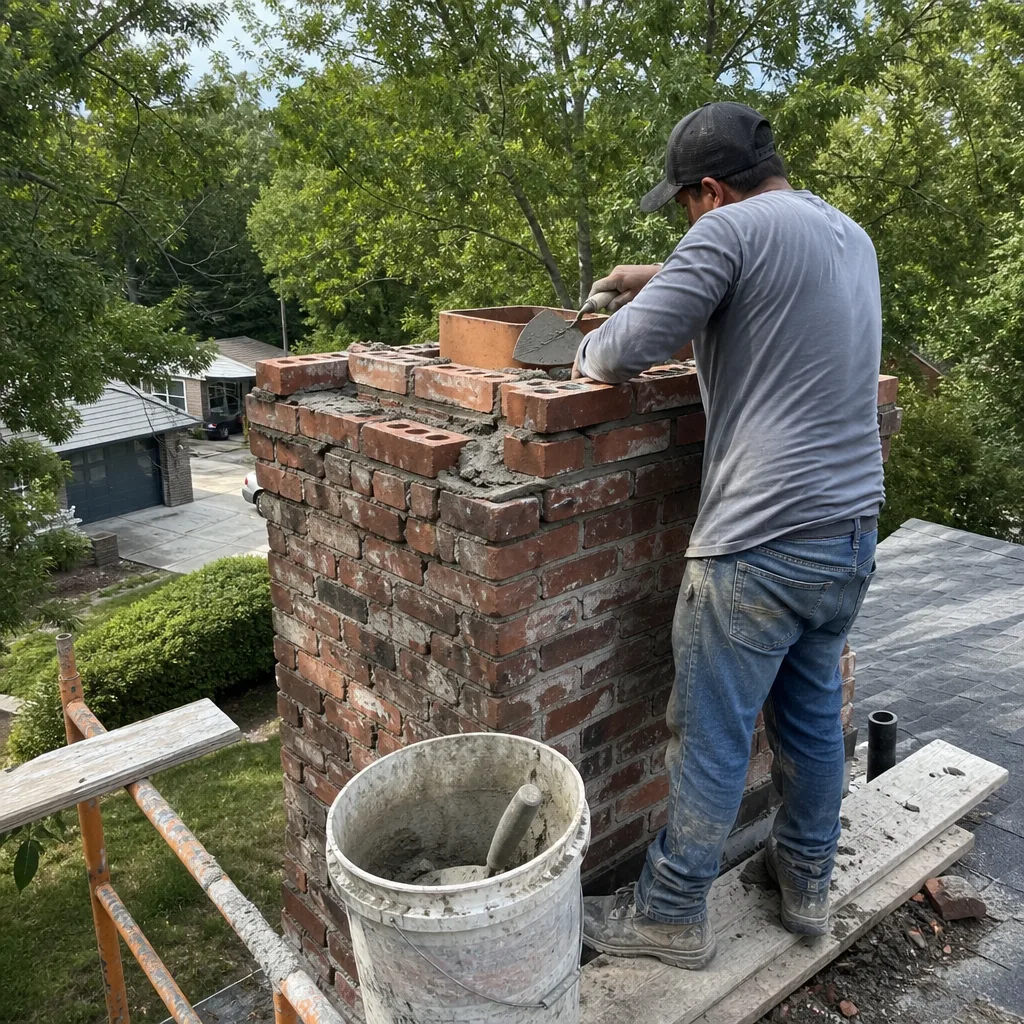
- Booking on price alone without verifying what’s included. The $79 special excludes the inspection that determines whether cleaning is sufficient. Ask specifically: “Does this include a camera inspection of the full flue, and will I receive a documented photo record?”
- Accepting verbal quotes or “I’ll write it up after.” A price given after the technician has begun work, or after they’ve created urgency with a “dangerous” finding, is not a quote. It’s a pressure tactic. Clause 1 of the Haven Standard exists because we’ve seen too many Atlanta homeowners agree to $1,500+ work under time pressure.
- Not requesting the license number and verifying it. Georgia requires chimney contractors to hold appropriate state licensure. The license number should be on every quote, every invoice, and every marketing piece. We display ours on every page and provide it on request.
- Ignoring the exclusion clause in a written quote. Exclusions define what you’re not paying for and what might generate additional charges. “Excludes hidden structural damage” is standard and fair. No exclusions at all, or vague language like “subject to field conditions,” is a red flag.
- Skipping the Level 2 inspection on a home purchase. Atlanta’s hot real estate market means buyers often waive inspections to compete. A Level 2 chimney inspection is not part of a general home inspection and must be requested separately. We’ve found $3,000-$8,000 in needed chimney work on homes that passed general inspection, because the generalist doesn’t run a camera up the flue.
- Assuming all creosote is equal. Class I creosote brushes out easily. Class III requires chemical or mechanical removal and costs more. A quote that doesn’t classify the creosote found is a quote that can’t be verified.
- Neglecting the crown and cap while focusing only on the flue. Water is the primary destroyer of chimneys in Atlanta’s climate. A sound liner with a failed crown will need relining again in five years. The cap and crown inspection is not optional maintenance; it’s protective of the entire investment.
When to Call a Professional
Call for a Level 2 inspection before the burning season begins if your chimney hasn’t been inspected in 12 months, if you’ve noticed draft problems, smoke spillage, or unusual odors, or if you’re buying or selling a home in the Atlanta area. Call immediately if you’ve had a chimney fire, lightning strike, or earthquake event, or if you see visible cracks in the exterior masonry, white efflorescence staining, or water leaks around the chimney.
Carbon monoxide risk is real and specific: a blocked or damaged flue can vent combustion gases into living spaces. This is not theoretical. In our experience across Atlanta, we’ve found bird nests, collapsed liner sections, and construction debris blocking flues in systems that appeared to function normally. The homeowner’s first indication was sometimes a CO detector activation. Don’t wait for that signal.
Chimney repair in Atlanta should never be quoted without documentation you can see. If a contractor tells you work is needed, ask to see the camera footage and receive a written quote with the elements described above. Fireplace services in Atlanta range from routine maintenance to full reconstruction; know which you’re buying before agreeing to either.
Level Two Chimney Atlanta offers free estimates throughout the metro area. Call (470) 435-7984 to schedule a Level 2 camera inspection with documented photo record, written quote before any work, and the 365-Day Done Right Promise on every job. Live phone support is available 24 hours a day, 7 days a week.
Frequently Asked Questions
A legitimate chimney sweep in Atlanta costs $180-$340 for a single-flue system including Level 2 camera inspection, or $120-$190 for cleaning with Level 1 visual inspection only. Multi-flue systems, Class III creosote, or steep roof access push the upper range to $450. Call (470) 435-7984 for a free written estimate with itemized scope.
You need a new liner only if camera inspection documents cracks penetrating full liner thickness, multiple missing or displaced tiles, or gaps exceeding code tolerance that cannot be repaired with refractory sealant. We’ve reviewed competitor quotes recommending $3,000+ liner replacement where our inspection found minor joint gaps suitable for HeatShield repair at under $900. No liner should be replaced without photo evidence you can see and a second opinion you can obtain.
The NFPA 211 standard recommends annual inspection for all chimney systems, with cleaning frequency determined by use and fuel type. In Atlanta, wood-burning fireplaces used regularly during winter should be cleaned annually. Gas systems typically require inspection every 1-2 years with less frequent cleaning. Heavy use of unseasoned wood, common when homeowners burn yard debris or purchased “seasoned” wood that isn’t, can require cleaning every 6-12 months regardless of calendar.
Skipped maintenance allows creosote accumulation that increases chimney fire risk, liner deterioration that can vent carbon monoxide into living spaces, and water intrusion that destroys masonry from the top down. In Atlanta’s climate, we’ve found chimneys that appeared functional but had cracked liners venting into wall cavities, and crowns so deteriorated that water was destroying fireboxes from above. The cost of delayed maintenance typically exceeds preventive care by a factor of three to five.
Price variation reflects real differences in what’s included, documented, and guaranteed. The lowest prices exclude camera inspection, provide no written documentation, and recover cost through repair upsells. Mid-range prices typically include proper inspection and cleaning with basic warranty. Higher prices often reflect complex access, multi-flue systems, or comprehensive documentation and guarantee terms. The critical comparison is not the top-line number but the itemized scope and what documentation you receive.
Our Level 2 inspection includes camera scan of the full flue interior, smoke chamber evaluation, firebox and damper examination, exterior structural assessment, cap and crown inspection, and a documented photo record provided to the homeowner. A written quote for any recommended work is delivered before cleaning or repair begins, backed by our 365-Day Done Right Promise. This has been our standard practice since 2009 under Clause 4 of the Haven Standard.
The Bottom Line
Atlanta chimney cleaning prices range from $79 loss-leader specials designed to sell repairs, to $450 for complex systems with full documentation. The price that protects you is the one that itemizes inspection, cleaning, and any repair separately; delivers a written quote before work starts; and provides photo evidence you can verify. The $79 special isn’t cheaper. It’s a different product entirely, one that leaves you without documentation and vulnerable to upsell pressure.
Know what each line item costs. Demand the camera inspection first. Get the written quote with scope, materials, labor, warranty, and exclusions. Use the photo record as your price anchor for any subsequent work. And remember that in a market as varied as Atlanta’s, from century-old intown masonry to suburban factory-built systems, the inspection approach must match the construction, not force every chimney through the same 45-minute route.
Level Two Chimney Atlanta home | Chimney Cleaning & Sweep in Atlanta | Chimney Repair in Atlanta | Fireplace Services in Atlanta
Written by Corrine Halstead, Owner at Level Two Chimney Atlanta, serving Atlanta since 2009.