
Last updated September 22, 2026
Level 1 sweep and inspection to the NFPA 211 annual standard - flue, crown, cap, and flashing checked and photographed
Chimney sweep logs do not sweep chimneys. They loosen some creosote - which then falls where a brush and vacuum still have to collect it.
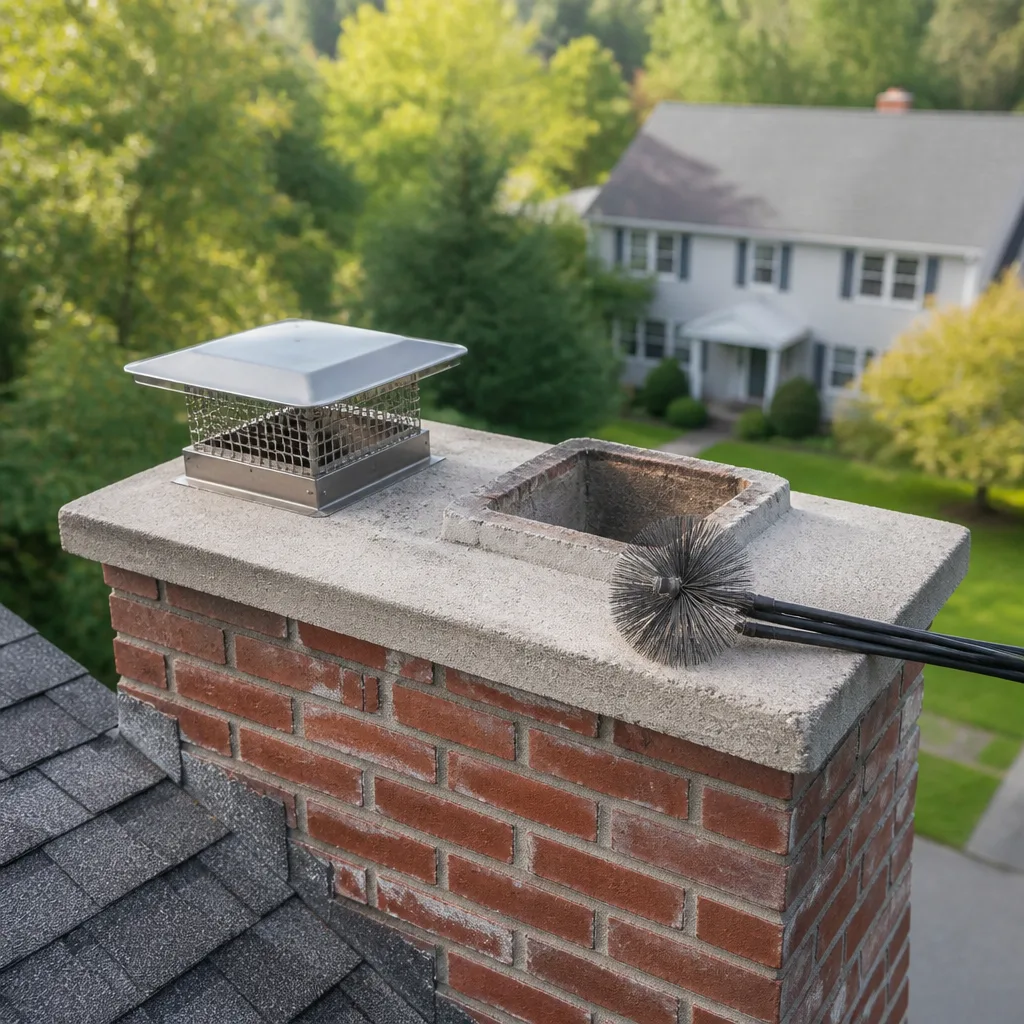
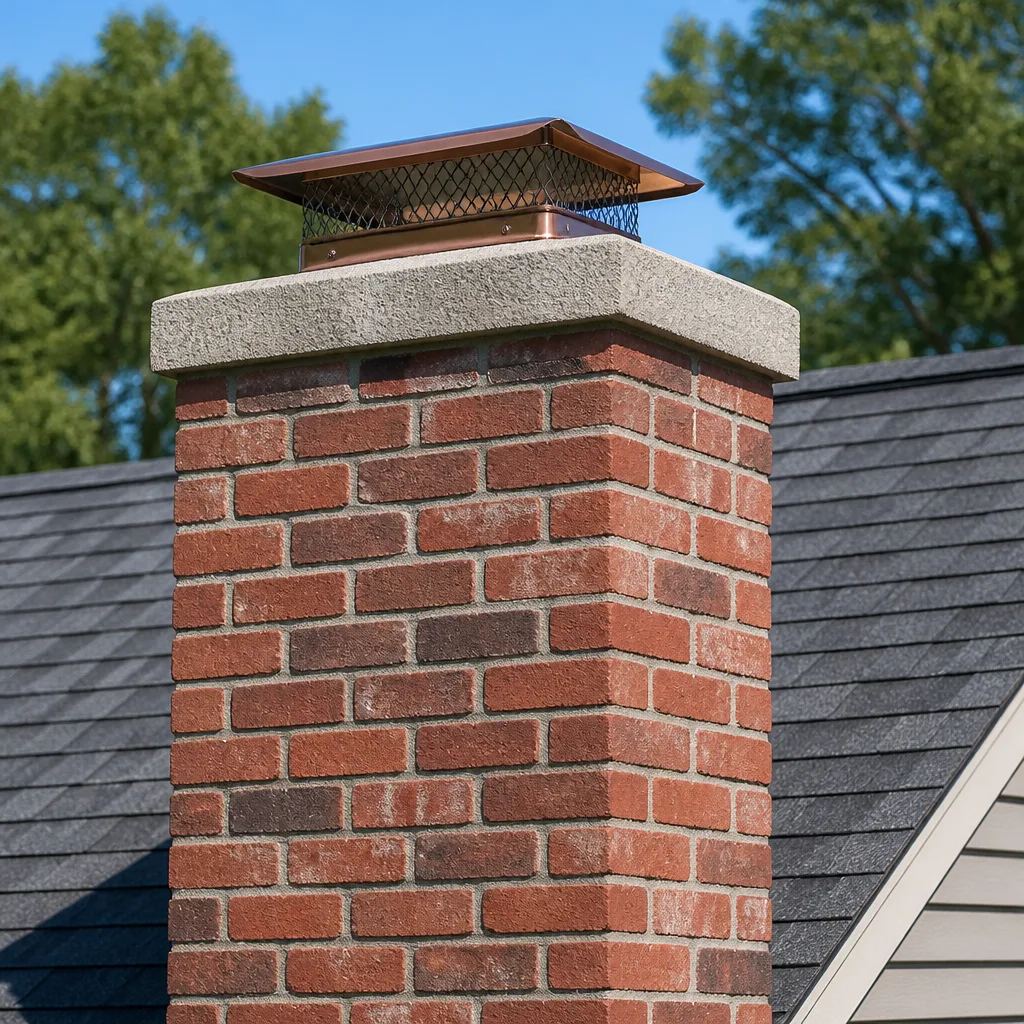
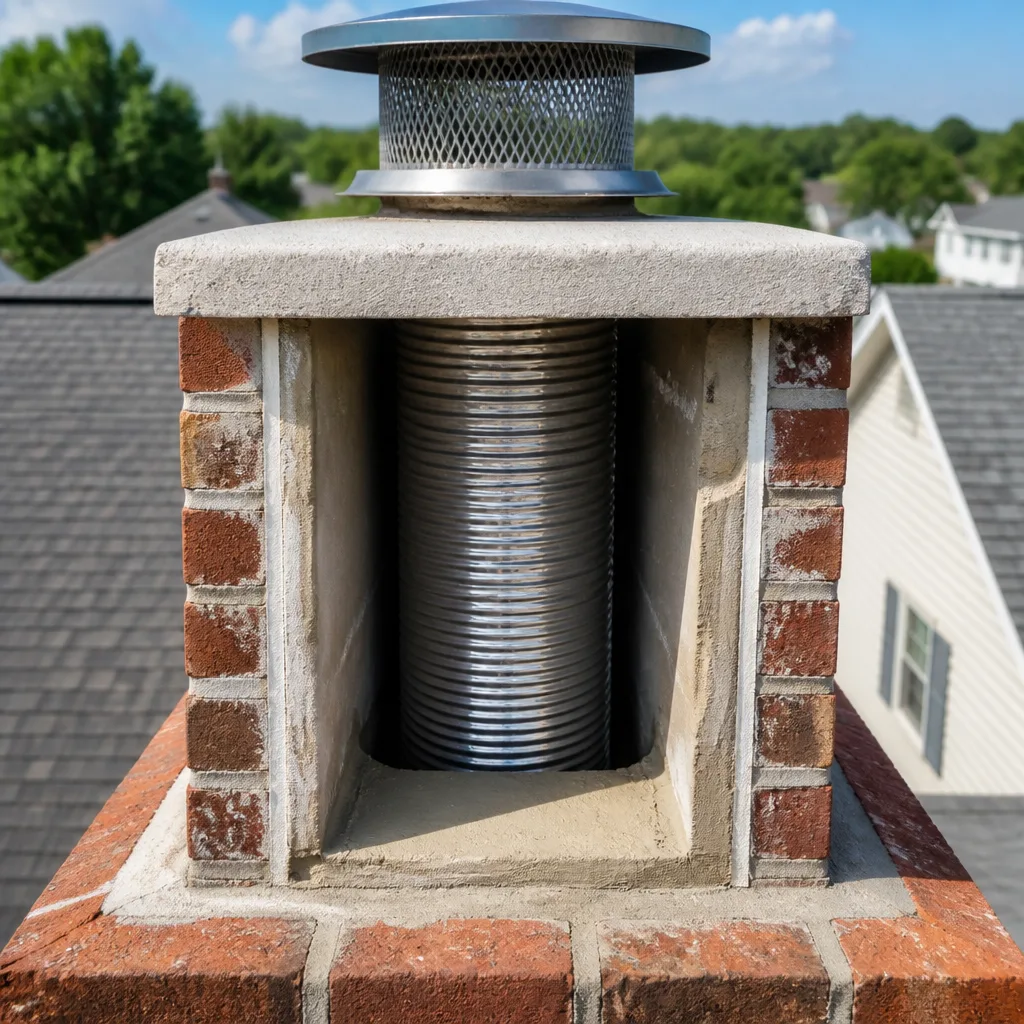
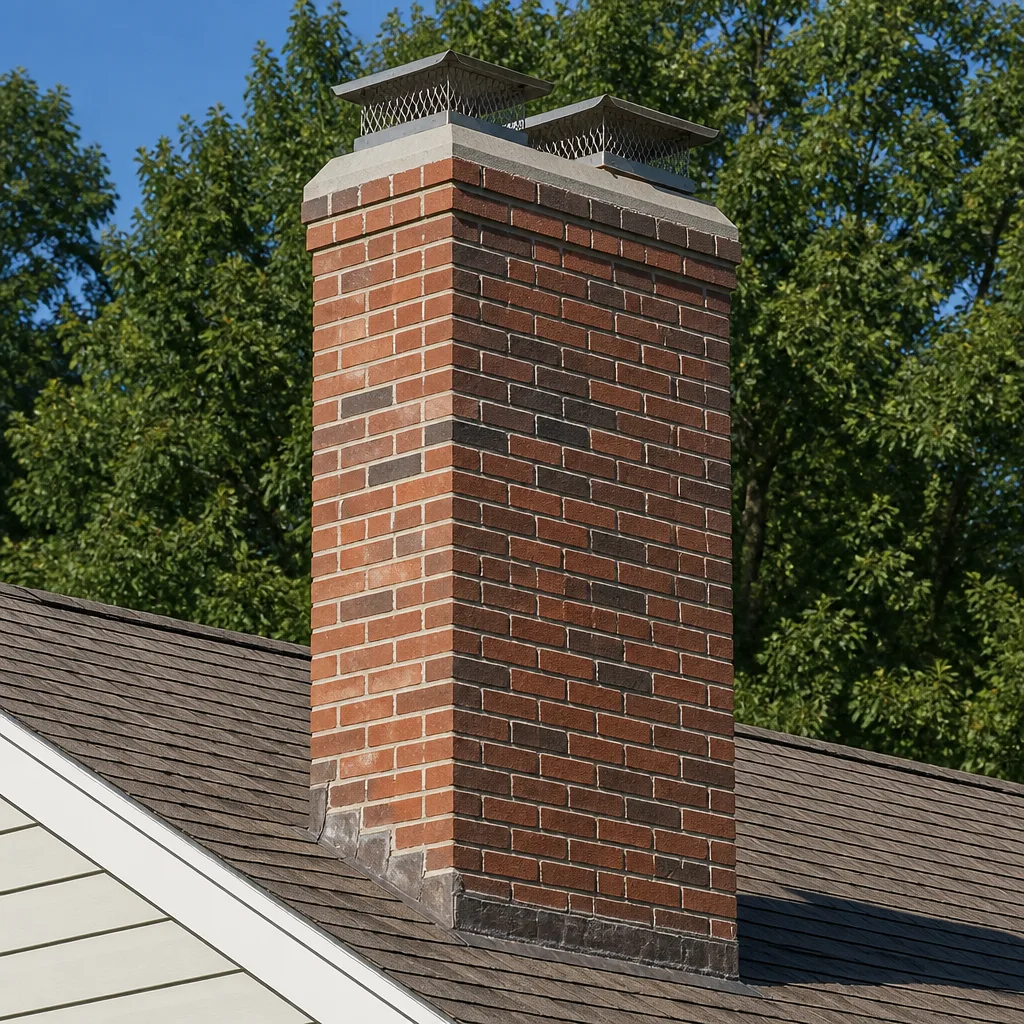
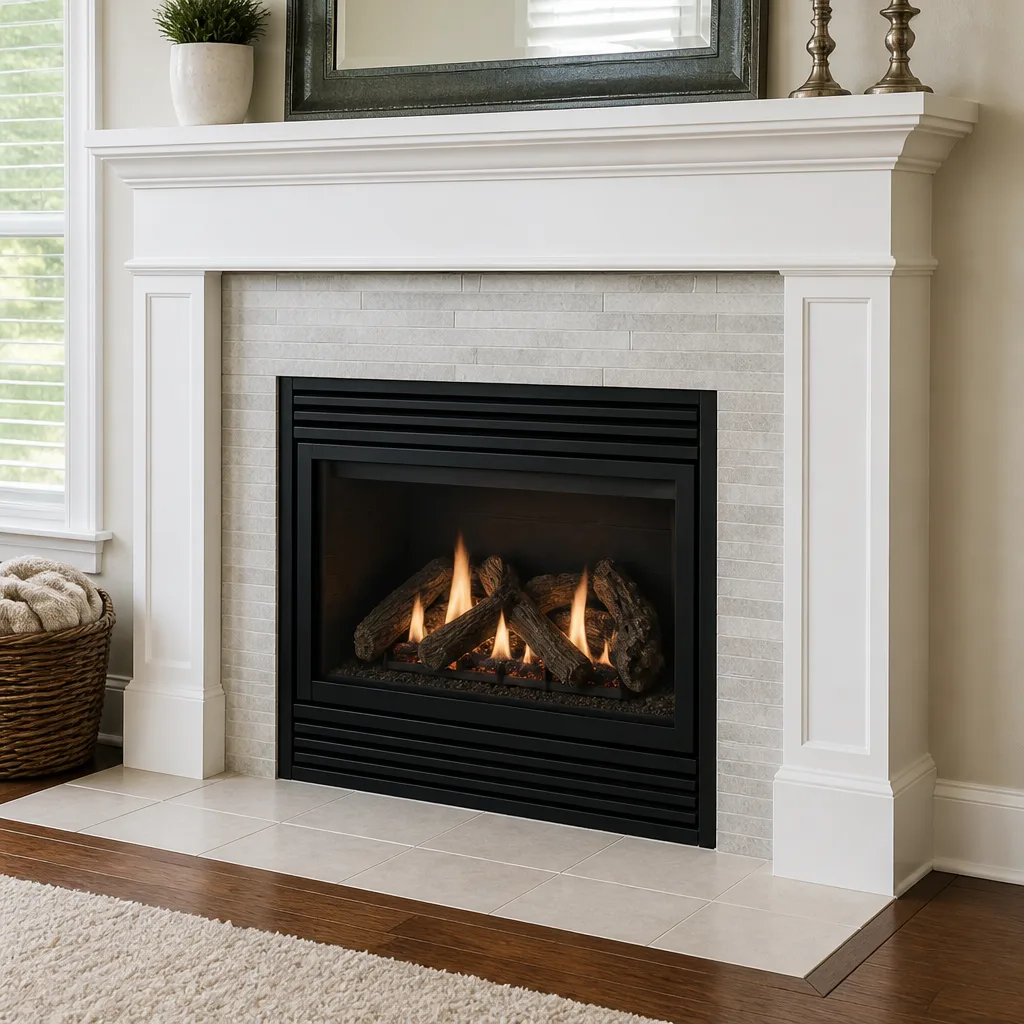
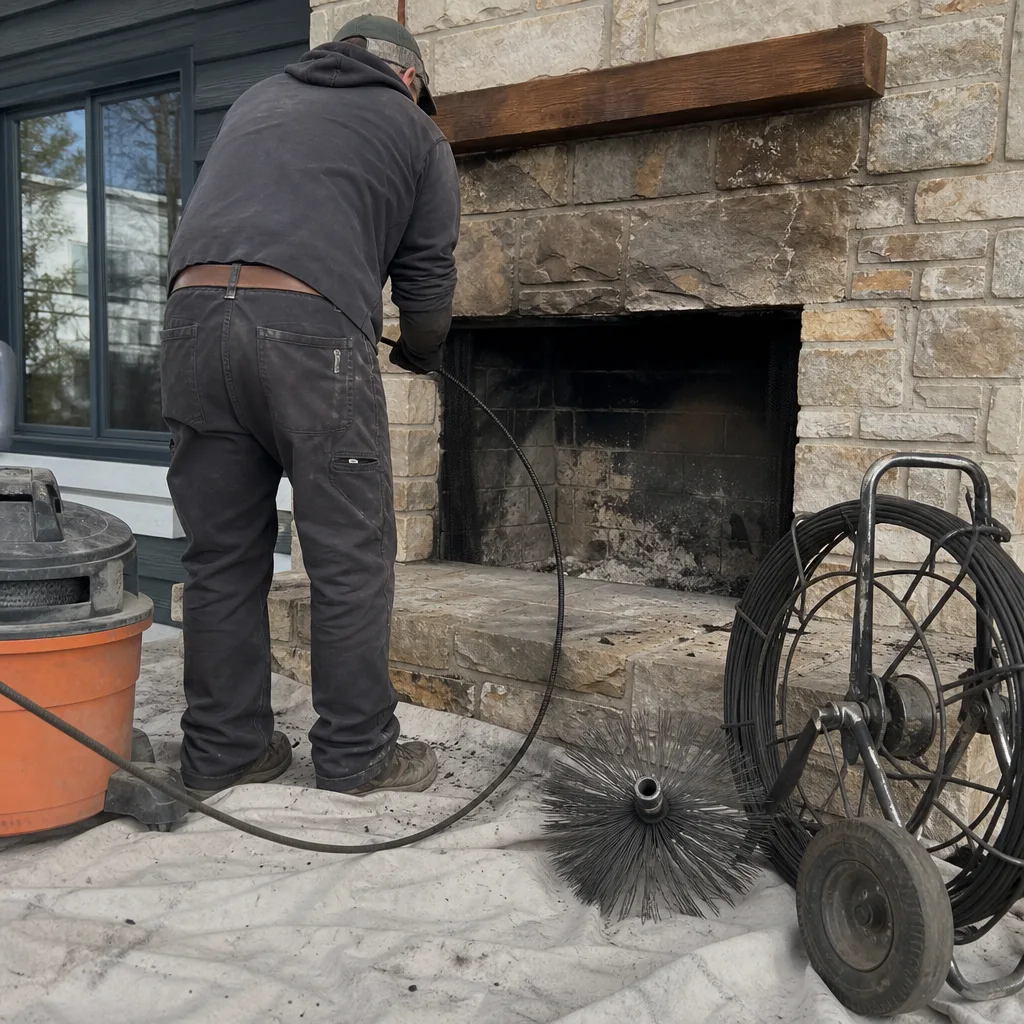 Before
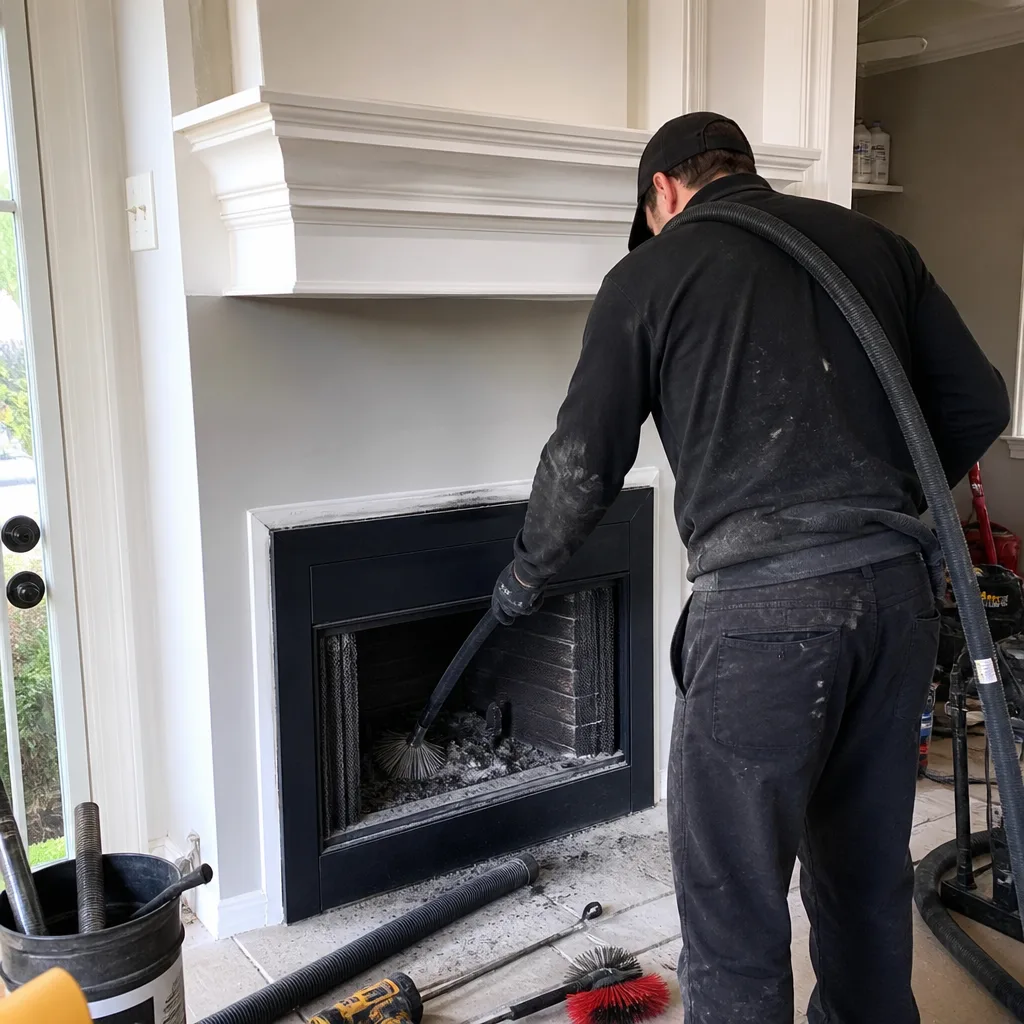 After
After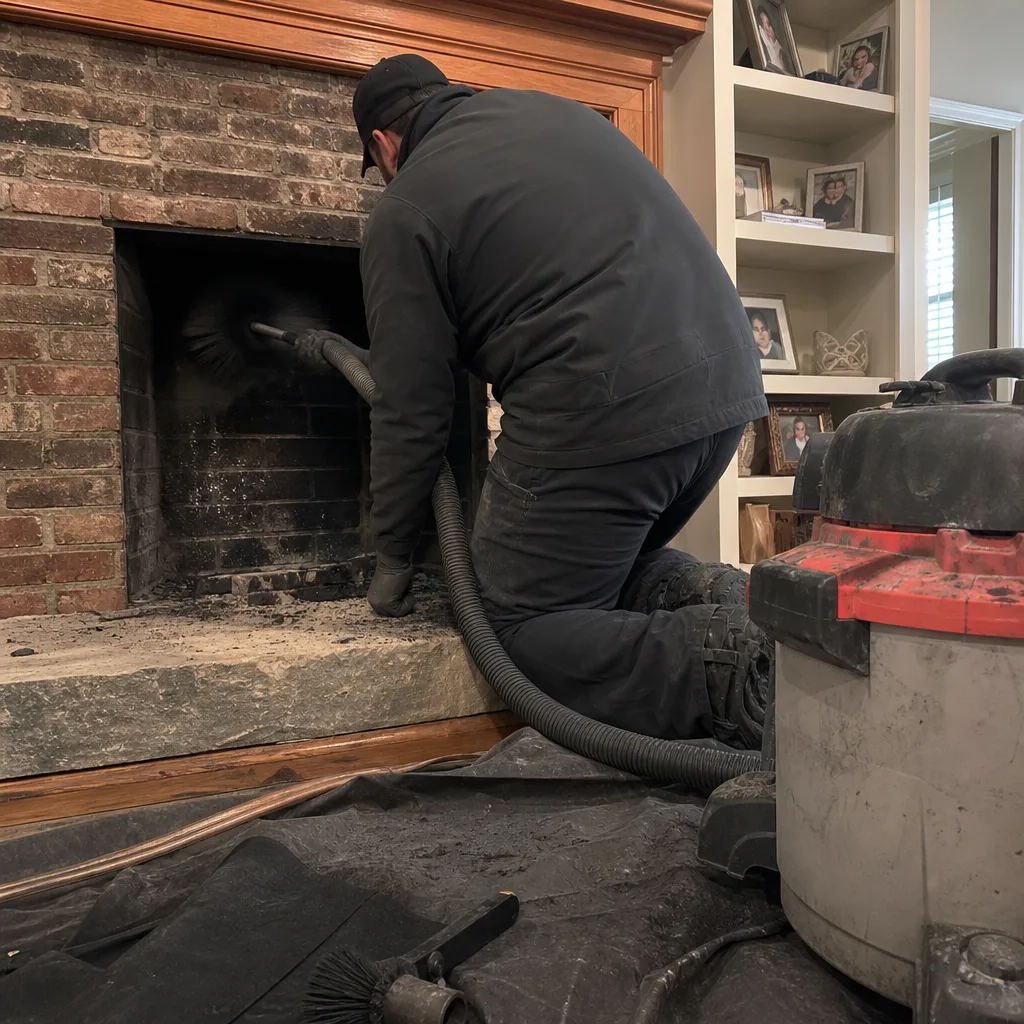 Before
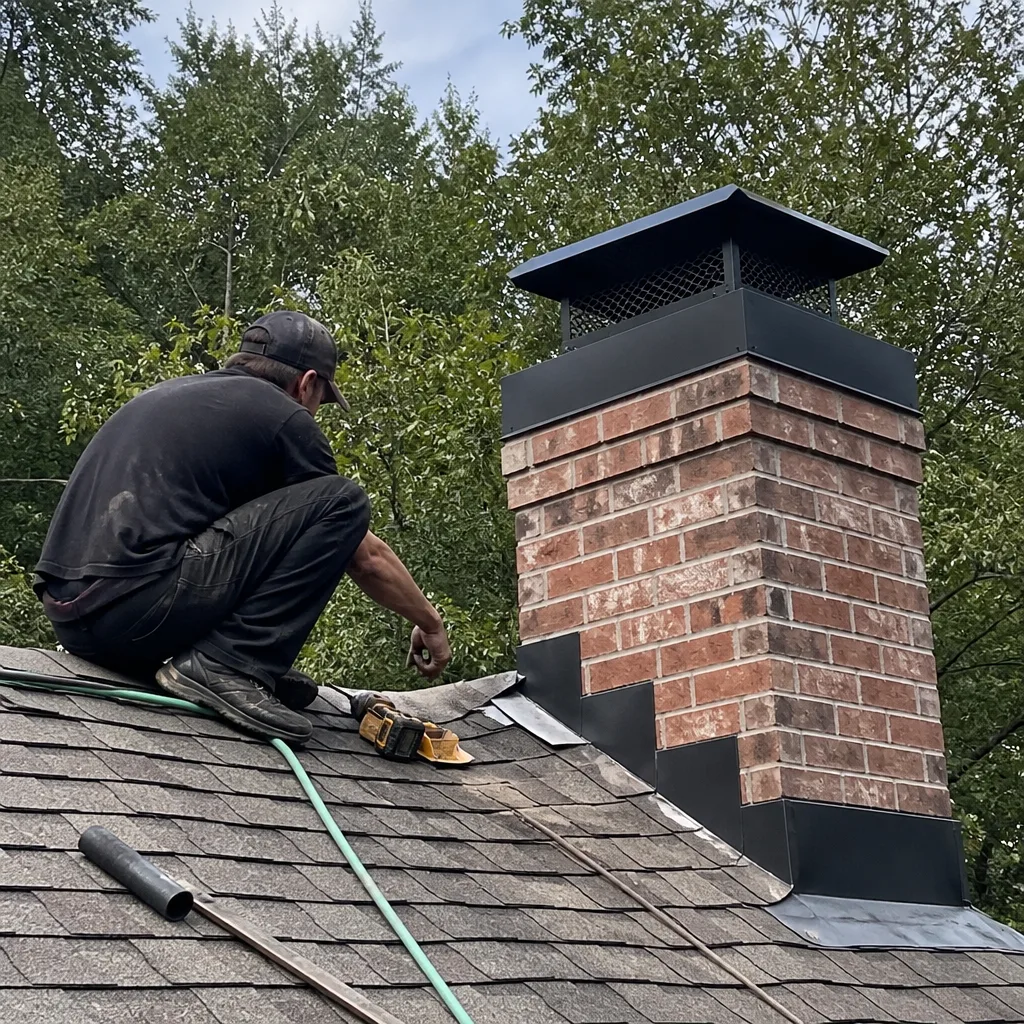 After
After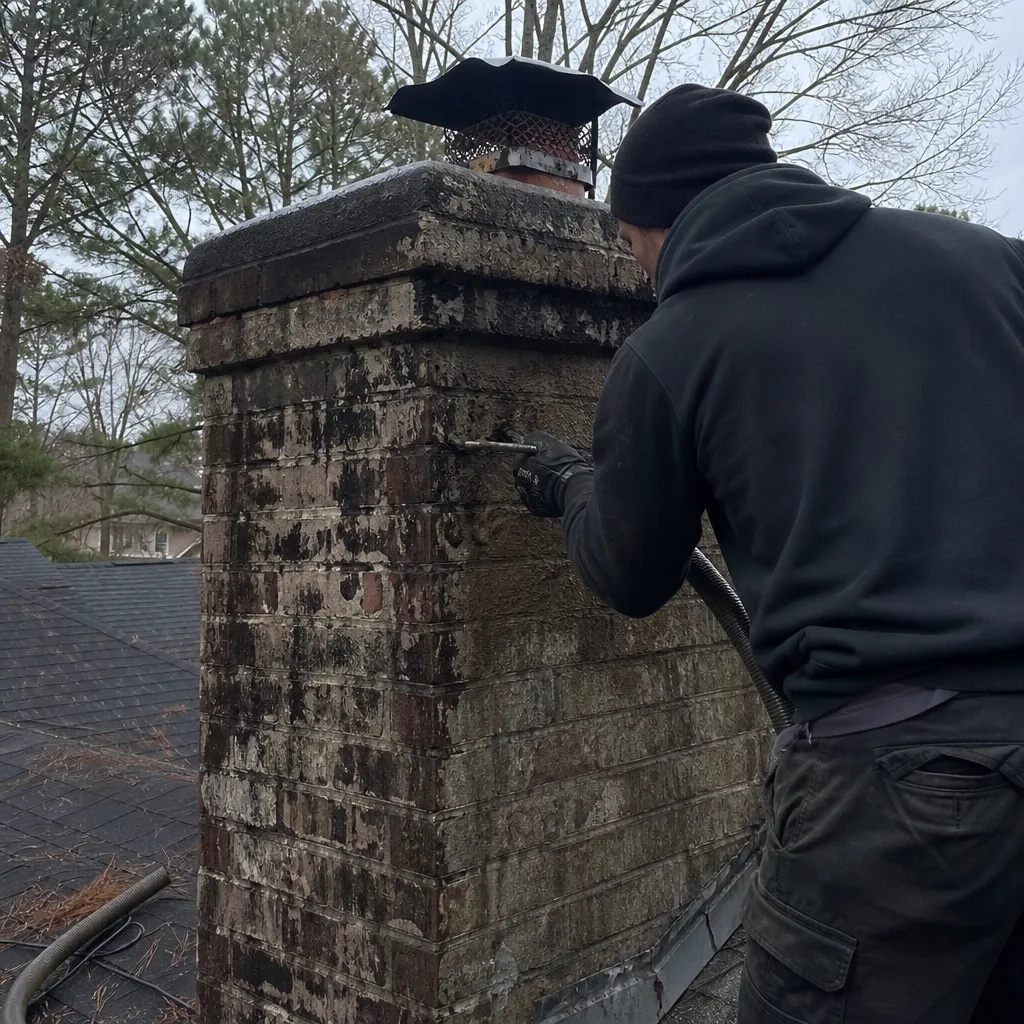 Before
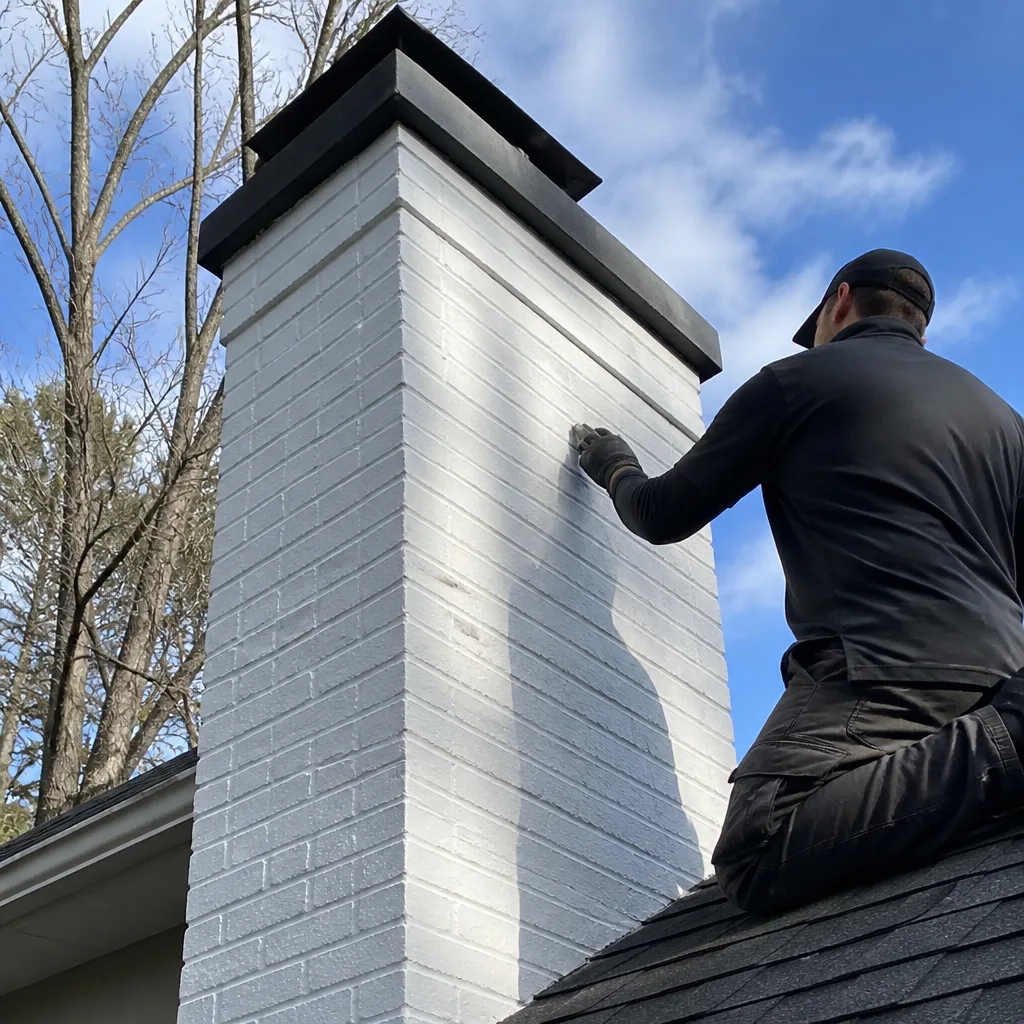 After
AfterChimney Cleaning & Sweep Maintenance Checklist for Atlanta Homeowners
The standard advice to clean your chimney every year was written before camera inspection existed. In Atlanta, where our humid subtropical climate accelerates masonry deterioration and our freeze-thaw cycles are milder but more frequent than northern cities realize, the real trigger for service is a specific set of visible and measurable conditions - not a calendar date. Most chimney maintenance checklists are month-by-month calendars that ignore what actually determines when service is needed, unlike our Complete Guide to Chimney Cleaning in Atlanta which covers local conditions. This guide organizes maintenance by observable evidence so you act on facts rather than arbitrary schedules.
Quick Answer
Atlanta homeowners should inspect their chimney system monthly for smoke behavior changes, odor shifts, deposit color, and draft feel. When evidence shows Class II or III creosote buildup, cracked crown masonry, or damper malfunction, schedule our Chimney Cleaning & Sweep services with a Level 2 camera inspection before the next burn season. A written price, scope, and photo record should precede any work.
Table of Contents
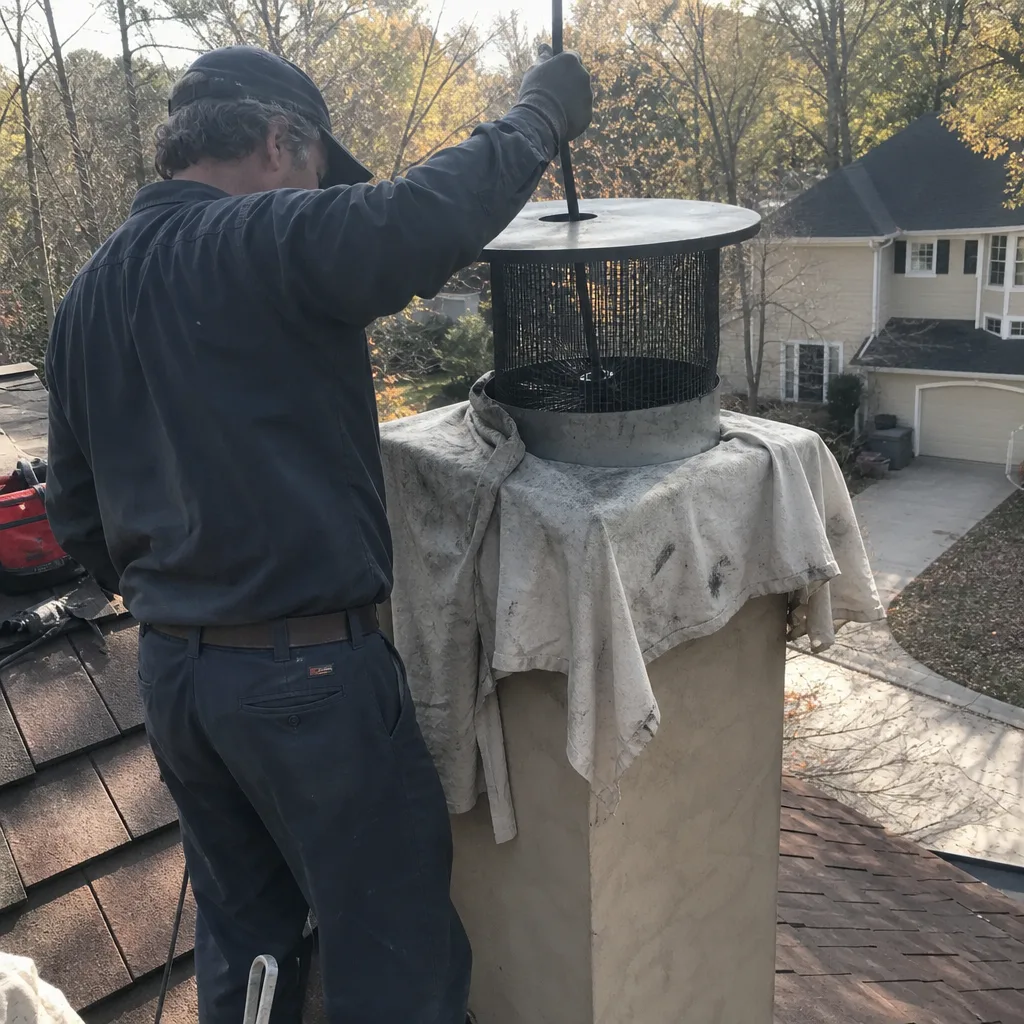
- The Evidence-Based Maintenance Checklist
- What You Can Check From Ground Level
- Creosote Stages: What You’re Actually Seeing
- What to Document Before Your Sweep Arrives
- What Your Level 2 Inspection Report Should Contain
- Atlanta Climate and Code Factors
- Why Condition Beats Calendar Scheduling
- Common Mistakes to Avoid
- When to Call a Professional
- Frequently Asked Questions
BeforeAfterThe Evidence-Based Maintenance Checklist
We stopped organizing maintenance by month after our 10,000th inspection. What matters is what you observe, not what the calendar says. Here’s what to monitor, what it indicates, and what action it triggers.
Smoke Behavior
Smoke tells the truth about draft and flue condition. Watch for these patterns during operation:
- Smoke rolling into the room on startup: Cold flue, blocked damper, or negative pressure from HVAC systems common in Atlanta’s tight new construction. Action: Check damper position first. If open and smoke still enters, schedule inspection.
- Smoke staining above the fireplace opening: Indicates consistent downdraft or flue sizing mismatch. Action: Camera inspection to measure flue dimensions against appliance specifications.
- Smoke smell hours after fire is out: Creosote absorption in masonry or liner gaps allowing leakage into wall cavities. Action: Level 2 inspection with smoke test.
Odor Type
Different smells indicate different problems with different urgency levels:
- Asphalt or tar smell during burning: Class III glazed creosote overheating. This is a chimney fire risk. Action: Stop using immediately; schedule emergency inspection.
- Musty odor in summer: Moisture intrusion through crown cracks or missing cap. Common in Atlanta’s July-August humidity peaks. Action: Ground-level crown inspection; cap check.
- Dead animal or nesting smell: Squirrel, raccoon, or bird intrusion. Atlanta’s tree canopy density in neighborhoods like Druid Hills and Virginia-Highland makes this frequent. Action: Professional removal and cap installation with proper mesh.
Deposit Color and Texture
What you find when you open the damper and look up with a flashlight:
- Light gray or tan powder: Normal soot. Action: Note for next scheduled cleaning.
- Black, crunchy flakes: Class II creosote. Action: Schedule sweep within 30 days.
- Shiny, hardened black glaze: Class III creosote. Action: Stop burning; immediate professional removal required - this cannot be brushed out with standard equipment.
- White or green crystalline deposits: Efflorescence or chloride salts. Indicates moisture penetration through masonry. Action: Crown and exterior masonry inspection.
Draft Feel
Place your hand in the firebox before lighting:
- Strong cold air falling: Normal in winter; indicates functional draft. Light a newspaper twist to warm the flue before full fire.
- No air movement: Blockage, closed damper, or house depressurization from exhaust fans. Action: Verify damper; check for blockages.
- Warm, stagnant air: Possible obstruction lower in flue. Action: Visual inspection; schedule camera scan if no obvious cause.
What You Can Check From Ground Level
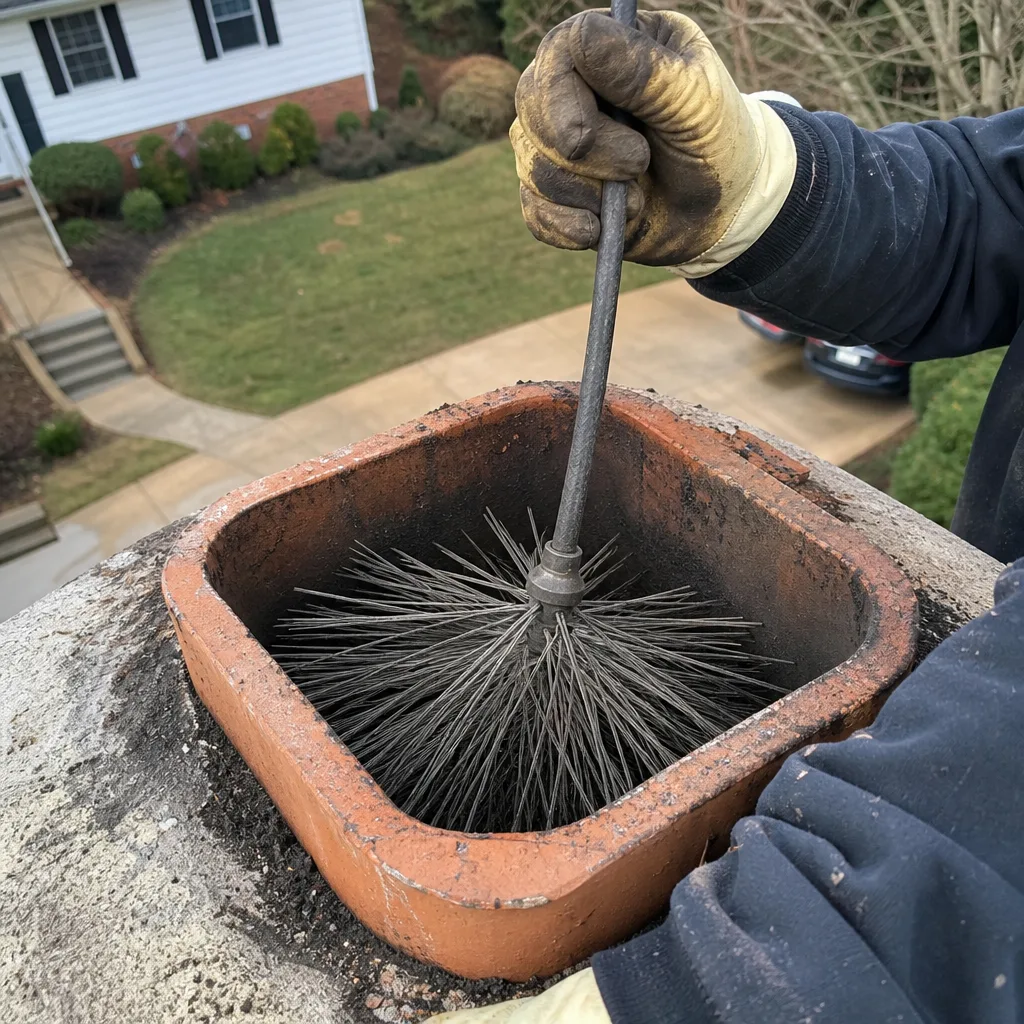
Before you schedule any service, perform this 15-minute inspection. It gives you baseline observations and helps you communicate accurately with your sweep.
The Damper
- Open the damper fully. It should move smoothly without grinding or catching.
- Look up the flue with a flashlight. The damper plate should seat flat when closed; gaps indicate warping or creosote buildup on the seating edge.
- Note the damper type: throat dampers (above the firebox) are standard in Atlanta homes built before 2010; top-sealing dampers (on the crown) are common in newer construction and retrofits. Top-sealers reduce heat loss but require crown access to service.
In our experience across Atlanta’s 30306, 30307, and 30308 zip codes, throat dampers in homes built 1960-1990 often show rust-through from decades of condensation exposure. A damper that won’t fully close costs you significant heating efficiency; one that won’t fully open risks smoke spillage.
The Firebox
- Inspect brick or refractory panel condition. Hairline cracks are normal; gaps wider than a nickel or panels that shift when touched need replacement.
- Check the firebrick back wall for thinning or spalling (surface flaking). Atlanta’s clay-rich soil produces masonry that holds moisture; repeated heating accelerates surface degradation.
- Look for black staining on the firebox sides above the lintel. This indicates smoke leakage from an undersized or damaged flue liner.
The Crown (From Ground or Safe Vantage)
Use binoculars from the driveway or a second-story window. Never climb onto the roof.
- Look for cracks wider than 1/8 inch, especially running from the flue tile outward to the crown edge.
- Check for missing chunks or spalling concrete.
- Verify the cap is present, properly seated, and has mesh sides intact. Missing mesh invites nesting; we’ve removed squirrel litters from flues in Grant Park and Ormewood Park every spring.
Document anything you find with dated photos. These become your baseline for comparison with post-service documentation.
Creosote Stages: What You’re Actually Seeing
Homeowners often describe “soot” generically. The specific stage determines cleaning method, urgency, and cost. Here’s how to identify what you have.
Stage I: Soot
Appearance: Light, dusty, easily wiped away with a finger. Color ranges from gray to deep black depending on wood type.
What it means: Normal combustion byproduct. Softwoods like pine (common in Atlanta’s urban wood markets) produce more voluminous, lighter soot. Hardwoods produce denser, darker deposits.
Action: Standard rotary brushing during routine sweep. No special equipment needed.
Stage II: Crunchy Flakes
Appearance: Black, brittle layers that break into angular fragments. Often adheres in sheets that peel away from liner walls.
What it means: Incomplete combustion from insufficient air supply, burning unseasoned wood, or cool flue temperatures. The flakes contain concentrated combustible hydrocarbons.
Action: Requires powered rotary whipping with chains or polypropylene heads. Cannot be fully removed with hand brushes. In Atlanta’s mild winters, homeowners who burn infrequently and let fires smolder overnight produce this stage consistently.
Stage III: Glazed Creosote
Appearance: Shiny, tar-like, hardened to a glassy finish. Often brown-black with rainbow iridescence. Extremely difficult to scratch with a fingernail.
What it means: Sustained low-temperature burning of unseasoned wood, or restricted air supply. The creosote has undergone chemical transformation into a near-solid fuel. Chimney fire temperature exceeds 2,000°F.
Action: Do not attempt removal. This requires chemical treatment (sprayed creosote modifier that breaks molecular bonds over 1-2 weeks) followed by mechanical removal, or in severe cases, liner replacement. We use HeatShield refractory products or specify DuraFlex liner replacements when the underlying liner is compromised. This is not a DIY situation - the material is genuinely hazardous to handle without respiratory protection and containment.
When you call, describe the stage accurately. “Shiny black tar I can’t scratch” tells us to schedule extra time and bring chemical treatment equipment. “Gray dust” tells us standard sweep.
What to Document Before Your Sweep Arrives
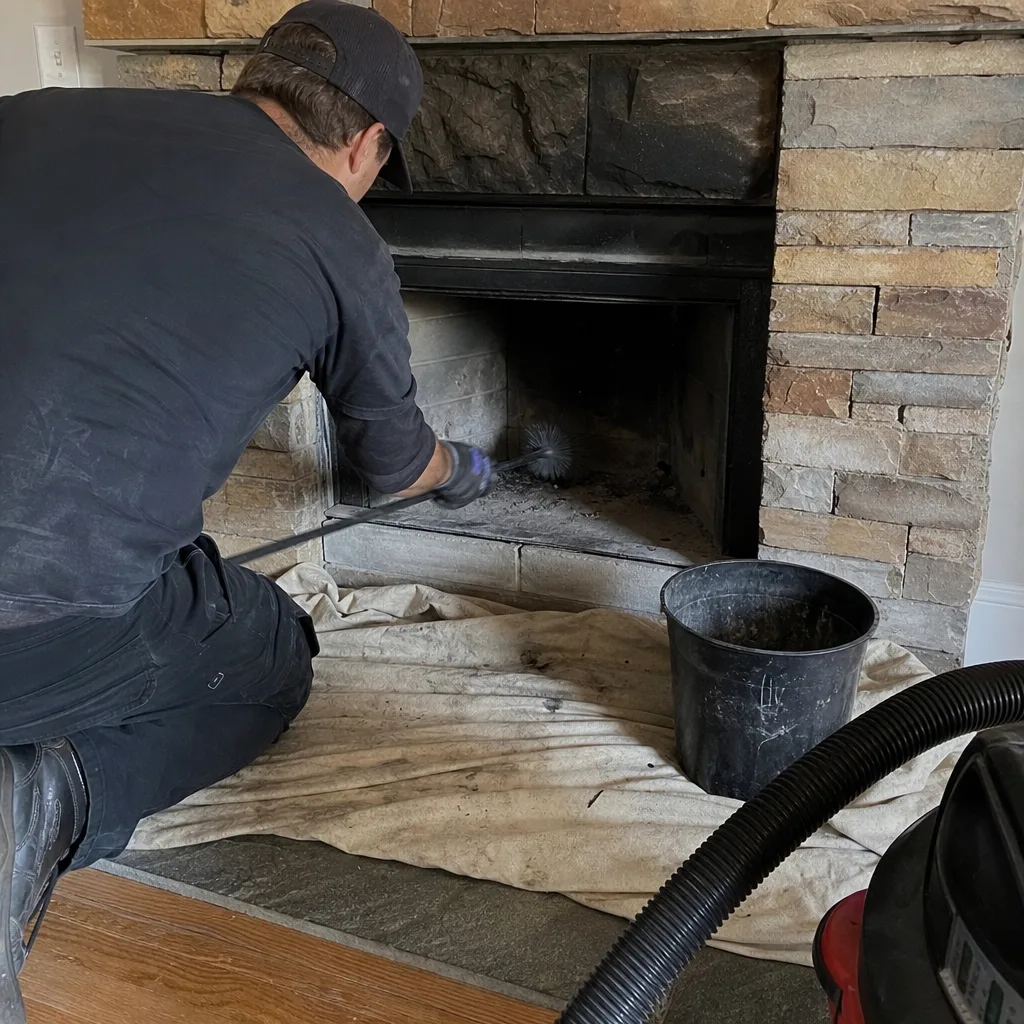
The most overlooked step in chimney maintenance is creating your own record. Here’s what to photograph and note:
Interior Documentation
- Firebox wide shot: Shows overall condition, staining patterns, and firebrick arrangement.
- Damper mechanism: Open position, closed position, and any corrosion or damage.
- Looking up the flue: Best photo you can manage with phone flash. Even a blurry image shows liner color, obvious obstructions, and light penetration (indicating open flue vs. blockage).
- Hearth and surround: Documents pre-existing conditions; protects both parties.
Exterior Documentation
- Chimney from street: Shows lean, obvious masonry damage, missing cap.
- Crown close-up: From safe ground vantage with zoom.
- Roof interface: Flashing condition where visible.
- Any interior stains near chimney chase: Ceilings, walls, attic if accessible.
Operational Notes
- Date of last professional service (check your records; many Atlanta homeowners bought their home without receiving prior sweep documentation).
- Wood type and seasoning: where purchased, how stored, how long dried.
- Burning frequency: weekends only, daily January-February, etc.
- Any smoke, odor, or draft changes with dates.
This documentation serves two purposes. First, it gives your sweep accurate history without relying on memory. Second, it creates a baseline for evaluating post-service photos. If your sweep cannot or will not provide comparable post-service documentation, that is a significant red flag.
What Your Level 2 Inspection Report Should Contain
Under NFPA 211, a Level 2 inspection includes camera examination of the flue interior, accessible portions of the chimney exterior, and written documentation of findings. Here’s what you should receive before any work is proposed or priced.
Required Documentation Elements
- Dated, numbered photos: Minimum 20-30 images showing flue liner condition every few feet, smoke chamber, firebox, damper, crown, cap, and any defects. Clause 4 of the Haven Standard requires this as standard practice; we have delivered it on every job since 2009.
- Video file or detailed frame captures: The camera scan itself, not just stills from it. You should see the liner walls scroll past in continuous footage.
- Written condition assessment: Specific observations, not generic ratings. “3/8-inch vertical crack in terracotta liner at 12 feet above firebox” - not “liner shows wear.”
- Clear separation of sweepable deposits vs. structural defects: Creosote removal is maintenance; liner cracks require repair or replacement. These should be itemized separately.
- Written scope of recommended work: Exactly what will be done, in what sequence, with what materials.
- Written price: Fixed total, not estimate range, with payment terms.
- Written warranty: What is guaranteed, for how long, and under what conditions.
At Level Two Chimney Atlanta home, we deliver all seven elements before any work begins. Haven Standard Clause 1 requires the written price, scope, and warranty delivered in advance - not after the technician is already in your home. This eliminates the pressure tactic of “while I’m here, I found…” pricing.
Materials specified should be named: HeatShield for crown repair, DuraFlex or Olympia Chimney for liner replacement, Gelco or Famco for caps and dampers. Generic “stainless steel liner” or “refractory sealant” is insufficient for informed consent.
Atlanta Climate and Code Factors
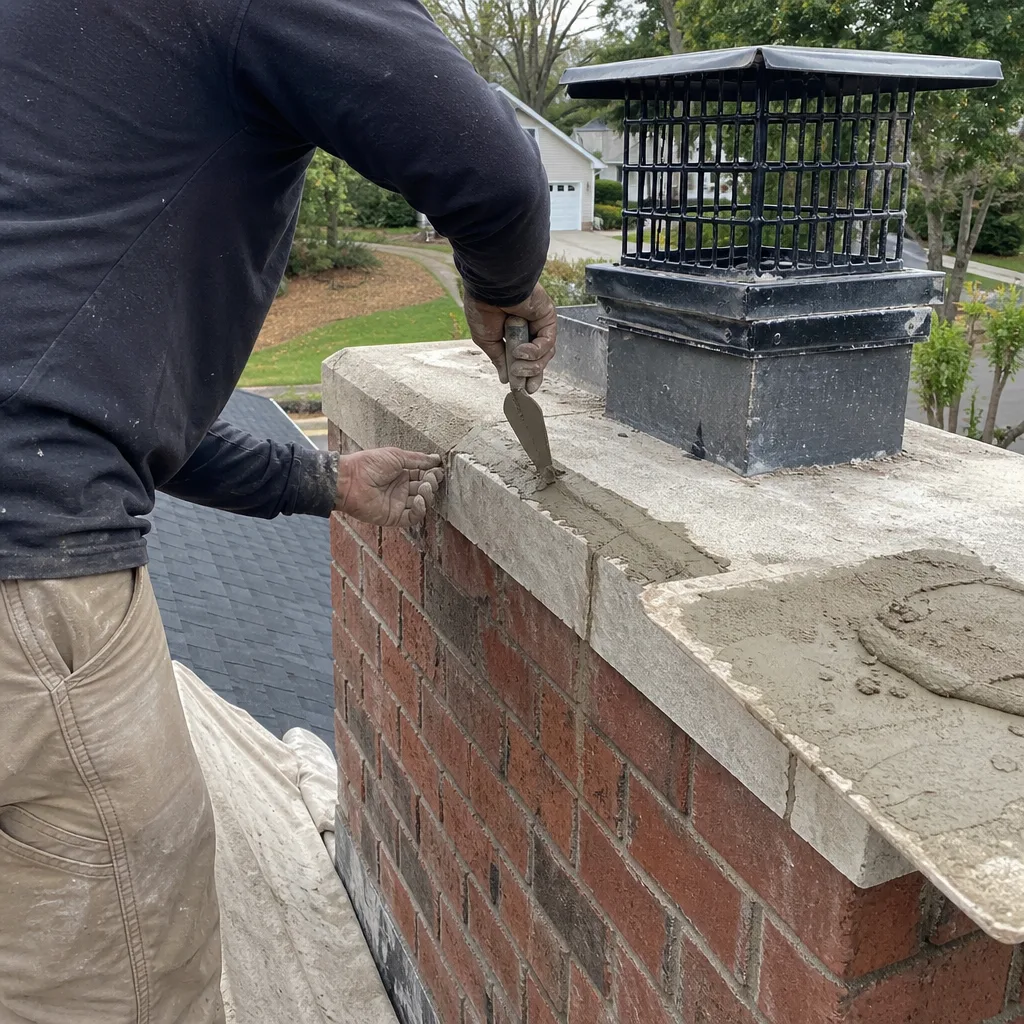
Atlanta’s chimney environment differs materially from national averages. Here’s what local homeowners should know.
Humidity and Masonry Cycling
Atlanta averages 70% relative humidity year-round, with July-August peaks above 85%. Masonry absorbs this moisture; winter firing drives it outward as steam. The result is accelerated spalling in brick faces and crown concrete, particularly in homes without proper cap and crown maintenance. We’ve replaced crowns in Inman Park and Candler Park homes less than 15 years old because humidity-driven deterioration outpaced the original construction quality.
Mild Freeze-Thaw
Atlanta’s freezes are brief but frequent - 40-50 nights below 32°F annually, with rapid warming above freezing by midday. This is actually more damaging than sustained cold because the masonry undergoes more complete freeze-thaw cycles. Water penetrates cracks, freezes overnight, expands, and thaws by afternoon. Repeat 40 times per winter. Crown sealant maintenance is more critical here than in colder climates with sustained frozen conditions.
Local Code and Fuel Considerations
Atlanta permits wood-burning appliances but restricts emissions during air quality alerts common in summer. Gas log retrofits are popular in Virginia-Highland and Morningside-Lenox Park, but require proper liner sizing for condensing appliances. The city of Atlanta requires permits for liner replacement and new appliance installation; Fulton and DeKalb counties have separate inspection requirements. A sweep who doesn’t mention permit needs for major work is not following proper procedure.
Neighborhood-Specific Patterns
In our 38,000+ inspections since 2009, we’ve observed:
- Grant Park, Ormewood Park, East Atlanta: 1920s masonry with original terracotta liners, often unlined above the smoke chamber. Liner degradation is the primary issue.
- Brookhaven, Buckhead post-1980: Factory-built metal chimneys with known corrosion patterns at the roof penetration. Chase cover replacement is common.
- Decatur, Avondale Estates: Masonry heaters and Rumford-style fireplaces with specialized flue geometry requiring sweep familiarity with non-standard construction.
- New construction, 2015-2025: Properly lined but often with cheap galvanized caps that rust through in 3-5 years. Cap replacement is frequently the first needed service.
Why Condition Beats Calendar Scheduling
The “clean every year” rule originated when chimneys were simpler, fuels were consistent, and inspection technology didn’t exist. Here’s why evidence-based scheduling is more accurate and often more economical.
The Problem With Calendar Maintenance
A homeowner who burns four weekend fires per winter accumulates different deposits than one with daily January-February use. A gas appliance produces minimal creosote but still requires liner and draft verification. An unlined masonry flue in a 1920s Atlanta bungalow degrades on its own timeline regardless of use. Calendar scheduling treats all these identically.
The Evidence-Based Alternative
Monitor the four evidence categories monthly during heating season: smoke behavior, odor, deposit color, draft feel. Schedule service when:
- Any Class II or III creosote is observed
- Smoke behavior changes from established baseline
- New odors appear or existing odors intensify
- Ground-level inspection reveals crown, cap, or masonry deterioration
- Any firebox damage is visible
For most Atlanta homeowners, this results in sweep intervals of 1-3 years for light use, annual inspection for moderate use, and potentially mid-season checks for heavy use or known liner issues. The key is that the interval emerges from observation, not assumption.
Our Chimney Cleaning & Sweep in Atlanta service includes the Level 2 camera inspection that establishes your baseline condition. Subsequent visits compare against this documented record. Clause 4 of the Haven Standard requires we maintain this archive; you should maintain your own parallel record.
Common Mistakes to Avoid
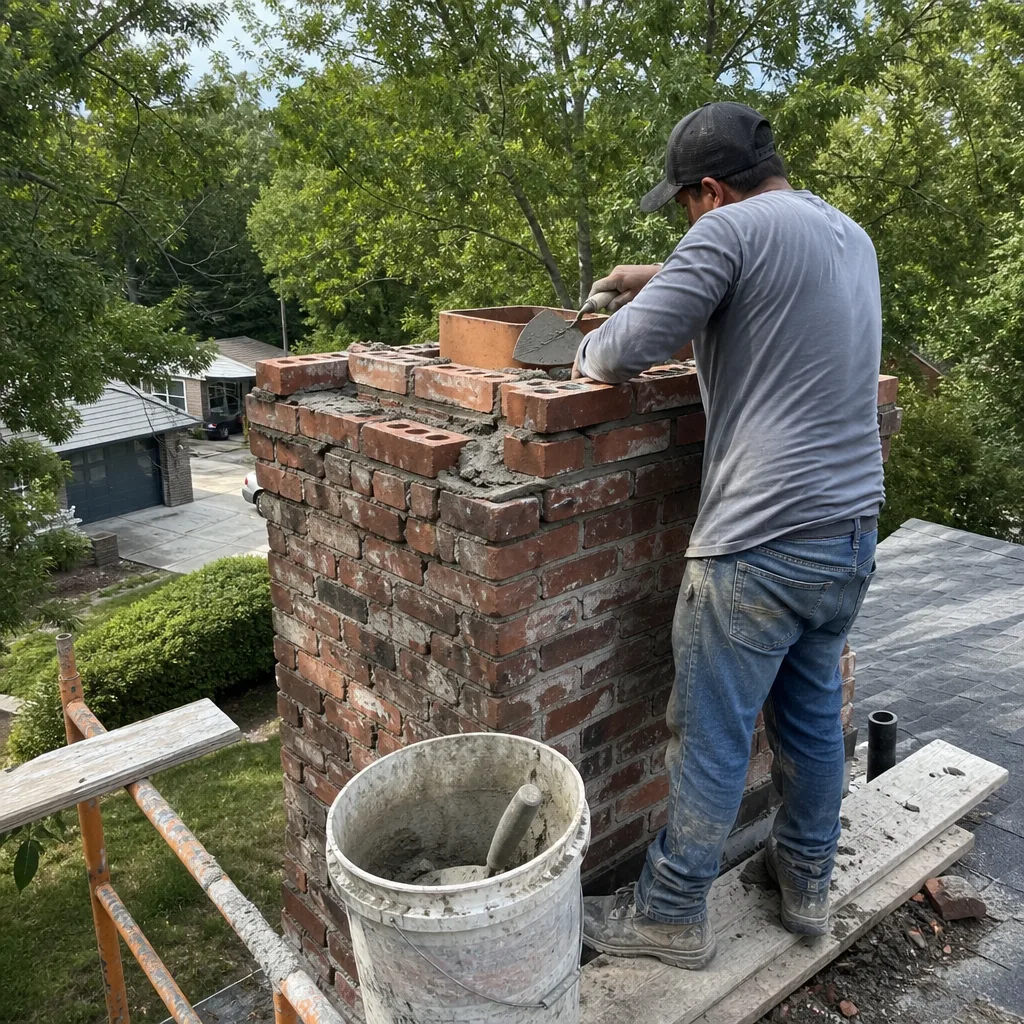
- Assuming no use means no maintenance. Atlanta’s humidity degrades liners and masonry regardless of firing. We’ve found significant deterioration in chimneys unused for decades, including collapsed terracotta in Grant Park rentals.
- Trusting a flashlight inspection as sufficient. The flue interior is 15-30 feet of vertical passage; a flashlight from below reveals only the bottom few feet. Camera inspection is the only method that documents full liner condition.
- Burning “whatever’s cheap” from urban wood sources. Unseasoned wood, pressure-treated lumber, and painted wood produce accelerated creosote and toxic deposits. Atlanta’s curbside wood pickups are often unseasoned oak or pine cut weeks prior.
- Ignoring musty summer odors. In Atlanta’s humidity, a musty smell indicates active moisture intrusion that will accelerate through fall. Addressing it in July prevents crown replacement in January.
- Accepting verbal estimates or post-arrival pricing. This is the most expensive mistake. Haven Standard Clause 1 exists because we’ve documented thousands of cases where homeowners paid 40-200% more than expected after “additional problems” were found with work already in progress.
- DIY removal of Class III creosote. The chemicals required are respiratory hazards; the mechanical removal risks liner damage and improper containment. This is genuinely dangerous work.
- Neglecting to compare pre- and post-service documentation. Without your own baseline photos, you cannot verify that work was performed as specified. Request your sweep’s photos before signing completion.
When to Call a Professional
Call for inspection when you observe any of the following: smoke entering the room during normal operation, any shiny or tar-like creosote deposits (see Chimney Cleaning Warning Signs: A Atlanta Homeowner’s Reference Guide for details), cracks in visible masonry or firebox components, musty or asphalt odors, or if your chimney has not been professionally inspected in three years regardless of use. After any chimney fire, even a brief one, a Level 2 inspection is mandatory before next use - the thermal shock damages liner integrity in ways invisible from below.
Level Two Chimney Atlanta offers free estimates in Atlanta - call (470) 435-7984. Every estimate includes written scope, written price, and explanation of what documentation you’ll receive. We also provide free second opinions on any competitor’s written estimate. Live phone support is available 24 hours a day, 7 days a week.
Frequently Asked Questions
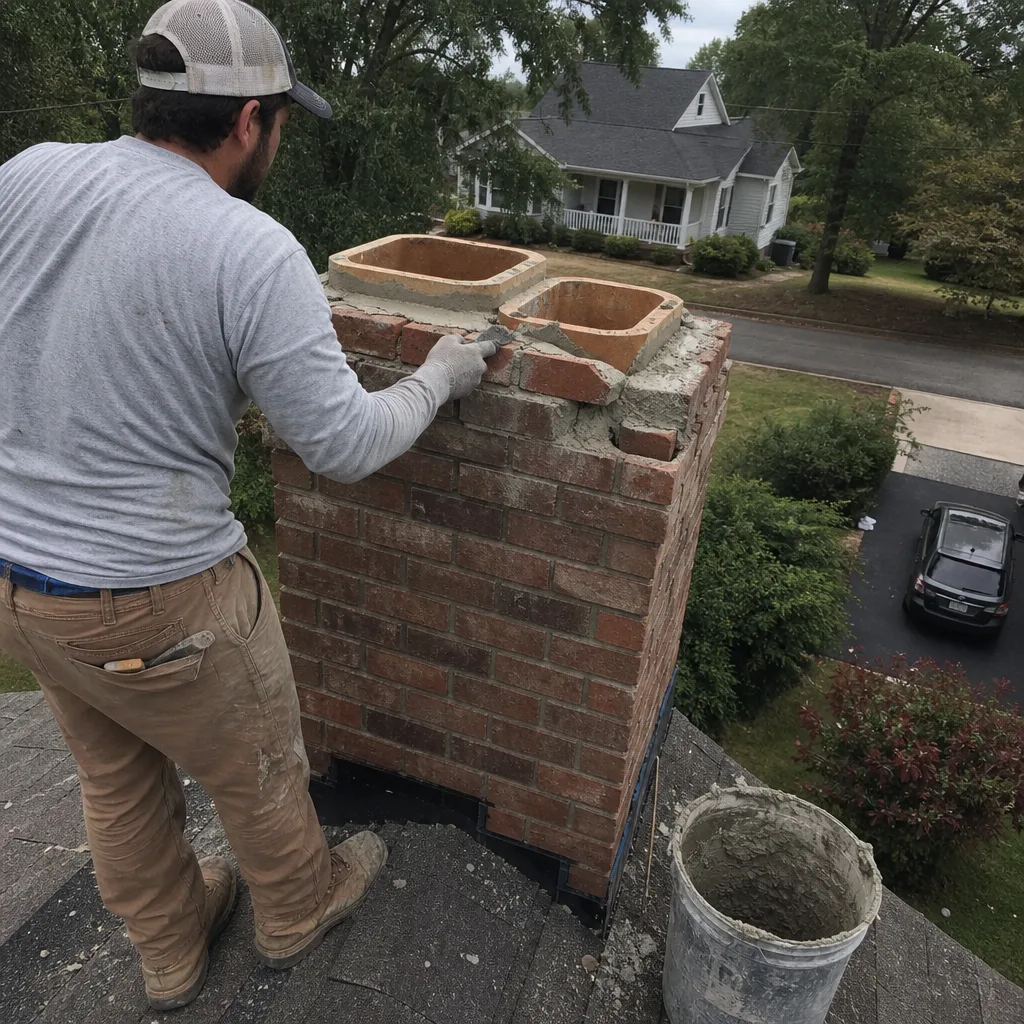
A standard chimney sweep with Level 2 camera inspection in Atlanta typically ranges from $250 to $450 for a single flue, depending on accessibility, deposit severity, and whether chemical treatment for glazed creosote is required. Multi-flue systems, unlined masonry, or factory-built chimneys with chase covers may run higher. We deliver a written price before any work starts - no exceptions. Call (470) 435-7984 for an exact quote; estimates are free.
You need liner replacement when camera inspection shows cracks, gaps, or deterioration that compromises containment of heat and combustion gases - not when someone says you “probably” need one. In Atlanta’s older housing stock, original terracotta liners in homes built before 1960 often show vertical cracking from thermal cycling. The decision requires seeing the damage yourself in camera footage, with measurements, and receiving a written explanation of why repair (HeatShield refractory sealant) is insufficient versus full replacement (DuraFlex or Olympia Chimney stainless steel). Nothing should be recommended without photo evidence you can examine.
Frequency depends on evidence, not calendar. Most Atlanta homeowners with moderate wood use (2-3 fires weekly in season) need sweep every 1-2 years, with annual Level 2 inspection. Light use (monthly or less) may extend to 2-3 years with normal deposit accumulation. Gas appliances require less frequent sweep but still need annual inspection of liner, draft, and connections. The trigger is what you observe: Class II deposits, smoke behavior changes, or any odor shift means schedule now regardless of interval.
Skipped maintenance leads to three predictable outcomes: creosote accumulation increases chimney fire risk (Class III glazed deposits ignite at temperatures normal fires achieve); moisture intrusion degrades masonry and liner, eventually requiring rebuild rather than repair; and undetected liner damage allows carbon monoxide leakage into living spaces. In Atlanta’s humidity, moisture damage accelerates significantly. The cost progression is typically: $300 sweep → $1,500 crown repair → $4,000 liner replacement → $8,000+ rebuild. Early intervention at each stage prevents escalation.
Level 1 is visual examination of readily accessible portions - what can be seen without tools or climbing. Level 2 adds camera examination of the flue interior, inspection of accessible attics and crawl spaces, and written documentation. Level 2 is required for real estate transactions, after chimney fires, when changing appliance type, or when any structural work is contemplated. At Chimney Repair in Atlanta, we perform Level 2 as our default because flashlight inspection misses what cameras reveal.
You can and should perform monthly ground-level checks of damper, firebox, and visible exterior as described in this checklist. Do not climb onto your roof - falls from roof height are a leading cause of home maintenance injury. Do not attempt to clean or inspect the flue interior yourself; the confined space, sharp liner edges, and fall risk make this professional work. For Fireplace Services in Atlanta, professional inspection includes the documentation and warranty that protect your investment and safety.
The Bottom Line
Chimney maintenance organized by observable evidence - smoke, odor, deposits, draft - keeps Atlanta homeowners safe without unnecessary expense. The monthly checks in this guide take 15 minutes and create the documentation baseline that makes professional service transparent and verifiable. For more guides & resources on maintaining your chimney system, visit our blog. When service is needed, insist on Level 2 camera inspection, written price before work, and photo documentation after. These aren’t premium extras; they’re the minimum standard for informed maintenance decisions. Since 2009, we’ve applied this standard to 38,000+ chimneys, with every job starting from a written price and ending with a documented record.
Call (470) 435-7984 for a free estimate. We’ll review your observations, schedule inspection at your convenience, and deliver written scope and pricing before any work begins. Live phone support is available 24 hours a day, 7 days a week.
Written by Corrine Halstead, Owner at Level Two Chimney Atlanta, serving Atlanta since 2009.