
Last updated September 22, 2026
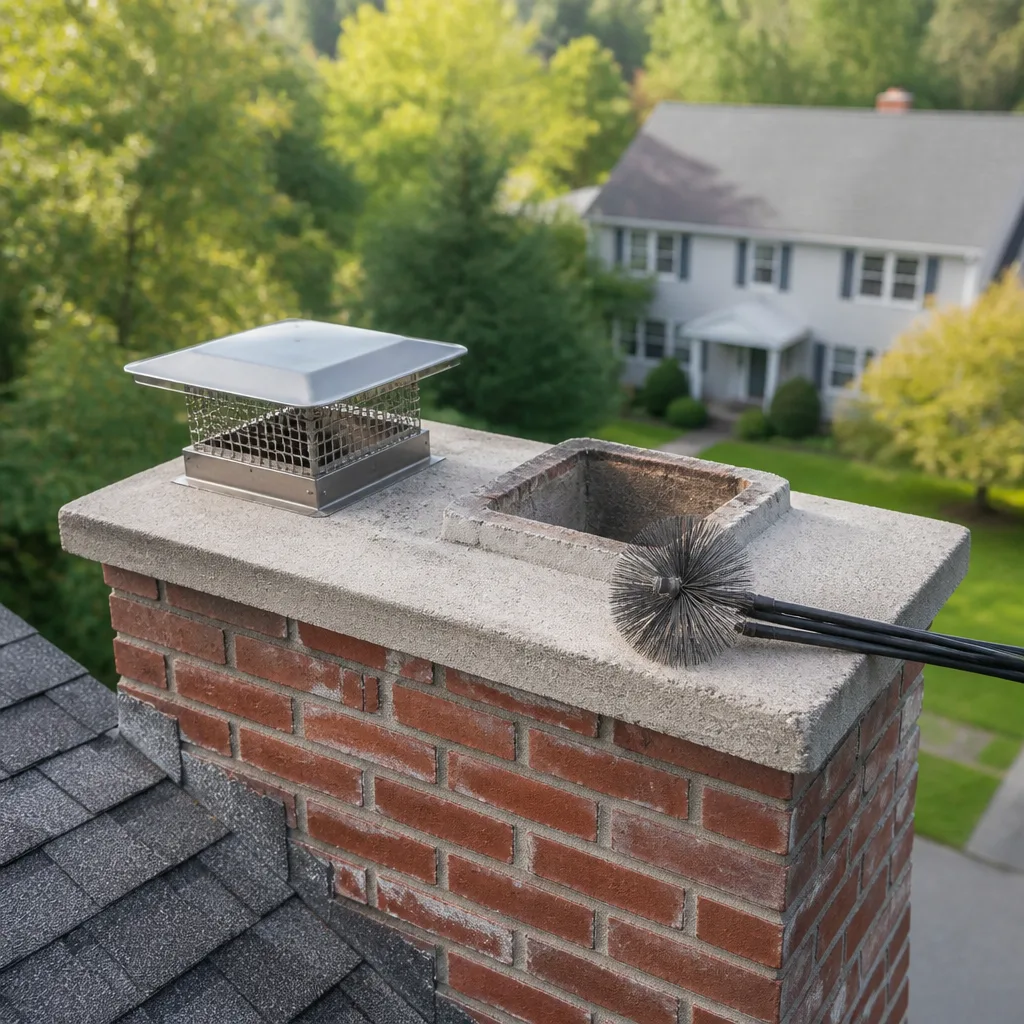
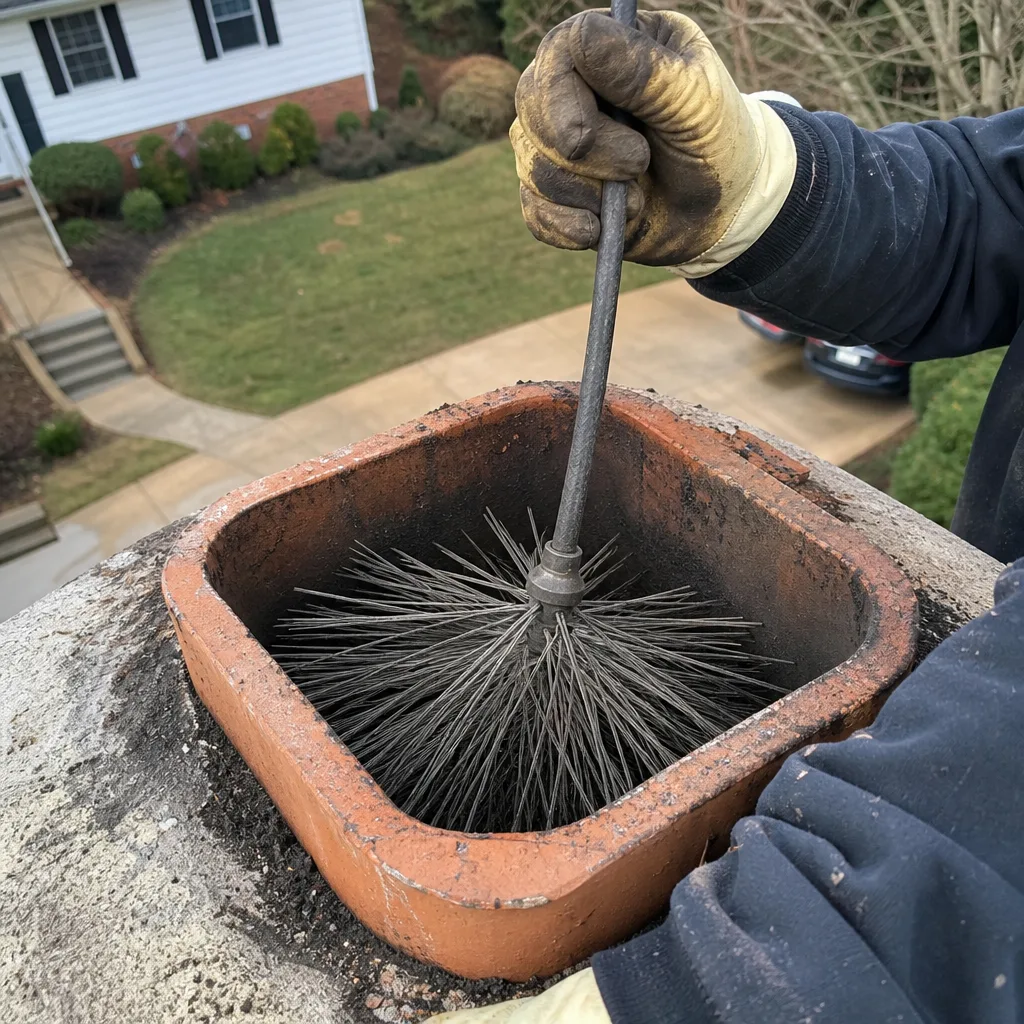
Level 1 sweep and inspection to the NFPA 211 annual standard - flue, crown, cap, and flashing checked and photographed
Chimney sweep logs do not sweep chimneys. They loosen some creosote - which then falls where a brush and vacuum still have to collect it.
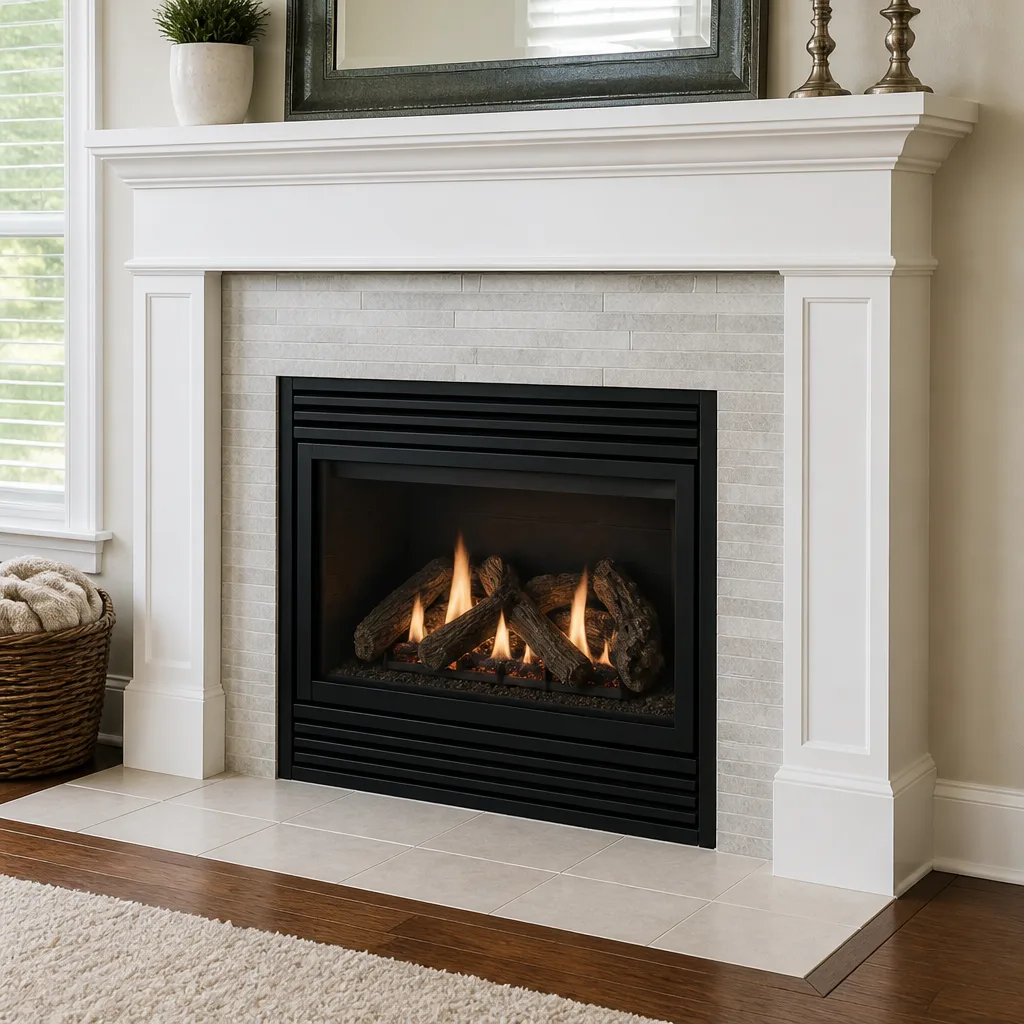
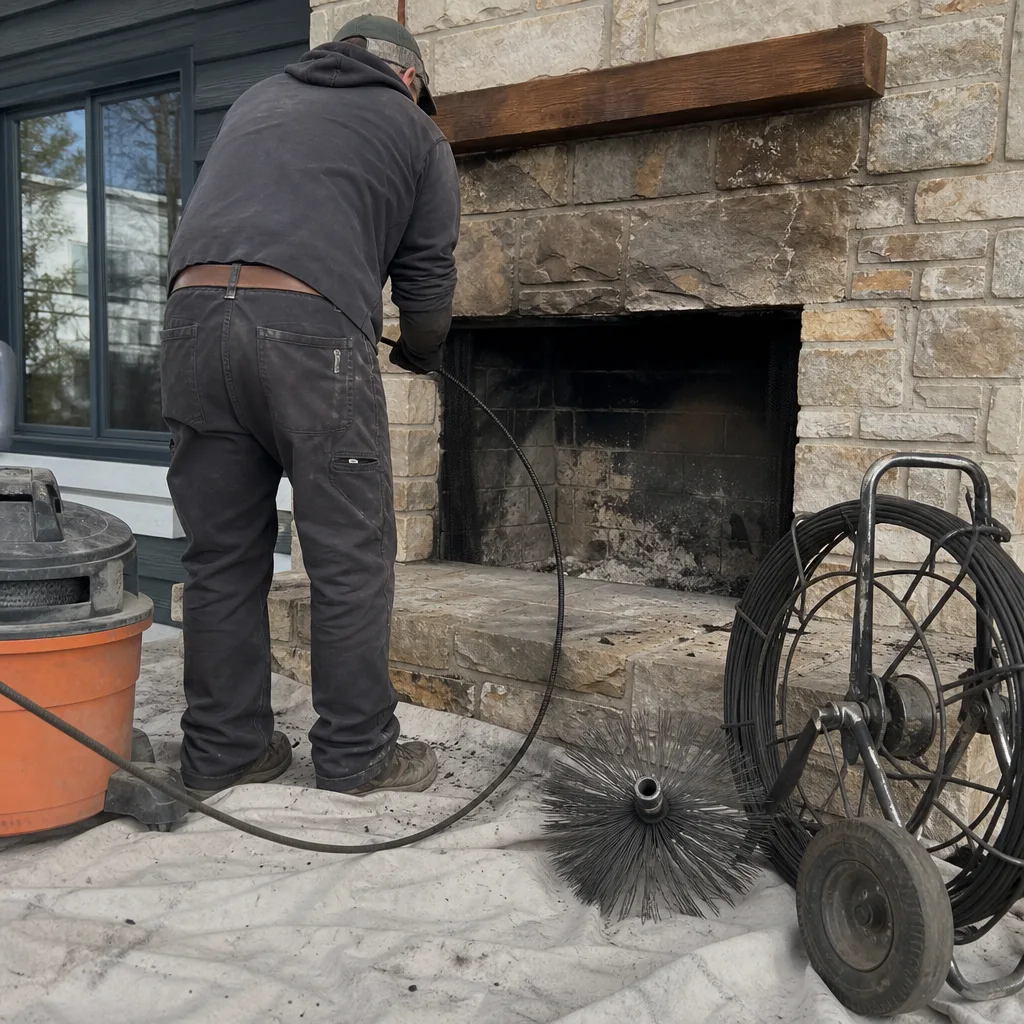 Before
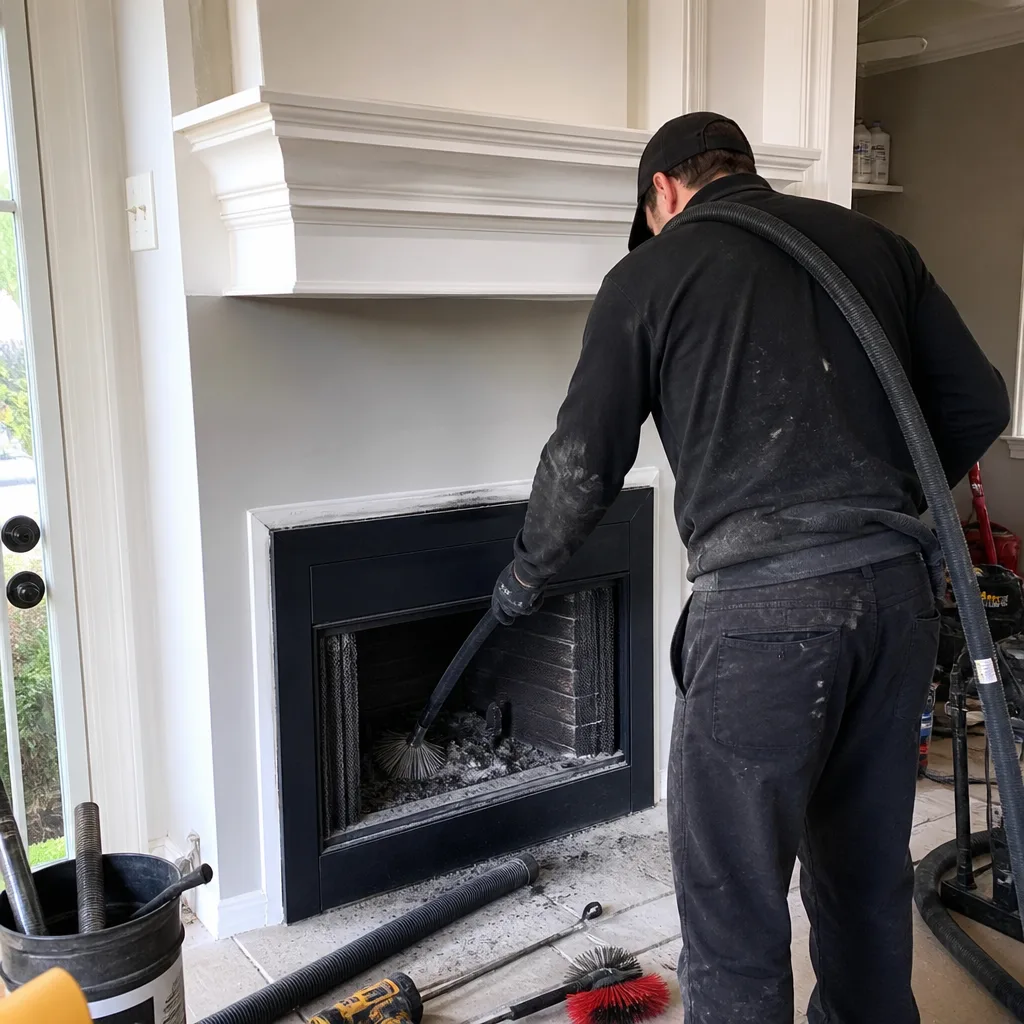 After
After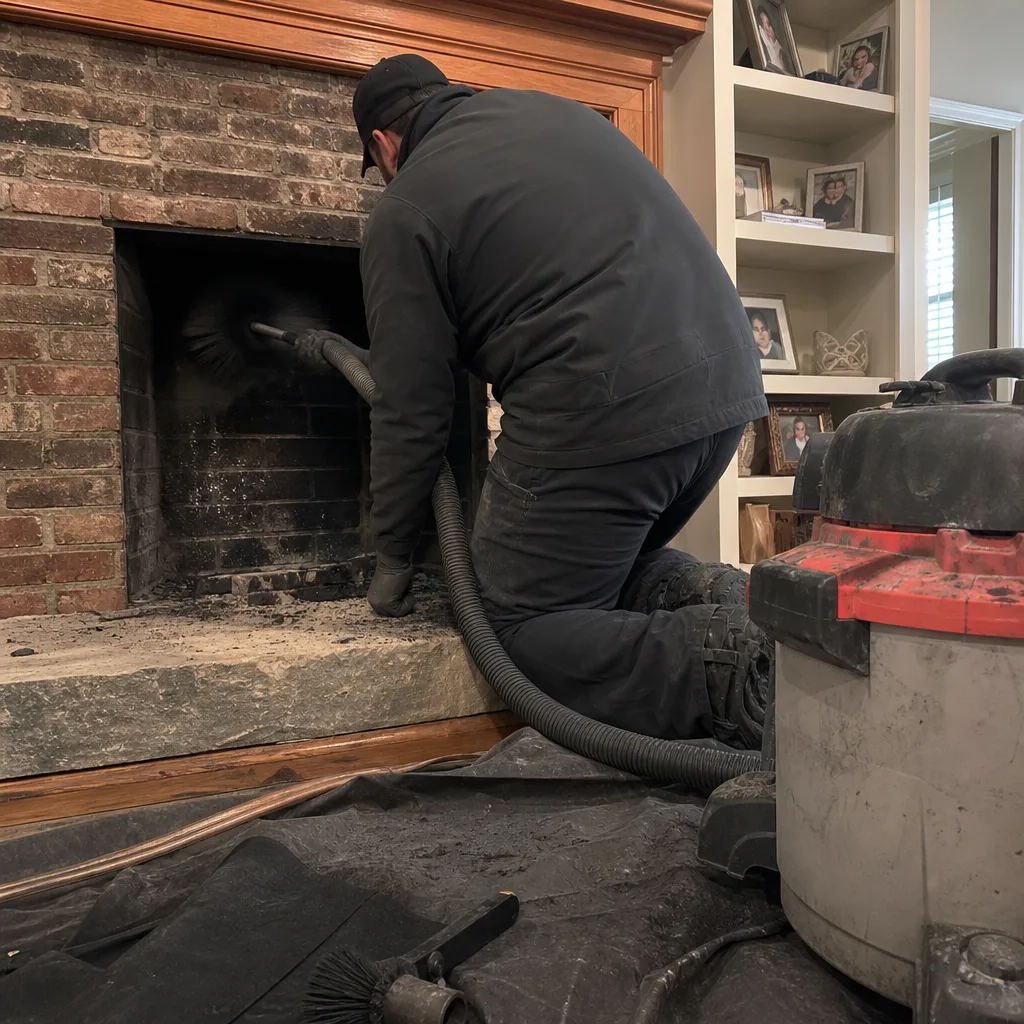 Before
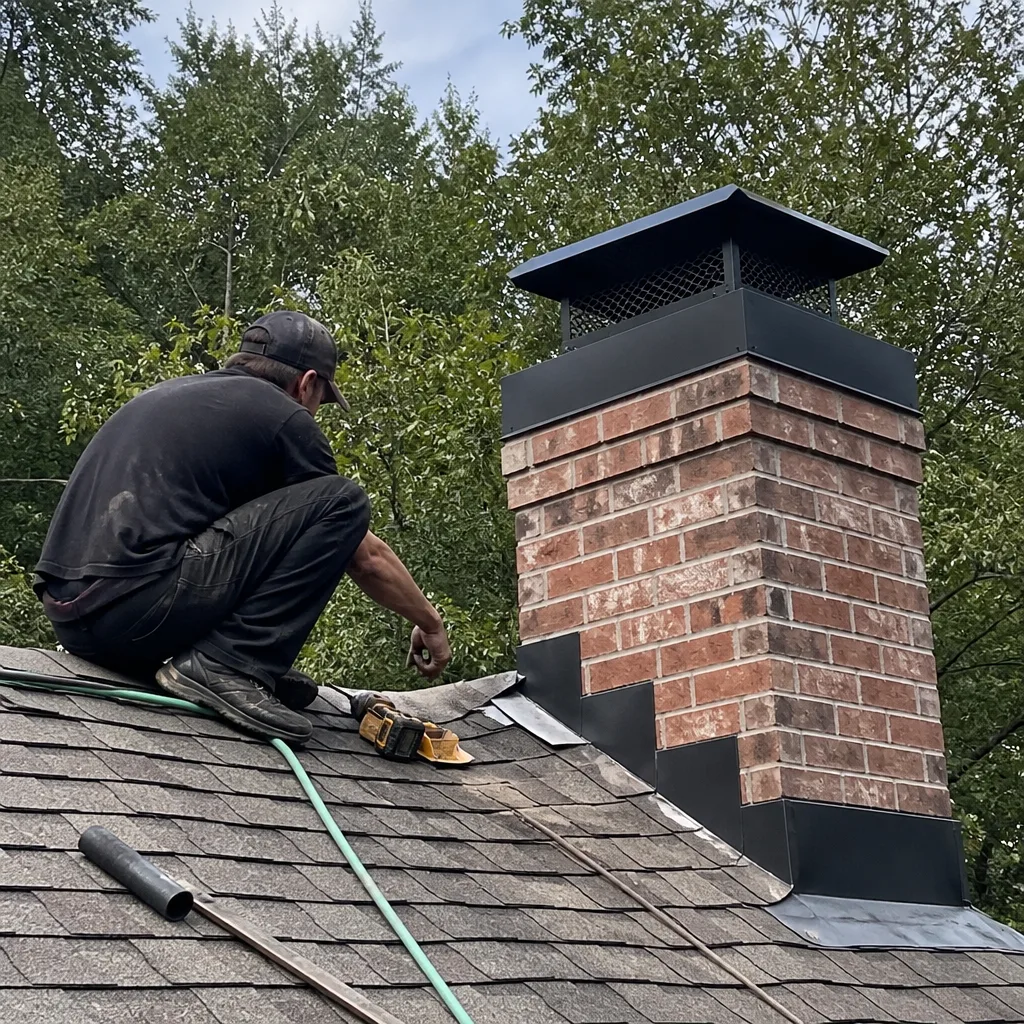 After
After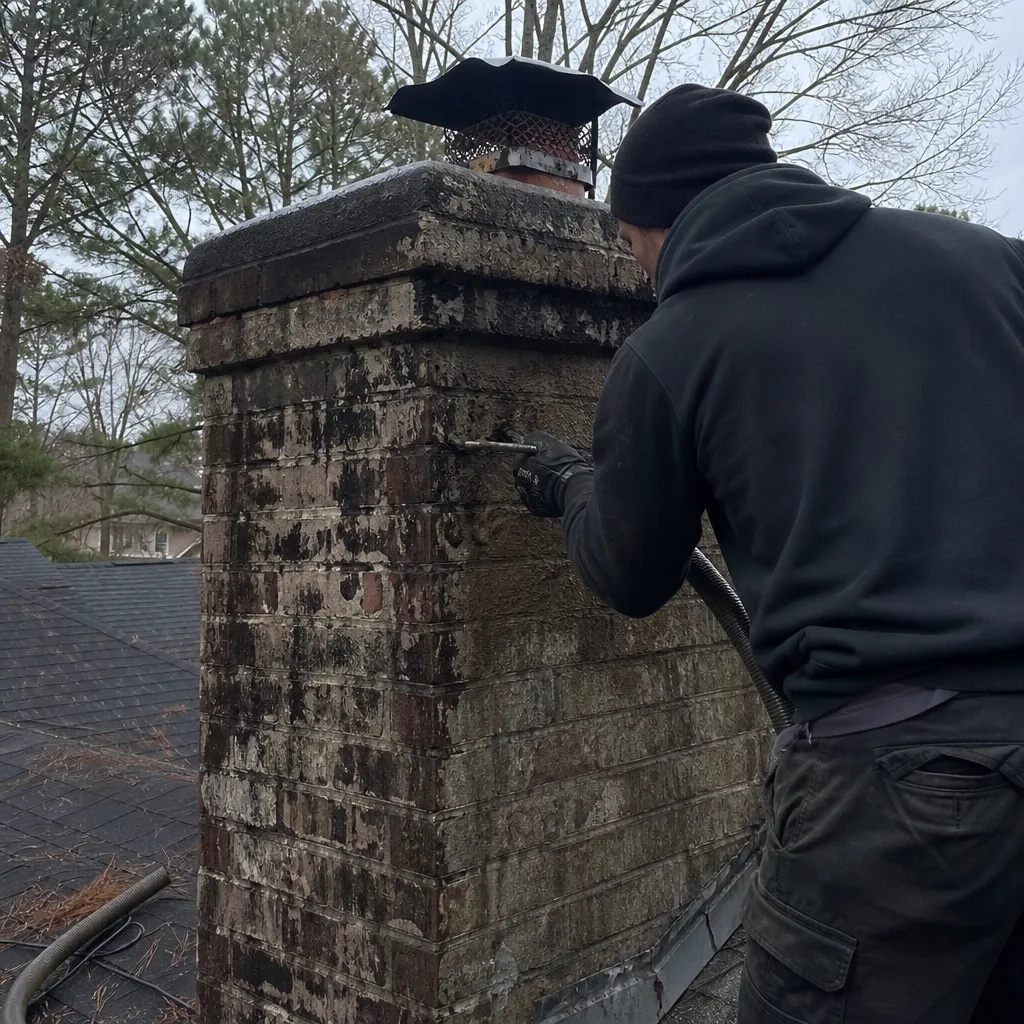 Before
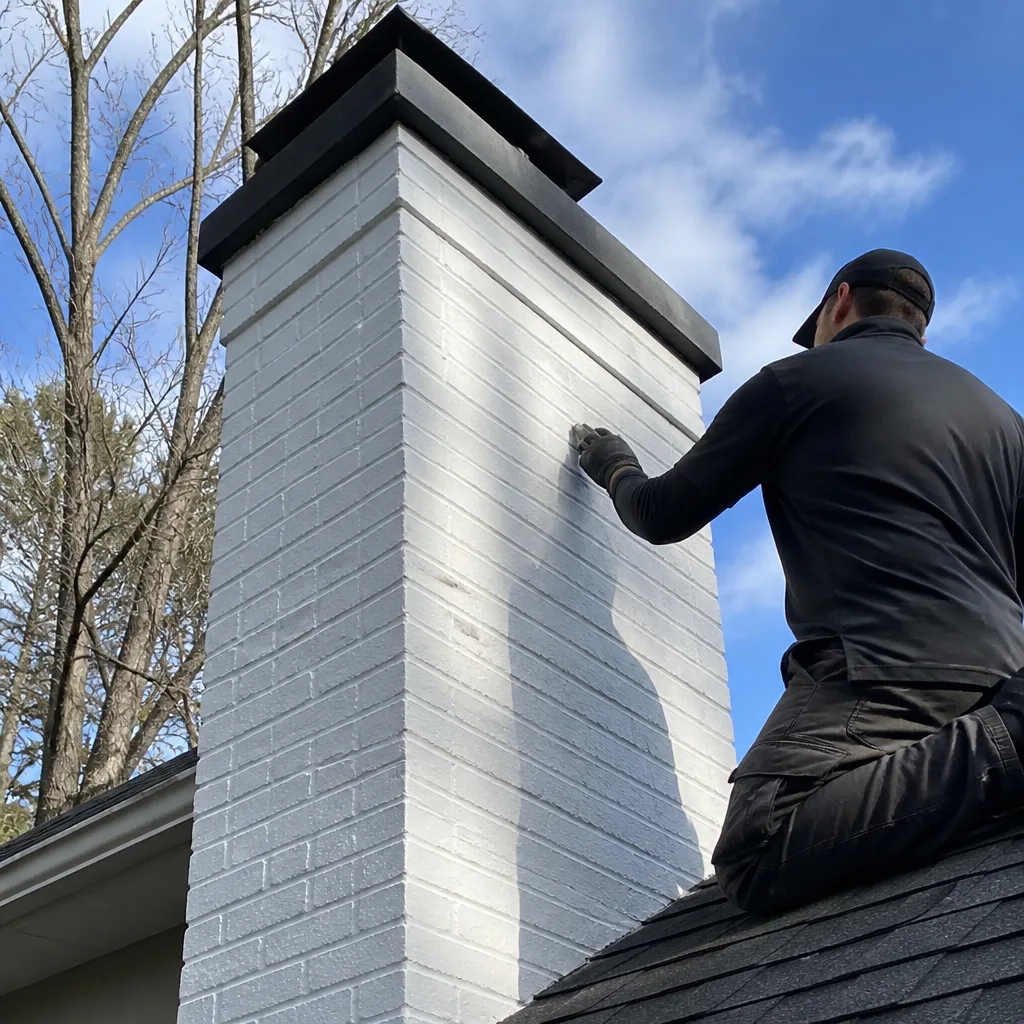 After
AfterThe Complete Guide to Chimney Cleaning in Atlanta
A chimney used ten times a winter can be more dangerous than one used eighty. In Atlanta’s mild climate, homeowners light low, smoldering fires during October evenings and February mornings, never generating enough heat to burn off residue. That pattern produces glazed creosote, a tar-like, highly combustible deposit that standard brushes cannot remove. Most chimney guides are written for Minnesota or Maine, where hot, frequent burns create powdery soot. This guide explains what Atlanta’s burn patterns actually mean for your flue, your safety, and what you should demand from any sweep who works on your home.
Quick Answer
Chimney cleaning in Atlanta typically costs $175-$325 for a standard sweep with NFPA 211 Level 2 inspection, though glazed creosote removal runs $400-$650 due to chemical treatment and mechanical de-glazing. Most Atlanta homeowners need cleaning every 12-18 months, not annually, but should never skip the camera inspection that distinguishes surface buildup from liner damage. A legitimate cleaning includes a documented photo record, written price before work starts, and a scope that itemizes what was found and what was done.
Table of Contents
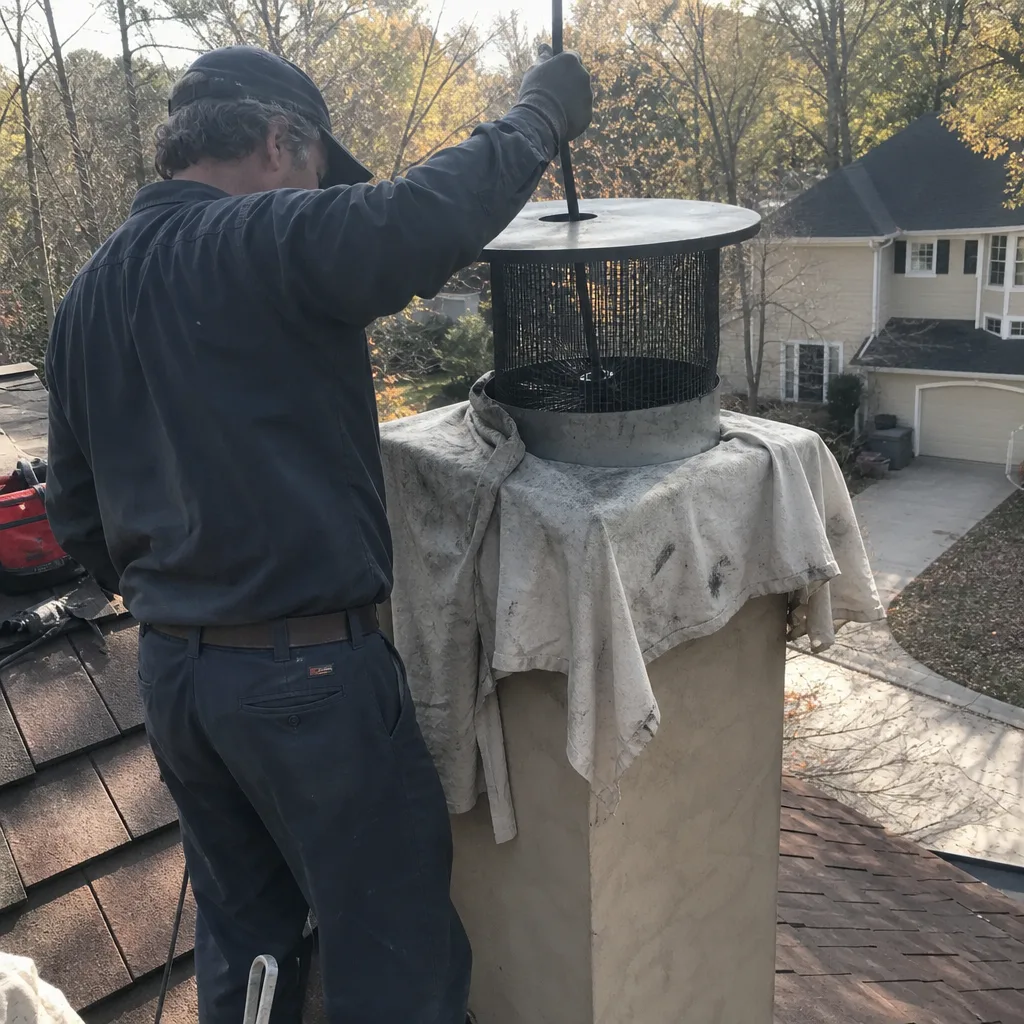
- Why Atlanta’s Mild Winters Create a Unique Creosote Problem
- What NFPA 211 Level 2 Inspection Actually Requires
- The Difference Between a Cleaning Receipt and a Documented Record
- What Happens During a Professional Chimney Cleaning in Atlanta
- Chimney Cleaning Cost in Atlanta: A Plain-Language Breakdown
- How Often Should You Clean Your Chimney in Atlanta?
- How to Choose a Chimney Sweep in Atlanta
- Common Mistakes to Avoid
- When to Call a Professional
- Frequently Asked Questions
BeforeAfterWhy Atlanta’s Mild Winters Create a Unique Creosote Problem
Atlanta sits in USDA Hardiness Zone 8a, with average January lows around 34°F and only 2-3 nights per year dropping below 20°F. That geography shapes how Atlantans use their fireplaces. We light fires when it’s chilly, not when it’s bitter. The typical Atlanta burn is a 45-65°F evening, a small load of wood, dampers partially closed to keep heat in the room, and the fire smoldering for hours rather than roaring.
This matters because creosote formation depends on flue gas temperature, not just wood choice. When smoke cools below 250°F before exiting the flue, it condenses into liquid creosote that coats the liner. Hot fires above 1000°F burn this residue off. Atlanta’s low, slow burns never reach that threshold.
The result is predictable and well-documented in our 38,000+ inspections since 2009. In Buckhead, Virginia-Highland, and Decatur homes built between 1985 and 2010, we regularly find glazed creosote (Stage 2, sometimes Stage 3) in chimneys used fewer than 15 times annually. In contrast, a cabin in Blue Ridge with the same chimney design but hotter, more frequent burns often shows only powdery Stage 1 soot after 60+ uses.
Stage 2 glazed creosote is distinct. It’s shiny, black, and hard as enamel. It reduces flue diameter, restricts draft, and ignites at roughly 451°F, a temperature easily reached by a normal fire. Once ignited, it burns at 2000°F+, exceeding the rating of many clay tile liners and creating the conditions for a chimney fire that can crack the liner and send flames into wall cavities.
The standard wire brush used in basic sweeps will not remove glazed creosote. It skims the surface, leaves the hazard intact, and gives the homeowner a false sense of security. Removal requires chemical treatment to soften the deposit, followed by mechanical de-glazing with chains or rotary whips, then a second camera inspection to confirm the liner is clean and intact. This is why Atlanta homeowners should be skeptical of any sweep who quotes a flat rate without seeing the flue first.
Local fuel patterns compound the issue. Atlanta’s firewood market includes significant green or partially seasoned oak and hickory, often split and sold within 6-8 months of cutting. Burning wood above 25% moisture content dramatically increases creosote formation. In neighborhoods like East Atlanta and Kirkwood, where backyard woodpiles are common, we see moisture readings of 30-40% regularly. The combination of wet wood and low-temperature burns is the single most dangerous pattern we document.
What NFPA 211 Level 2 Inspection Actually Requires
The National Fire Protection Association Standard 211 defines three inspection levels. Most Atlanta homeowners have never received anything beyond Level 1, though many have paid for something marketed as an “inspection.”
A Level 1 inspection is a visual examination of readily accessible portions of the chimney exterior, interior, and appliance and chimney connection. No tools are used to open or remove anything. No camera enters the flue. It is appropriate only when no changes have been made to the system and the appliance is being used as it always has been.
A Level 2 inspection is required upon the sale or transfer of a property, after an operating malfunction or external event (chimney fire, lightning strike, seismic event), or when any change is made to the system. It includes everything in Level 1 plus examination of accessible attics, crawl spaces, and basements, and, critically, “a video scanning or other thorough inspection of the flue liner interior surfaces.”
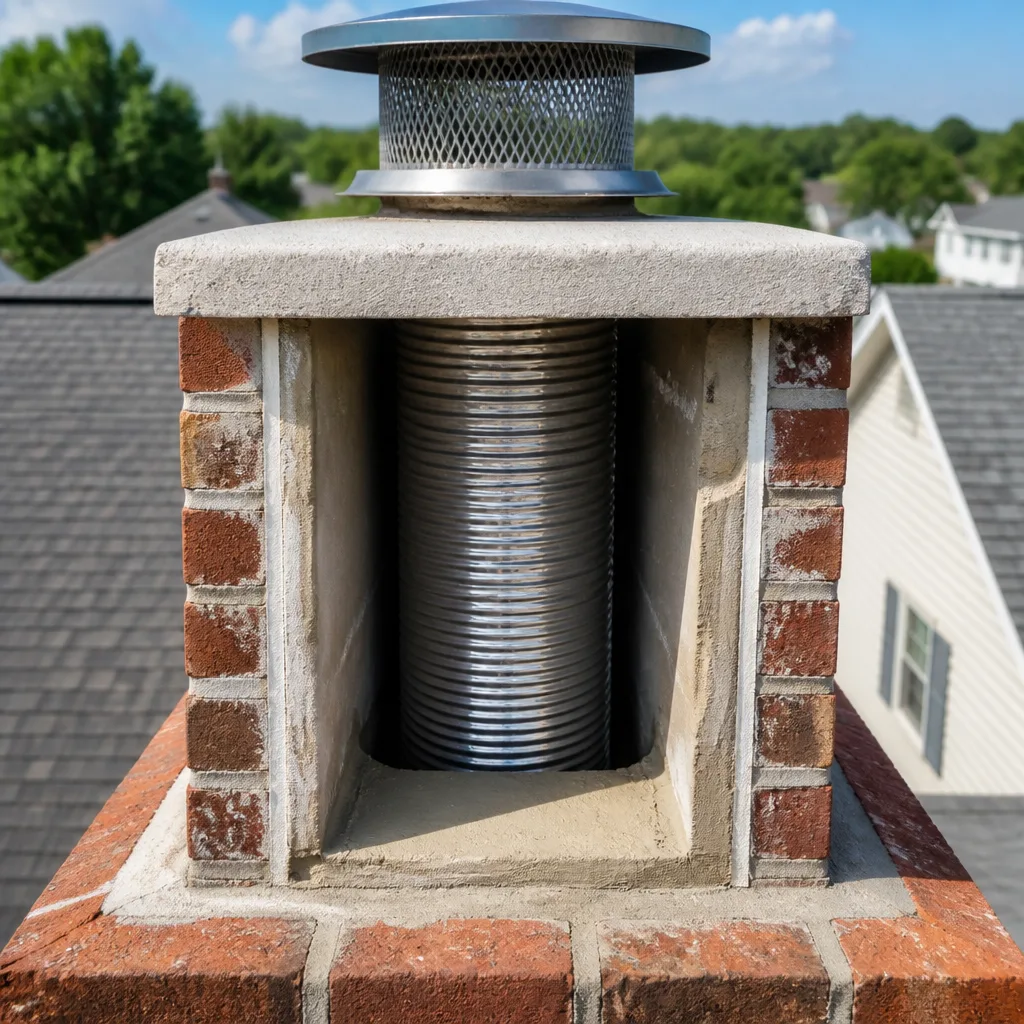
The “flashlight look” offered by many Atlanta sweeps does not satisfy this requirement. A flashlight held at the firebox illuminates perhaps the bottom third of the flue. It cannot reveal cracked tile joints, spalling clay, or deteriorated mortar in the smoke chamber above the damper. It cannot detect the thin vertical cracks in a stainless liner that indicate overheat damage. It cannot document the condition of the flue at the chimney crown, where freeze-thaw cycling in Atlanta’s variable winter temperatures causes the most liner damage.
Since 2009, Level Two Chimney Co. has performed camera-scan documentation on every inspection and cleaning. Clause 4 of the Haven Standard requires a photo record on every job, not as an optional add-on but as the baseline practice. The camera we use is a high-resolution, self-leveling unit that transmits to a monitor the homeowner can watch in real time. We document the entire flue from firebox to crown, timestamp the footage, and include still images of any findings in the written report delivered with the invoice.
This matters beyond immediate safety. Atlanta’s insurance market has tightened significantly since 2020. Several carriers writing in Fulton, DeKalb, and Cobb counties now require documented chimney inspection records for homes with wood-burning fireplaces, particularly those built before 1995. A flashlight look with a handwritten receipt provides no documentation. A Level 2 camera inspection with timestamped photos does.
The Difference Between a Cleaning Receipt and a Documented Record
After a chimney fire, the sequence of events is predictable. The fire department leaves. The homeowner calls their insurance company. The adjuster asks for maintenance records. And most Atlanta homeowners hand over a credit card receipt from a sweep who came, brushed for twenty minutes, and left no documentation of what the flue looked like before or after.
A cleaning receipt proves payment. A documented cleaning record proves condition.
The documented record we deliver under Haven Standard Clause 4 includes:
- Pre-cleaning camera footage showing the full flue interior, with narration identifying creosote class, liner condition, and any structural concerns
- Written scope of work itemizing what will be done, in what sequence, with what equipment, and at what price, signed by the homeowner before work begins
- Post-cleaning camera footage confirming the flue is clear and the liner is intact
- Still images of findings with measurements where relevant (crack width, spalling depth, missing mortar quantity)
- Written warranty on the work performed, backed by the 365-Day Done Right Promise
- Recommendations with priority ratings - what needs immediate attention, what should be monitored, what is informational only
This documentation serves multiple purposes. For the homeowner, it creates a baseline for comparison at the next service. For the insurer, it demonstrates due diligence. For a future buyer, it provides transferable proof of system condition. For us, it creates accountability - we cannot claim work was done that the camera did not record.
The distinction matters in Atlanta’s real estate market. In neighborhoods like Inman Park, Grant Park, and Old Fourth Ward, where 1920s bungalows and 1890s Victorians change hands frequently, chimney condition is a standard inspection point. A seller with a documented Level 2 record from the past 12 months can answer buyer concerns immediately. A seller with a $149 receipt from “Chimney Sweep Special” faces renegotiation or a demand for professional inspection at seller expense.
What Happens During a Professional Chimney Cleaning in Atlanta
A proper chimney cleaning follows a sequence. Skipping steps saves time and creates risk. Here is what we do on every visit to Atlanta homes, from ranch houses in Sandy Springs to historic properties in Druid Hills.
Step 1: Exterior Assessment
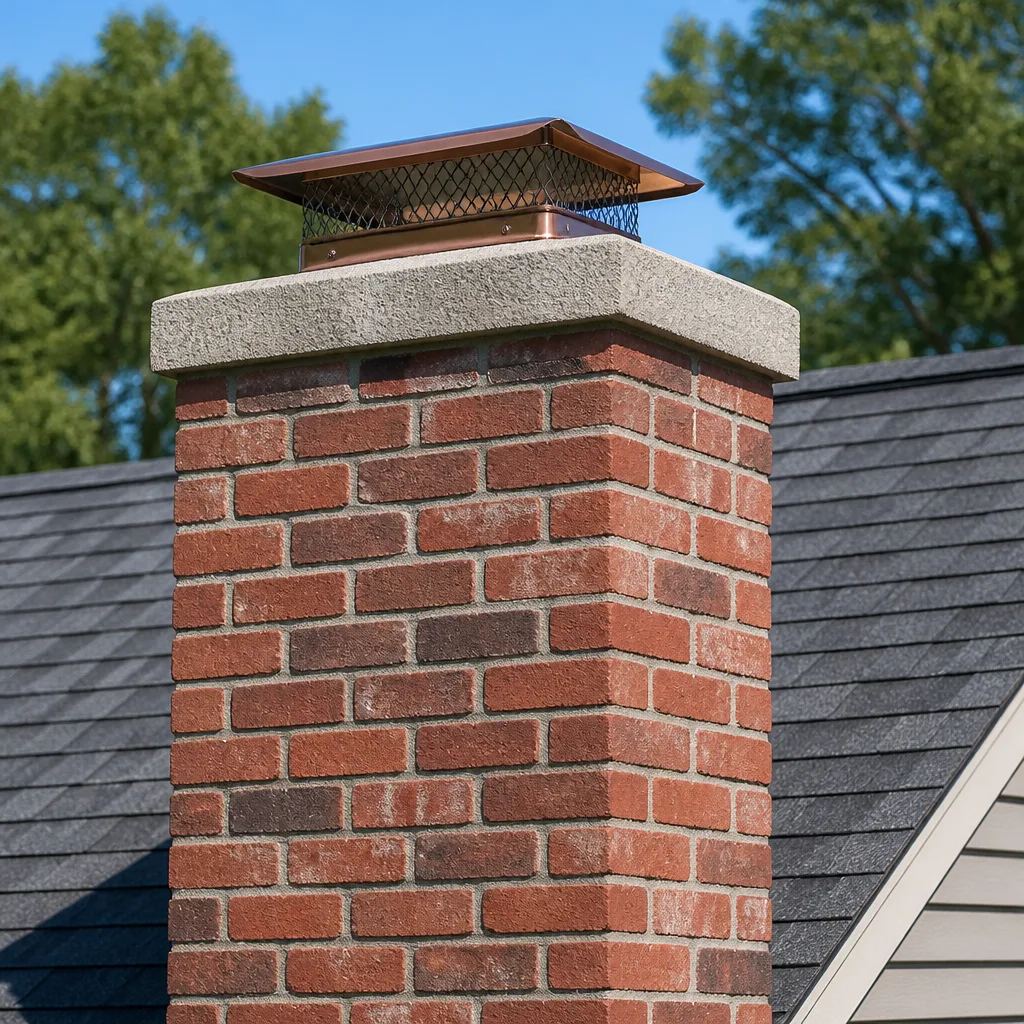
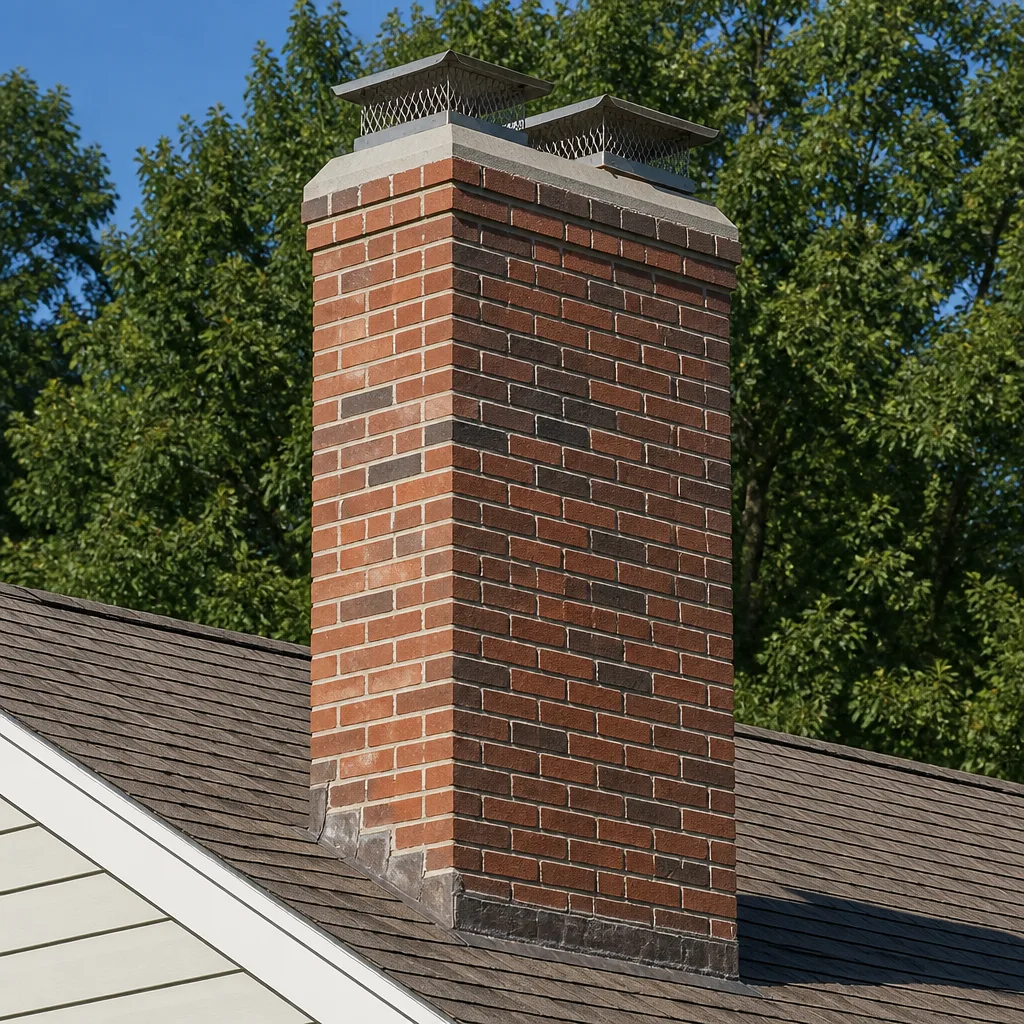
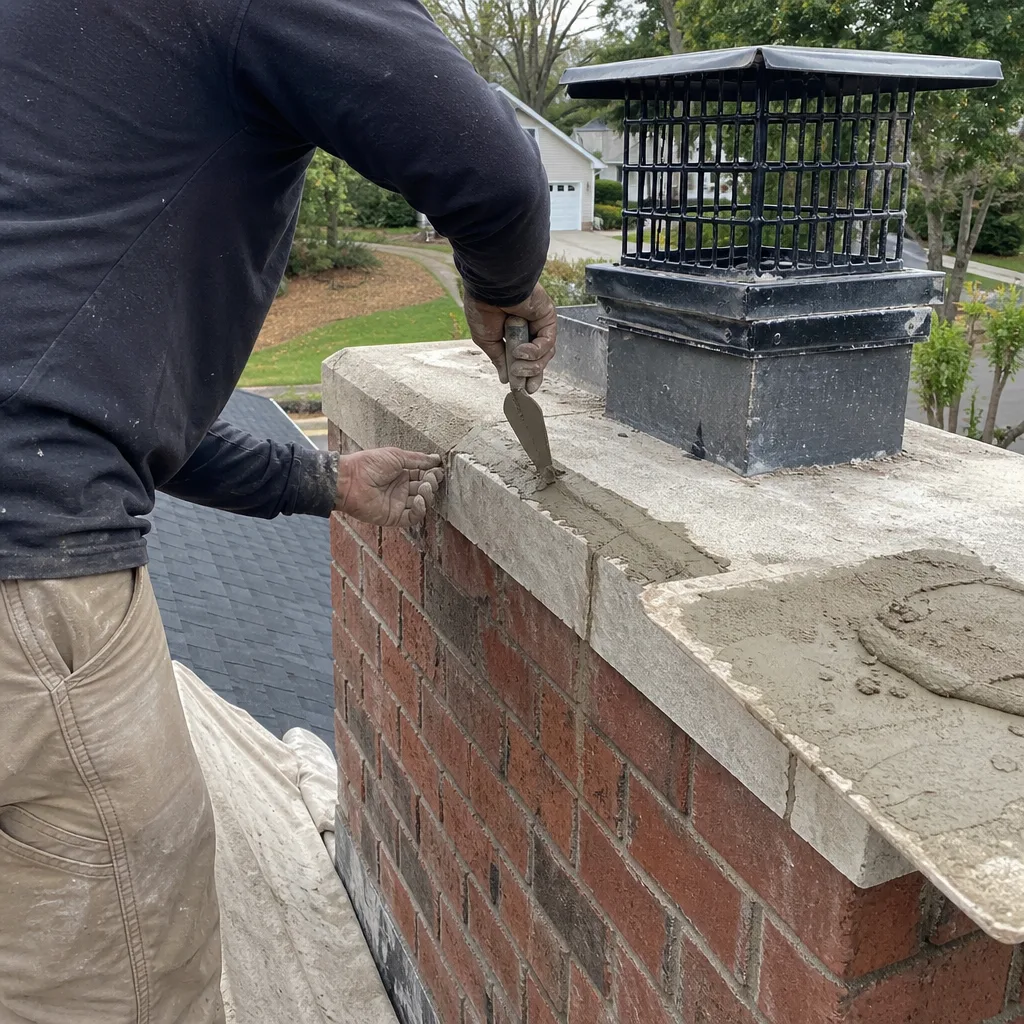
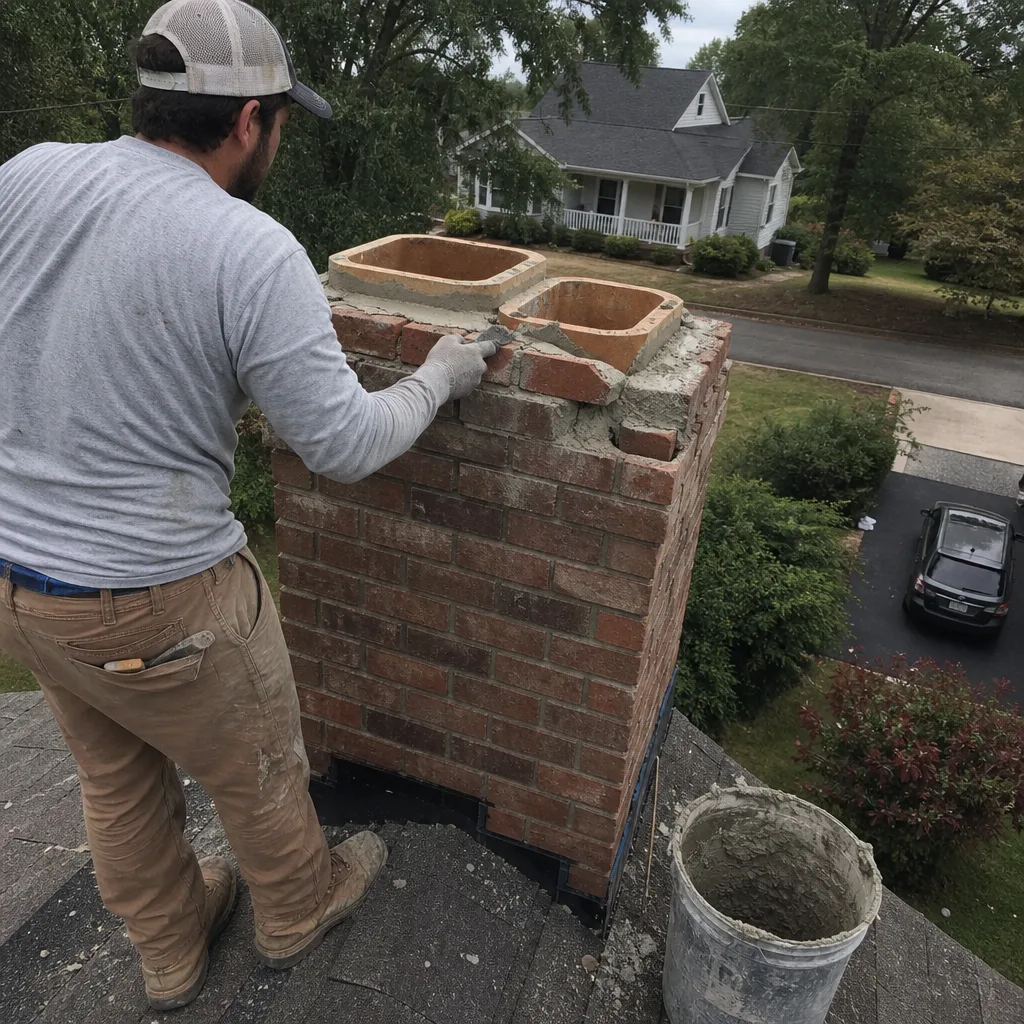
We examine the chimney crown, cap, flashing, and visible masonry before entering the home. In Atlanta, we pay particular attention to crown cracking and cap rust. The city’s clay-heavy soil creates foundation movement that stresses chimney structures. A crown with hairline cracks in September often shows water intrusion by February. We photograph exterior condition and note any immediate weatherproofing needs.
Step 2: Interior Setup and Protection
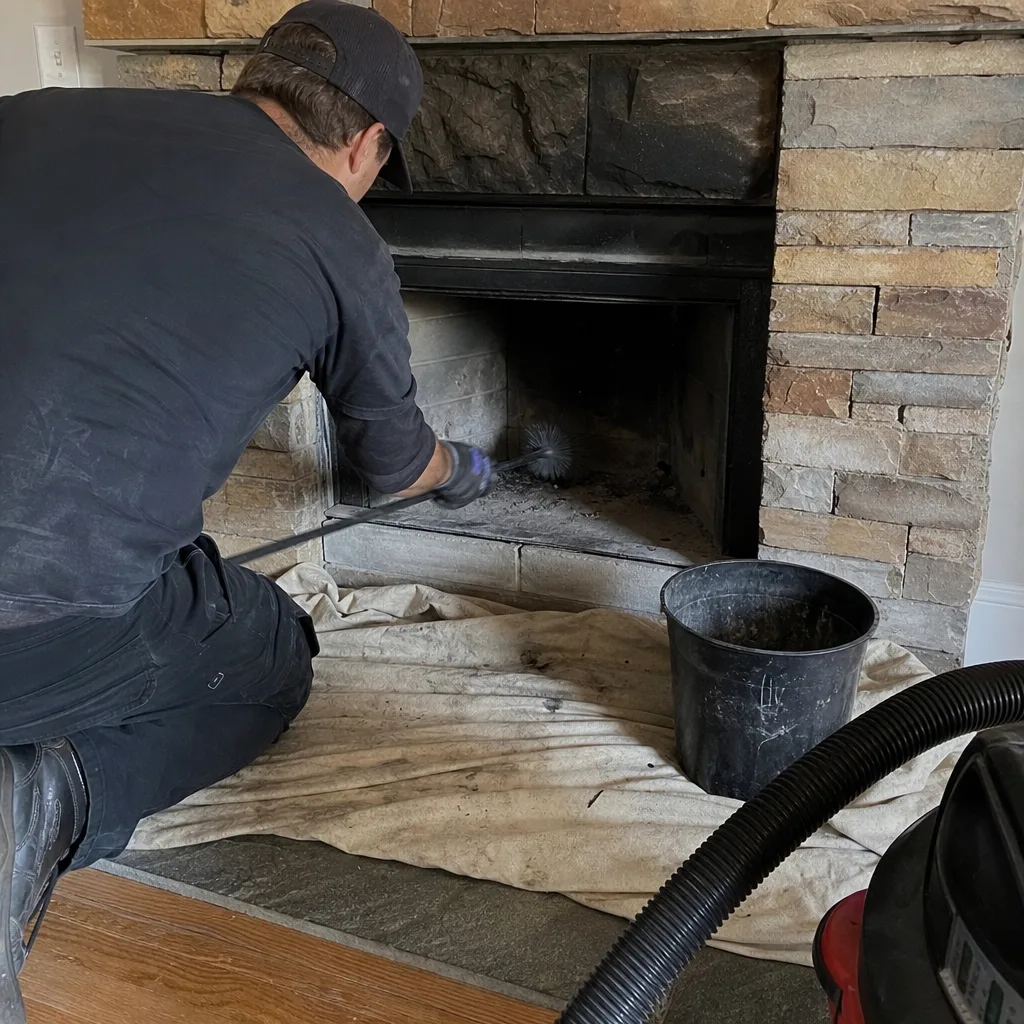
Drop cloths cover flooring and furniture within 8 feet of the fireplace. A HEPA-filtered vacuum runs continuously to capture particulate. We inspect the firebox for cracks in the refractory panels or mortar joints, check the damper operation, and examine the smoke chamber (the area above the damper, shaped like an inverted funnel) for exposed corbelling or deteriorated parging.
Step 3: Camera Inspection Before Cleaning
The self-leveling camera enters the flue. We narrate findings for the homeowner in real time. In Atlanta, we are specifically looking for:
- Glazed creosote, particularly in the upper third of the flue where gas temperatures are lowest
- Thermal cracking in clay tile liners, common in chimneys with a history of chimney fires the homeowner may not have recognized
- Spalling (flaking or chipping) of clay tile surfaces, indicating freeze-thaw damage or acid corrosion from condensing flue gases
- Displacement or missing mortar between tile joints, creating gaps where creosote accumulates and fire can penetrate
- Obstructions: bird nests, particularly from chimney swifts (protected under federal law, requiring specific handling), or collapsed liner sections
Step 4: Cleaning Based on Findings
For Stage 1 powdery soot, we use rotary brushes sized to the flue diameter, with poly or wire bristles matched to the liner material. For Stage 2 glazed creosote, we apply ACS (Anti-Creo-Soot) or similar chemical treatment, allow dwell time per manufacturer specification, then use mechanical de-glazing equipment. For Stage 3 glazed creosote, the most hardened and dangerous form, we may recommend a second visit after chemical treatment, as aggressive mechanical removal can damage fragile liners.
Step 5: Debris Removal and HEPA Vacuuming
All creosote and debris is captured. We do not allow it to fall into the smoke chamber or firebox uncontrolled. The work area is cleaned to pre-service condition.
Step 6: Post-Cleaning Camera Inspection
The camera re-enters the flue to confirm complete removal and verify no damage occurred during cleaning. This step is non-negotiable under Haven Standard Clause 4. We have documented cases where a liner crack was invisible before cleaning, obscured by creosote, and only visible after. A cleaning without post-cleaning documentation is incomplete.
Step 7: Written Report and Price Review
Before requesting payment, we review the documentation with the homeowner, explain any recommendations, and provide the written report with photos. The price quoted before work began is the price invoiced. No surprises, no upsells discovered after the brush is in the flue.
Chimney Cleaning Cost in Atlanta: A Plain-Language Breakdown
Atlanta’s chimney sweep market ranges from $89 Groupon specials to $800+ for complex restorations. Understanding what drives legitimate pricing helps you evaluate quotes and avoid the two most common scams: the lowball entry price with mandatory “additional services,” and the catastrophic discovery of “dangerous conditions” that only the sweep’s affiliated repair crew can fix.
| Service | Price Range | What It Includes |
|---|---|---|
| Standard sweep with Level 2 inspection | $175-$325 | Camera inspection, rotary cleaning for Stage 1 soot, HEPA vacuuming, documented photo record, written report |
| Glazed creosote removal (Stage 2) | $400-$650 | Chemical treatment, mechanical de-glazing, extended labor, second camera pass, disposal of hazardous material |
| Stage 3 creosote / heavy buildup | $650-$950 | Multi-visit treatment, potential liner evaluation, coordination with repair scheduling if liner is compromised |
| Chimney cap installation (standard) | $350-$600 | Stainless or galvanized cap, proper sizing, installation with fasteners appropriate to flue type |
| Fireplace insert cleaning | $225-$375 | Disassembly of insert components, flue collar cleaning, reassembly with proper gasket inspection |
Several factors push Atlanta pricing toward the higher end of these ranges:
- Access difficulty: Steep roofs in neighborhoods like Morningside or Virginia-Highland, or chimneys requiring ladder work on multi-story homes
- Liner material: Stainless steel liners require different brushes and techniques than clay tile; improperly matched equipment damages the liner
- Insert or stove type: EPA-certified catalytic stoves require specific cleaning protocols to protect the catalyst
- Height and configuration: Chimneys over 25 feet, or those with offsets (bends), require additional equipment and time
What should a written quote itemize? At minimum:
- The specific inspection level (must specify NFPA 211 Level 2 for real estate or post-event situations)
- Whether camera inspection is included or additional
- Whether photo documentation is included or additional
- The cleaning method and equipment to be used
- Disposal method for creosote (it is hazardous waste and must be handled accordingly)
- Warranty terms, in writing
- Any recommendations found during initial assessment, with separate pricing, and explicit statement that these are optional
Verbal estimates fail on every point. A sweep who quotes “$189, we’ll take care of everything” has not defined “everything.” When the camera reveals glazed creosote, the price becomes $600, and the homeowner is already committed. This is why Haven Standard Clause 1 requires a written price, written scope, and written warranty before any work starts. We have honored this practice on all 38,000+ jobs since 2009.
We also offer a Free Second Opinion on any written estimate from a competitor. Bring us their quote. We will review it against what we find in your flue, explain any discrepancies, and provide our own written scope. No charge, no obligation.
How Often Should You Clean Your Chimney in Atlanta?
The NFPA 211 standard states: “Chimneys, fireplaces, and vents shall be inspected at least once a year for soundness, freedom from deposits, and correct clearances. Cleaning, maintenance, and repairs shall be done if necessary.”
Note the distinction: inspection annually, cleaning only if necessary. For many Atlanta homeowners, this means cleaning every 12-18 months, not necessarily every 12. But the inspection is non-negotiable, because creosote accumulation is not the only hazard. Liner deterioration, water damage, and animal intrusion can create dangerous conditions with no visible soot.
Your specific interval depends on use patterns:
- Primary heat source, 4+ nights weekly November-March: Annual cleaning, possibly mid-season if burning softwoods or unseasoned wood
- Supplemental heat, 1-2 nights weekly: Inspect annually; clean every 12-18 months based on camera findings
- Occasional ambiance, 1-2 times monthly: Inspect annually; clean every 18-24 months, but never skip the inspection
- Gas log set with existing flue: Inspect every 2-3 years; clean if debris or deterioration is found
Atlanta’s specific risk is the homeowner who burns infrequently and assumes infrequent use means low risk. The 10-fire-per-year household with low-temperature burns often has more glazed creosote than the 60-fire household with hot, efficient fires. Camera inspection is the only way to know which category you are in.
Timing matters for scheduling. Atlanta’s burn season runs roughly November through early March, with peak demand in October (pre-season anxiety) and January (post-holiday realization). We recommend inspection in late summer or early fall, when scheduling is flexible and any needed repairs can be completed before first use. Emergency calls in December often involve chimney fires or blocked flues that inspection would have prevented.
How to Choose a Chimney Sweep in Atlanta
The chimney sweep industry in Georgia is lightly regulated. No state license is required specifically for chimney sweeping, though legitimate operators carry general liability insurance and business licensing. This creates a market where anyone with a brush and a ladder can advertise, and many do.
Here is what to verify before allowing anyone on your roof or in your flue:
Proof of insurance. Request a certificate of insurance showing general liability coverage. The certificate should name your property address or show coverage for your county. Uninsured sweeps are common; if they fall from your roof or damage your liner, you become the insurer.
Trade credentials. Look for CSIA (Chimney Safety Institute of America) certification for individual technicians. This is voluntary, not legally required, but indicates formal training in inspection standards, fire codes, and proper techniques. Ask for the technician’s name and certification number in advance.
Camera inspection capability. A sweep without camera equipment cannot perform NFPA 211 Level 2 inspection. This is not a matter of preference; it is a matter of standard compliance. Ask specifically: “Will you be running a camera through the full flue, and will I receive the footage?” If the answer is qualified or evasive, continue your search.
Written scope and price before work. This is Haven Standard Clause 1, and it protects both parties. A sweep who will not commit to writing what they will do and what it will cost is positioning for a price increase after work begins. We deliver our written scope by email or text before scheduling, and we require homeowner acknowledgment.
Local reputation specifics. Read the three-star reviews, not just the five-star testimonials. Look for patterns: technicians who arrived on time, explained findings, left clean work areas, honored quoted prices. In Atlanta’s neighborhood-specific market, Nextdoor recommendations for your specific area (Decatur, Brookhaven, Smyrna) often reveal more than citywide review aggregates.
Repair referral transparency. The classic scam: sweep discovers “dangerous condition,” offers immediate repair at inflated price, or refers to affiliated company with undisclosed relationship. A legitimate sweep documents findings, explains options, and allows you to seek other quotes. Our Free Second Opinion exists specifically to counter this practice.
Materials matter for any repair work recommended. We source through Haven’s buying network from DuraFlex, HeatShield, Gelco, and Olympia Chimney, among others, specifically to keep customer prices honest. If a sweep cannot name their liner or crown repair material supplier, they are likely marking up generic products with branded pricing.
Common Mistakes to Avoid
- Assuming a cold flue means a safe flue. Atlanta homeowners often feel the chimney exterior and conclude low use means low risk. Creosote formation depends on gas temperature inside the flue, not exterior touch temperature. A cold, damp flue can accumulate hazardous deposits faster than a hot one.
- Accepting a “free inspection” that leads to high-pressure sales. Free inspections are marketing tools, not services. The cost is recovered in inflated repair quotes or unnecessary cleaning. A legitimate inspection has a defined price and delivers defined documentation.
- Burning unseasoned wood from Atlanta-area suppliers. Wood split and sold the same season is rarely below 30% moisture. Buy wood 6-12 months in advance, stack it off the ground with airflow, and verify with a moisture meter before burning. Seasoned wood should read below 20%.
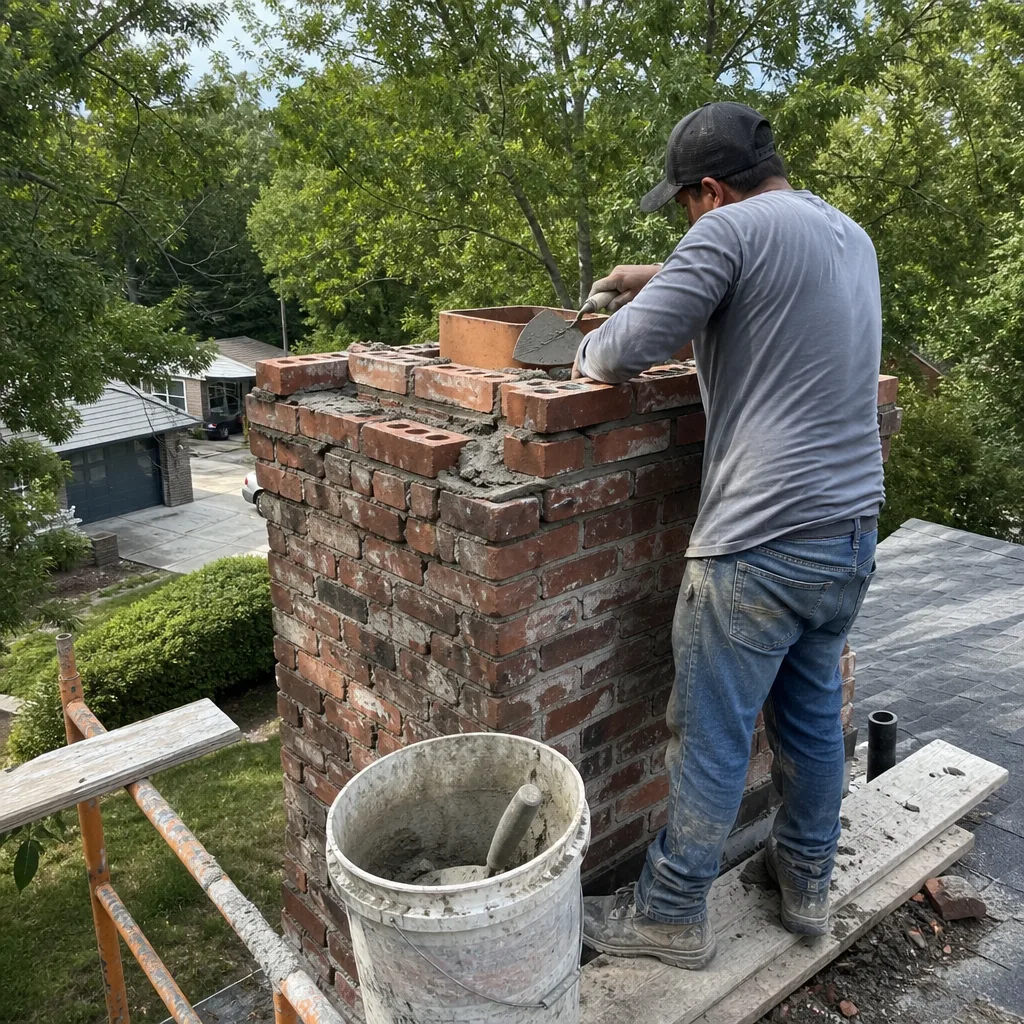
- Installing a chimney cap without inspecting the flue first. Caps prevent water and animal entry, but capping a flue with existing creosote buildup or liner damage traps moisture and accelerates deterioration. Always inspect before capping.
- Ignoring the smoke chamber. The smoke chamber is the most common site of fire code violations in Atlanta homes built before 1990. Many sweeps brush the flue and ignore this area because it requires hand work and parging repair skills. A proper Level 2 inspection includes smoke chamber evaluation.
- Using the fireplace as a default during power outages. Atlanta’s ice storms and summer derechos cause outages, but fireplaces are inefficient heat sources and dangerous when used for extended periods without inspection. Have your system evaluated for emergency use before you need it.
- Discarding documentation after “routine” cleaning. Keep chimney records with your home maintenance files. They transfer to buyers, satisfy insurers, and create baseline comparisons that catch developing problems early.
When to Call a Professional
Call a certified chimney professional if you notice any of the following: visible creosote flakes in the firebox, smoke entering the room during normal operation, a strong tar odor on humid days, white staining on exterior masonry (efflorescence indicating water intrusion), or any cracking in the firebox or hearth. After any chimney fire, even one you extinguished yourself, a Level 2 inspection is mandatory before next use - thermal damage to liners is often invisible and catastrophic if undetected.
If you are buying a home in Atlanta, selling one, or have not had camera inspection in over two years, schedule Level 2 inspection regardless of apparent condition. The findings may be reassuring, but only documentation provides that assurance.
Level Two Chimney Atlanta offers free estimates throughout Atlanta and surrounding communities. We answer calls live, 24 hours a day, and assign named, background-checked technicians with text notifications when they are en route. Call (470) 435-7984 to schedule, or request a Free Second Opinion on any written estimate you have received.
Frequently Asked Questions
A standard chimney sweep with NFPA 211 Level 2 inspection in Atlanta costs $175-$325, while glazed creosote removal runs $400-$650 due to chemical treatment and mechanical de-glazing. Prices vary based on flue height, liner material, and access difficulty. Call (470) 435-7984 for a written quote specific to your chimney - estimates are free.
You should never accept a liner replacement recommendation without seeing camera documentation of the specific damage. A legitimate sweep shows you cracked tiles, separated joints, or corroded stainless steel, explains the hazard, and provides a written quote you can compare. Our Free Second Opinion service exists for exactly this situation. If another sweep has recommended liner work, bring us their quote and their photos. We will inspect independently and explain whether the recommendation matches what we find.
Most Atlanta homeowners need cleaning every 12-18 months, with annual inspection required regardless of cleaning needs. Infrequent low-temperature burns, common in Atlanta’s mild climate, actually produce more hazardous glazed creosote than frequent hot fires. Only camera inspection can determine your actual accumulation rate. Schedule inspection in late summer for best availability.
Skipped cleaning allows creosote to accumulate until it either obstructs the flue, causing smoke and carbon monoxide to enter the home, or ignites in a chimney fire that can crack the liner and spread to wall cavities. In Atlanta, where many homes have chimneys built before modern fire codes, liner damage from undetected creosote fires is more common than homeowners realize. The camera inspection that accompanies proper cleaning catches developing problems before they become emergencies.
A Level 1 inspection is a visual check of accessible areas with no tools or camera. A Level 2 inspection adds examination of attics, crawl spaces, and basements, plus mandatory video scanning of the flue interior. Level 2 is required for real estate transactions, after suspected chimney fires, or when any system change occurs. In Atlanta’s competitive real estate market, a documented Level 2 inspection protects both buyers and sellers.
Homeowners can perform basic firebox cleaning and ash removal, but flue cleaning requires specialized equipment and knowledge of liner materials and creosote types. More importantly, without camera inspection, you cannot distinguish surface soot from liner damage or hazardous glazed creosote. We do not recommend DIY flue cleaning, and we strongly advise against attempting glazed creosote removal, which involves chemical handling and mechanical equipment that can damage liners if misused. For safety-critical systems, professional evaluation is the prudent choice.
The Bottom Line
Atlanta’s mild winters create a chimney hazard that northern-focused guides miss: low-temperature, infrequent burns produce glazed creosote faster than hot, efficient fires. This means inspection frequency matters more than burn count, and camera documentation is the only way to know what is actually in your flue. A legitimate chimney cleaning in Atlanta includes NFPA 211 Level 2 inspection, written price before work starts, and a documented photo record after completion. Anything less leaves you with a receipt instead of proof, and proof is what your insurer, your buyer, and your family’s safety require.
Written by Corrine Halstead, Owner at Level Two Chimney Atlanta, serving Atlanta since 2009.