
Last updated September 22, 2026
Level 1 sweep and inspection to the NFPA 211 annual standard - flue, crown, cap, and flashing checked and photographed
Chimney sweep logs do not sweep chimneys. They loosen some creosote - which then falls where a brush and vacuum still have to collect it.
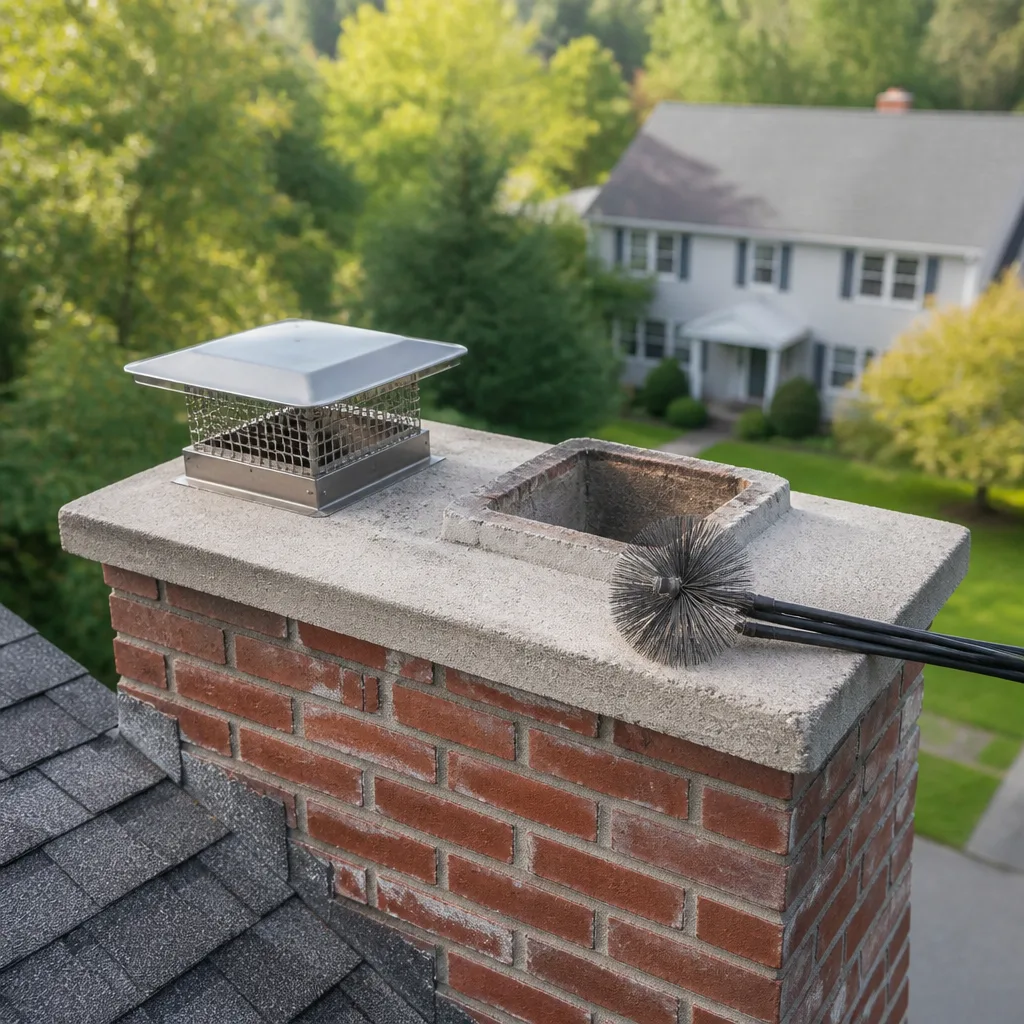
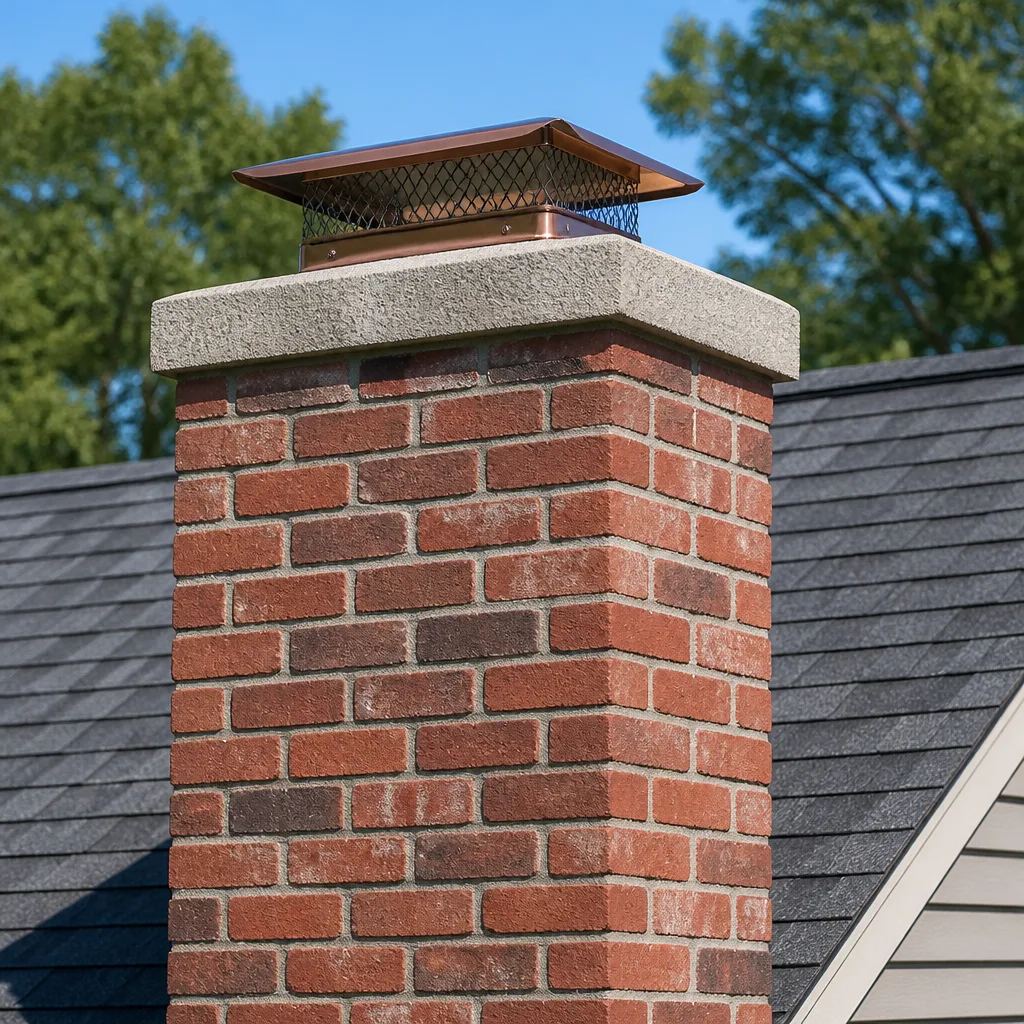
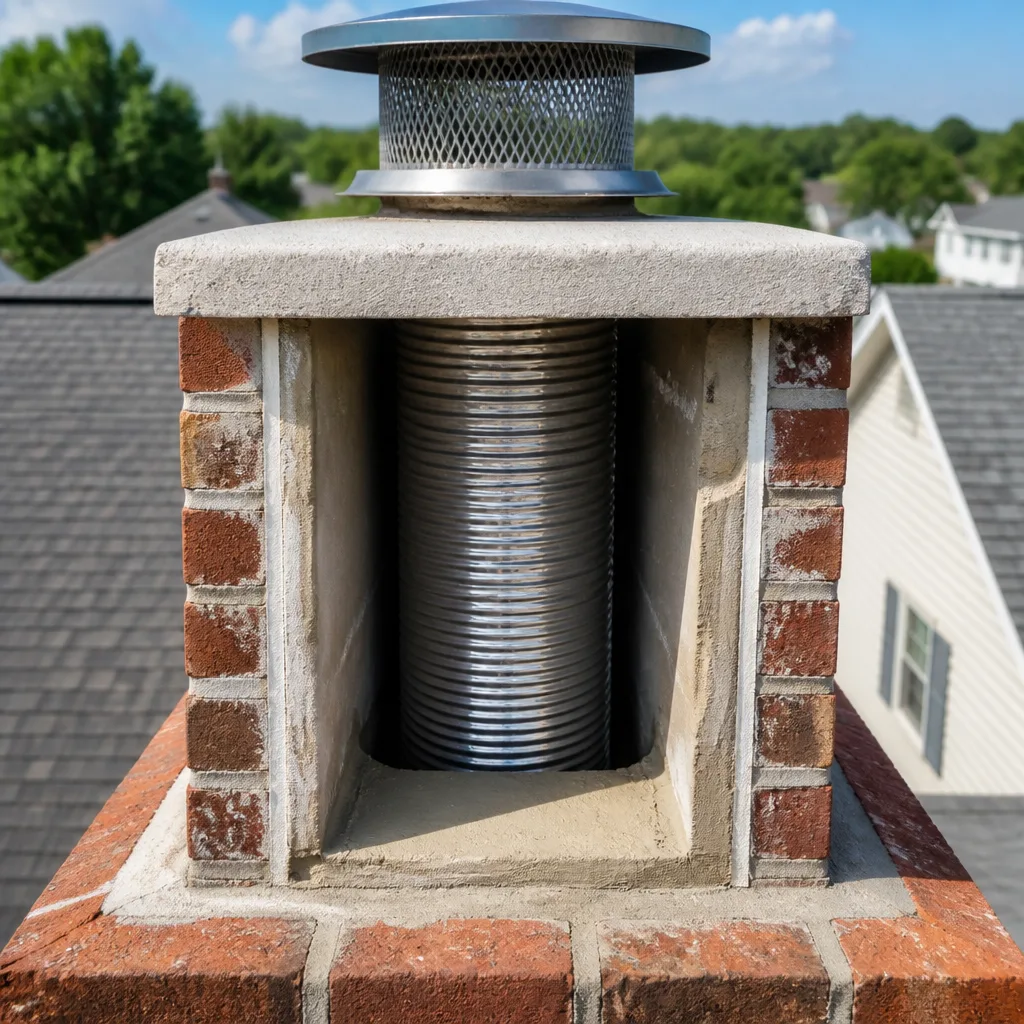
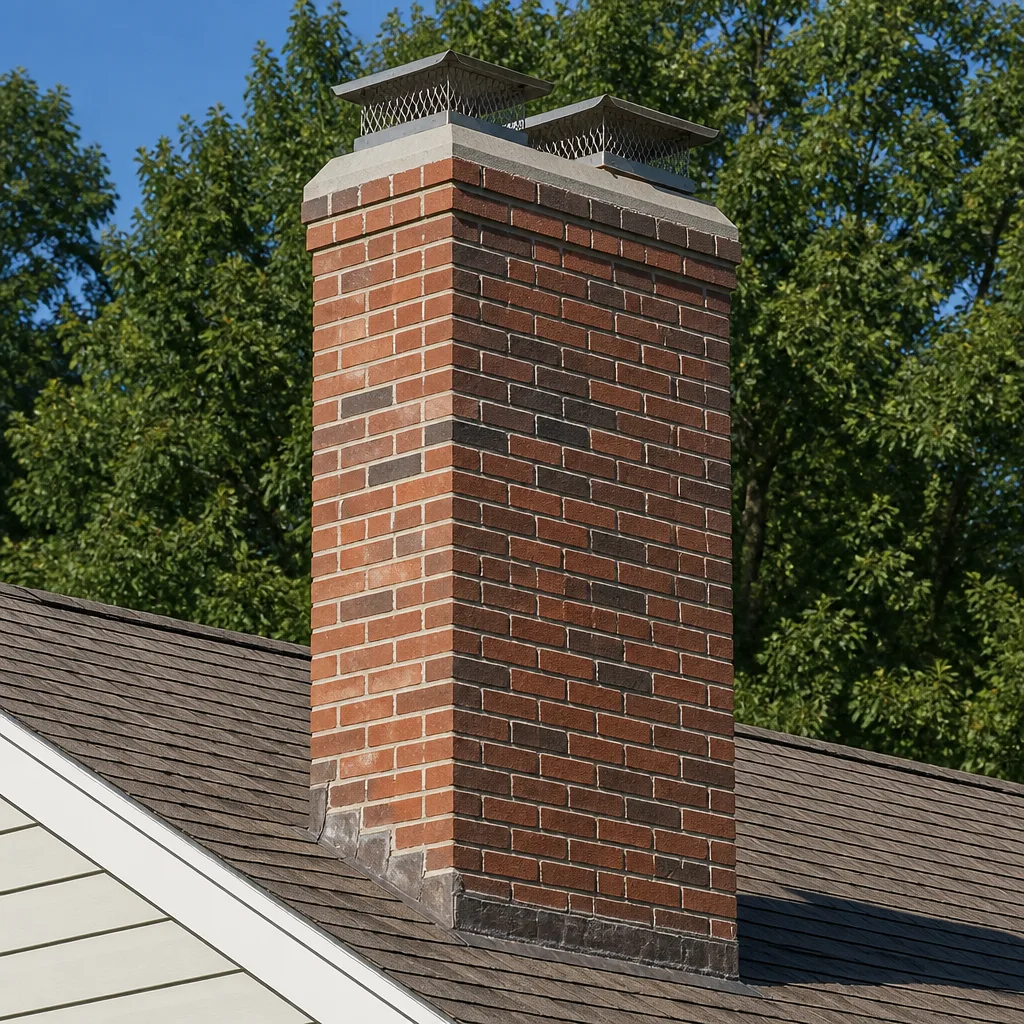
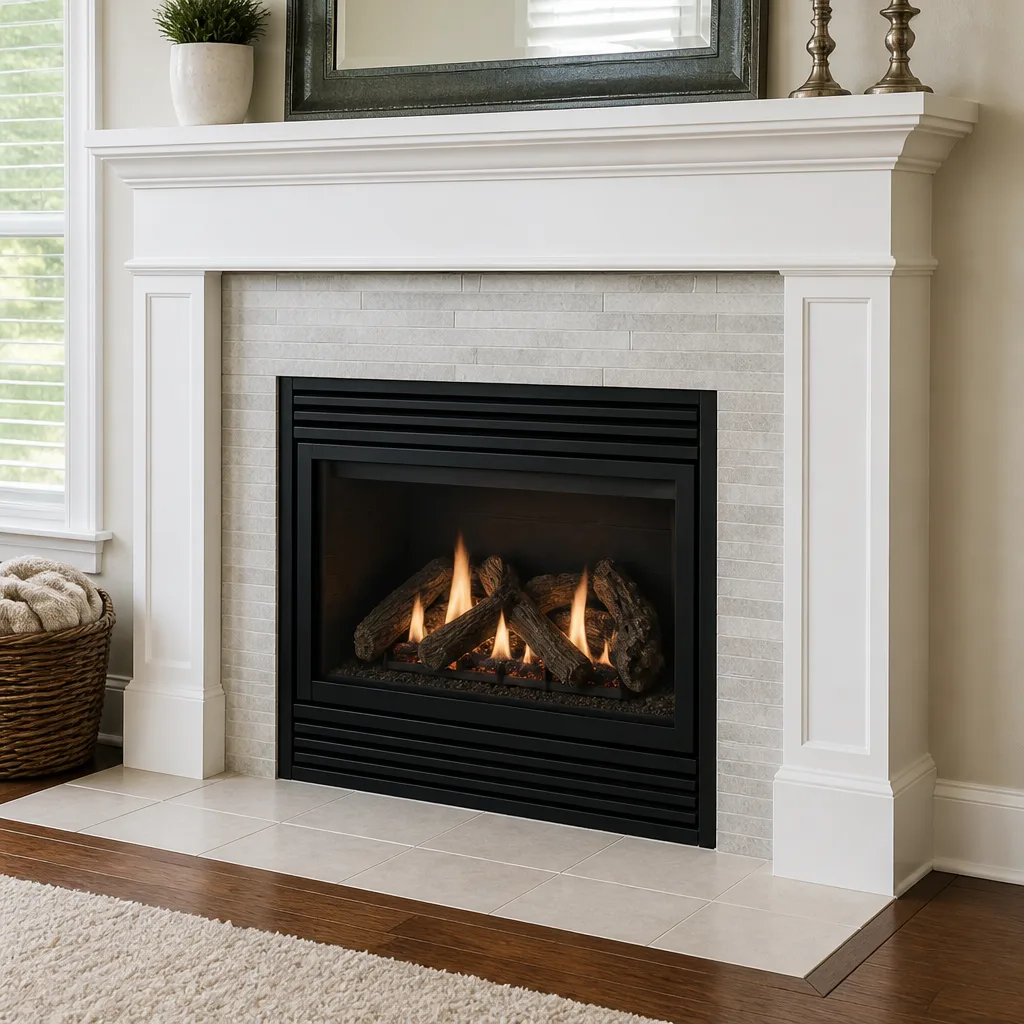
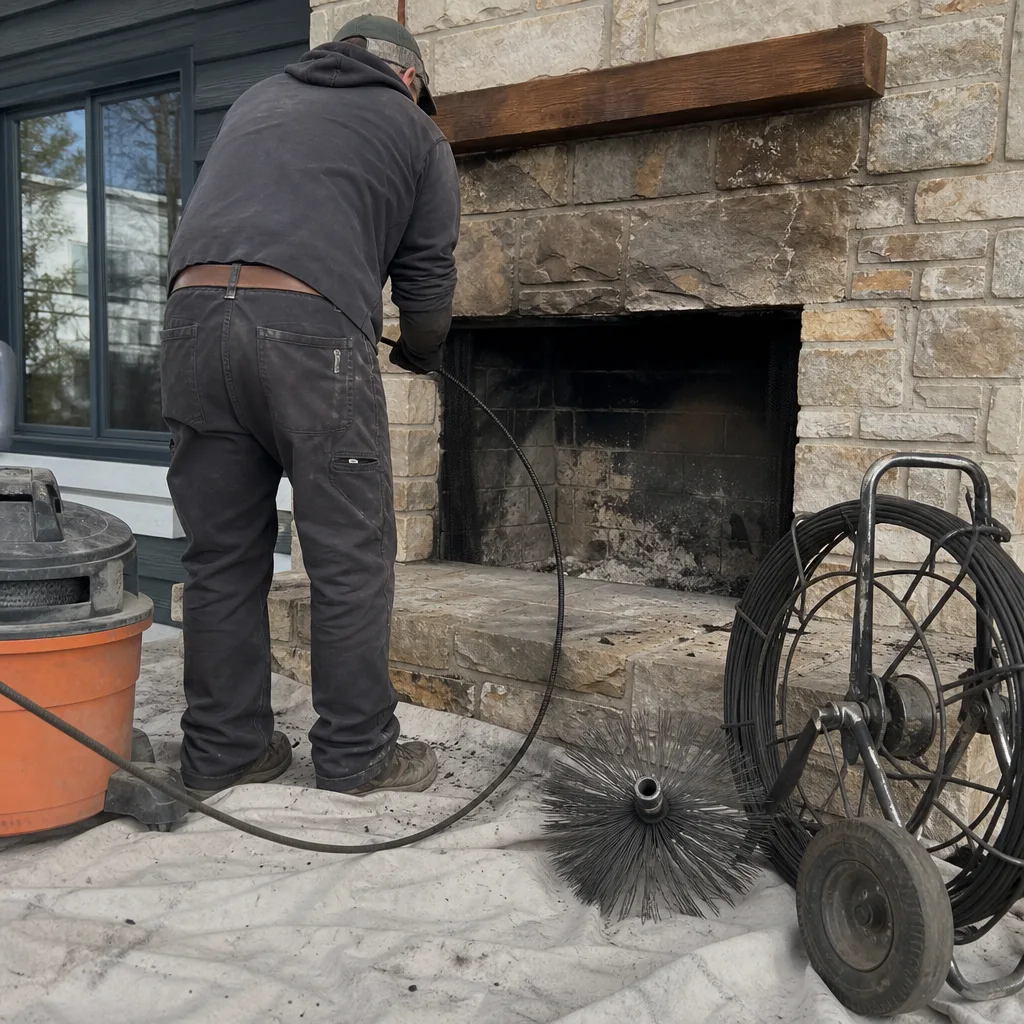 Before
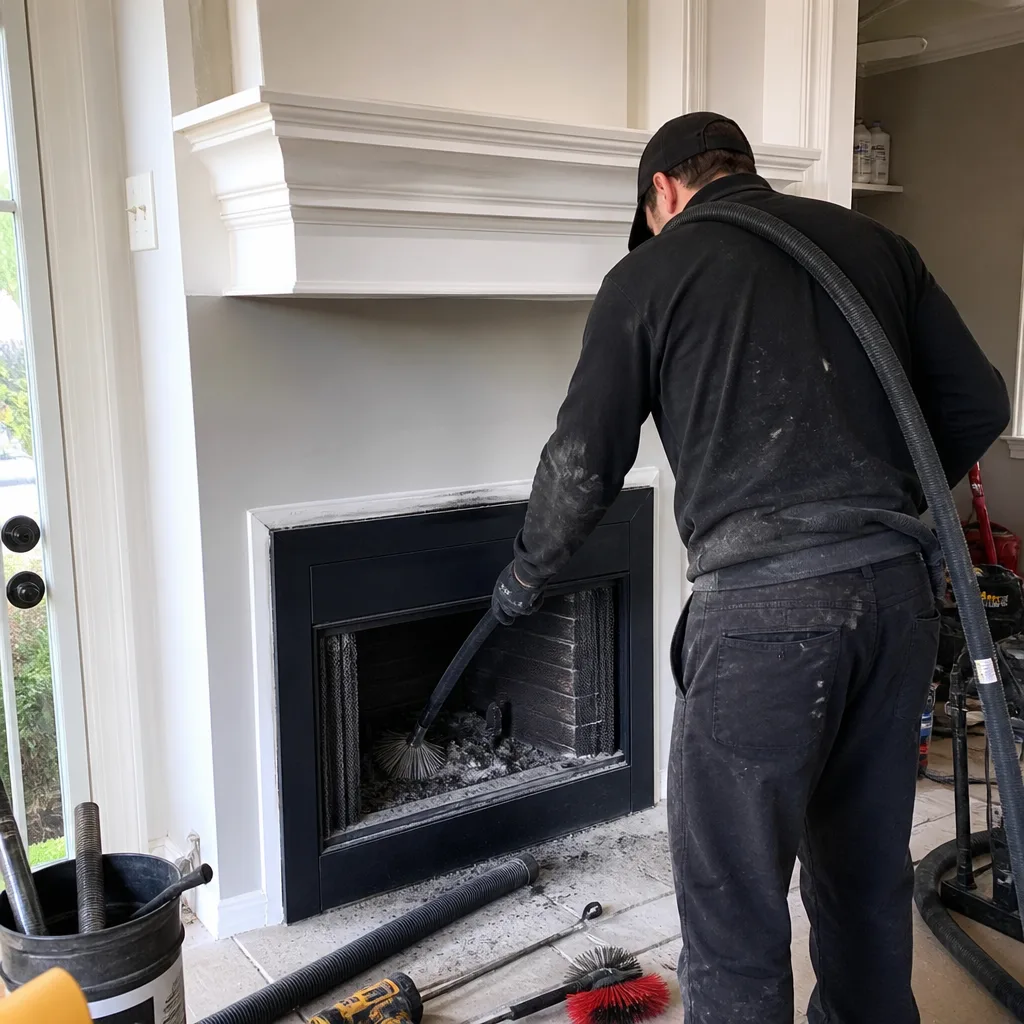 After
After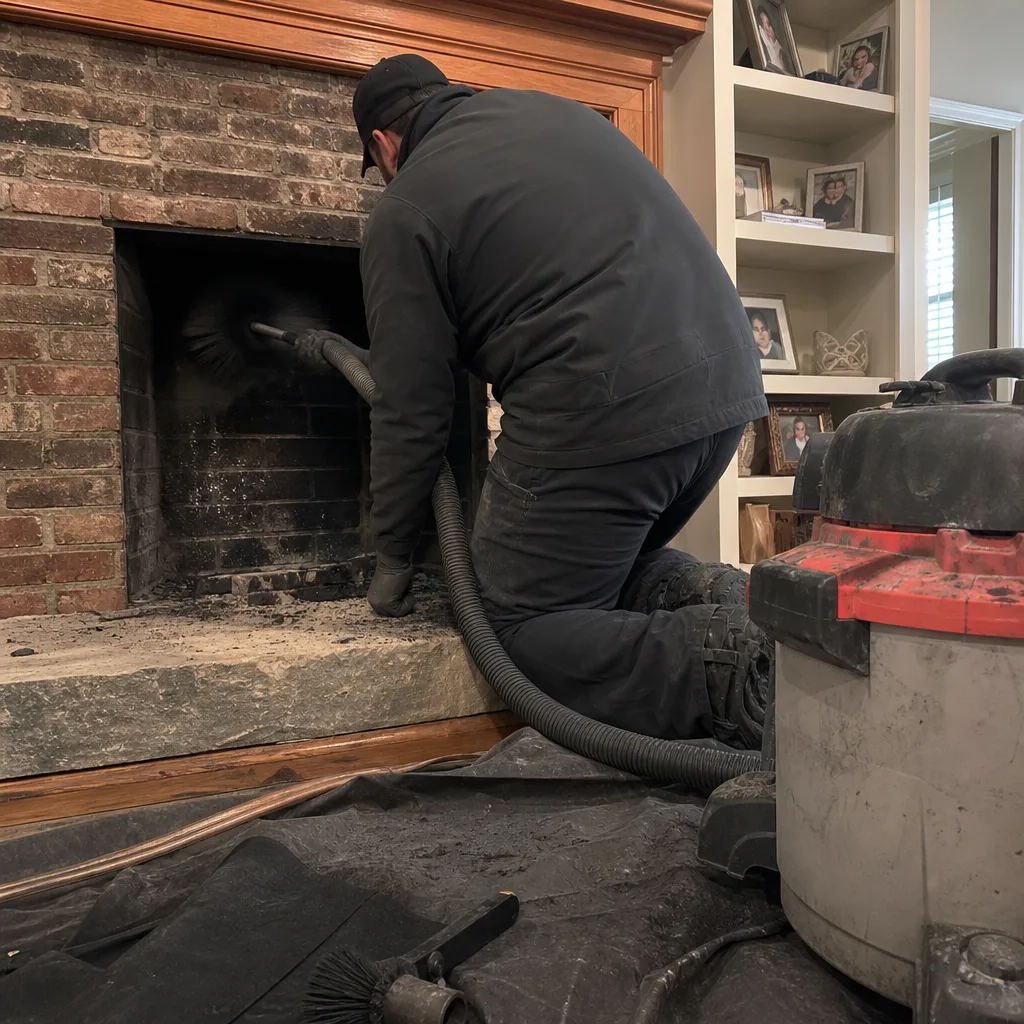 Before
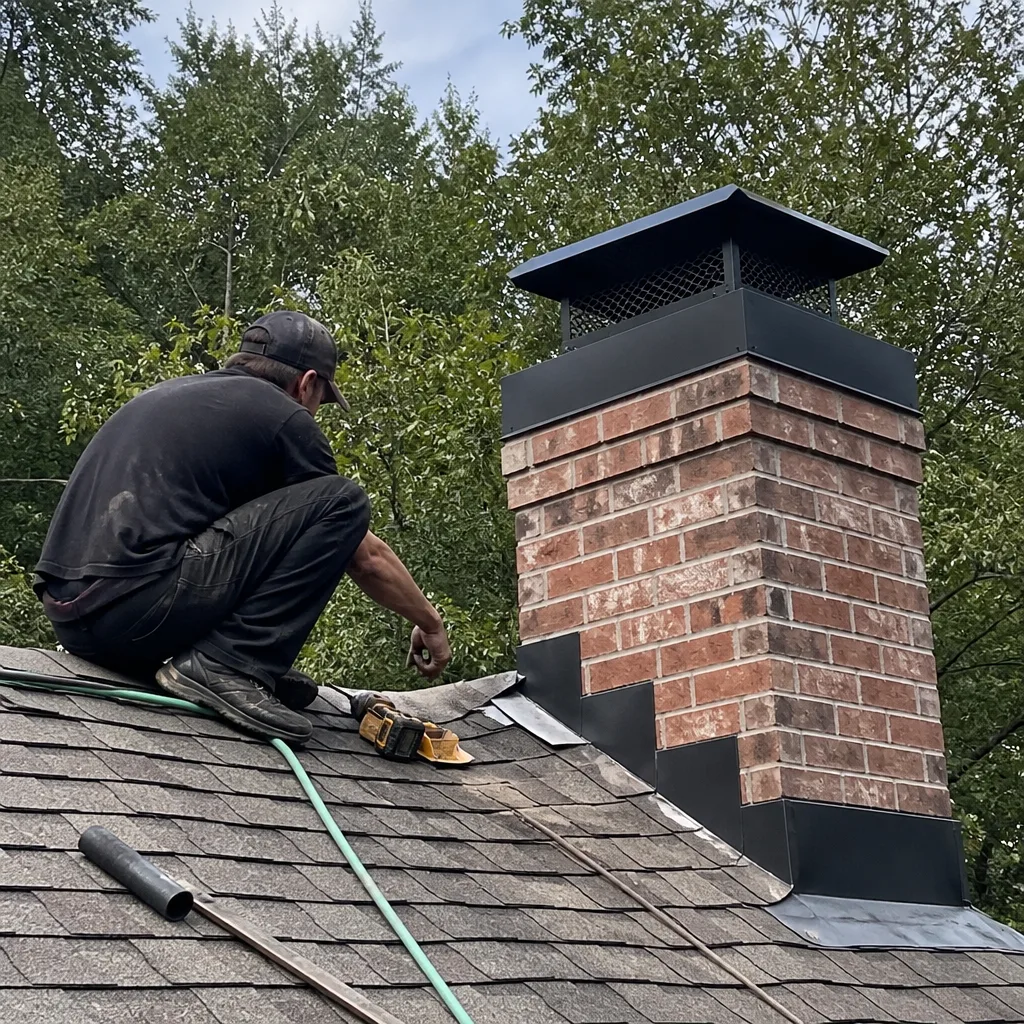 After
After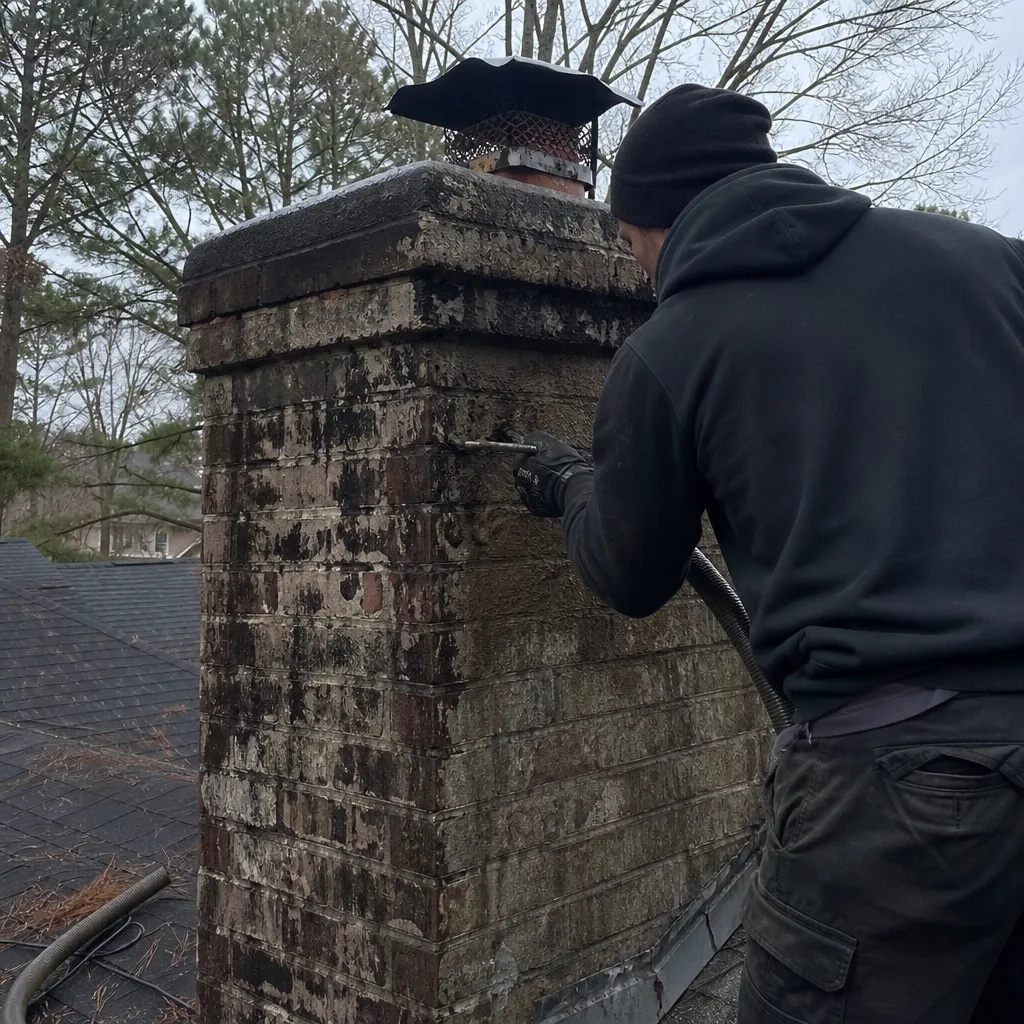 Before
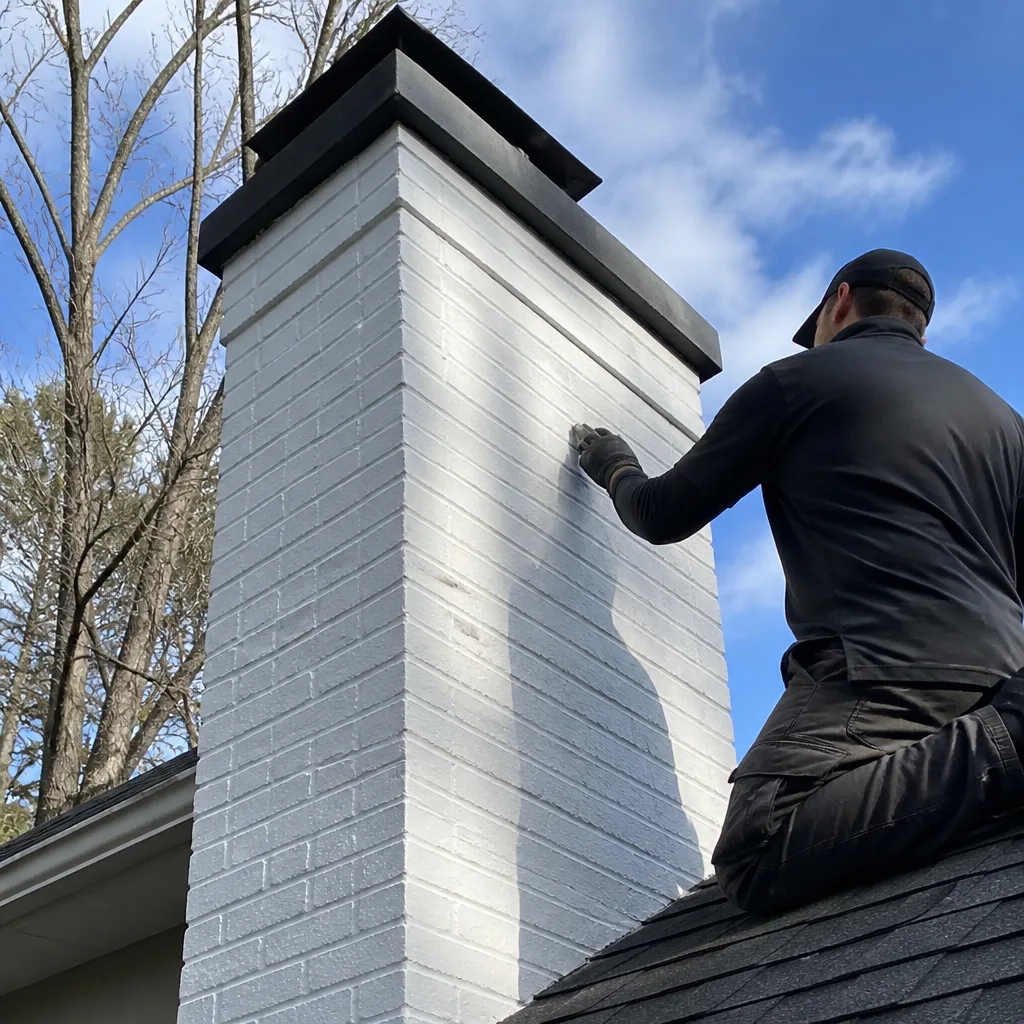 After
AfterChimney Cleaning Warning Signs: A Atlanta Homeowner’s Reference Guide
A chimney fire doesn’t announce itself with flames shooting from the top of your flue. It announces itself six months earlier, in July, with a petroleum smell rising from a cold fireplace on a 92-degree Atlanta afternoon. Most homeowners in Virginia-Highland, East Atlanta, and the older brick bungalows of Grant Park miss that first version entirely. This guide works backward from the subtle, early signals your chimney gives before visible damage appears, so you know what warrants a call this week versus what you can log and monitor before burning season returns. For a deeper dive into prevention and care, see our The Complete Guide to Chimney Cleaning in Atlanta.
Quick Answer
The earliest chimney cleaning warning signs Atlanta homeowners can detect without tools include: a petroleum or asphalt odor from a cold fireplace on warm days (indicating glazed creosote buildup), smoke that behaves differently than the previous season (backdraft puffs, slow clearing, or spillage into the room), a damper that suddenly requires more force to open or close, and mortar joint deterioration visible from the firebox or ground level. These signals precede visible damage by one to three burning seasons and are best confirmed with an NFPA 211 Level 2 camera inspection.
Table of Contents
- The Warm Day Smell: Why Your Cold Fireplace Smells Like Asphalt in July
- Reading Smoke Behavior: Three Patterns, Three Different Problems
- Damper Changes That Signal Creosote Buildup
- Mortar Deterioration: What to Look for From Inside and Outside
- Animal Entry Before You See Debris: Sound, Smell, and Draft Clues
- Urgent vs. Monitor: A Decision Framework for Atlanta Homeowners
- Common Mistakes to Avoid
- When to Call a Professional
- Frequently Asked Questions
BeforeAfterThe Warm Day Smell: Why Your Cold Fireplace Smells Like Asphalt in July
This is the warning sign our technicians hear described most often, and it’s the one homeowners dismiss as “just summer humidity.” Here’s what’s actually happening.
When wood burns incompletely, it releases volatile organic compounds that condense on the cooler upper walls of your flue liner as creosote. In Atlanta’s climate, this buildup progresses through three stages. Stage 1 is flaky, sooty, and brushes off easily. Stage 2 is the critical transition: the creosote melts and resolidifies into a hard, glossy, tar-like layer we call glazed creosote. Stage 3 is the dense, rock-hard coating that requires chemical treatment or rotary removal.
The warm day smell occurs because Atlanta’s summer heat and humidity cause Stage 2 glazed creosote to off-gas. That petroleum, asphalt, or roofing-tar odor you notice when walking past a cold fireplace in July or August? That’s hydrocarbon vaporization from creosote that has already reached a dangerous accumulation level. The smell intensifies on days when the temperature differential between your attic and the outside air creates a slight reverse draft, pulling air down the flue instead of up.
We see this pattern consistently in Atlanta’s older neighborhoods, particularly in homes built before 1980 with original clay tile liners. Inman Park and Cabbagetown Victorians, for example, often have flues that were sized for coal or early gas conversions and don’t draft efficiently with modern wood-burning inserts. The incomplete combustion accelerates Stage 2 buildup.
What to do: If you detect this smell, do not use the fireplace until inspected. A standard sweep won’t remove glazed creosote; it requires a rotary system or chemical treatment. At Chimney Cleaning & Sweep in Atlanta, we document the creosote class with photos before recommending the removal method, and we provide that photo record under Clause 4 of the Haven Standard.
Reading Smoke Behavior: Three Patterns, Three Different Problems
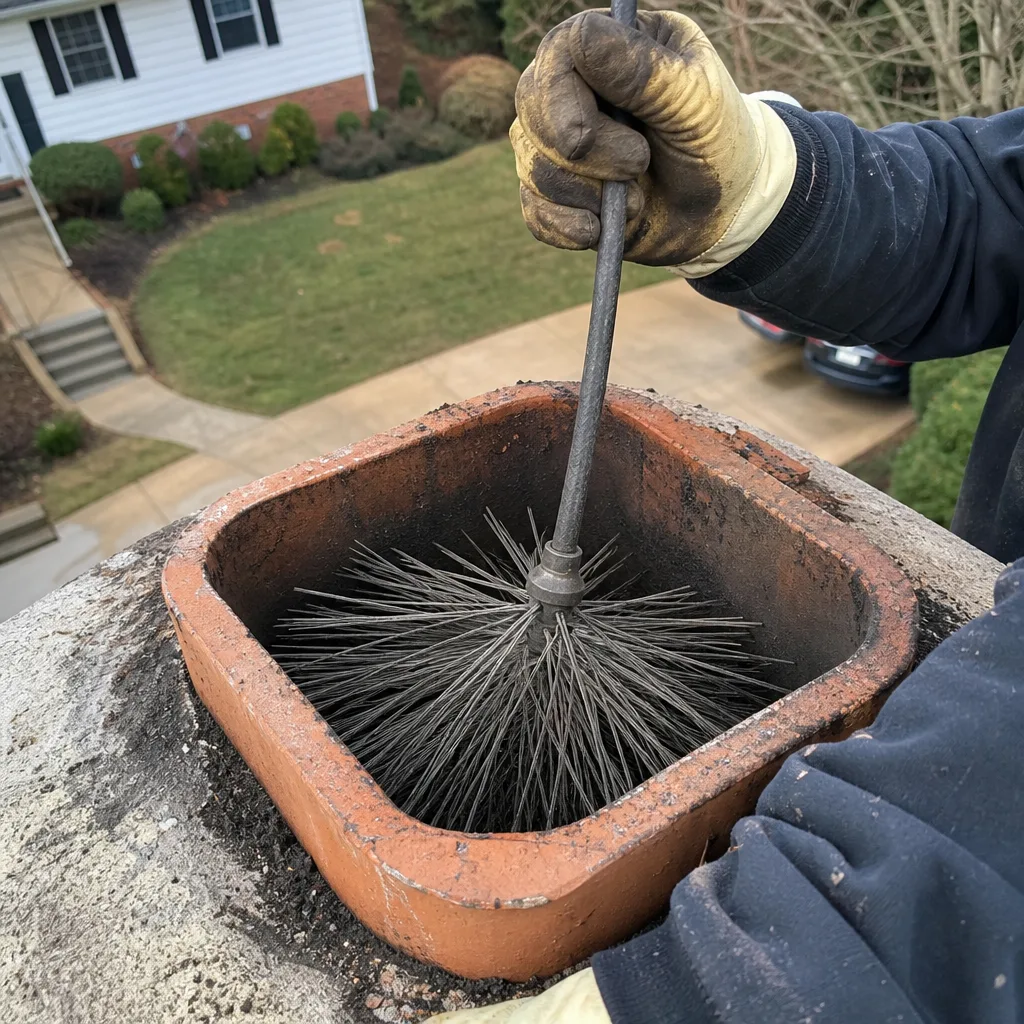
Smoke is the most immediate diagnostic tool your fireplace offers, and most homeowners don’t know how to read the variations. The pattern matters more than the fact of smoke itself.
Pattern 1: The Single-Puff Backdraft
You light the fire, smoke puffs into the room for 10 to 30 seconds, then the draft establishes and everything draws normally. This typically indicates a cold flue or a temporary pressure imbalance, common in Atlanta on still, humid mornings when the temperature inside your chimney is close to the outside air. The solution is often procedural: pre-warm the flue with a rolled newspaper or small kindling before lighting the main fuel.
However, if this pattern is new compared to previous seasons, it can signal partial blockage or narrowing of the flue from creosote buildup. The puff occurs because the reduced cross-sectional area can’t handle the initial combustion volume until heat establishes stronger draft.
Pattern 2: Persistent Smoke Spillage
Smoke continues entering the room throughout the burn, regardless of fire size or stage. This is the most serious pattern and indicates either a significant blockage (bird nest, collapsed liner section, or severe creosote obstruction) or a fundamental draft failure. In Atlanta, we see this frequently after spring storms when flue caps have been damaged or dislodged, allowing debris accumulation that homeowners don’t notice until first fire in October or November.
Stop using the fireplace immediately. Persistent spillage means combustion gases, including carbon monoxide, are entering your living space.
Pattern 3: Smoke That Clears Slowly
The fire draws adequately during burning, but smoke lingers in the firebox and slowly seeps up after the fire is out, or the room smells smoky hours later. This pattern points to liner damage: cracks, gaps between tile sections, or deterioration that allows smoke to leak into surrounding masonry before reaching the top of the flue. The masonry absorbs the smoke and releases it gradually.
In Atlanta’s freeze-thaw climate, clay tile liners in homes built before 1990 are particularly susceptible to this pattern. Water intrusion from damaged crowns or flashing freezes, expands, and cracks the tiles. The damage is rarely visible without a camera inspection.
| Smoke Pattern | Likely Cause | Immediate Action |
|---|---|---|
| Single-puff backdraft | Cold flue or partial narrowing | Pre-warm flue; schedule inspection if new |
| Persistent spillage | Blockage or draft failure | Stop using; call for inspection |
| Slow-clearing smoke | Liner damage or gaps | Stop using; camera inspection required |
Damper Changes That Signal Creosote Buildup
Your damper is a mechanical indicator of conditions higher in the flue. When it suddenly operates differently, the cause is rarely the damper itself.
Requires more force to open or close: Creosote has accumulated on the damper blade, the throat, or the pivot mechanism. Stage 2 and Stage 3 creosote are adhesive; they seize moving parts. In our experience across Atlanta’s 38,000+ inspections, a damper that “sticks” where it didn’t before is one of the most reliable early indicators of significant buildup above it. The creosote you can’t see is affecting what you can feel.
Won’t fully close: Debris has fallen from above and is blocking the closed position. This can be creosote flakes, deteriorated liner fragments, or nesting material. A damper that won’t seal completely wastes energy year-round (conditioned air escapes in summer, heated air in winter) and indicates an obstruction that will worsen.
Rattles or shifts position during burning: Draft turbulence caused by flue narrowing is exerting pressure on the damper blade. This is an advanced warning sign; the flue cross-section has reduced enough to create velocity changes that physically move the damper.
We document damper condition on every inspection, including operation force and seal integrity, as part of the written scope delivered before any work begins under Haven Standard Clause 1.
Mortar Deterioration: What to Look for From Inside and Outside
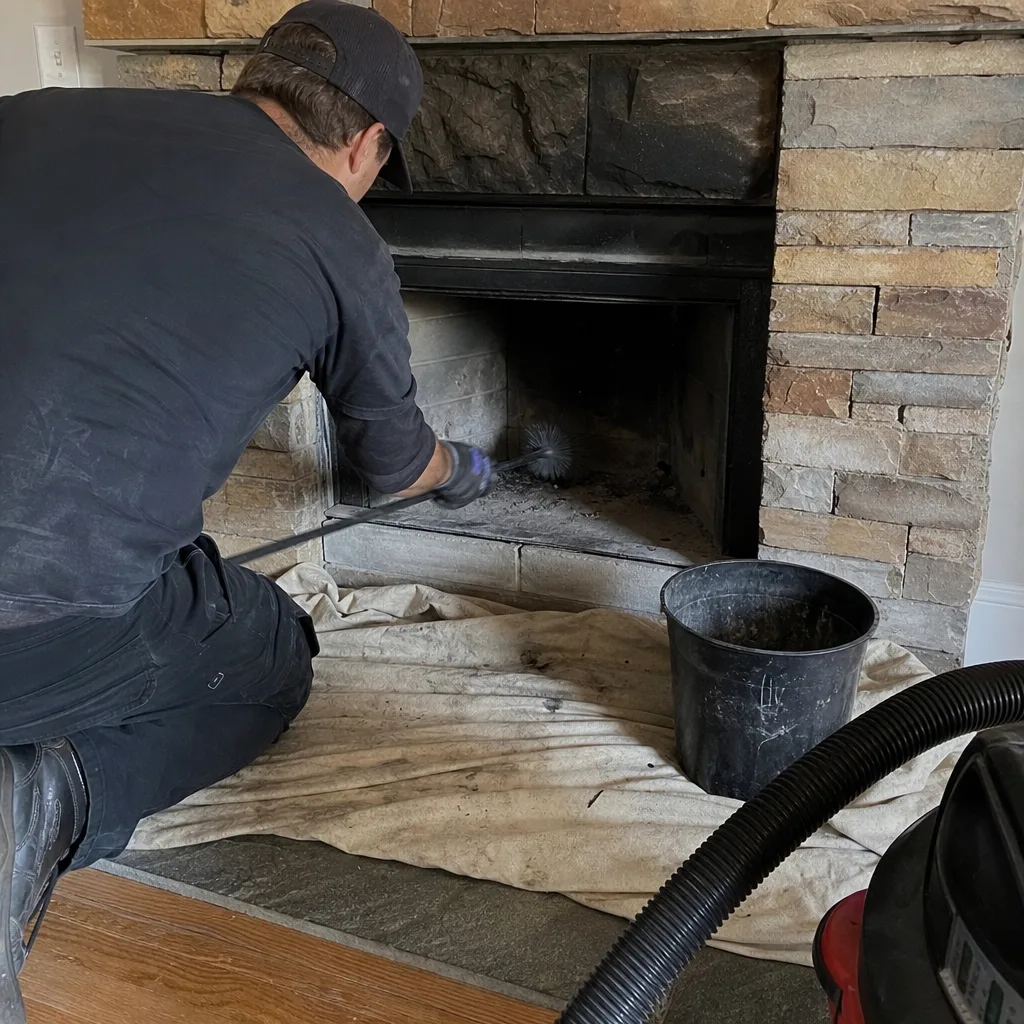
Mortar joint failure is the warning sign most visible to homeowners, but the pattern of cracking tells you whether you’re looking at water intrusion, structural settling, or thermal damage. The distinction matters for timing and cost.
From the Firebox: The Crack Patterns to Recognize
Vertical cracks running through mortar and brick: Thermal stress from rapid heating, often in fireplaces that were used infrequently then subjected to intense fires. The masonry expands unevenly. These cracks allow combustion gases to reach surrounding framing and require immediate attention.
Stepped cracks following mortar lines in a stair pattern: Structural settling, common in Atlanta’s Piedmont clay soils. The chimney footing has shifted relative to the house foundation. Monitor width; hairline stepping can be logged annually, but cracks wider than 1/8 inch or with differential movement (one side higher than the other) need structural evaluation.
Spalling: brick faces flaking or popping off: Water intrusion followed by freeze-thaw cycling. Water enters through crown cracks, damaged flashing, or porous brick, then expands when temperatures drop below freezing. Atlanta’s winter lows are mild enough that severe spalling indicates chronic, not occasional, water exposure. The brick surface looks like it has been chipped away from the inside out.
From the Ground: Exterior Inspection Points
- Crown condition: The concrete cap at the chimney top should shed water with visible slope. Cracks wider than 1/16 inch allow water directly into the chimney core. In Atlanta’s afternoon thunderstorm pattern, a compromised crown channels significant water volume.
- Flashing at the roofline: Look for lifted, rusted, or separated metal where the chimney penetrates the roof. Step flashing should be embedded in mortar joints; counter-flashing should overlap it by at least 2 inches. Gaps here are the leading cause of interior water damage we find in Buckhead and Midtown inspections.
- Efflorescence: White, powdery deposits on brick surfaces indicate water is moving through the masonry and depositing salts. It’s not merely cosmetic; it documents active water migration.
- Cricket or saddle: On chimneys wider than 30 inches, a cricket (small roof structure) should divert water around the chimney. Missing or deteriorated crickets cause pooling and accelerated mortar failure on the uphill side.
Materials matter for repairs. We source crown repair compounds from HeatShield and replacement flashing hardware through Copperfield’s specification network, procured through Haven’s buying network to maintain honest pricing.
Animal Entry Before You See Debris: Sound, Smell, and Draft Clues
By the time you see nesting material in your firebox or on the smoke shelf, animals have been occupying your flue for weeks. Earlier indicators are subtle but specific.
Sound Patterns
Scratching that moves: A single animal (squirrel, raccoon) climbing up and down produces intermittent scratching with pauses. The sound location shifts as the animal moves. This differs from wind-driven debris, which is rhythmic and location-constant.
Chirping or fluttering at dawn and dusk: Chimney swifts, federally protected migratory birds that nest in vertical shafts, are common in Atlanta’s mature tree canopy neighborhoods like Druid Hills and Morningside. Their presence is seasonal (March through September) and legally protected once nesting begins. The sound is distinctive: rapid, high-pitched chirps accompanied by wing fluttering as adults enter and exit.
Scurrying with vocalization: Raccoons produce a chittering or growling; they are the largest animals commonly entering Atlanta chimneys and can dislodge damper components or damage flue liners with their weight.
Odor Timing
Animal presence creates a specific odor sequence. Active occupation smells of urine and musk. After death or departure, the smell transitions to decomposition or old nest mustiness. The critical distinction: decomposition odor intensifies with heat and humidity, so an otherwise unexplained foul smell from your fireplace in late spring or early summer, when Atlanta temperatures rise, strongly suggests a carcass or abandoned nest.
Draft Irregularities
Partial blockage from nesting material creates draft behavior that doesn’t match other causes. The fireplace may draft normally at low fire intensity but smoke at higher burn rates, because the blockage allows low gas volume to pass while choking higher output. Alternatively, you may hear wind noise or whistling from the fireplace when the damper is closed, indicating gaps in the flue cap or liner that animals exploited to enter.
Prevention is straightforward: a properly specified flue cap with mesh sides. We install caps from Gelco and Famco with appropriate mesh sizing for Atlanta’s common wildlife; 3/4-inch mesh excludes most animals while allowing adequate draft. Every cap installation includes verification that the mesh won’t clog with creosote flakes or ice formations.
Urgent vs. Monitor: A Decision Framework for Atlanta Homeowners
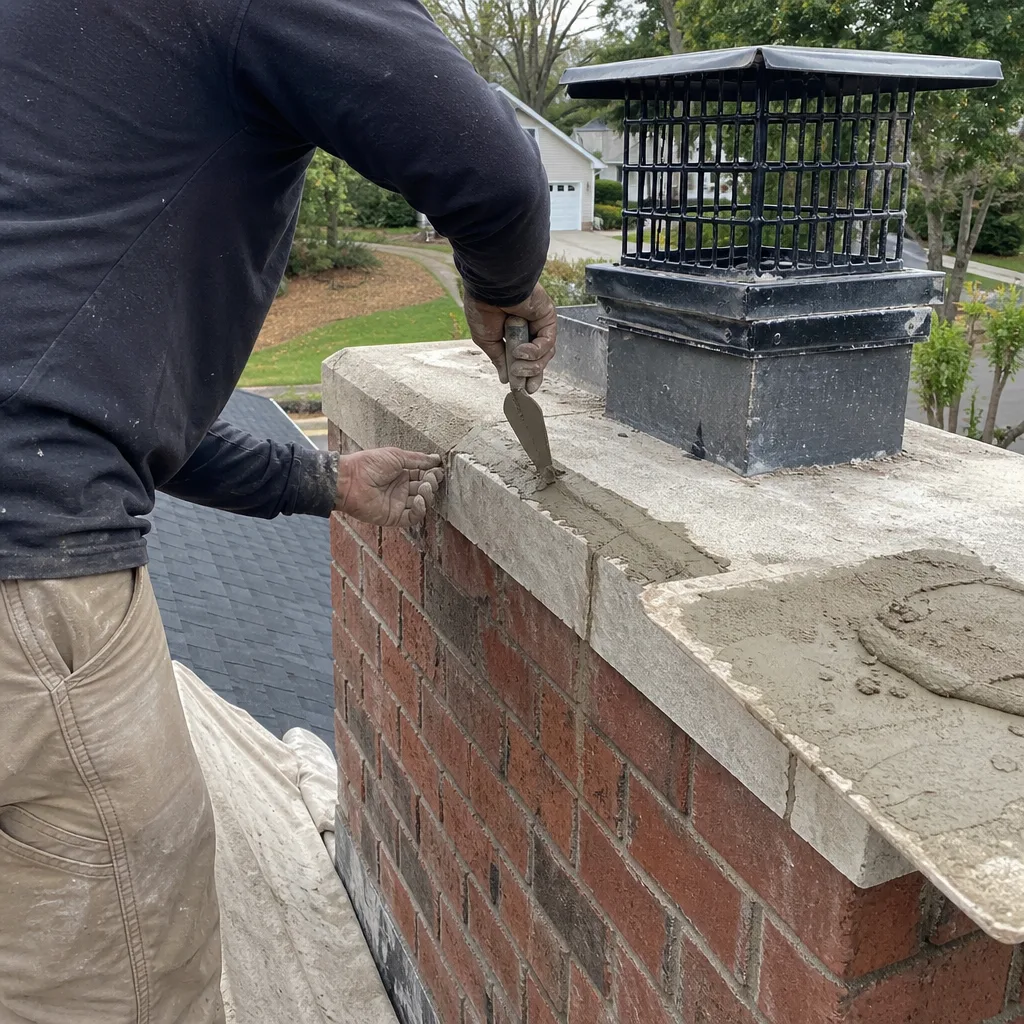
Not every warning sign demands immediate service. Some warrant stopping use and calling within 24 hours; others can be logged, photographed, and addressed before the next burning season. The framework below is based on what we’ve documented across 38,000+ inspections since 2009.
Stop Using, Call Within 24 Hours
- Persistent smoke spillage into the room during any fire
- Visible flame or glowing material in the flue outside the firebox (chimney fire)
- Sudden loud cracking or popping from the chimney structure during burning
- Carbon monoxide detector activation near the fireplace
- Damper that won’t open, with smoke accumulating in the firebox
- Strong petroleum odor during active burning (indicates active creosote ignition risk)
Schedule Inspection Before Next Burning Season
- Warm-day petroleum smell from cold fireplace (glazed creosote confirmed, but not actively off-gassing during use)
- Damper requiring more force but still operational
- Hairline mortar cracks without differential movement or spalling
- Single-puff backdraft that’s new but not worsening
- Evidence of prior animal entry with no current activity
- Efflorescence on exterior brick without interior water staining
Log and Photograph, Reassess Annually
- Minor flaking of firebox refractory panels (normal wear)
- Slight rust on damper mechanism without operational impairment
- Hairline crown cracks under 1/16 inch with no interior evidence
- Stepped mortar cracks under 1/8 inch without width progression
The distinction between “monitor” and “urgent” often requires camera verification. A crack that appears stable from the firebox may reveal liner damage when viewed from inside the flue. This is why Clause 4 of the Haven Standard requires a documented photo record on every visit; the image you can’t capture from the ground or firebox is frequently the decisive one.
For Chimney Repair in Atlanta, we provide the same written price, written scope, and written warranty before any work begins, whether the finding is urgent or scheduled.
Common Mistakes to Avoid
- Assuming a “clean” firebox means a clean flue. The firebox is where you see; the flue liner is where the hazard accumulates. We’ve removed 40-pound creosote deposits from flues whose fireboxes looked swept.
- Using the “log cleaner” products as a substitute for sweeping. These products modify creosote chemistry but don’t remove buildup. They can also mask the warm-day smell that would otherwise alert you to Stage 2 accumulation.
- Ignoring changes because “it’s always done that.” Chimneys deteriorate progressively. A damper that “always stuck a little” but now requires both hands is a changed condition, not a character trait.
- Waiting for “burning season” to schedule inspection. Atlanta’s shoulder seasons (March-May, September-November) offer better technician availability and allow time for repairs before weather demands use. Summer inspections also catch the warm-day smell when it’s most detectable.
- Hiring based on lowest price without verifying inspection scope. A flashlight look from the firebox is not an NFPA 211 Level 2 inspection. Ask specifically: “Will you run a camera the full length of the flue, and will I receive photos?” If the answer is no or involves an extra charge, you’re not getting the inspection standard that insurers and fire marshals recognize.
- Attempting to remove blockages or evaluate liner damage personally. Flue liners in damaged condition can collapse without warning. Creosote removal requires proper ventilation, respiratory protection, and containment. The injury risk is real and the diagnostic value of an untrained visual check is minimal.
When to Call a Professional
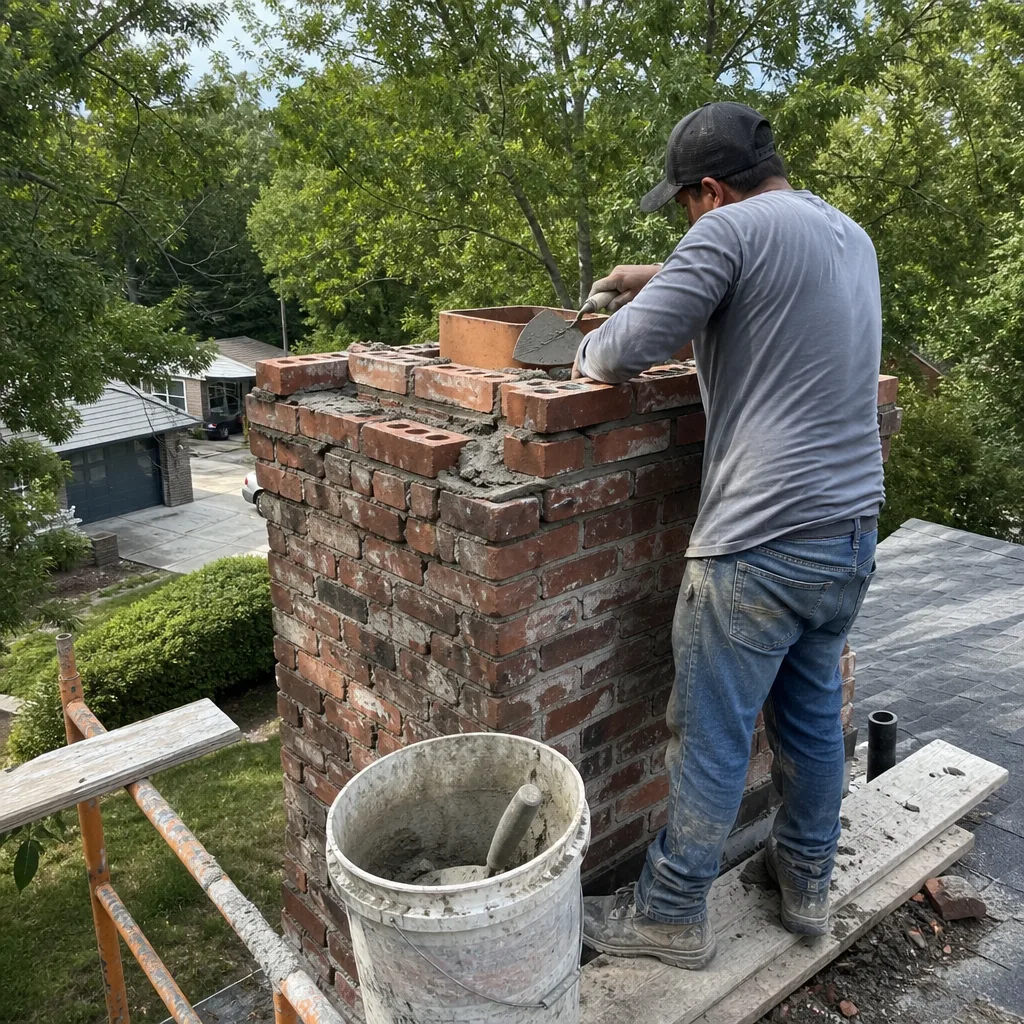
Call when a warning sign changes, not when it becomes catastrophic. The petroleum smell in July, the damper that suddenly sticks, the smoke pattern that’s different this year - these are the calls that prevent emergency service in January.
Specifically: call if you detect any urgent-category sign listed above; if you’ve never had a camera inspection and your home is more than 15 years old; if you’ve purchased a home with fireplace unknowns and no documentation; or if you’re comparing estimates and want a free second opinion on any competitor’s written quote. For help vetting providers, read How to Hire a Chimney Cleaning Contractor in Atlanta: A Step-by-Step Guide.
Level Two Chimney Atlanta offers free estimates in Atlanta. Every estimate includes a written price, written scope, and written warranty before any work begins. Call (470) 435-7984. Live phone support runs 24 hours a day, 7 days a week - you’ll speak to a person, not a voicemail system.
Frequently Asked Questions
A standard chimney sweep in Atlanta typically ranges from $175 to $325, depending on flue accessibility, creosote class, and whether a Level 2 camera inspection is included. Level Two Chimney Atlanta includes the camera scan and documented photo record as standard under Haven Standard Clause 4, not as an add-on. Call (470) 435-7984 for an exact quote - estimates are free.
You need a new liner when the existing one is damaged in ways that compromise safety, not when a salesperson says so. We document liner condition with camera footage and show you the specific findings: cracked clay tiles, gaps between sections, or deterioration patterns. If the damage is minor and localized, spot repair with HeatShield refractory compounds may suffice. If the liner is compromised along a significant length, replacement with a stainless steel system from DuraFlex or Olympia Chimney is the correct solution. Nothing is recommended without camera evidence you can see yourself. Call (470) 435-7984 for an exact quote - estimates are free.
The NFPA 211 standard calls for annual inspection, with cleaning frequency determined by creosote accumulation, not calendar time. In practice, Atlanta homeowners who burn two or more cords of hardwood per season typically need annual sweeping. Those who burn less, or primarily use gas logs, may extend to every two to three years with confirmed low accumulation via camera inspection. The warm, humid summers here accelerate Stage 2 creosote transformation, so we recommend inspection even for light-use fireplaces. Call (470) 435-7984 for an exact quote - estimates are free.
Skipped maintenance progresses predictably: Stage 1 creosote becomes Stage 2, then Stage 3. Glazed creosote ignites at approximately 451°F, well within normal flue operating temperatures. A chimney fire can reach 2,000°F, cracking liners and allowing flame contact with framing. Even without ignition, deteriorated liners leak carbon monoxide and combustion byproducts into wall cavities. Water intrusion destroys mortar from within, leading to structural instability. The cost of prevention is a fraction of the cost of repair or remediation after failure. Call (470) 435-7984 for an exact quote - estimates are free.
A Level 1 inspection is a visual examination of readily accessible portions of the chimney exterior, interior, and connections, appropriate for continued use under unchanged conditions. A Level 2 inspection, required by NFPA 211 for property transfers, changes of fuel type, or suspected damage, includes a camera scan of the full flue length, inspection of accessible attics and crawl spaces, and documentation of all findings. Level Two Chimney Atlanta performs Level 2 as our standard on every visit - we don’t offer the lesser inspection. The camera footage and photo record are included under Clause 4 of the Haven Standard, a practice we’ve maintained since 2009.
No. The warm-day petroleum smell indicates Stage 2 glazed creosote, which is combustible and will not improve with time. Using the fireplace before removal risks ignition. Additionally, if the odor includes decomposition or mustiness, animal presence or carcass may be obstructing the flue, creating both fire and carbon monoxide hazards. Schedule inspection before next use. Call (470) 435-7984 for an exact quote - estimates are free.
The Bottom Line
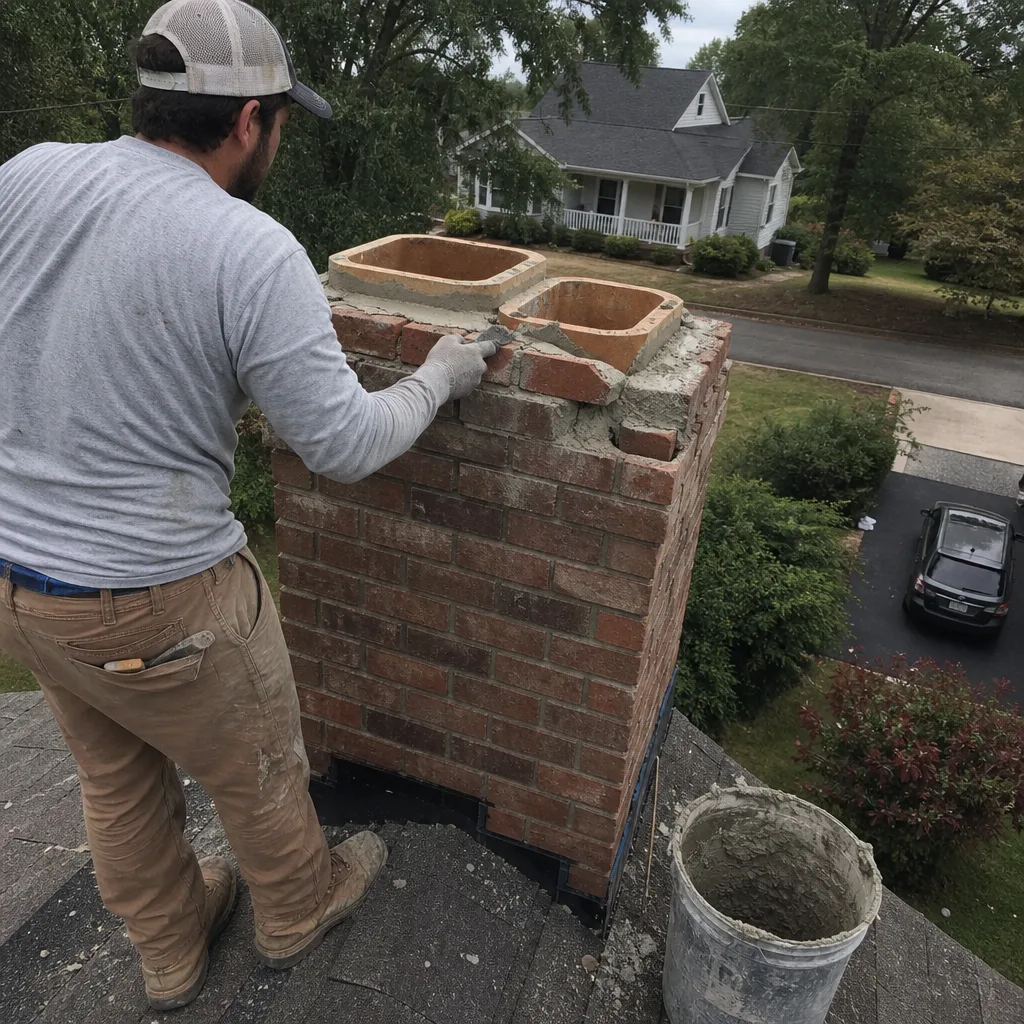
Your chimney communicates early if you know the signals. The asphalt smell in July, the damper that sticks where it didn’t, the smoke that clears differently than last year - these are not quirks to accommodate. They’re diagnostic data that precede visible damage by seasons or years. Atlanta’s climate, with humid summers that accelerate creosote transformation and freeze-thaw winters that test masonry, makes attentive reading of these signs particularly valuable. Document what you observe, photograph changes, and schedule camera inspection when signs shift category from monitor to active concern. The inspection that finds nothing is the cheapest one you’ll ever buy.
For Fireplace Services in Atlanta or to return to our main site, visit Level Two Chimney Atlanta home. Every service includes the Haven Standard: written price before work starts, documented photo record on completion, and the 365-Day Done Right Promise.
Written by Corrine Halstead, Owner at Level Two Chimney Atlanta, serving Atlanta since 2009.